Pakistan Fuel Levy: How It Raises Inflation Pressure
A fuel levy can ripple through Pakistan’s economy, raising travel, delivery and everyday costs—fueling inflation far beyond the petrol pump for families.
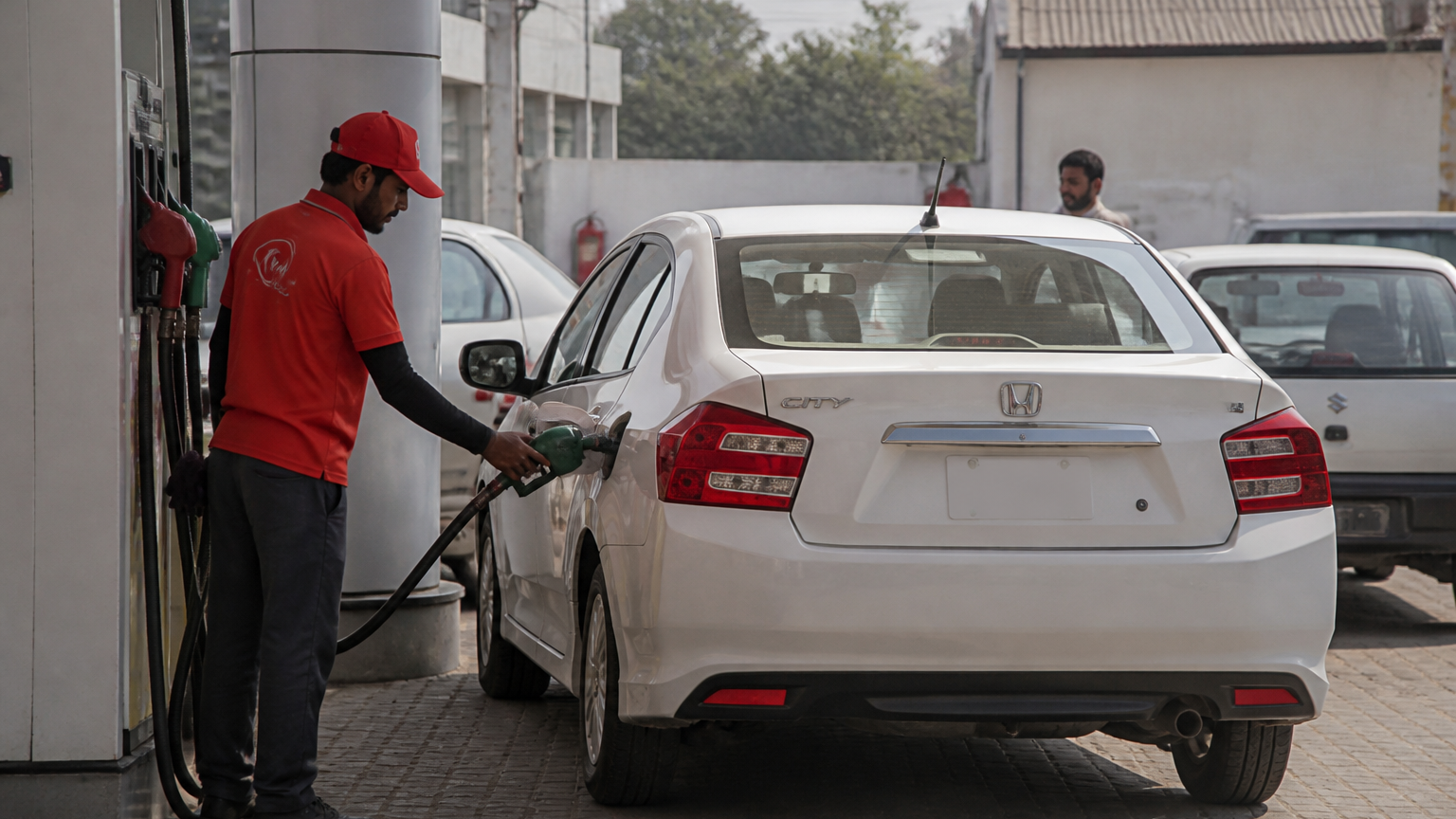
Table of Contents
- How the cost spreads beyond the pump
- Why this can add inflation pressure
- What motorists should watch
- FAQ
A fuel levy may look like a small charge on paper, but for many households in Pakistan it can do much more than raise the bill at a petrol pump. It can also lift commuting costs, truck fares, delivery charges and, over time, the prices of daily items bought in the market. A source report at says this is one of the main ways fuel taxes feed inflation pressure. This article is an analysis of that cost chain, not a confirmed update on any new fuel-price notification.
The fuel levy is a government charge added to petroleum products. It is separate from the base fuel price and from other taxes and charges that can also shape the final retail rate. For motorists, the effect is direct: if the per-litre cost goes up, every refill becomes more expensive. That hits people who drive to work every day, as well as those who use vehicles for business.
How the cost spreads beyond the pump
The bigger impact starts after fuel leaves the station. Pakistan’s transport system depends heavily on diesel and petrol for moving people and goods. When fuel becomes more costly, the pressure can move through several channels:
- Private car users: higher monthly fuel bills for office travel, school runs and city trips.
- Motorcycle commuters: small changes still matter because many families depend on bikes for daily travel.
- Public transport passengers: bus and van operators may pass on part of the added cost.
- Ride-hailing and delivery services: higher operating costs can mean higher fares or service charges.
- Truckers and freight operators: longer routes and heavy loads make fuel changes especially important.
- Farms and wholesale markets: moving food from farm to city can become more costly.
The size of the pass-through depends on route length, vehicle fuel use, freight contracts and whether the operator absorbs the increase or sends it on to the customer.
Why this can add inflation pressure
A fuel levy does not work alone. It sits alongside global oil prices, exchange-rate movement and existing taxes. If international oil prices rise at the same time, or the rupee weakens, the impact can become larger. If fuel transport gets more expensive, the effect may also show up in the prices of vegetables, grains, packaged goods and other items that depend on trucks and distribution networks.
That is why fuel costs can create second-round inflation. A shop owner may pay more for delivery. A factory may pay more to move raw material. A school van may need a fare increase. Even if each increase is small, they can add up across the economy.
For background on recent pump-price trends, readers can also see Pakistan Fuel Prices Rise: Petrol at Rs316.15, Diesel at Rs354.35 and Pakistan Fuel Prices February 2026: Petrol Drops Slightly, Diesel Rises Sharply.
What motorists should watch
For now, the safest step is to wait for the official fortnightly petroleum-price notification before trusting social media claims. If the levy changes, drivers can estimate the hit by multiplying their monthly fuel use by the confirmed per-litre increase. Families that commute daily may also compare carpooling, public transport, motorcycle use and route changes to lower fuel burn.
Car buyers should also look beyond the sticker price. In a high-fuel-cost market, total running cost matters more than the purchase price alone.
FAQ
What is Pakistan’s fuel levy?
It is a government charge on petroleum products. The exact legal name, rate and coverage should be checked in the latest official notification.
Does a fuel levy increase petrol prices directly?
It can raise the amount paid per litre, but the final retail price also depends on oil prices, exchange rates and other taxes.
How does it affect inflation?
By raising transport and distribution costs, which can feed into prices for food, goods and services.
What should motorists do if it rises?
Check the official price notice, estimate monthly fuel use and cut avoidable trips where possible.
For more updates, visit DrivePK.com
Tags
Share this article
About the Author

Dr Khan
Automotive Expert & Content Strategist
Comments (0)
Login Required
You need to be logged in to comment on this article.
No comments yet. Be the first to share your thoughts!
Related Articles
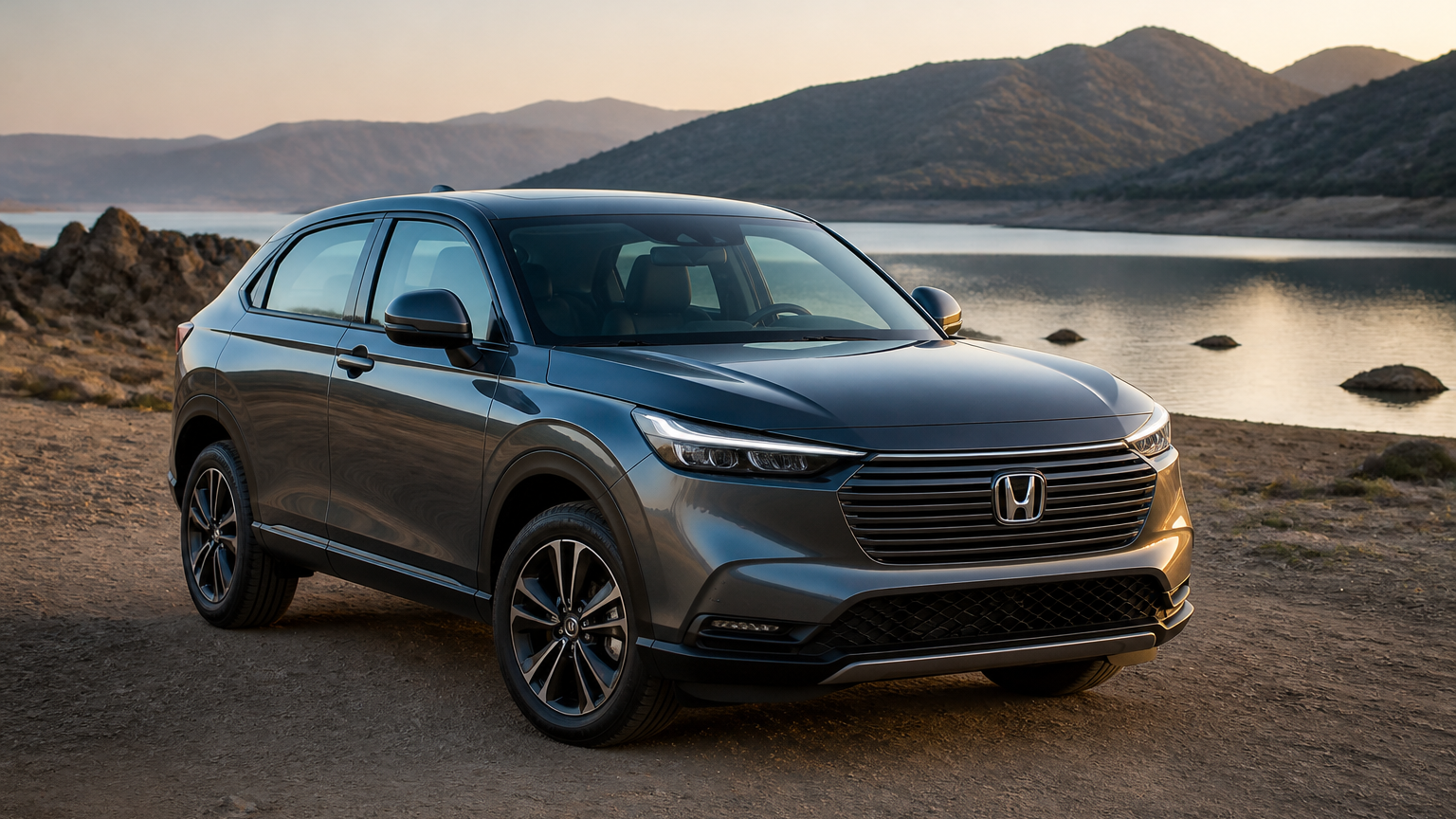
Honda HR-V Price Cut Up to Rs. 10.7 Lakh in Pakistan
Honda reportedly cuts HR-V prices in Pakistan by up to Rs. 10.7 lakh from Sept 25, 2026—but confirm the limited-time deal with a dealer.
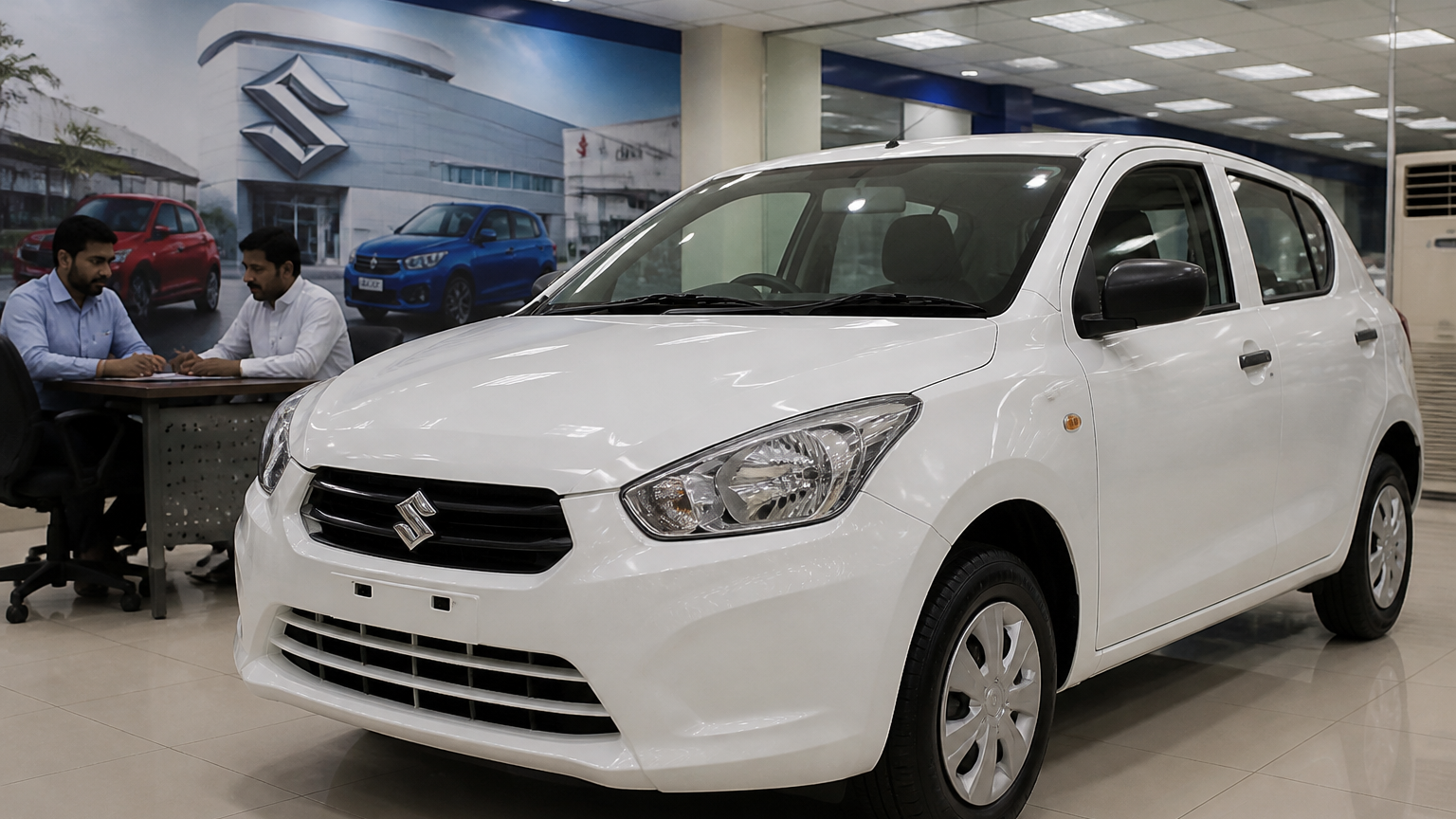
Pak Suzuki Adds NADRA Biometric Verification for Vehicle Deals
Buying a Suzuki? ICT confirms biometrics for vehicle transfers—but not a Pak Suzuki–NADRA dealership partnership. Know what’s actually verified.