Pakistan Fuel Prices February 2026: Petrol Drops Slightly, Diesel Rises Sharply
Fuel prices in Pakistan shift from February 1, 2026. Petrol sees a small drop of 36 paisa per litre, while high-speed diesel rises by up to Rs9.47. Kerosene and light diesel also increase. OGRA's summary goes to the Petroleum Division on January 31 for final approval. Rates last until February 15.
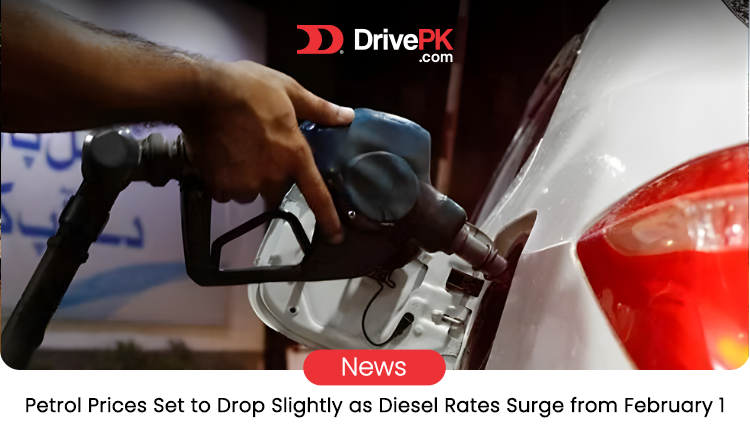
Table of Contents
- What's Happening with Petrol Prices?
- Diesel Prices Set to Climb
- Kerosene and Light Diesel Also Affected
- How the Process Works
- Impact on Everyday Life
- Broader Context: Fuel Pricing in Pakistan
- What Can You Do?
- Conclusion
Fuel costs touch everyone's lives here in Pakistan. From daily commutes to running businesses, these prices shape how we budget and plan. And now, another adjustment is on the way, starting February 1, 2026. Some fuels get cheaper, others more expensive. Let's break it down.
What's Happening with Petrol Prices?
Petrol might ease up a bit. Officials expect a drop of about 36 paisa per litre. That's not a huge cut, but every little bit helps when filling up your tank. If you're a driver in Lahore or Karachi, this could mean saving a few rupees on your next trip to the pump.
Why the change? It ties back to global oil trends and local factors. Crude oil prices have dipped slightly on the world market. Pakistan imports a lot of its fuel, so when international rates fall, we sometimes see relief at home. But don't count on big savings yet. This is just a minor tweak.
Last time around, in the previous fortnightly review, petrol stayed the same. Supply and demand looked steady then. Now, with fresh data, OGRA – the Oil and Gas Regulatory Authority, is suggesting this small reduction.
Diesel Prices Set to Climb
High-speed diesel tells a different story. It could go up by as much as Rs9.47 per litre. That's a noticeable jump. Truckers, farmers, and industries rely on diesel. This hike might push up transport costs, which could ripple into higher prices for goods like vegetables or building materials.
What's behind it?
Diesel often follows its own path due to demand from heavy vehicles and generators. Global supply issues or refinery adjustments play a role. In Pakistan, we balance imports with local production. If costs rise abroad, we feel it here.
Remember, the last review kept diesel unchanged, too. But markets shift fast. OGRA crunches numbers on imports, taxes, and exchange rates to set these figures.
Kerosene and Light Diesel Also Affected
Not just the big ones – kerosene and light diesel face increases too. Kerosene might rise by Rs3.69 per litre. Many rural homes use it for cooking and lighting. This uptick could strain budgets in villages where alternatives like gas aren't always available.
Light diesel? Expect a Rs6.95 per litre boost. It's used in some engines and industries. Not as common as petrol or diesel, but still important for certain sectors.
These changes stem from the same review process. OGRA looks at everything: global benchmarks, inland freight, and dealer margins.
How the Process Works
OGRA handles the calculations. They submit a summary to the Petroleum Division on January 31, 2026. Then, it goes to the Prime Minister for approval. Once signed off, new prices kick in from February 1 and run until February 15.
It's a fortnightly system – every 15 days, they reassess. This keeps things responsive to market swings. In the last cycle, no changes happened after weighing supply, demand, and trends. Stability was key then.
But why fortnightly? It helps avoid big shocks. Gradual adjustments make sense in a volatile world oil market.
Impact on Everyday Life
Think about your routine. A petrol dip might make weekend drives affordable. But diesel's rise? That could mean pricier bus fares or delivery fees. Businesses might pass on costs, affecting inflation.
In cities like Islamabad or Rawalpindi, where traffic is heavy, fuel bills add up. Rural areas feel the kerosene hikes more. And with winter lingering, heating needs could amplify the pinch.
Pakistan's economy is tied closely to energy. When fuel costs climb, manufacturing slows, or prices rise. A stable supply chain matters.
Broader Context: Fuel Pricing in Pakistan
Fuel isn't just about pumps. Taxes make up a chunk of GST, petroleum levy. The government uses these for revenue. Sometimes, they adjust levies to cushion blows.
Globally, oil prices fluctuate with geopolitics, like tensions in the Middle East or production cuts by OPEC. Pakistan, as an importer, rides those waves.
Locally, rupee strength against the dollar affects import bills. If the rupee weakens, fuel gets costlier.
Past patterns show mixed bags. Sometimes prices fall for months; other times, they spike. In 2025, we saw ups and downs tied to recovery from economic dips.
What Can You Do?
Stay informed. Check official announcements on February 1. Apps and news sites update quickly.
To save, consider efficient habits. Carpool, maintain your vehicle, or switch to public transport. For homes, look into solar options if kerosene costs bite.
Businesses might hedge by buying in bulk before hikes. But act smart, don't hoard.
Conclusion
These changes last two weeks. Next review could flip things. If global oil stabilizes, we might see relief.
OGRA aims for fairness, balancing consumer needs with fiscal realities. Watch for the Prime Minister's nod, that's the final step.
In the end, fuel prices reflect bigger forces. But understanding them helps us adapt. Keep an eye on updates, and plan accordingly.
This adjustment reminds us: energy security is key for Pakistan. Investing in alternatives like renewables could ease future pains. For more updates, visit DrivePK.com
Tags
Share this article
About the Author

Najeeb Khan
Automotive enthusiast and writer
Comments (0)
Login Required
You need to be logged in to comment on this article.
No comments yet. Be the first to share your thoughts!
Related Articles
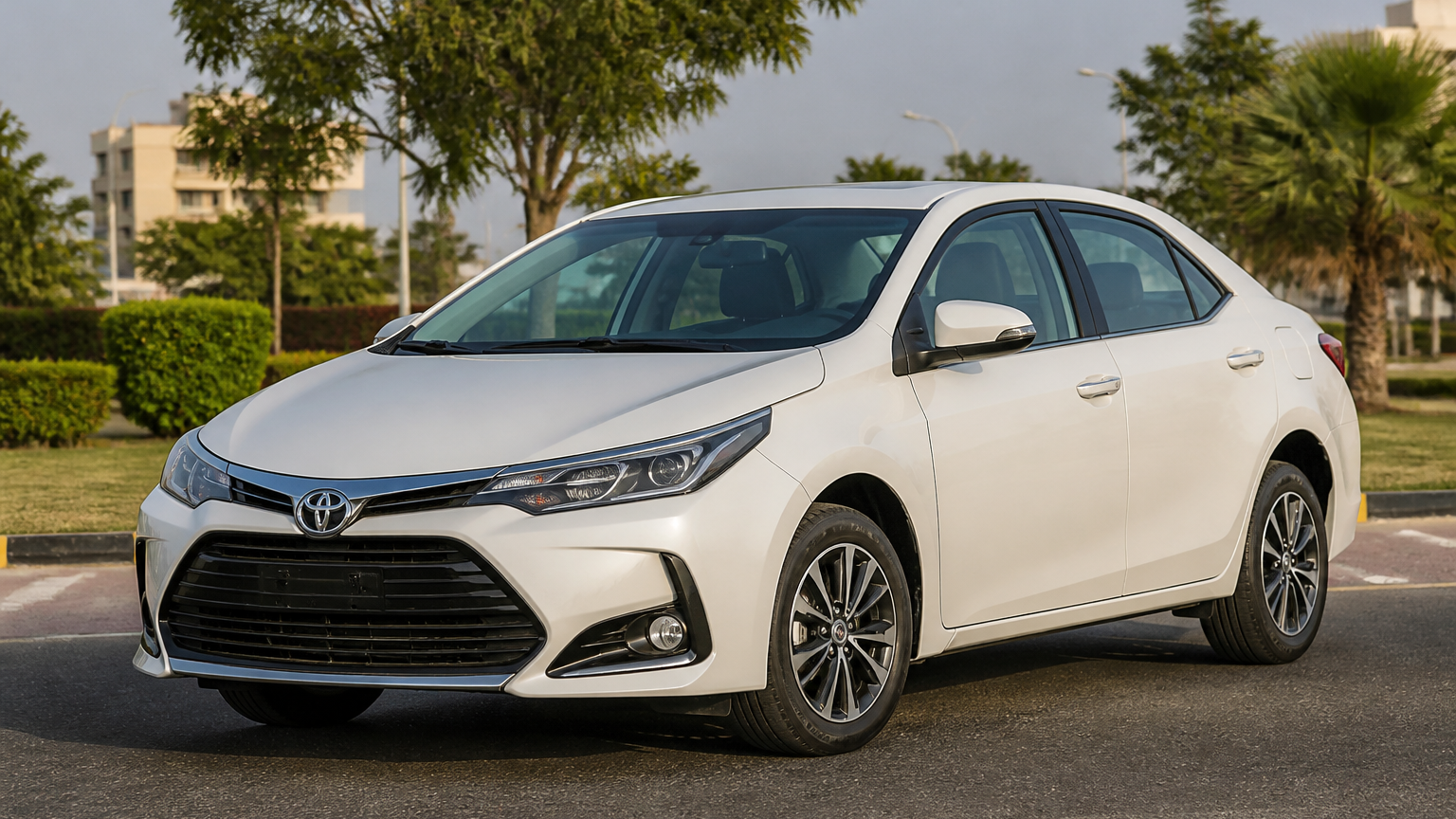
Toyota Corolla Discontinued Before Pakistan Facelift
Pakistan’s pre-facelift Toyota Corolla is reportedly discontinued, hinting at a facelift. Prices, bookings, specs and launch timing remain unconfirmed.
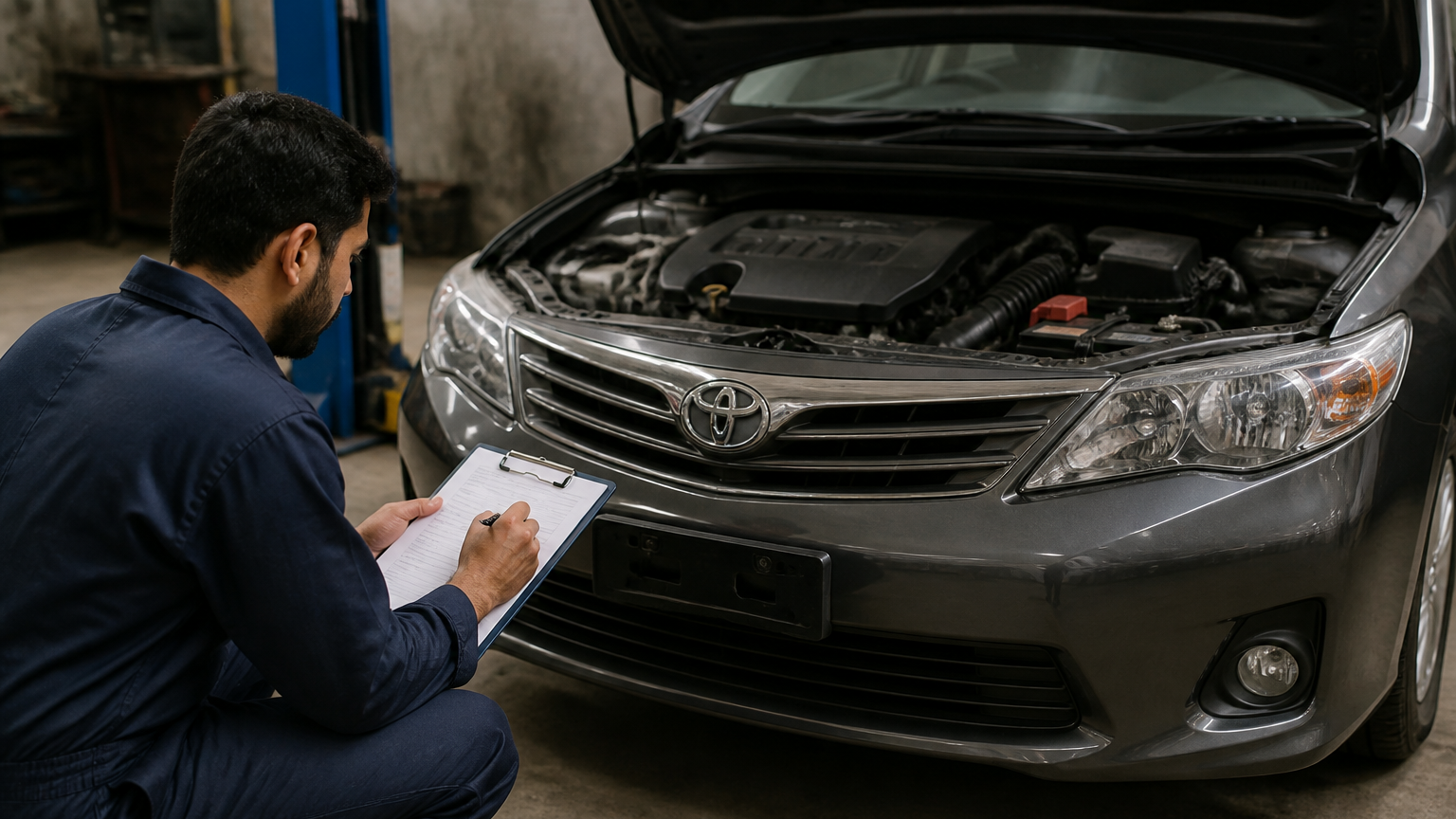
DrivePK Car Inspection Reports: Buy with Confidence
Buying a used car in Pakistan? A pre-purchase inspection can reveal hidden damage, engine issues and red flags before you pay—but it’s not enough alone.
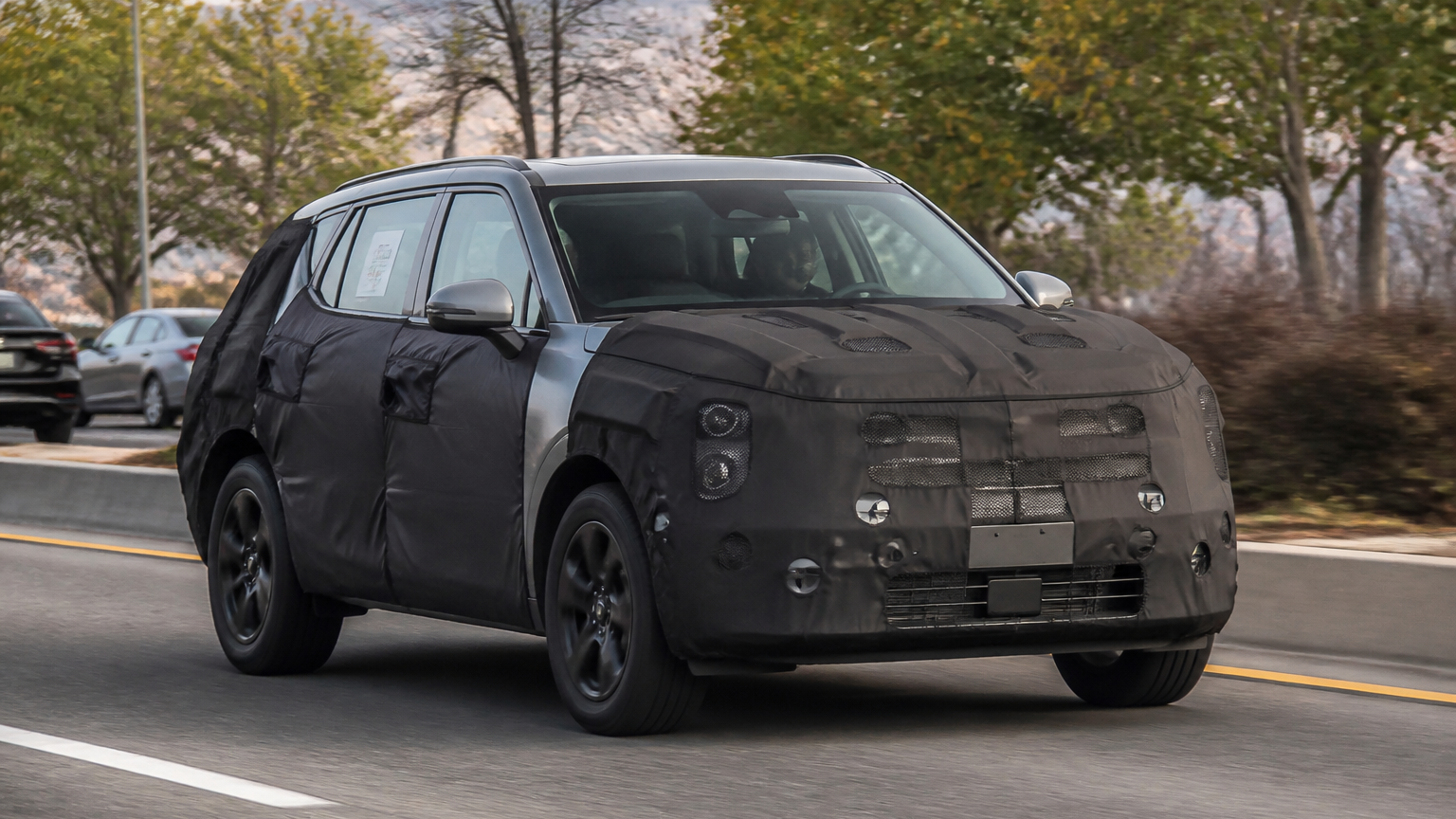
2028 Kia Sportage: Major Design Changes Spotted
Kia’s next Sportage may get a bolder, boxier redesign, with an upright profile, sharper lines, wider grille and split headlights hinted by spy shots.