Pakistan Fuel Price Shock: Petrol Hits Rs 458.41 and Diesel Rs 520.35
The government has sharply increased fuel prices in Pakistan. Petrol now costs Rs 458.41 per litre and high-speed diesel Rs 520.35 per litre. This hike hits transport fares and daily expenses hard. Bike and rickshaw riders may get limited subsidized petrol through a new mobile app. Here's what you need to know.
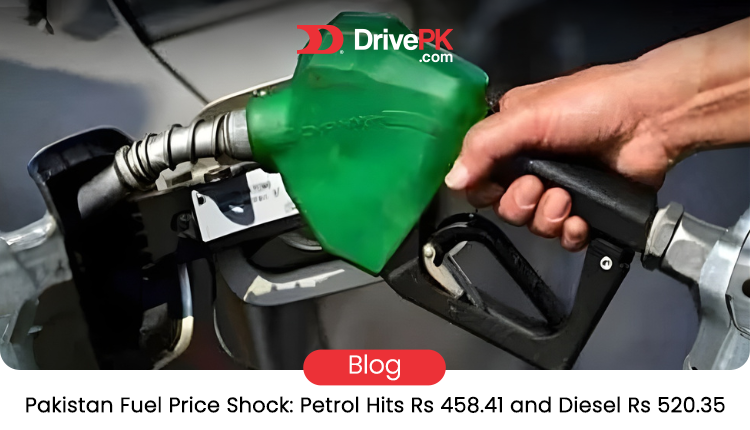
Table of Contents
- Why Did Fuel Prices Rise So Much?
- How This Affects Everyday Life in Pakistan
- Who Feels It the Most?
- Relief for Bike and Two-Wheeler Riders
- Tips to Manage Higher Fuel Costs
- What Happens Next?
The news came on April 2, 2026. The government raised petrol (MS) by Rs 137.24 to Rs 458.41 per litre. High-speed diesel (HSD) jumped by Rs 184.49 to Rs 520.35 per litre. This is one of the biggest single increases in recent years.
People woke up to the change on April 3. Long queues formed at petrol stations in cities like Islamabad, Lahore, and Karachi. Many filled up their tanks before the new rates kicked in fully.
Why Did Fuel Prices Rise So Much?
Global oil markets turned volatile. Tension in the Middle East pushed crude prices higher. Pakistan imports most of its oil, so international changes hit us quickly.
The government had been absorbing some of the cost earlier. But the gap grew too wide. Officials said they could not keep covering the full difference. They passed on a large part of the increase to keep the budget from getting worse.
Petrol rose about 43 percent in this step. Diesel went up nearly 55 percent. Kerosene and light diesel oil also saw adjustments, though smaller.
How This Affects Everyday Life in Pakistan
Transport is the first thing that feels the pinch. Most buses, trucks, and rickshaws run on diesel. Bike taxis and app-based rides use petrol.
Fares are already going up. Intercity bus tickets rose in previous smaller hikes by 15 to 25 percent. Expect more of the same now. A trip from Lahore to Islamabad or Karachi routes will cost noticeably more.
Goods transport will get costlier too. Trucks carry vegetables, fruits, and other essentials from farms to markets. Higher diesel prices mean traders pay more to move stuff. That extra cost usually lands on the customer.
Food prices can climb in the coming weeks. Milk, bread, eggs, and meat deliveries all depend on fuel. During Ramazan or any busy season, the pressure feels heavier.
Daily commuters face tough choices. Office workers, students, and laborers who travel by bike or public transport will spend more every day. Some may cut trips or look for carpool options.
Small businesses that deliver goods or offer pick-and-drop services will see their margins shrink. Many already run on thin profits.
Who Feels It the Most?
Low and middle-income families will struggle more. They spend a bigger share of their income on fuel and transport. A daily wage worker might see his travel cost eat into food money.
Farmers who use diesel for tube wells or tractors will pay extra for operations. This can affect crop costs later.
The ripple goes to inflation. Economists often link fuel hikes to broader price rises across the economy.
Relief for Bike and Two-Wheeler Riders
The government knows bikes are the main transport for millions of ordinary Pakistanis. Many families own a motorcycle for work and school runs. To ease the burden on them, officials are rolling out a targeted subsidy for two-wheelers and rickshaws.
This is not a blanket cheap petrol for everyone. It is a limited quota system to help low-income riders without wasting public money.
The plan uses a mobile app for transparency. It links the subsidy to your CNIC and vehicle registration. Four-wheelers are not included for now.
Here is how the bike fuel discount process works in simple steps:
- Download the official fuel subsidy app (name may be announced soon by the Ministry of Energy or IT).
- Register using your CNIC number and motorcycle registration details (number plate).
- Link your vehicle and verify your identity. The system checks eligibility, usually for bikes and three-wheelers.
- Once approved, you get a monthly quota report suggesting up to 20 litres of subsidized petrol per motorcycle.
- Open the app each time you need fuel. Generate a digital voucher or QR code for that trip.
- Go to a participating petrol pump (around 12,000 stations will have the system).
- Show the QR code to the attendant. They scan it with their app or device.
- The system checks your remaining quota in real time. It allows only the available amount at the lower subsidized rate.
- If you ask for more than your quota, you pay the full new market price for the extra litres.
- Track your usage in the app so you do not run out unexpectedly.
This digital method aims to stop misuse. No more manual forms or long waits at offices. Everything happens through the phone.
The exact subsidized price and final quota limits are still being finalized by the cabinet. But the focus is on making it fair and easy for genuine bike users.
Some provinces, like Khyber Pakhtunkhwa, have talked about their own bike relief packages in the past. Watch for updates if you live there.
Tips to Manage Higher Fuel Costs
Fill up wisely. Compare prices at different stations if small differences appear due to freight.
Maintain your bike or car properly. Good tuning and correct tyre pressure can save a few rupees per litre in the long run.
Plan your travel. Combine trips and avoid unnecessary rides.
Look for carpool or shared rickshaw options with colleagues or neighbours.
For businesses, review routes and loads to cut empty runs.
Keep an eye on government notifications. The app for the subsidy should launch soon, and more details will come.
What Happens Next?
Fuel prices in Pakistan are reviewed every two weeks. Another adjustment could come soon if global oil stays high. The government is also talking with provinces about sharing the subsidy load.
Many people worry that this hike will slow down economic activity. Higher transport costs can affect everything from factory goods to daily shopping.
But the targeted help for bikers shows the government is trying to protect the most common mode of transport for ordinary citizens.
Stay updated through official channels like the Petroleum Division or the OGRA website. Avoid rumours on social media about prices or subsidy rules.
This increase is painful for many families right now. Yet understanding the reasons and available relief options can help you plan better. If you ride a bike, get ready for the app process once it rolls out. It could save you some money each month on your limited quota.
The coming days will show how transporters and markets adjust. Keep your receipts and track your expenses. Small changes in habits often add up when costs rise across the board. For more updates, visit DrivePK.com
Tags
Share this article
About the Author

Najeeb Khan
Automotive enthusiast and writer
Comments (0)
Login Required
You need to be logged in to comment on this article.
No comments yet. Be the first to share your thoughts!
Related Articles
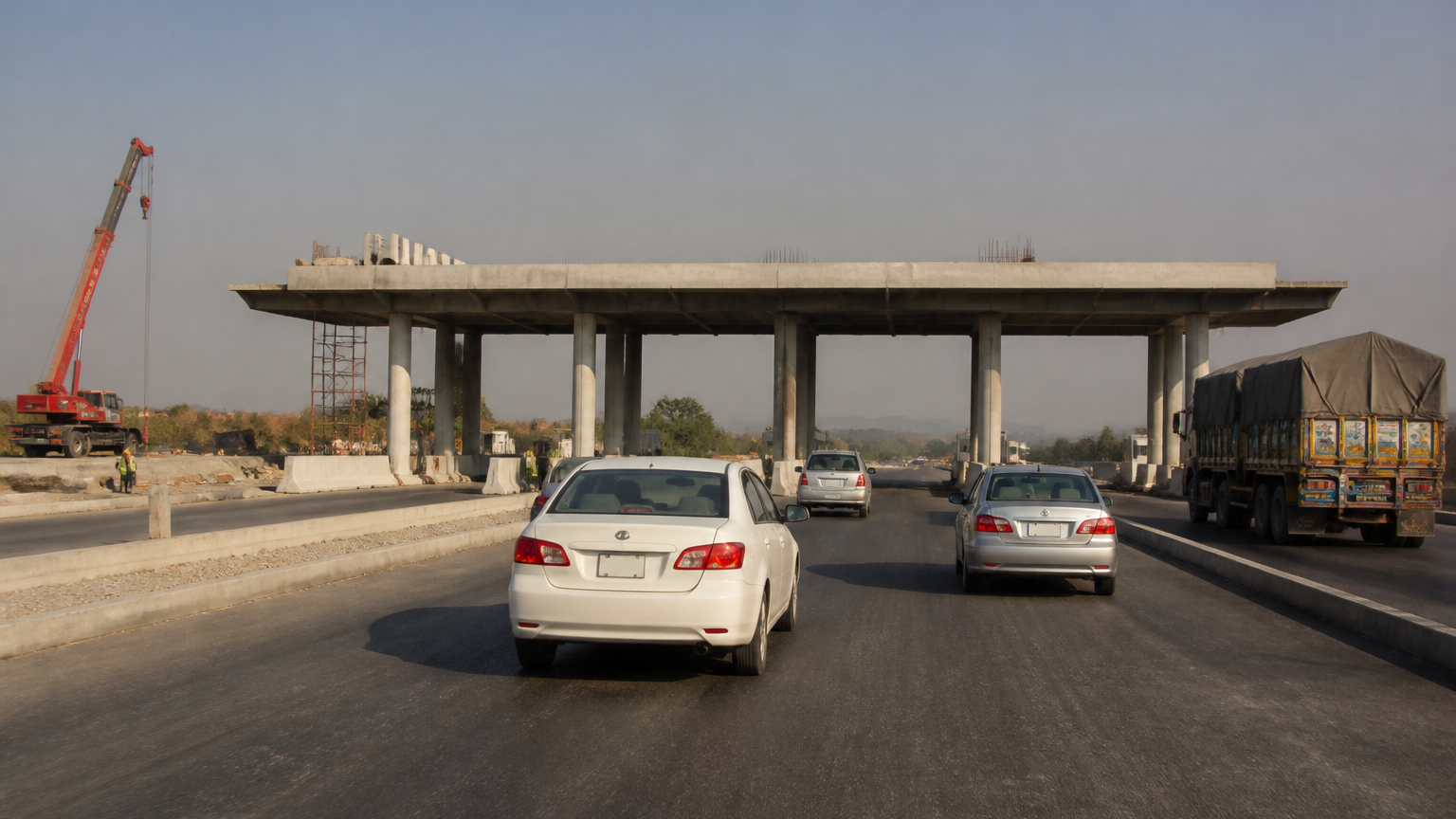
Rawalpindi Ring Road Opening Delayed by Toll Plaza Work
Rawalpindi Ring Road is structurally complete, but toll plazas and e-toll systems remain unfinished—delaying opening, toll rates and traffic relief.
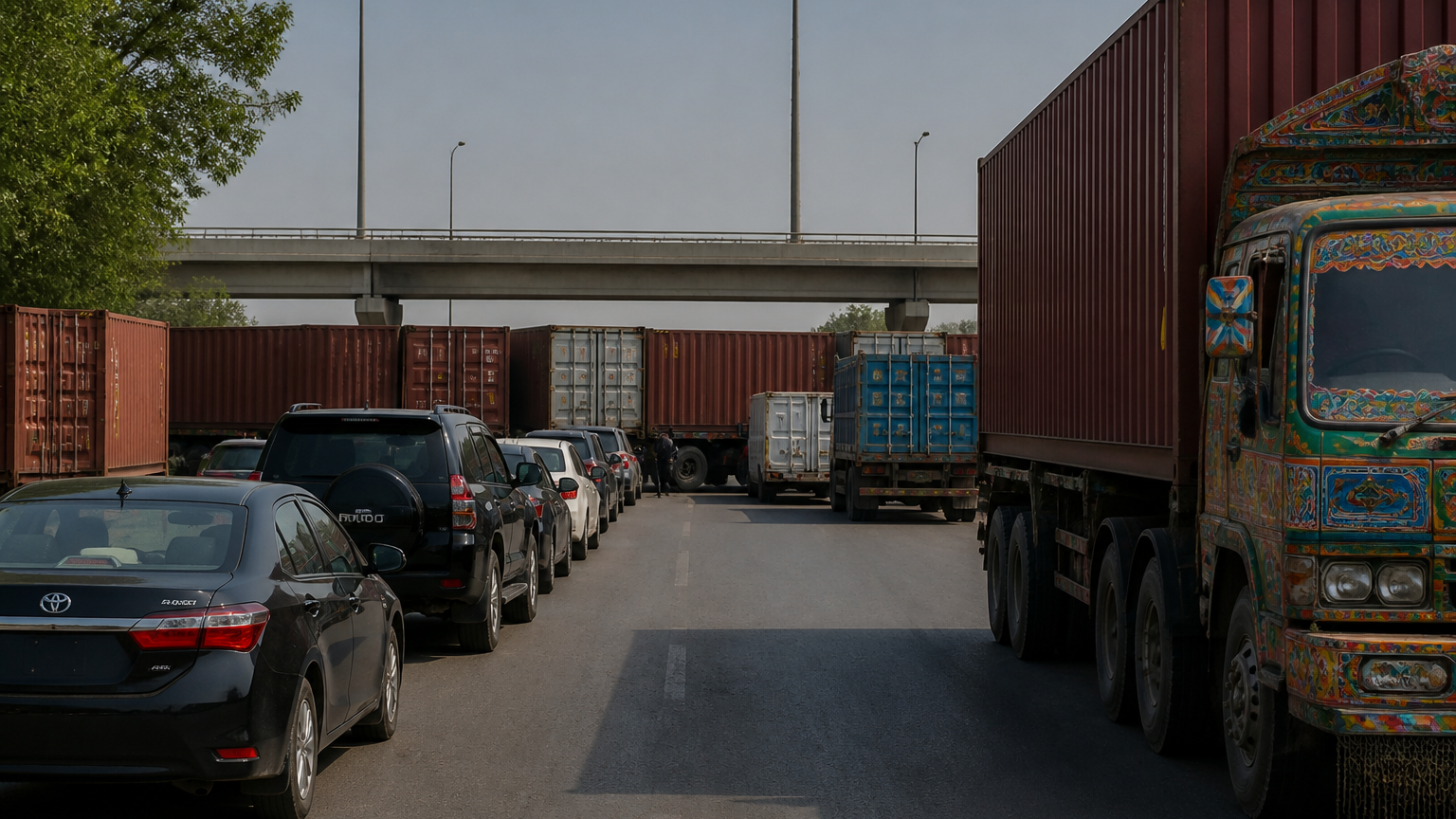
Islamabad Blockades Delay Karachi Freight Before PTI Protest
PTI’s Oct. 4 march may delay northbound freight from Karachi, affecting car parts, tyres and workshop supplies—but the scale remains unclear.
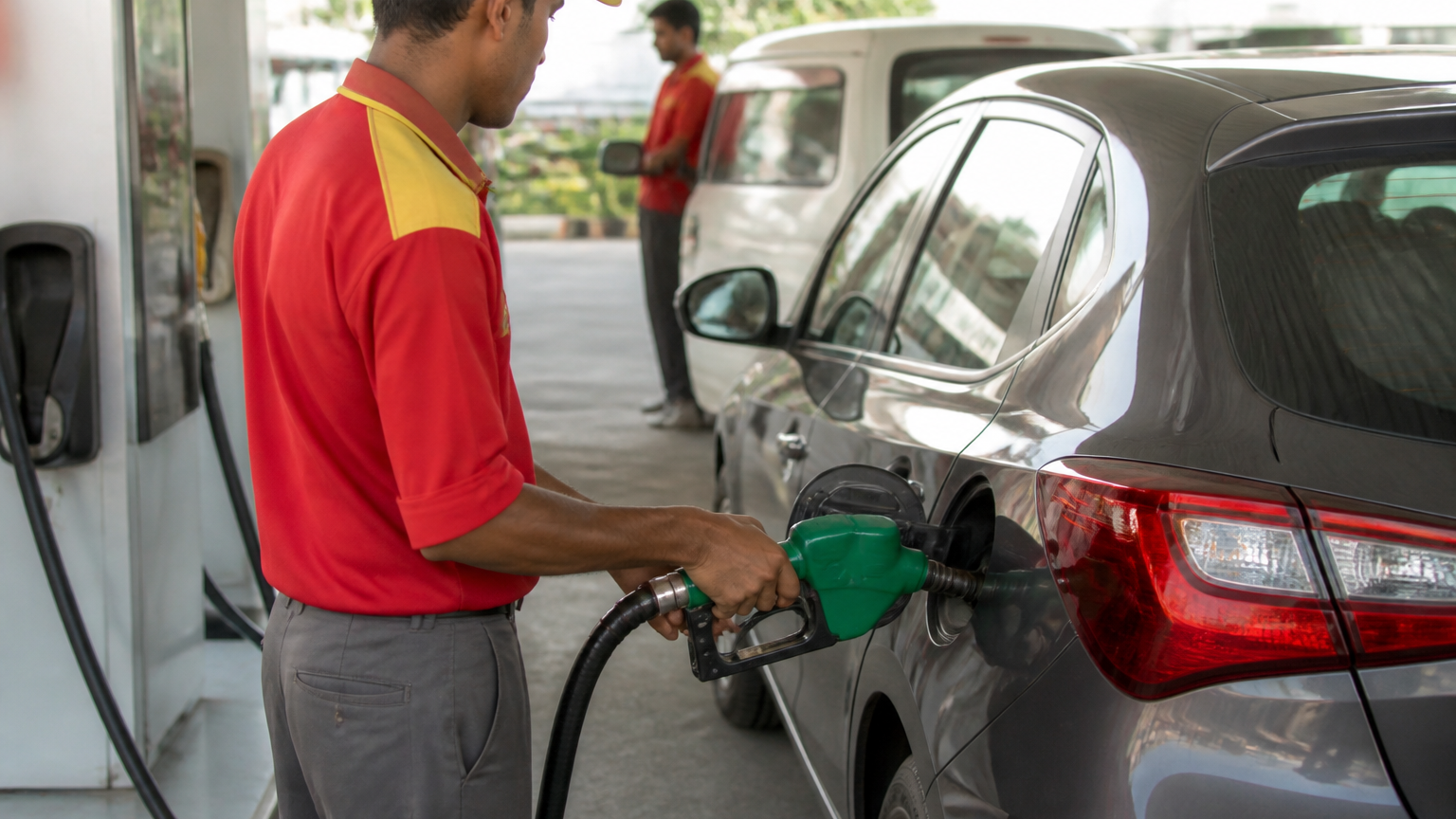
Oil Prices Near $100: Impact on Pakistan
Brent nears $100 after a sharp swing linked to China’s fuel-export curbs—but Pakistan’s petrol and diesel prices remain unchanged for now.