Pakistan Fuel Prices February 2026: Petrol Steady, Diesel Rises by Rs 11.30
The Pakistani government has announced fuel prices for the first half of February 2026. Petrol stays at Rs 253.17 per litre, giving some relief to drivers. But diesel rises by Rs 11.30 to Rs 268.38 per litre. This hike may push up costs for transport and essential goods, adding to inflation pressures.
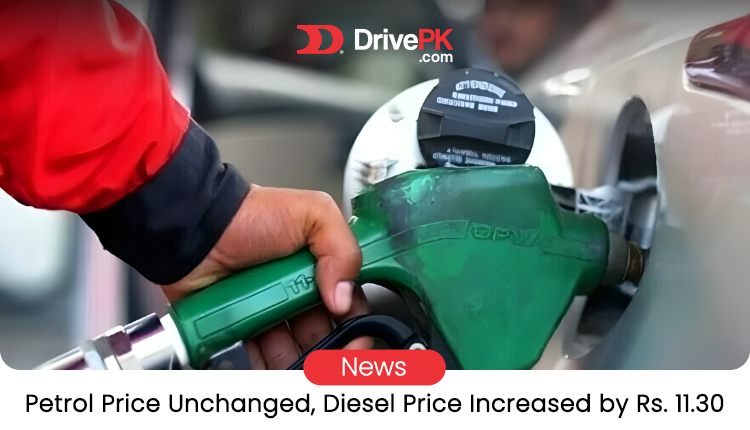
Table of Contents
- The New Prices at a Glance
- Why Did Prices Change This Way?
- How This Hits Your Wallet
- Broader Economic Effects
- Looking Back and Ahead
- Tips to Cope with Rising Costs
- Conclusion
Pakistan's fuel prices just got a tweak for the first two weeks of February 2026. Petrol holds steady, but diesel takes a jump. If you drive a car or ride a bike, you might breathe easy for now. But if you're in transport or farming, this could sting. Let's break it down step by step.
The New Prices at a Glance
Starting February 1, petrol stays at Rs 253.17 per litre. No change there. High-speed diesel, though, climbs Rs 11.30 to Rs 268.38 per litre. That's the word from the Petroleum Division, based on advice from the Oil and Gas Regulatory Authority (OGRA).
Why focus on these two? Petrol powers most personal vehicles like cars, motorcycles, and rickshaws. Diesel runs the heavy stuff: trucks, buses, trains, and farm equipment like tractors and tube wells. So, this split affects different parts of life.
Why Did Prices Change This Way?
Fuel prices in Pakistan aren't random. They tie to global oil markets, the rupee's value against the dollar, and local taxes. For this round, international crude oil prices edged up due to tensions in the Middle East. Diesel felt it more because of higher market spreads, basically, the extra costs in trading diesel.
Petrol got a pass. Its global prices dipped just enough to offset any hikes. But diesel? Not so lucky. OGRA crunched the numbers and suggested the increase, and the government followed suit.
And remember, this is a fortnightly review. Prices get checked every 15 days to match world trends. Last time, in mid-January, diesel actually dropped by Rs 14 per litre. So, this hike reverses some of that relief.
How This Hits Your Wallet
For everyday folks, petrol's stability is good news. If you fill up your bike or car, the costs stay the same. That helps middle-class families who rely on two-wheelers or small vehicles for work and errands.
But diesel's rise? That's tougher. It fuels public transport and goods delivery. Bus fares might go up. Truckers hauling veggies, fruits, and other basics could charge more to cover fuel. Result? Higher prices at the market for food and essentials.
Farmers feel it too. Diesel powers tractors and irrigation pumps. A hike means higher costs to grow and harvest crops. That could trickle down to pricier rice, wheat, and veggies later on.
Broader Economic Effects
Diesel hikes often spark inflation. Why? Transport costs rise, and everything moves by truck or train in Pakistan. From factory goods to farm produce, higher fuel means higher prices across the board.
This comes at a tricky time. Pakistan's economy is dealing with rupee fluctuations and global oil swings. Inflation was already a worry, and this could add fuel to the fire, pun intended.
On the flip side, keeping petrol steady might ease some pressure on urban households. But overall, the transport and logistics sectors bear the brunt. Freight charges could climb, affecting businesses big and small.
Government taxes play a role here, too. Petroleum levy helps fund the budget, but it adds to the final price. Sometimes, they adjust taxes to soften hikes, but not this time for diesel.
Looking Back and Ahead
Fuel prices have swung a lot lately. Early 2026 saw cuts: petrol down Rs 10.28, diesel down more. That was welcome after high prices last year. But global events like wars or supply issues keep things unpredictable.
What's next? The next review hits mid-February. If oil prices drop, we might see relief. But if tensions rise, expect more ups.
For now, track international crude. Brent oil hovered around $70-80 per barrel recently, influencing our rates.
Tips to Cope with Rising Costs
Can't change the prices, but you can adapt. For drivers: Maintain your vehicle with good tyres and tune-ups, save fuel. Carpool or use public transport when possible.
Farmers and businesses: Look into efficient machinery or bulk buying fuel. Government subsidies for agriculture might help in some areas.
And everyone: Shop smart. Buy local produce to cut transport costs in the chain.
Conclusion
This fuel update mixes relief and concern. Petrol users dodge a bullet, but diesel's hike could ripple through the economy. It shows how tied we are to global oil. Stay informed, prices change fast.
If you're affected, share your thoughts. How does this hit your budget? Let's keep the conversation going.For more updates, visit DrivePK.com
Tags
Share this article
About the Author

Najeeb Khan
Automotive enthusiast and writer
Comments (0)
Login Required
You need to be logged in to comment on this article.
No comments yet. Be the first to share your thoughts!
Related Articles
Pak Suzuki Adds NADRA Biometric Verification for Vehicle Deals
Buying a Suzuki? ICT confirms biometrics for vehicle transfers—but not a Pak Suzuki–NADRA dealership partnership. Know what’s actually verified.
Lahore Canal Road Qingqi Rickshaw Ban Explained
Lahore traffic police clarify: no new citywide rickshaw ban—Qingqis and loaders are already barred from Canal Road to ease congestion.
Super Star EV Scooters Price in Pakistan: 8 Models
Super Star now offers 8 EV scooters in Pakistan, priced Rs110,000–270,000—from affordable city rides to longer-range lithium models.