Pakistan Hybrid Cars Face Tax Uncertainty After June 2026
The end of reduced sales tax on hybrids has created chaos in Pakistan’s auto market. Production stopped, prices jumped, and everyone is waiting for clarity from the government. Here’s what’s happening and why it matters to everyday drivers.
Table of Contents
- Why Hybrids Caught On in Pakistan
- What Changed on July 1, 2026
- The Ripple Effects Across the Sector
- The Bigger Picture: Fuel Savings, Environment, and Economy
- What Should You Do If You’re in the Market?
- Looking Ahead: Hope for Clear Policy
- Why This Matters to Ordinary Pakistanis
If you’ve been eyeing a hybrid car to cut down on fuel costs, the timing couldn’t feel worse. As of early July 2026, many automakers in Pakistan have paused production and deliveries of hybrid electric vehicles (HEVs) and plug-in hybrids (PHEVs). The reason? The reduced sales tax concession expired on June 30, and no one knows exactly what rate applies now.
This isn’t just paperwork trouble. It affects real people, families planning to buy a more efficient car, factory workers wondering about their shifts, and dealers trying to keep their businesses running.
Why Hybrids Caught On in Pakistan
Pakistan’s roads run on expensive fuel. Petrol prices have stayed high for years, pushing many drivers toward hybrids. These cars blend a petrol engine with an electric motor, giving better mileage without the full jump to pure electric vehicles that need better charging infrastructure.
Models like the Toyota Corolla Cross Hybrid, Honda hybrids, and others from local assemblers gained steady popularity. They offered noticeable savings at the pump and smoother driving in city traffic. For many middle-class families, a hybrid felt like a practical step toward lower running costs and less pollution.
The previous auto policy (2021-2026) supported this shift with lower sales tax rates around 8.5% for many HEVs. That made them more reachable compared to the standard rates.
What Changed on July 1, 2026
The concession ended with the fiscal year. In the FY27 budget, hybrids moved under the regular sales tax framework, which defaults to 25%. Some reports mention a possible 18% rate under the upcoming policy, but nothing is confirmed yet.
Automakers face a tough spot. Should they charge the old low rate and risk a tax bill later? Apply 25% and lose customers? Or wait it out? Many chose to halt invoicing and production to avoid disputes. This started right after July 1, causing delivery delays across the board.
Toyota and Honda have already adjusted prices upward on several hybrid models. Increases of hundreds of thousands of rupees, sometimes over a million, have been reported on popular variants.
The Ripple Effects Across the Sector
This uncertainty doesn’t stop at showrooms. The auto industry supports a huge network of vendors supplying parts, transporters moving vehicles, and factory workers assembling them.
Pakistan’s automobile sector contributes significantly to the economy, with estimates around 2-7% of GDP depending on the source and including indirect effects. It employs millions directly and indirectly.
When production slows, everyone feels it. Workers may see reduced hours. Suppliers hold inventory they can’t move easily. Dealers struggle with empty lots and frustrated customers.
Buyers who booked hybrids months ago now face delays and higher final prices. Some are reconsidering altogether, shifting back to regular petrol cars or waiting it out.
The Bigger Picture: Fuel Savings, Environment, and Economy
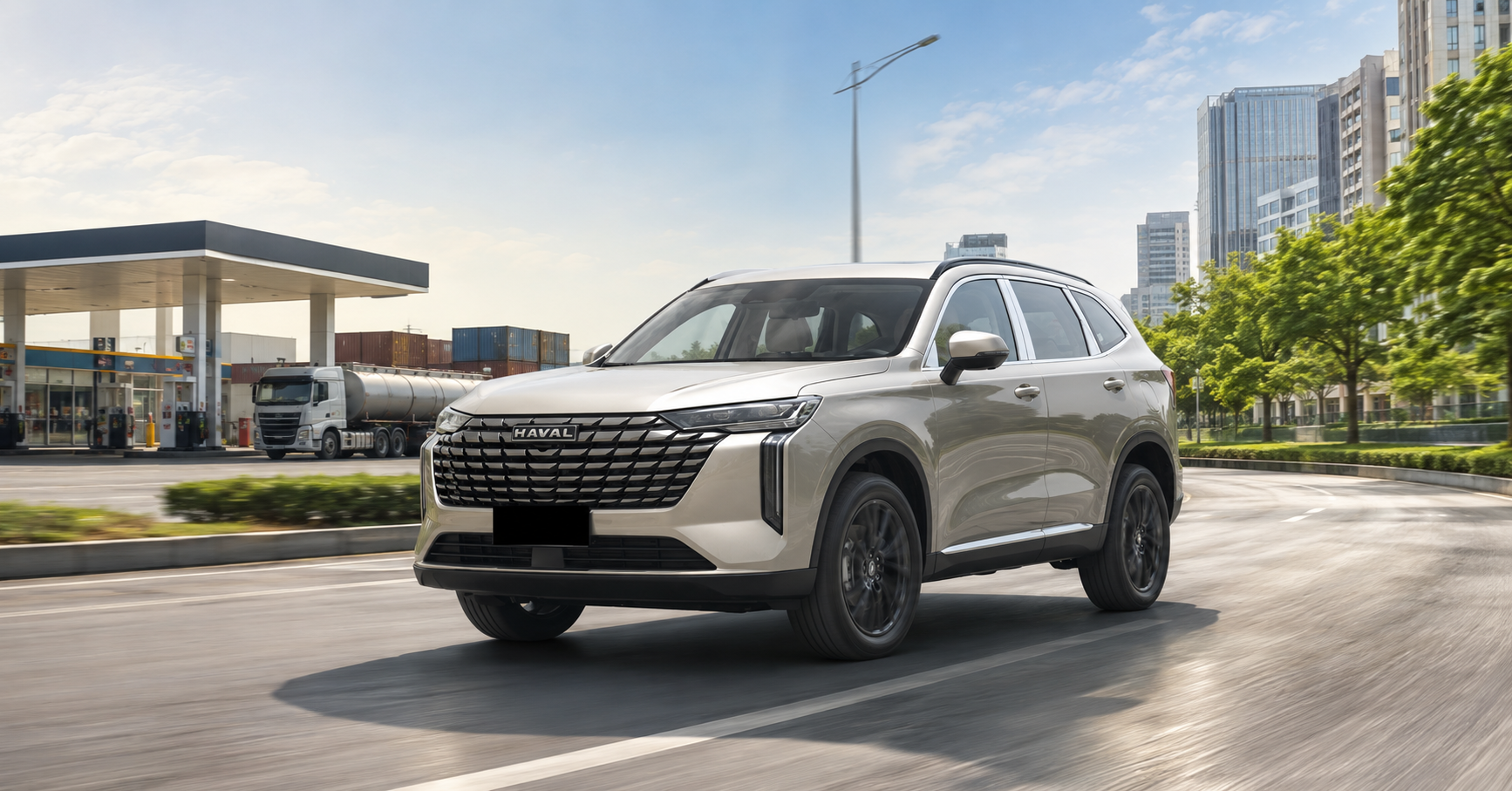
Hybrids matter here because they deliver real benefits. Studies generally show hybrids can improve fuel economy by 25-40% over similar conventional cars, cutting fuel use and emissions.
In Pakistan’s context, with high fuel imports, every liter saved helps the balance of payments. Lower emissions also ease air quality issues in big cities like Lahore and Karachi.
The previous incentives helped grow hybrid adoption. Reversing that momentum suddenly risks stalling progress toward cleaner transport. The government has said a new Auto Policy 2026-31 is coming, possibly in August. Industry voices are pushing for a balanced rate, maybe around 18%, to keep hybrids viable.
What Should You Do If You’re in the Market?
If you need a car soon, weigh your options carefully. Here are practical points:
- Check current prices: Contact dealers for the latest quotes. Some hikes are already in effect.
- Consider timing: Waiting a few weeks might bring clarity once the new policy drops. But if you need a vehicle now, factor in the higher cost.
- Fuel math: Run the numbers. Even with a higher upfront price, long-term savings on petrol can add up, especially if you drive a lot.
- Explore alternatives: Look at available stock before further changes. Some non-hybrid efficient models might make sense temporarily.
For those already waiting on deliveries, stay in touch with your dealer. Things are moving slowly right now.
Looking Ahead: Hope for Clear Policy
The auto industry has asked for continued support for greener vehicles. A smart new policy could balance revenue needs with growth in fuel-efficient tech. Pakistan has the manufacturing base; what it needs is predictable rules.
The delay in announcing the full 2026-31 policy adds to the frustration. But August is not far off. Many expect incentives that recognize hybrids as a bridge technology while EV infrastructure catches up.
In the meantime, the market is watching every government signal. Price adjustments, production restarts, and buyer confidence all depend on clear communication.
Why This Matters to Ordinary Pakistanis
High car prices already stretch budgets. Adding tax confusion makes it harder for families to plan. At the same time, the industry’s health affects jobs in many towns.
A stable policy that keeps hybrids accessible would support multiple goals: lower fuel imports, cleaner air, and continued industrial activity. Everyone wins when rules are fair and predictable.
The coming weeks will tell a lot. For now, the hybrid market sits in limbo. Buyers feel the pinch, workers worry, and manufacturers hold their breath.
If you’re thinking about a hybrid, stay informed. Follow reliable auto news sources and talk to dealers. The situation is fluid, but the demand for better mileage won’t disappear.
Pakistan’s road to cleaner, more efficient transport hit a speed bump. With the right steps in the new policy, it can get back on track. In the end, clear rules and realistic incentives will decide whether hybrids remain a smart choice for Pakistani drivers. For more updates, visit DrivePK.com
Tags
Share this article
About the Author

Najeeb Khan
Automotive enthusiast and writer
Comments (0)
Login Required
You need to be logged in to comment on this article.
No comments yet. Be the first to share your thoughts!
Related Articles
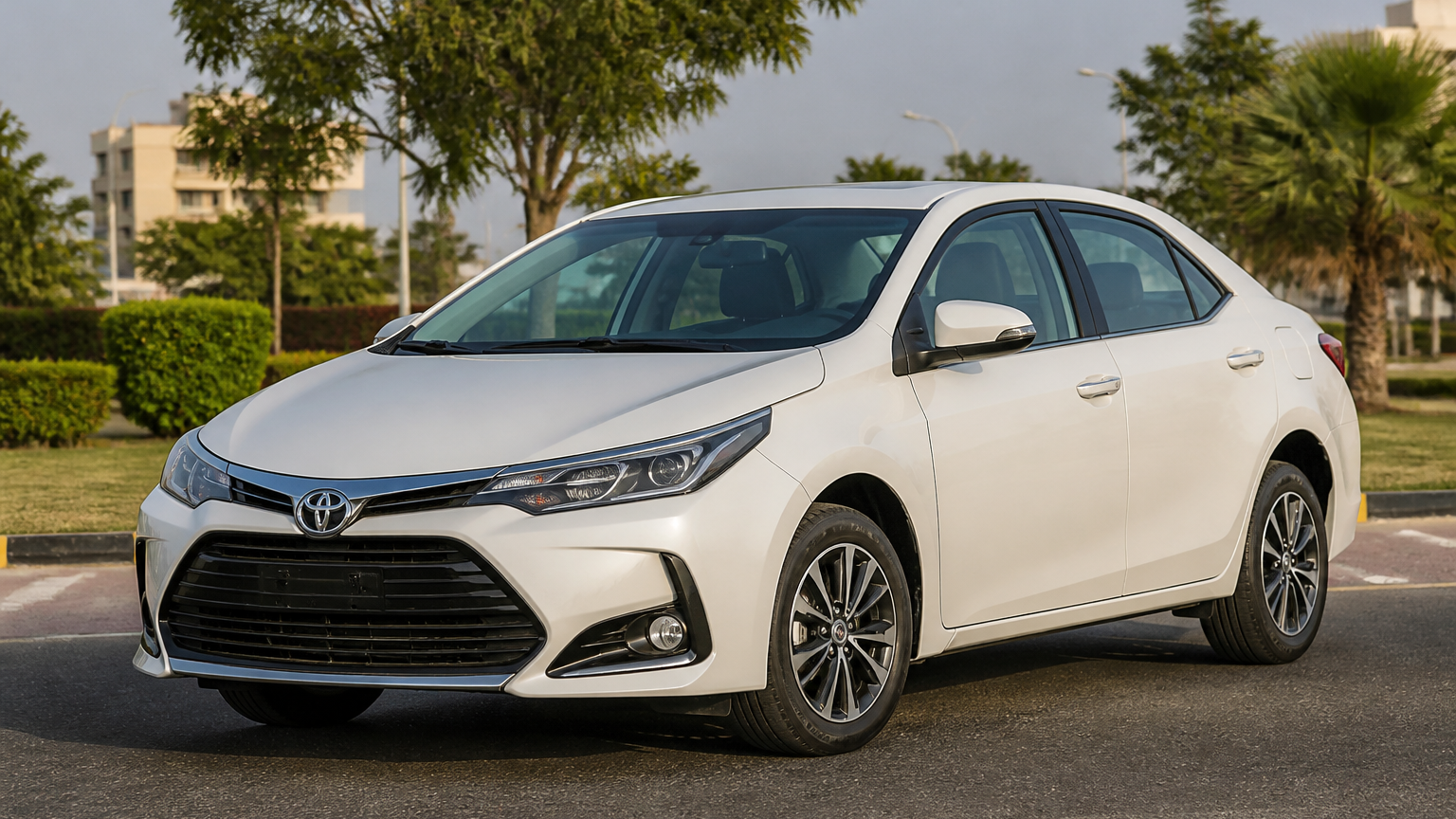
Toyota Corolla Discontinued Before Pakistan Facelift
Pakistan’s pre-facelift Toyota Corolla is reportedly discontinued, hinting at a facelift. Prices, bookings, specs and launch timing remain unconfirmed.
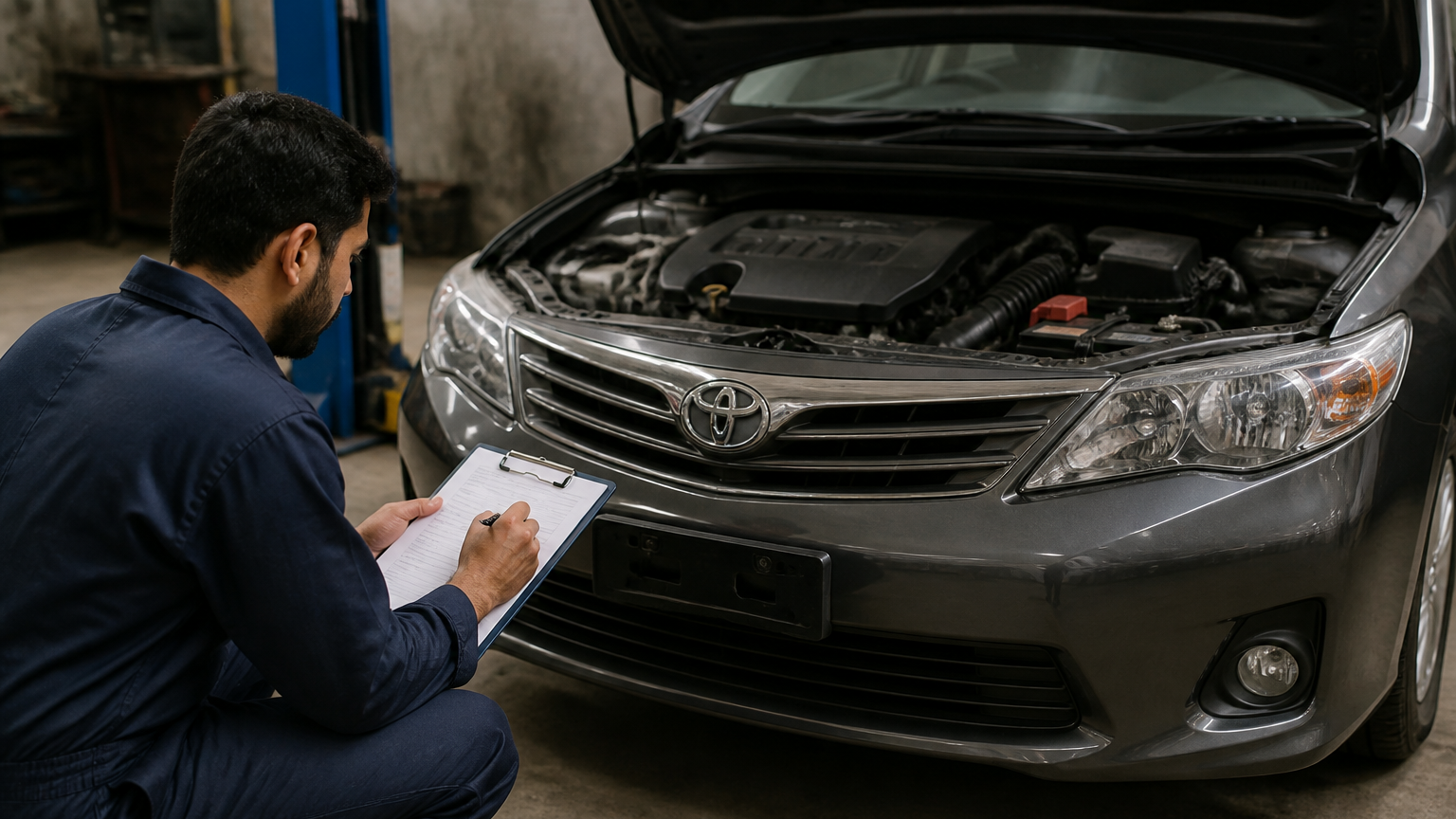
DrivePK Car Inspection Reports: Buy with Confidence
Buying a used car in Pakistan? A pre-purchase inspection can reveal hidden damage, engine issues and red flags before you pay—but it’s not enough alone.
2028 Kia Sportage: Major Design Changes Spotted
Kia’s next Sportage may get a bolder, boxier redesign, with an upright profile, sharper lines, wider grille and split headlights hinted by spy shots.