Pakistan Hybrid Cars Now Face 25% Sales Tax: What It Means
The reduced sales tax on hybrid vehicles ended on June 30, 2026. Many popular models now face up to 25% tax. This change hits buyers hard and raises questions about Pakistan's green transport goals.
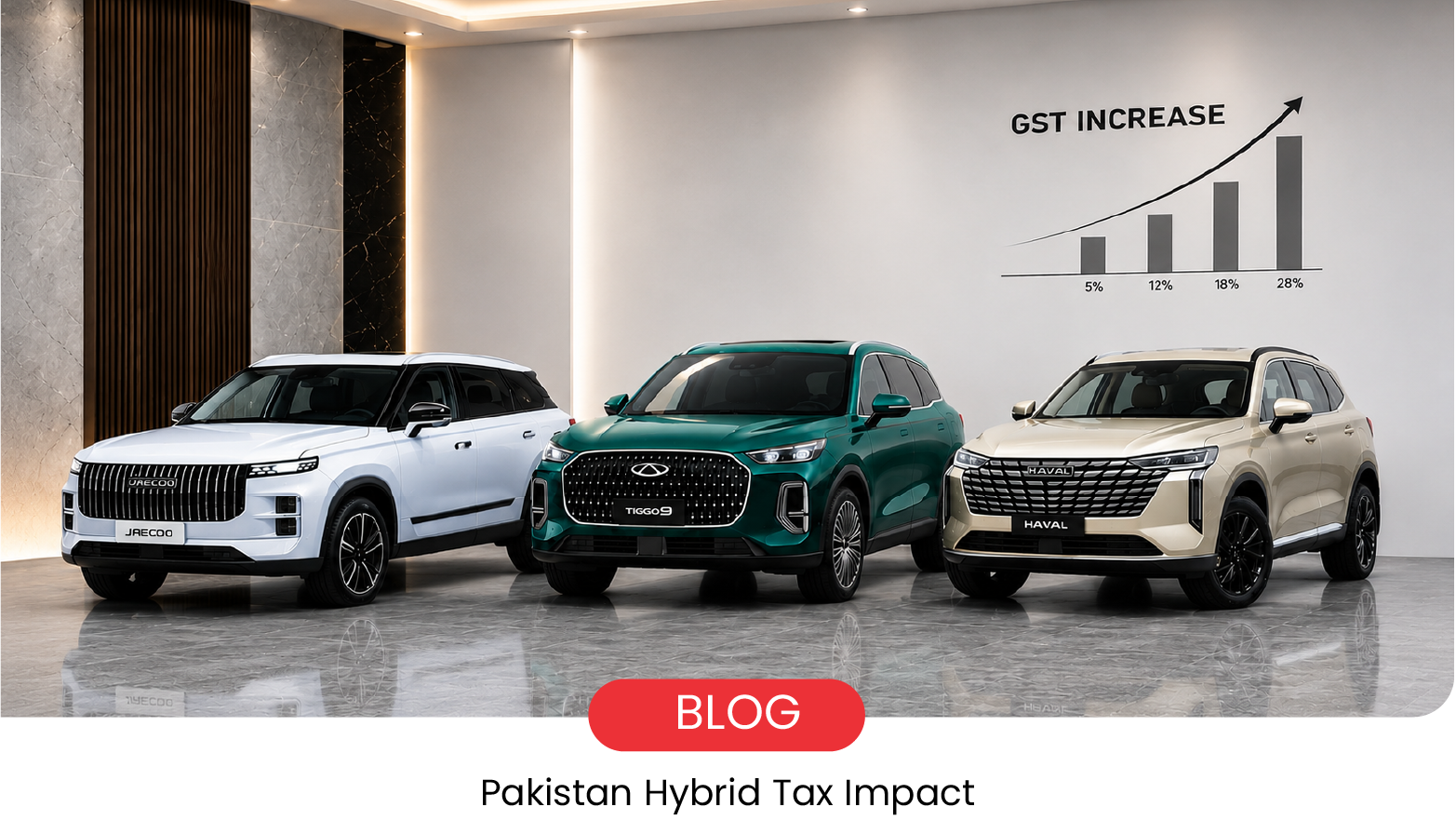
Table of Contents
- What Changed on July 1
- Price Impact on Popular Models
- Year-by-Year Tax Comparison
- How This Affects the Auto Industry
- Effects on Buying Capacity and Everyday Pakistanis
- Broader Market and Environmental Angle
- What Buyers Should Do Now
- Industry Ripple Effects
- Looking Ahead
You plan to buy a fuel-efficient car. You look at hybrids because petrol prices hurt your wallet every month. Then you hear the news. The tax concession expired. Your dream car now costs a lot more. Many Pakistanis face this situation right now.
The change came on July 1, 2026. Reduced rates for locally assembled hybrids disappeared. Automakers paused invoicing while they wait for clear rules. This shift affects families, fleet buyers, and anyone watching their fuel budget.
What Changed on July 1
Before July, hybrids enjoyed a lower sales tax rate. Models with engines up to 1800cc paid 8.5%. Larger ones paid 12.75%. Some reports mention even lower effective rates or exemptions in certain cases. Now most fall under the standard 25% regime.
No extension came in the Finance Act for FY2026-27. The Auto Industry Development and Export Policy (AIDEP 2021-2026) ended. Officials moved hybrids to the regular tax schedule. This creates uncertainty across the market.
Several companies reportedly stopped issuing invoices. They want official clarification. Buyers who placed bookings wonder about final prices. The situation feels messy for everyone involved.
Price Impact on Popular Models
Experts estimate increases of Rs 1 million to Rs 2.5 million depending on the model and engine size. Think about a Toyota Corolla Cross Hybrid or Honda models. The extra tax adds up fast on the base price.
Brands affected include Toyota, Honda, Hyundai, Kia, Haval, MG, Jaecoo, Chery, and Jetour. Both locally assembled and imported hybrids feel the pinch. Plug-in hybrids (PHEVs) also lost favorable treatment in many cases.
Middle-class buyers who chose hybrids for lower running costs now rethink their options. A Rs 1 million jump changes monthly installments and overall affordability.
Year-by-Year Tax Comparison
- 2021-2025 (AIDEP period): Reduced rates encouraged adoption. 8.5% for smaller hybrids, 12.75% for larger. Some EV-related benefits overlapped. Market saw growing interest in hybrids.
- Until June 30, 2026: Concessions continued until the sunset date. Sales grew as buyers responded to fuel savings.
- From July 1, 2026: Standard 25% sales tax applies. Some reports note 18% in certain brackets, but the effective shift lands many at higher rates. No new policy confirmed yet.
This table shows a clear jump. The policy favored greener options for five years. Now the incentive vanishes without immediate replacement.
How This Affects the Auto Industry
Pakistan's auto sector employs many people and contributes to the economy. Hybrids helped manufacturers meet demand for efficient vehicles. The tax change may slow sales in the short term. Factories might adjust production. Dealers face uncertain orders.
Some companies already paused activities. They wait for government signals on the next auto policy. This hesitation ripples through suppliers and workers. Long-term, it could push buyers toward cheaper non-hybrid options or delay purchases.
The industry pushed for continuity to support localization and technology transfer. Without clear direction, investment in hybrid assembly lines might slow.
Effects on Buying Capacity and Everyday Pakistanis
Fuel prices stay high. Many families switched to hybrids to save on petrol. Now the upfront cost rises sharply. This hurts buying capacity, especially in cities where commuting eats into budgets.
Middle-income buyers who stretched for a hybrid face tough choices. Some may settle for older models or non-hybrids. Others delay buying altogether. This affects overall vehicle sales and related businesses like insurance and accessories.
On the positive side, it might push the government toward a new policy that balances revenue and environmental goals. But right now, confusion dominates.
Broader Market and Environmental Angle
Pakistan works toward cleaner transport. Hybrids bridge the gap until full EVs become practical. Higher taxes could slow this shift. Air quality in big cities remains a concern. Fewer hybrids mean continued reliance on regular petrol cars.
Globally, many countries keep incentives for hybrids and EVs. Pakistan's move goes the other way, at least temporarily. Buyers who care about fuel efficiency and lower emissions feel disappointed.
Import numbers and local assembly plans may change. Some brands might focus more on petrol models while the situation settles.
What Buyers Should Do Now
Check with dealers for exact pricing on specific models. Some may absorb part of the cost or offer promotions. Compare total ownership costs – tax hit versus future fuel savings.
Consider waiting a few weeks if possible. Clarification or adjustments might come. Look at non-hybrid alternatives in your budget. Test drive options to see real differences.
If you already booked a hybrid, contact the dealership for updates. Stay informed through reliable sources as the new auto policy develops.
Industry Ripple Effects
The sudden tax change hits Pakistan's auto industry at a sensitive time. After years of policy support for hybrids, the jump to 25% sales tax reduces demand and pressures manufacturers to adjust pricing or production. This affects jobs in assembly plants, parts suppliers, and showrooms. It also influences buying capacity as higher prices put hybrids out of reach for many middle-class families who relied on them for better mileage. Without a clear follow-up policy, the sector faces uncertainty that could slow investment in greener technologies and impact overall economic contributions from auto manufacturing.
Looking Ahead
The government needs revenue. But sudden changes create shocks. A balanced new auto policy could restore direction. It should consider fuel savings, local manufacturing, and environmental targets.
For now, the market adapts. Buyers weigh options carefully. Automakers seek dialogue with policymakers. The coming months will show how this plays out.
Hybrid technology still offers real benefits in Pakistan's context. Higher taxes make the decision harder, but informed buyers can still find value. Keep an eye on updates. Your next car choice matters more than ever with these shifts.
For more updates, visit DrivePK.com
Tags
Share this article
About the Author

Najeeb Khan
Automotive enthusiast and writer
Comments (0)
Login Required
You need to be logged in to comment on this article.
No comments yet. Be the first to share your thoughts!
Related Articles
Toyota Corolla Discontinued Before Pakistan Facelift
Pakistan’s pre-facelift Toyota Corolla is reportedly discontinued, hinting at a facelift. Prices, bookings, specs and launch timing remain unconfirmed.
DrivePK Car Inspection Reports: Buy with Confidence
Buying a used car in Pakistan? A pre-purchase inspection can reveal hidden damage, engine issues and red flags before you pay—but it’s not enough alone.
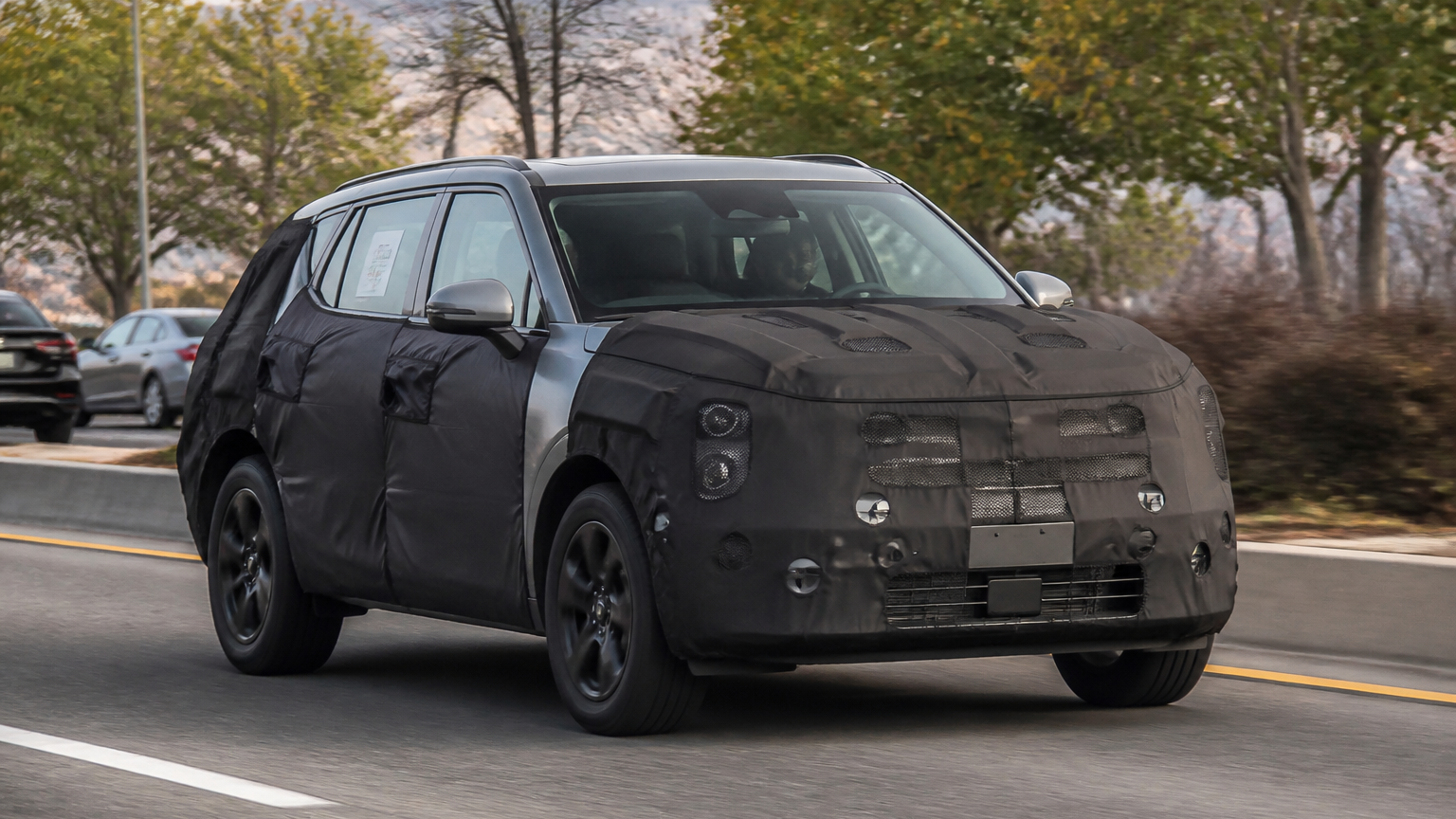
2028 Kia Sportage: Major Design Changes Spotted
Kia’s next Sportage may get a bolder, boxier redesign, with an upright profile, sharper lines, wider grille and split headlights hinted by spy shots.