Pakistan Railways Hits Record Rs115 Billion Revenue in FY2025-26
Pakistan Railways just posted its best-ever annual revenue of Rs115.16 billion in FY2025-26. That's a solid 24% jump from last year. Passenger and freight segments both grew, but the system is still running at a loss. This piece looks at what drove the gains, why losses persist, and what comes next for one of Pakistan's oldest institutions.
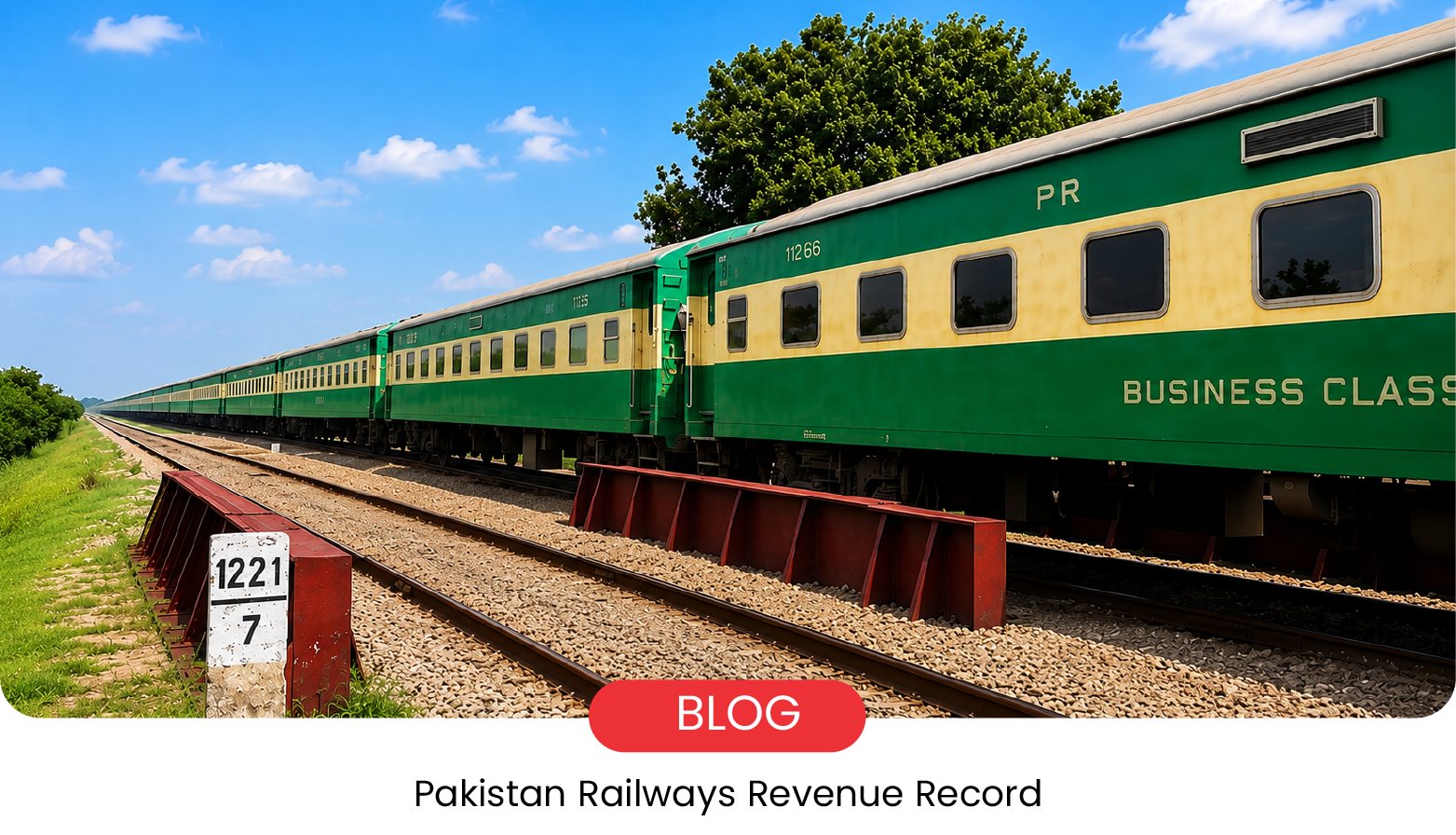
Table of Contents
- Breaking Down the Numbers
- What Drove This Growth?
- The Challenge That Remains: Still Operating at a Loss
- Why Railways Matter for Everyday Pakistanis and the Economy
- Link to Bigger Plans Like CPEC
- What the Future Holds: Modernization Efforts
- Realistic Outlook and What Needs to Happen
- Final Thoughts
Pakistan Railways has done something notable. In the fiscal year 2025-26, it brought in Rs115.16 billion. That figure marks the highest annual revenue in its long history. The jump stands at 24.19% compared to the previous year.
This news comes at a time when many Pakistanis feel frustrated with public services. Trains often run late. Tracks need repair. Yet the numbers show real progress in certain areas. If you travel by train or ship goods across the country, you know how important reliable rail service can be. This growth hints at better days ahead, even if big problems remain.
Breaking Down the Numbers
Passenger revenue hit a record Rs50.59 billion. Freight brought in Rs40.78 billion. Other sources like commercial activities, property, and scrap sales added the rest, with the sundry segment growing almost 91%.
From earlier years, revenue moved from about Rs88.8 billion in FY2023-24 to Rs92.7 billion in FY2024-25, and now to this new high. The increase over two years is nearly 30%. Freight alone grew 27.78% in the latest year.
These figures feel encouraging because railways have struggled for decades. Older data shows the system once carried far more passengers and freight. Road transport took over much of the business. Now, reforms seem to be pulling some traffic back.
What Drove This Growth?
Railways Minister Muhammad Hanif Abbasi points to administrative reforms, better financial management, and stronger commercial efforts. The department focused on efficiency. It cut some operational costs. Digital systems started playing a bigger role.
On the passenger side, improved services and possibly better ticketing helped. Freight benefited from targeted efforts to move more goods by rail. Property and commercial income also rose sharply. These changes did not happen overnight. They built on steady improvements over the past few years.
Many regular travelers notice small differences. Trains might feel a bit more punctual in some places. Booking tickets online has become easier in parts of the network. These practical wins matter when you wait for hours or lose business because of delays.
The Challenge That Remains: Still Operating at a Loss
Despite the record revenue, Pakistan Railways stayed in the red. Expenses continue to outpace earnings. Competition from road transport is tough. Trucks offer door-to-door service and flexibility that trains struggle to match right now.
This situation is not new. For years, the railway has run losses. High staff costs, old infrastructure, and maintenance needs add pressure. Fare evasion also drains money. Earlier reports mentioned annual losses of around Rs1.1 billion just from ticketless travel.
The gap between revenue and costs shows why modernization cannot wait. More revenue is good, but turning it into actual profit is the real test.
Why Railways Matter for Everyday Pakistanis and the Economy
Think about a small business owner in Lahore sending goods to Karachi. Or a family traveling from Rawalpindi to Multan for a wedding. Reliable, affordable rail service makes life easier and cheaper. It also supports larger goals.
Rail transport is more fuel-efficient and can carry heavy loads at lower cost per ton than roads for long distances. It reduces pressure on highways, which Pakistan spends a lot to maintain. Better railways can help control inflation on goods movement and create jobs in related sectors.
Historically, Pakistan Railways played a bigger role in the economy. Its decline affected connectivity, especially in smaller towns. Reviving it could link markets better and support industries along the routes.
Link to Bigger Plans Like CPEC
Modernizing railways fits into the China-Pakistan Economic Corridor (CPEC). Upgrading Main Line 1 (Karachi to Peshawar) and other lines aims to boost speed, capacity, and safety. These projects can turn railways into a stronger backbone for trade.
Improved rail links help move goods faster from ports to inland areas. They create opportunities for special economic zones and industrial growth. For ordinary people, this could mean better job prospects and more reliable travel options.
What the Future Holds: Modernization Efforts
Minister Abbasi talks about expanding freight services, adopting digital systems, and bringing passenger services closer to international standards. Plans include track repairs, new signaling systems like computer-based interlocking, and better stations.
Digital revenue collection and online systems reduce leaks and improve transparency. Free Wi-Fi at stations and better coaches can make travel more comfortable. The goal is to attract more passengers and freight operators.
There is also talk of private sector involvement. Opening parts of the network to private operators could bring new investment and efficiency.
Realistic Outlook and What Needs to Happen
This revenue record is a positive step. It proves that focused reforms deliver results. But Pakistan Railways still faces deep-rooted issues: aging tracks, limited locomotives, and strong road competition.
To build on this momentum, the department needs to keep pushing efficiency. Invest wisely in maintenance and upgrades. Improve safety to win back trust. Work on making freight more competitive with faster turnaround and reliable schedules.
For passengers, consistent on-time performance and clean coaches will matter most. No one wants to choose between comfort and cost.
The coming years will test whether these gains become a lasting turnaround or just a temporary spike. With continued government support and smart execution, railways can reclaim a stronger place in Pakistan's transport mix.
Final Thoughts
Pakistan Railways reaching Rs115 billion in revenue feels like a breath of fresh air for an institution that has faced criticism for years. It shows that change is possible when management focuses on basics and execution.
If you travel by train regularly, you might have your own stories of delays or pleasant surprises. Share them in the comments. The real success will come when more Pakistanis choose rail not just because it is cheap, but because it is dependable and efficient.
The journey is far from over, but this milestone gives reason to watch the next chapters closely. A stronger railway network can connect people, support businesses, and contribute more to the national economy. Let's see how the reforms unfold in the months ahead. For more updates, visit DrivePK.com
Tags
Share this article
About the Author

Najeeb Khan
Automotive enthusiast and writer
Comments (0)
Login Required
You need to be logged in to comment on this article.
No comments yet. Be the first to share your thoughts!
Related Articles
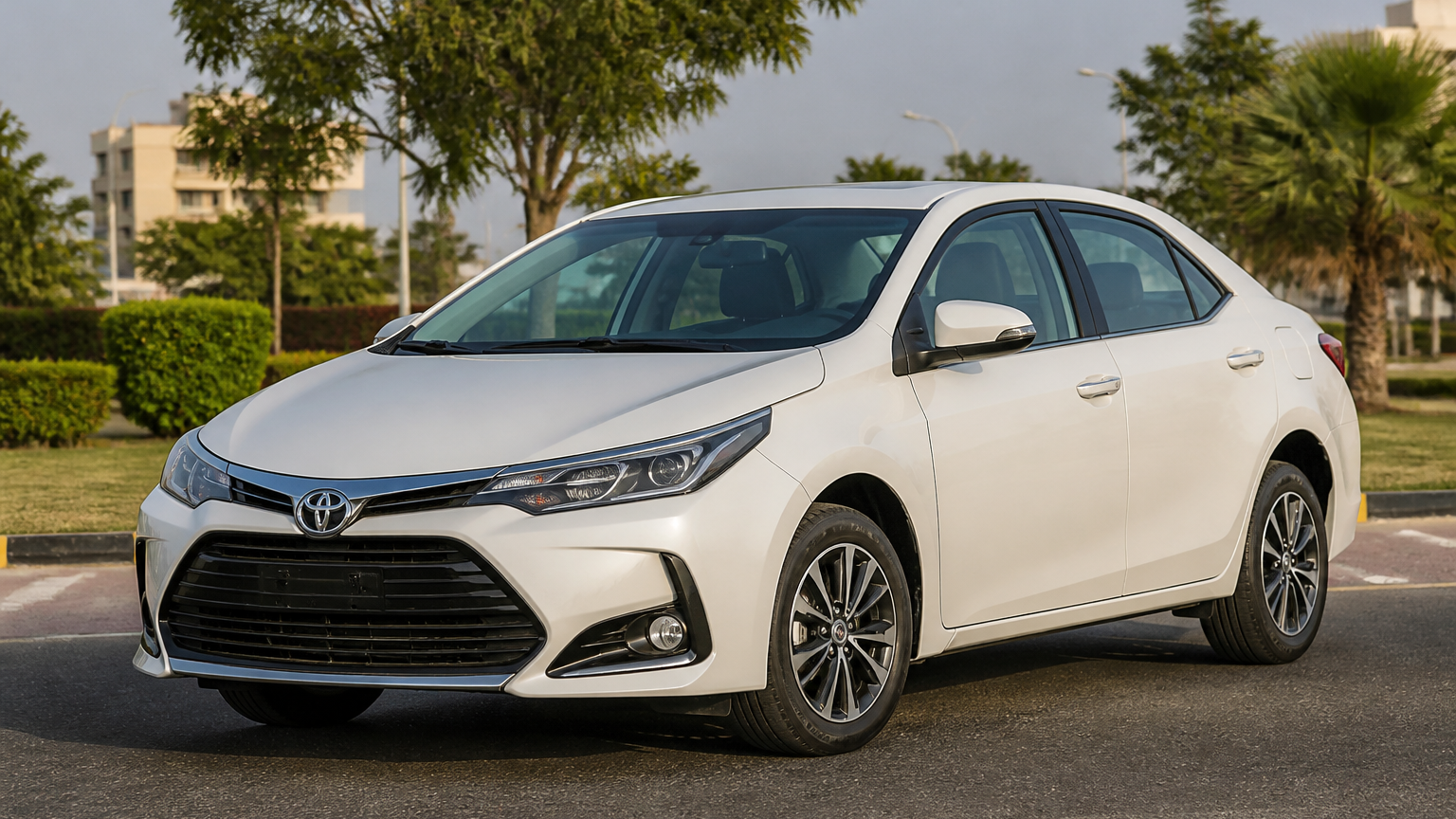
Toyota Corolla Discontinued Before Pakistan Facelift
Pakistan’s pre-facelift Toyota Corolla is reportedly discontinued, hinting at a facelift. Prices, bookings, specs and launch timing remain unconfirmed.
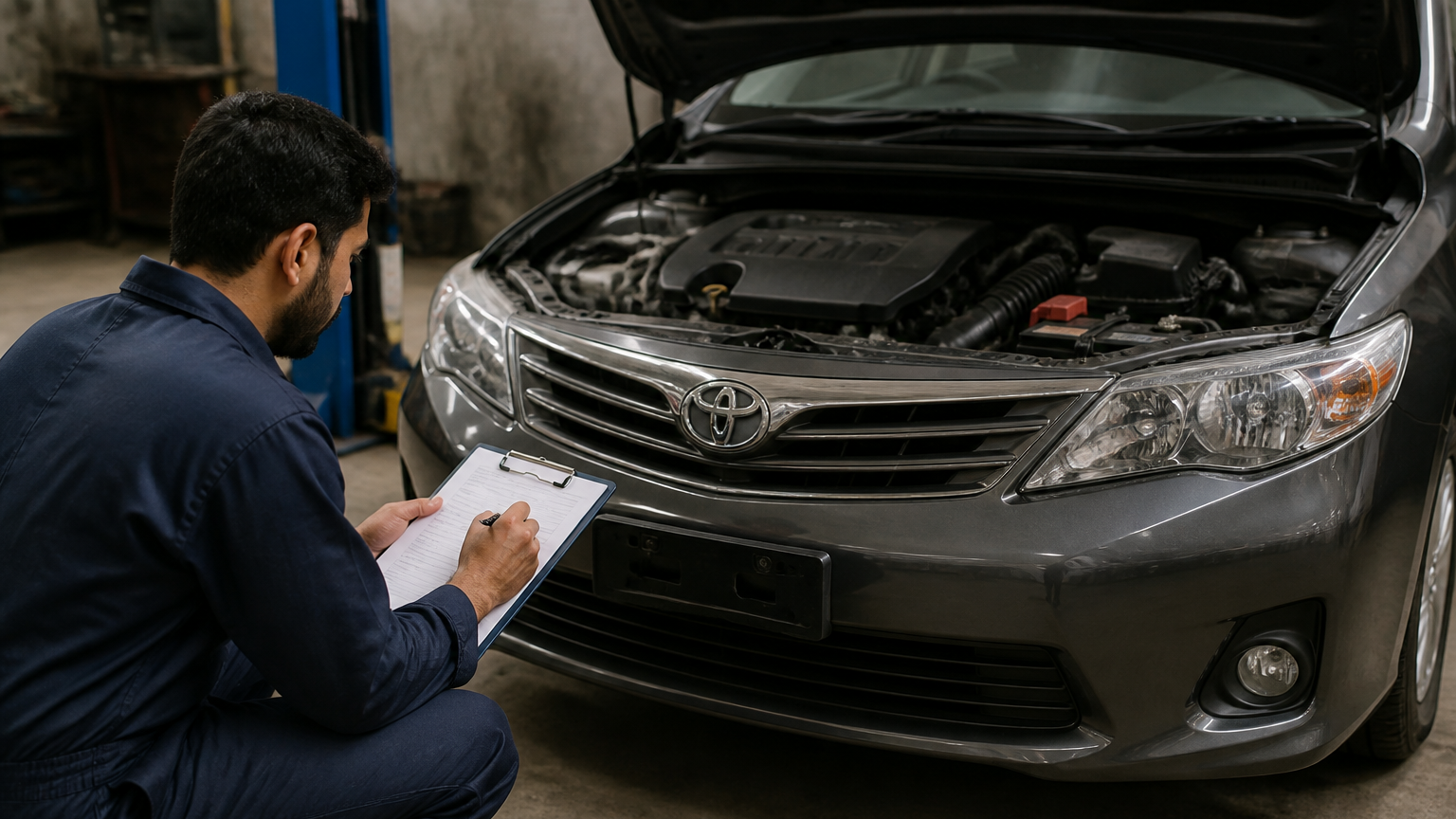
DrivePK Car Inspection Reports: Buy with Confidence
Buying a used car in Pakistan? A pre-purchase inspection can reveal hidden damage, engine issues and red flags before you pay—but it’s not enough alone.

2028 Kia Sportage: Major Design Changes Spotted
Kia’s next Sportage may get a bolder, boxier redesign, with an upright profile, sharper lines, wider grille and split headlights hinted by spy shots.