Pakistan Motorcycle Industry 2025: Strong Recovery with 35% Sales Growth
Pakistan's motorcycle industry saw a solid recovery in 2025, with sales up 35% year-on-year to nearly 1.9 million units. Despite economic hurdles, rising fuel prices, and urban congestion, the demand for affordable 70cc and 125cc models remains. Local manufacturers gained from renewed market trust. This guide covers the key trends and impacts.
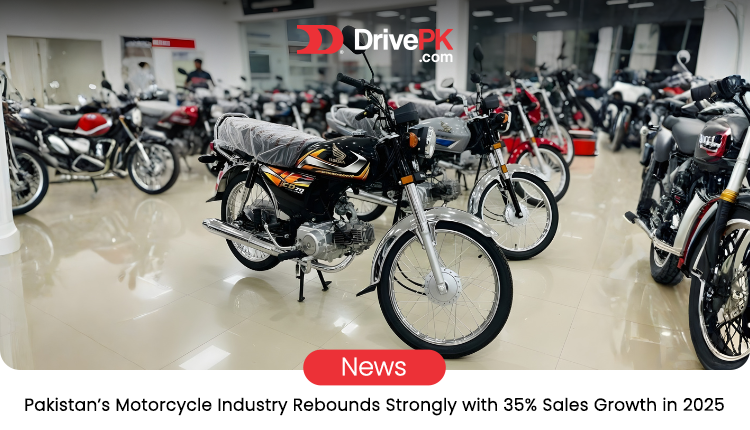
Table of Contents
- Breaking Down the Sales Numbers
- Top Players Driving the Growth
- Why the Surge Despite Economic Headwinds?
- Impacts on Local Economy and Jobs
- Challenges That Lingered
- Looking Ahead to 2026 and Beyond
Last year marked a turnaround for motorcycles in Pakistan. Sales jumped 35 percent from 2024, hitting close to 1.9 million units. That's no small feat with inflation lingering and fuel prices biting hard. People still needed ways to get around, and bikes fit the bill cheap to buy, easy on gas, and perfect for dodging traffic jams in cities like Lahore or Karachi.
I saw this firsthand in Rawalpindi, where streets buzz with more two-wheelers than ever. Friends who held off buying in tougher times finally pulled the trigger. The industry didn't just survive; it grew stronger, thanks to smarter production and steady demand.
Local makers played a big role. They ramped up output to meet needs, creating jobs along the way. From assembly lines to parts suppliers, the ripple effect helped steady the economy in pockets hit by slowdowns.
Breaking Down the Sales Numbers
The data tells a clear story. Total production reached 1,898,767 units in 2025, up from 1.4 million the year before. That's a solid 493,000 more bikes on the roads.
70cc models stole the show. Over 1.09 million sold, a 56 percent spike. These are the go-to for budget buyers simple, reliable, and sipping fuel at a time when every rupee counts. Think of them as the everyday workhorse for commuters or small business owners hauling goods.
125cc bikes weren't far behind, with 579,127 units moved and 32 percent growth. They offer a bit more power for longer trips or hilly areas, appealing to young riders wanting style without breaking the bank.
Other sizes grew too, but these two dominated. Electric bikes started gaining ground, up over 60 percent in some months, hinting at a greener shift ahead.
Top Players Driving the Growth
Atlas Honda stayed king, producing 1.477 million units, up 32 percent. Their CD 70 and CG 125 models flew off lots, backed by a wide dealer network and solid reputation.
But smaller locals shone brighter in percentage terms. United Auto jumped 51 percent to 165,362 units, focusing on affordable options. Unique nearly doubled sales at 90 percent growth. Suzuki and Road Prince saw healthy gains too, around 50 percent each.
This spread shows competition heating up. Imports dipped as homegrown brands improved quality and cut costs. Government pushes for local manufacturing, keeping money in the country and boosting exports a tad.
Why the Surge Despite Economic Headwinds?
Fuel prices climbed, making cars less appealing. Bikes average 50-60 km per liter, a lifesaver when petrol hits 300 rupees. Urban sprawl worsened traffic, turning short rides into hours. A quick bike weave through lanes beats sitting in a bus.
Economic recovery played in. Inflation dropped from its highs, and GDP ticked up. Rural areas saw better crop prices, freeing cash for essentials like transport. Financing eased too banks offered lower rates on bike loans, drawing first-time buyers.
And confidence returned. After floods and shortages in prior years, stability encouraged spending. Industry folks say supply chains smoothed out, letting factories run full tilt without import hiccups.
In places like Punjab, where I am, this meant more families upgrading from old models. A neighbor swapped his worn-out 70cc for a fresh one, citing easier parts availability.
Impacts on Local Economy and Jobs
This boom wasn't just about sales. It supported thousands in manufacturing. Factories in Sialkot or Gujranwala expanded shifts, hiring mechanics and welders. Parts makers for tires, engines, and frames saw orders soar.
Dealerships thrived, creating sales jobs in every tehsil. Even in the informal sectors, roadside repair shops stayed busy with maintenance.
On the flip side, it eased transport woes. With public options limited, bikes keep the workforce moving. Small traders deliver faster, boosting trade.
Environmentally, it's mixed. More bikes mean more emissions, but fuel efficiency helps. The rise in electric vehicles could cut pollution if the charging infrastructure grows.
Challenges That Lingered
Not everything was smooth. High input costs from imported steel and components squeezed margins early on. Some months saw dips, like a slight December slowdown.
Counterfeits remained an issue, undercutting legit sales. And road safety, more bikes mean more accidents if riders skip helmets.
Yet, the industry adapted. Associations pushed for better regulations, and makers invested in tech for safer, cleaner models.
Looking Ahead to 2026 and Beyond
If trends hold, 2026 could top this. Analysts predict another 20-30 percent growth, driven by EVs and exports. Government incentives for green tech might accelerate that.
For buyers, expect more options, smarter features like digital displays or anti-theft systems. Prices might stabilize if the rupee strengthens.
If you're in the market, check fuel efficiency and warranty. Test ride a few; what works in city traffic might differ on highways.
This recovery shows resilience. In a country where two-wheeled power is daily life, the industry's health mirrors the nation's pulse. Here's to more open roads ahead. For more updates, visit DrivePK.com
Tags
Share this article
About the Author

Najeeb Khan
Automotive enthusiast and writer
Comments (0)
Login Required
You need to be logged in to comment on this article.
No comments yet. Be the first to share your thoughts!
Related Articles
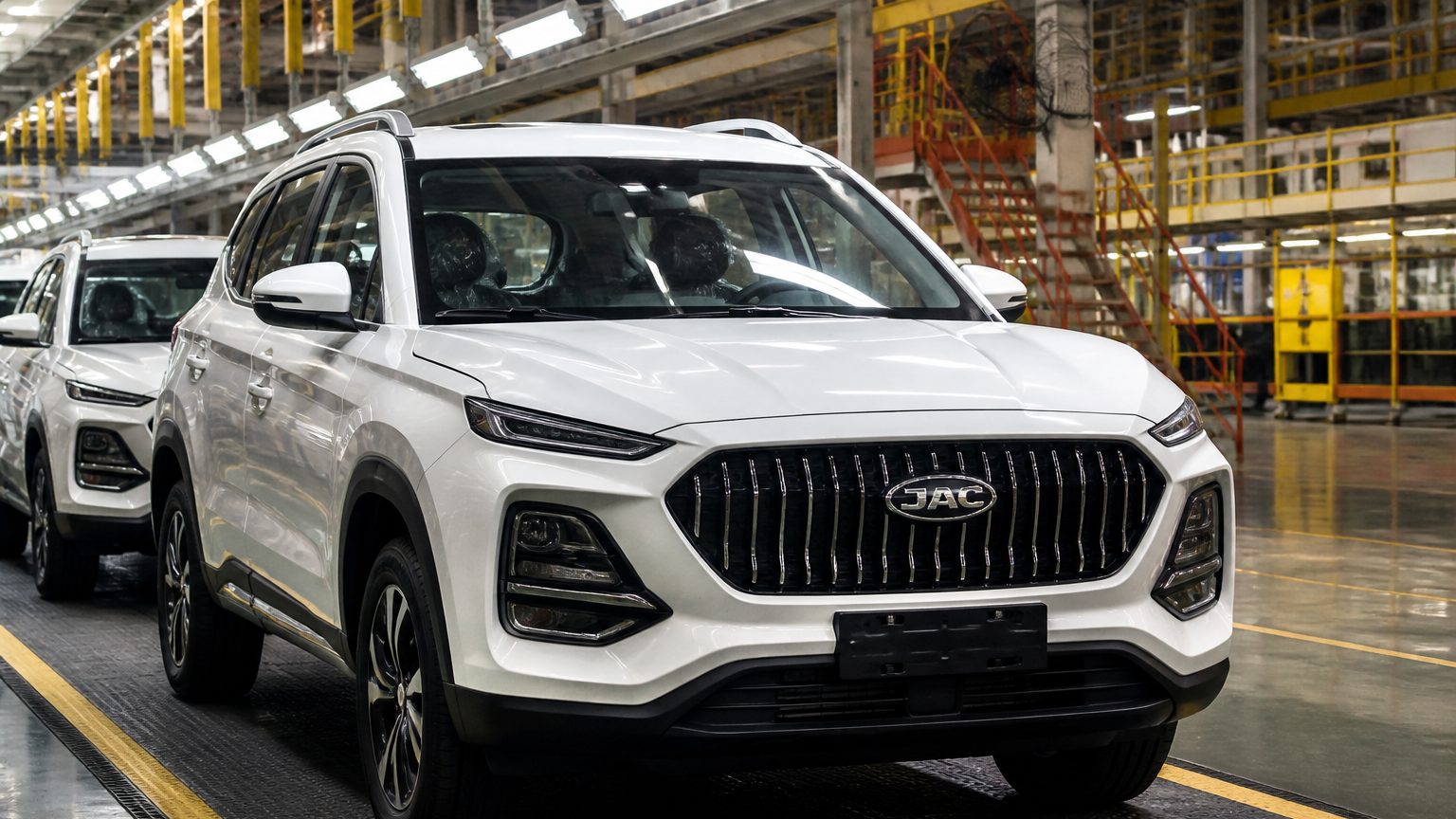
Ghandhara Automobiles Results: Key Highlights
GAL's latest results are stirring investor interest, but incomplete details demand caution: verify the official PSX filing before trading on headlines.
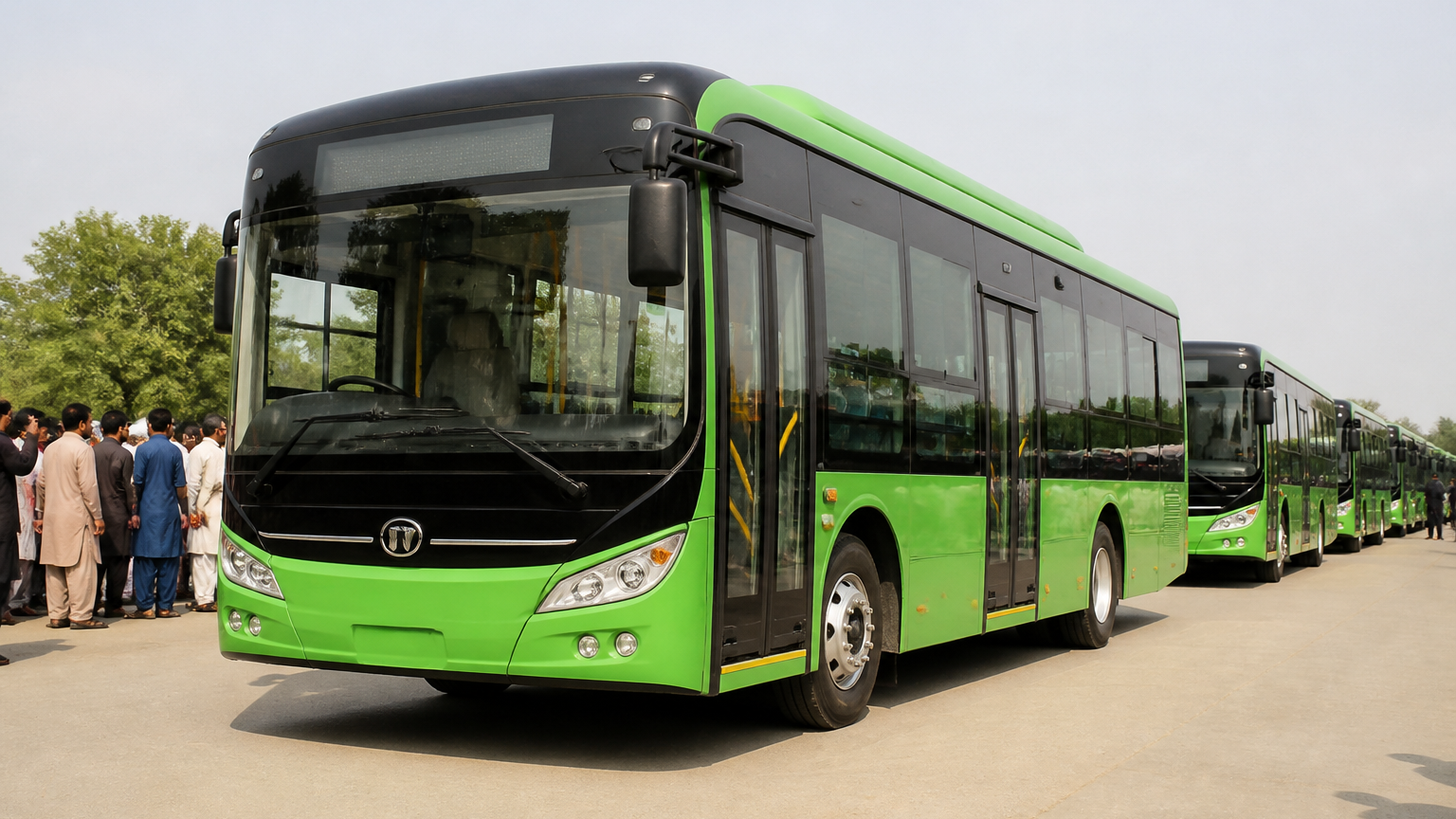
Multan Green Electric Bus Service Starts With 60 Buses
Multan launches 60 green electric buses, offering free rides to students, women, seniors and people with disabilities as Punjab expands clean transit.
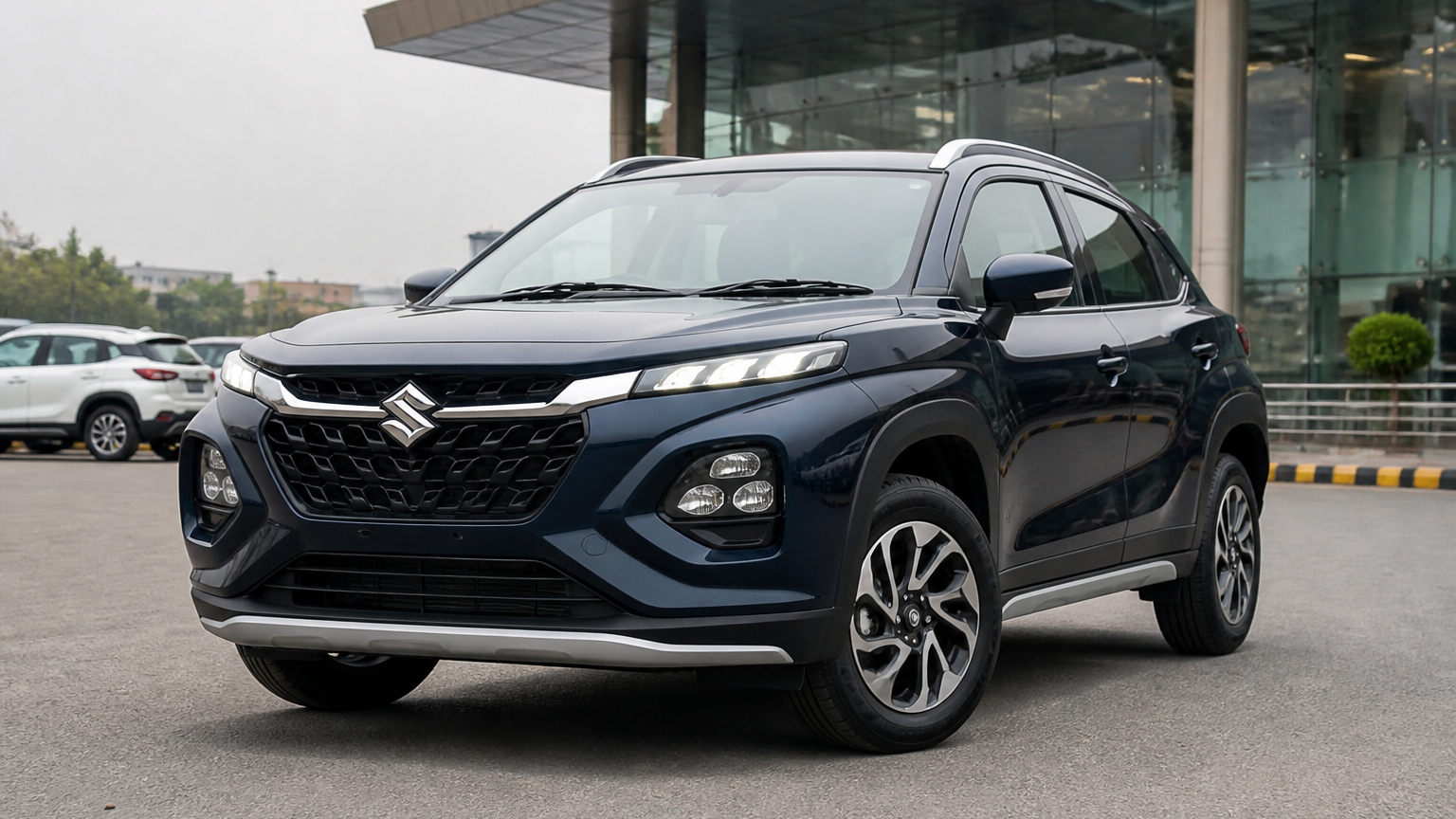
Suzuki Fronx Hybrid Price Revised in Pakistan
Suzuki Fronx Hybrid prices may shift after HEV tax changes in Pakistan. No verified figure yet—confirm the official invoice before booking.