Pakistan Gets $200m Oman Petroleum Credit Facility
Pakistan’s $200m Oman fuel deal boosts PSO’s buying power—but it’s credit, not cash, and won’t immediately cut petrol or diesel prices.
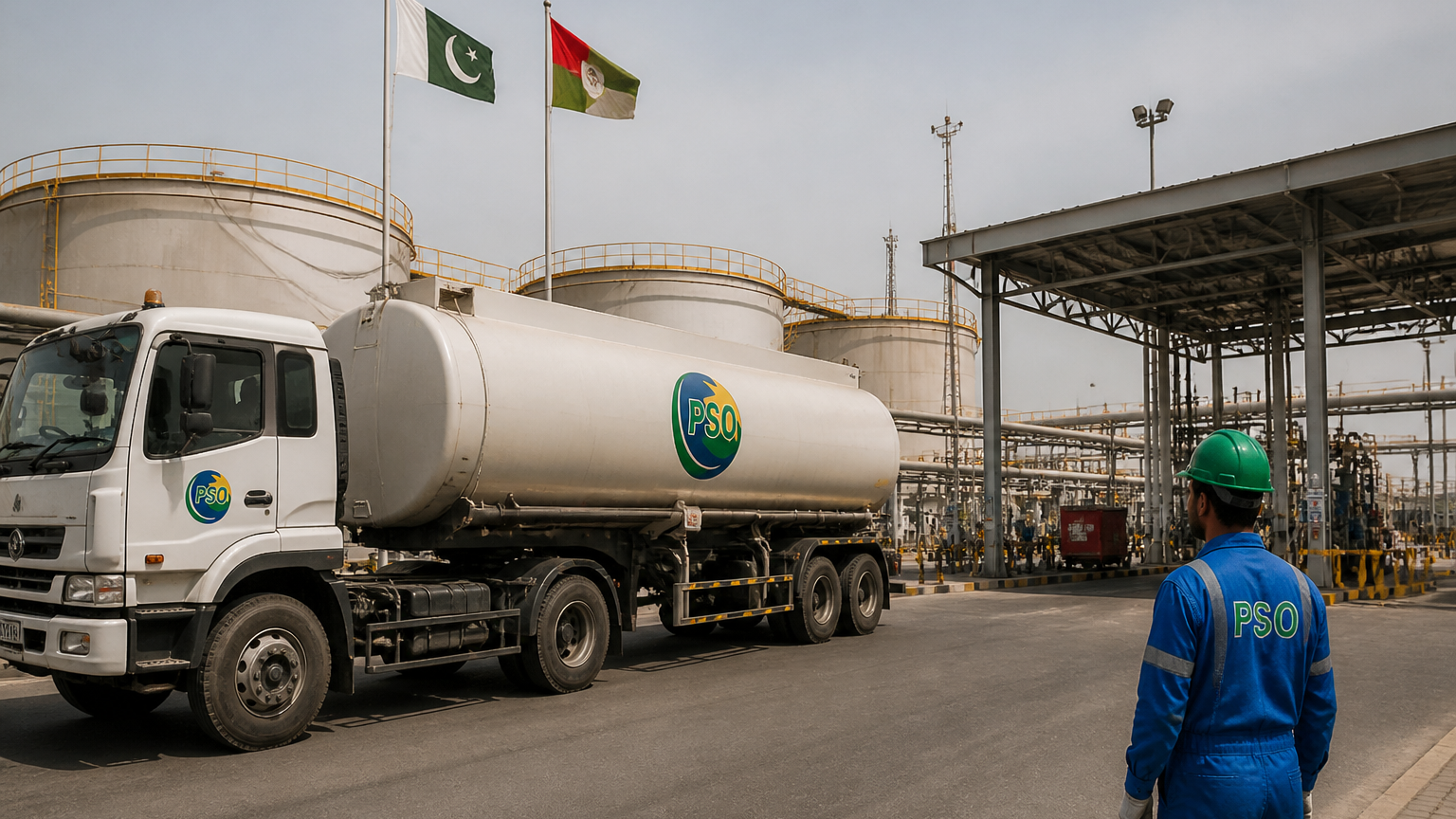
Pakistan has signed a petroleum supply agreement with Oman that gives Pakistan State Oil (PSO) access to a $200 million credit facility for fuel purchases. The deal is a financing arrangement, not a cash grant, so drivers should not assume it will automatically cut petrol or diesel prices.
The agreement was signed in Muscat during a meeting between Pakistan’s Petroleum Minister Ali Pervaiz Malik and Oman’s Energy and Minerals Minister Salim Al Aufi. It links PSO with OQ Trading, Oman’s state-linked commodity trader, and is meant to support petroleum supply between the two countries.
For Pakistani consumers, the big question is simple: will this lower fuel prices? At this stage, the answer is no clear immediate price cut has been announced.
What the Oman deal actually does
The new agreement gives PSO another way to finance petroleum imports. Instead of paying upfront for every shipment, PSO can use the credit line to manage purchases more easily.
Officials from both sides also said the deal is part of wider energy cooperation. Pakistan and Oman have agreed to work more closely in oil, gas and minerals through a joint working group.
The exact repayment terms, financing cost, shipment timing and product mix have not been shared publicly yet. That means the full commercial impact is still unclear.
Why Pakistan wants another import financing route
Pakistan’s fuel import bill has been under pressure. The petroleum import bill rose 9.34% to $5.63 billion in the first four months of FY2026–27, adding strain on foreign exchange management and fuel procurement.
In that setting, a credit line can help PSO keep supplies moving without putting the whole cost burden on immediate cash payments. That may help with planning and supply continuity, especially when regional markets remain unstable.
But a credit line is still debt. It helps with timing, not with removing the cost of imported fuel.
Oman is already an active supplier
This is not a brand-new trade relationship. OQ Trading has already supplied more than 1 million tonnes of petrol in 2026, and its LPG supplies to Pakistan are expected to cross 120,000 metric tonnes by the end of the year.
That existing trade link may make the new deal easier to use in practice than a fresh supply route. It also shows Oman is already a meaningful part of Pakistan’s fuel import network.
Will drivers see cheaper petrol?
Not from this agreement alone.
Fuel prices in Pakistan depend on many factors, including global crude and refined product prices, the dollar-rupee exchange rate, freight costs, government taxes and petroleum levies. A credit facility can ease import financing pressure, but it does not change all those price inputs.
For a useful comparison of how those monthly changes affect drivers, see our previous coverage on Petrol Down, Diesel Up: New Fuel Prices July 30 2026 and Pakistan Fuel Prices February 2026: Petrol Drops Slightly, Diesel Rises Sharply.
What to watch next
The next important details will be:
- PSO’s repayment terms
- financing charges, if any
- which fuel products are covered
- delivery schedules and shipment volumes
- future monthly government fuel price notifications
For now, this is best seen as a supply and financing deal, not a petrol price cut. It may help Pakistan secure fuel imports more smoothly, but consumers should wait for official price notifications before expecting relief at the pump.
Explore DrivePK services
Buying or selling a vehicle? Explore DrivePK services, including car inspection, Sell It For Me and Featured Listings, and choose the option that fits your needs.
For more updates, visit DrivePK.com
Share this article
About the author

Dr Khan
Automotive expert and content strategist


Comments (0)
Sign in required
Sign in to comment on this article.
No comments yet. Be the first to share your thoughts!