Pakistan Petrol Price Hike 2026: IMF Push Takes Fuel Beyond Rs 430? Impacts on Economy and Daily Life
Pakistan’s fuel prices have climbed to Rs 414-415 per litre after the latest hike. With IMF pushing for higher levies, another rise looms. Families already feel the pinch in transport fares and groceries. This article looks at the numbers, reasons, and what it means for ordinary Pakistanis.
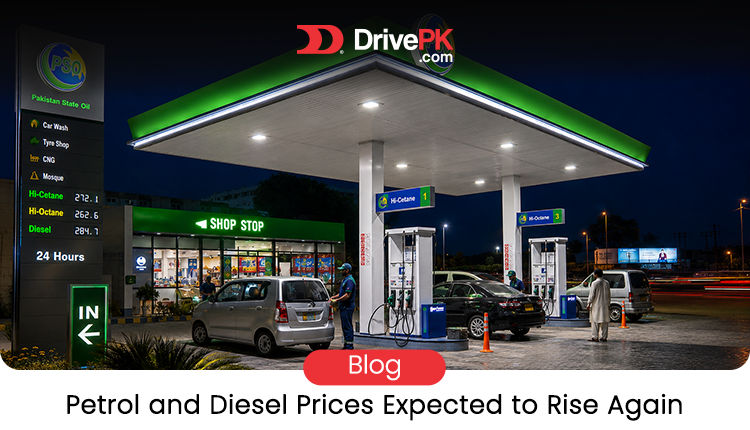
Table of Contents
- Recent Price Changes in Pakistan
- How Pakistan Compares with Neighbouring Countries
- Impact on the Economy
- How It Affects Common People's Lives
- What Lies Ahead and Small Steps Forward
The news feels heavy these days. Petrol and diesel crossed Rs 414 per litre in May 2026. Officials worry the next adjustment could push them beyond Rs 430. The government recently raised the petroleum levy on petrol to Rs 117.41 per litre and on diesel accordingly to meet IMF targets after getting a $1.32 billion tranche.
Global oil markets remain unstable. Tensions in the Middle East add pressure. But even without big jumps in crude rates, Pakistan had to increase local prices to keep its promises to the IMF. Many families now think twice before filling the tank or taking a rickshaw.
Recent Price Changes in Pakistan
The government raised petrol by nearly Rs 15 in early May 2026. Prices went from around Rs 400 to Rs 414.78 per litre for petrol and Rs 414.58 for high-speed diesel. This marks one of several hikes in recent months.
Here is the table Petrol and Diesel Prices (Recent Months, approximate Rs/litre)
| Month/Period | Petrol Price | Diesel Price | Key Reason |
|---|---|---|---|
| Early Feb 2026 | ~253 | ~257 | Pre-tension baseline |
| April 2026 | ~393-400 | ~380-400 | Multiple adjustments |
| May 1, 2026 | 399.86 | 399.58 | Ongoing levy alignment |
| May 9, 2026 | 414.78 | 414.58 | IMF levy hike (+Rs 14-15) |
(Data compiled from official notifications and reports. Prices reflect ex-depot rates and have seen cumulative increases of over 60% since early 2026 in some periods.)
These numbers show how quickly costs add up. A motorbike rider who used to spend Rs 2,000 a month on fuel might now need Rs 3,200 or more.
How Pakistan Compares with Neighbouring Countries
Pakistan often feels the burden more because of currency value, taxes, and import dependence. Here is a snapshot around mid-May 2026.
Here is the table of petrol Prices in Pakistan and Neighbouring Countries
| Country | Petrol Price (Rs/litre) | Notes / Affordability Context |
|---|---|---|
| Pakistan | 414-415 | Highest burden relative to income |
| India | ~280-310 | Subsidies and buffers help keep it lower |
| Bangladesh | ~280-330 | Recent stability or minor changes |
| Nepal | ~320-330 | Adjusted but lower than Pakistan |
| Sri Lanka | ~350-400 | Recovered but still strained |
International crude (Brent) hovers around $105-110 per barrel in May 2026, influenced by regional tensions.
Pakistan stands out with higher effective costs for average citizens. Lower per capita income means every rupee increase hurts deeper.
Impact on the Economy
Higher fuel prices touch everything. Transport costs rise, so goods cost more to move from farms to markets. Factories pay extra for energy and logistics. Inflation climbs. Food prices, already sensitive, go up further because diesel runs trucks, tractors, and generators.
Exports suffer when freight charges increase. Small businesses struggle with higher input costs. The government gains short-term revenue through levies, but long-term growth slows if people spend less. Economists note this creates a cycle: more inflation, tighter budgets, and slower recovery.
The fuel import bill has also ballooned amid global pressures, adding strain on foreign reserves.
How It Affects Common People's Lives
This is where it truly touches the heart. Imagine a father in Rawalpindi or Lahore who drives a rickshaw or van for daily earnings. Every extra Rs 15 per litre means fewer notes in his pocket at day's end. He might skip a trip or charge passengers more. Those passengers then cut back on vegetables or school fees.
Mothers managing kitchens see prices of atta, daal, and milk edge higher. Students who commute face costlier fares. Families already struggling with salaries now choose between medicine and transport. Many talk of switching to fuel-efficient bikes, hybrids, or even electric options where possible, but not everyone can afford the upfront cost.
It is not just numbers on a board. It is tired faces at petrol pumps, worried conversations at dinner tables, and dreams of better days that feel a bit further away. Young people think twice about jobs that require long commutes. Elders worry about rising utility bills linked to energy costs.
What Lies Ahead and Small Steps Forward
No one has easy answers. Global prices depend on peace in key regions and supply chains. At home, better planning, reducing system leaks, and supporting local alternatives like CNG or electric vehicles can help over time.
People adapt in small ways: carpooling, proper tyre pressure, or choosing public transport when it works. The government faces the tough job of balancing IMF promises with public relief.
For now, the reality feels difficult. Petrol near Rs 415 – and possibly heading higher tests the resilience of millions. Yet Pakistanis have shown strength through tough times before. Conversations about efficiency, renewables, and fair policies matter more than ever. For more updates, visit DrivePK.com
Tags
Share this article
About the Author

Najeeb Khan
Automotive enthusiast and writer
Comments (0)
Login Required
You need to be logged in to comment on this article.
No comments yet. Be the first to share your thoughts!
Related Articles
PAMA Elects Leadership Team for 2026-2028
PAMA has elected new leaders for 2026–2028, but Pakistani car buyers shouldn’t expect immediate changes to prices, bookings, or delivery times.
IHC Seeks Replies on M-1 Motorway Closure
Islamabad High Court seeks answers on M-1 closure, affecting routes to Rawalpindi, Attock and KP—but has not ordered reopening.
Pakistan Auto Policy 2026 Faces IMF Talks
Pakistan’s proposed 2026–31 auto policy promises NEV tax relief and tariff cuts—but it’s only a draft, with no confirmed IMF approval or price drop.