Punjab Waives Transfer Fees for Motorcycles Up to 150cc: Relief for Bike Riders Amid High Petrol Prices
Punjab has waived transfer fees for motorcycles up to 150cc to ease the burden on daily commuters. Announced by CM Maryam Nawaz, the move comes as petrol prices hit over Rs. 414 per liter. While helpful for legal ownership changes, many riders say fuel costs remain the real daily challenge.
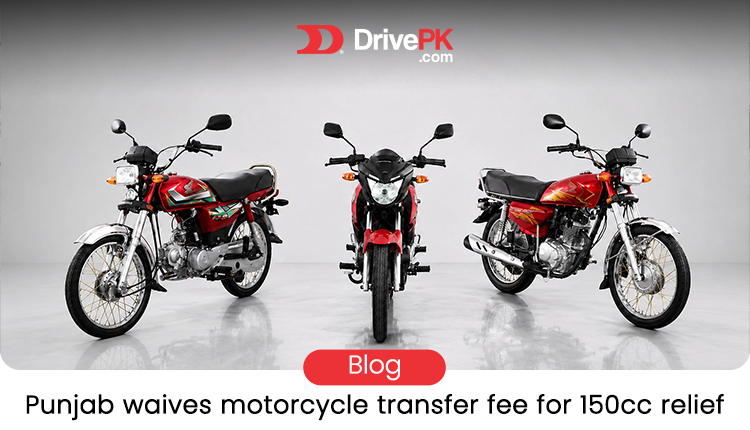
Table of Contents
- Why This Decision Came Now
- What the Waiver Actually Covers
- Benefits for Common Riders
- The Bigger Picture: Fuel Costs Still Dominate
- How It Connects to Wider Trends
- Potential Impact Across Punjab
- Limitations and What Riders Still Want
- What Should You Do If You Own a Bike?
- Looking Ahead
The Punjab government has announced a straightforward relief measure for millions of motorbike users. Transfer fees for motorcycles with engines up to 150cc are now waived. This covers popular models like 70cc, 100cc, 125cc, and 150cc bikes that most people use for daily travel.
Chief Minister Maryam Nawaz made the announcement recently. The decision aims to provide some breathing room for riders facing rising living costs, especially after the latest fuel price hike.
Why This Decision Came Now
Petrol prices in Pakistan recently crossed Rs. 414 per liter. The latest increase took the rate to around Rs. 414.78. For someone riding 30-40 km daily, this adds noticeable pressure on monthly budgets.
Bike riders form the backbone of daily commuting in Punjab. Students, delivery personnel, office workers, and small business owners depend on these motorcycles. A one-time transfer fee might seem small, but removing it helps when every rupee counts.
What the Waiver Actually Covers
The waiver applies to transfer fees for motorcycles up to 150cc. Previously, transferring ownership involved charges around Rs. 605 for transfer, plus other fees for documents and registration marks. These are now removed for eligible bikes.
This makes it easier and cheaper to legally transfer used motorcycles. It encourages proper documentation and reduces the chances of informal sales that create problems later.
Benefits for Common Riders
Easier Ownership Changes: Families can transfer bikes between members without extra cost. Someone selling an old bike can do so more smoothly.
Encourages Formal Process: Many riders avoided official transfers due to fees and paperwork. This step could bring more bikes into the formal system.
Small but Immediate Relief: While not a monthly saving, it removes a barrier when buying or selling a used bike.
The move pairs with Punjab’s broader efforts to support two-wheeler users during tough economic times.
The Bigger Picture: Fuel Costs Still Dominate
Most commuters point out that transfer fees are a one-time expense. The real ongoing pain comes from fuel. At over Rs. 414 per liter, a typical daily commute can eat up a big chunk of earnings.
Many riders now spend more on petrol than they did a few years ago on the entire bike maintenance. This affects everything from food budgets to children’s education expenses.
Delivery riders and those using bikes for work feel it most. Higher fuel costs mean thinner profit margins or higher charges passed on to customers.
How It Connects to Wider Trends
High fuel prices are pushing interest toward electric motorcycles. Running costs on electric bikes are much lower, and with charging infrastructure slowly expanding, more people are considering the switch.
The fee waiver supports the existing petrol bike ecosystem while the transition to cleaner options happens gradually. It shows the government is trying to address immediate needs.
Potential Impact Across Punjab
This decision affects urban centers like Lahore, Faisalabad, Rawalpindi, and smaller cities alike. With millions of motorcycles on roads, even small relief adds up.
It also sends a message that authorities are listening to public concerns after fuel price adjustments. Timely announcements like this help build some confidence.
Limitations and What Riders Still Want
The waiver is helpful but limited. It does not reduce daily fuel expenses or maintenance costs. Many hope for more direct support, such as targeted fuel subsidies or bigger incentives for electric vehicles.
Documentation and implementation will matter. People need clear information on how to avail the waiver at excise offices without confusion or delays.
What Should You Do If You Own a Bike?
- Check if your motorcycle falls under 150cc.
- When transferring ownership, confirm the latest process at your local excise office.
- Keep proper documents ready to avoid any issues.
- Consider long-term options like fuel-efficient riding or exploring electric alternatives for daily use.
Looking Ahead
This step is part of ongoing efforts to support the masses in Punjab. As fuel prices stay high, more such measures may follow. The combination of fee waivers and potential future incentives could ease some pressure.
For now, it offers a practical, targeted relief for bike owners who want to handle ownership transfers properly. In tough times, small wins matter.
The coming months will show how effectively this policy rolls out and whether it encourages more formal bike transactions. For millions of daily riders, every bit of support counts while they manage rising costs on the road. For more updates, visit DrivePK.com
Tags
Share this article
About the Author
Najeeb Khan
Automotive enthusiast and writer
Comments (0)
Login Required
You need to be logged in to comment on this article.
No comments yet. Be the first to share your thoughts!
Related Articles
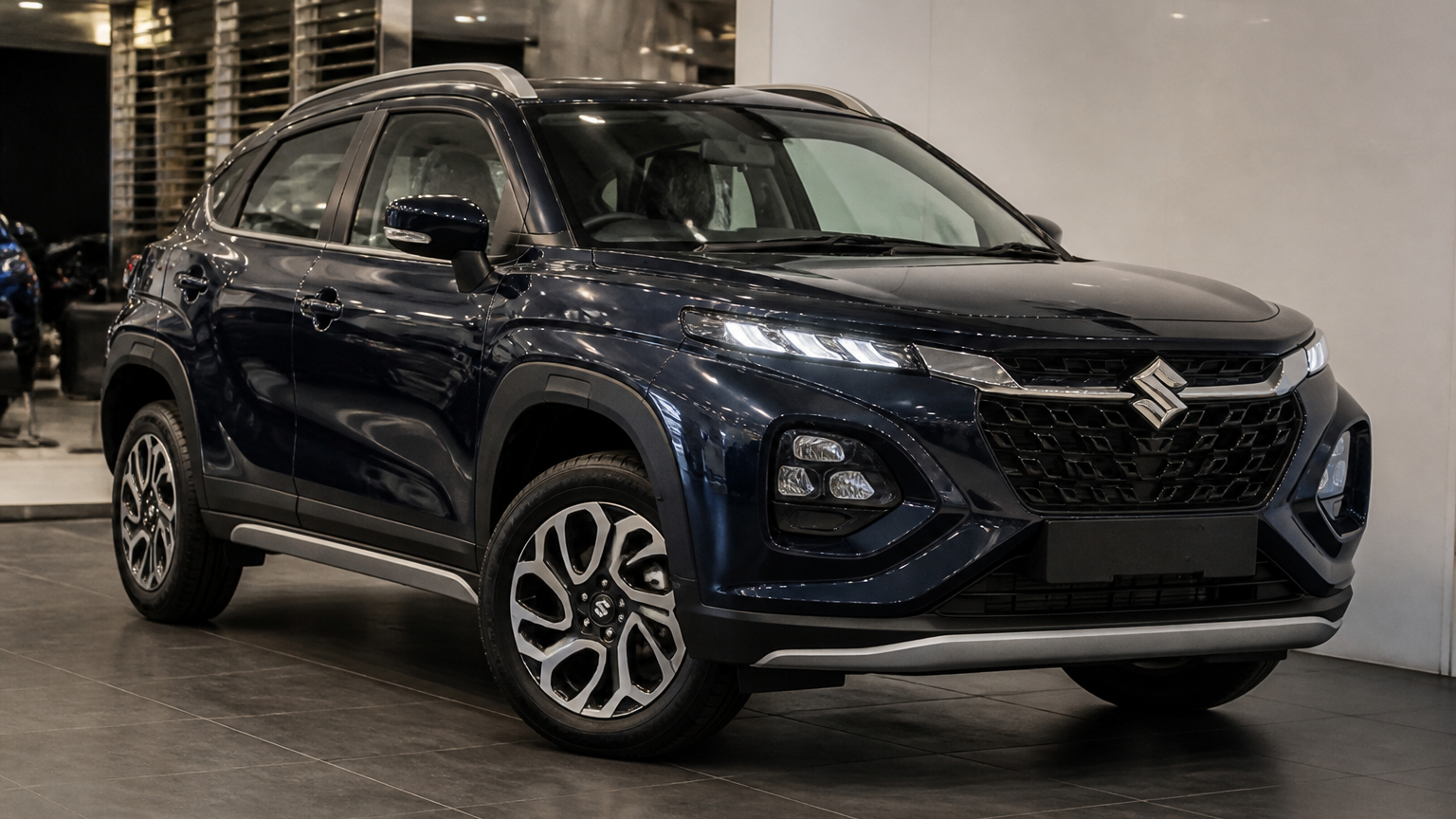
Suzuki FRONX MCB Financing Offer Announced
MCB financing for Suzuki FRONX remains unconfirmed. Wait for written terms from Suzuki Pakistan, MCB Bank, or an authorised dealer before booking.
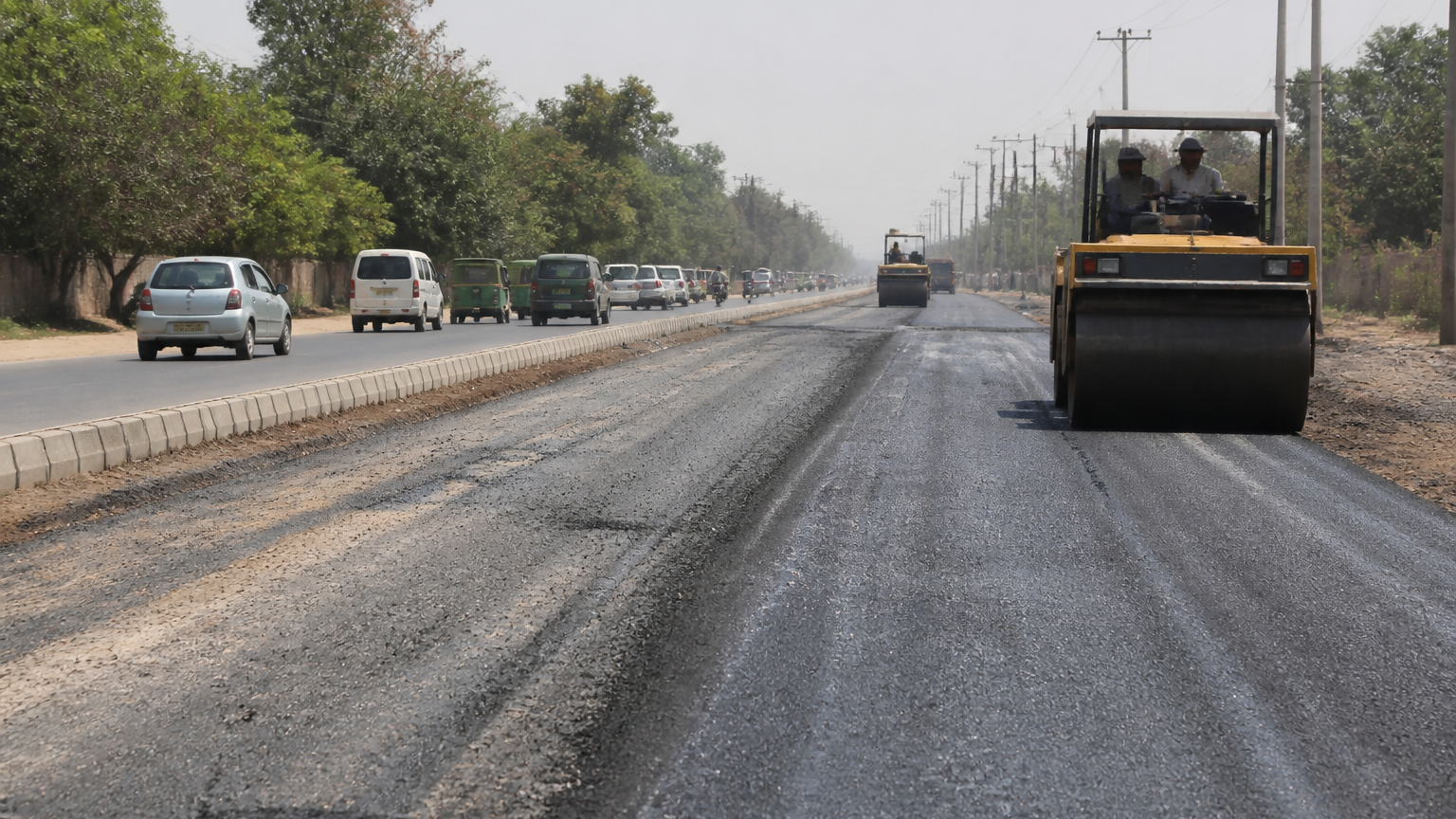
Multan Rs. 4.5bn Road Project Progress Inspected
A viral claim says Multan’s commissioner inspected a Rs4.5bn road project, but available sources verify only a separate sewerage-project report.
Attock Bridge, M-1 Reopen: What Motorists Need to Know
Attock Bridge and M-1 reopen, easing travel between Punjab, KP and Islamabad—but the reprieve is temporary after the PTI march was delayed.