Pakistan Restricts Private Diesel Imports: PSO Takes Charge What It Means for Fuel Supply and Prices
Pakistan’s government has temporarily stopped private oil marketing companies from freely importing high-speed diesel. PSO will now lead imports to ease pressure on foreign reserves and support local refineries. Private firms can still bring in fuel with approval. No immediate price changes expected, but supply risks remain.
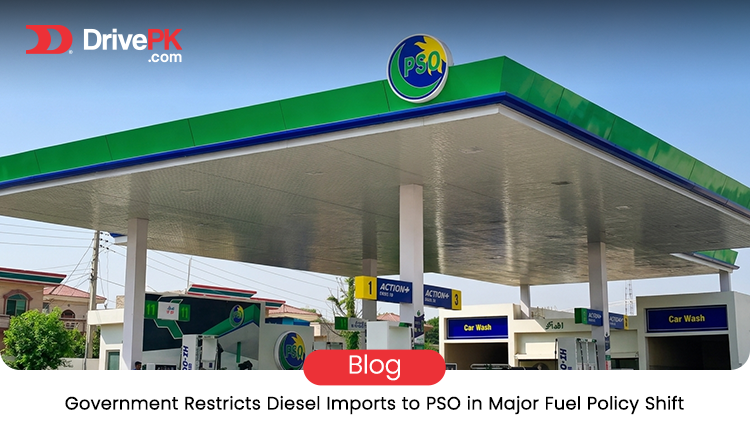
Table of Contents
- Current Situation for Fuel Stations and Consumers
- Benefits the Government Hopes to See
- Potential Downsides and Concerns
- Broader Context: Pakistan’s Fuel Challenges
- What Happens Next?
- Final Thoughts
Pakistan faces ongoing pressure on its foreign exchange reserves. Fuel imports make up a big part of the country’s spending abroad. With global oil markets unstable due to tensions in the Middle East, the government decided to centralize high-speed diesel (HSD) imports.
Only Pakistan State Oil (PSO) can now handle most diesel purchases from overseas. Private oil marketing companies (OMCs) must get prior approval from the National Coordination and Management Council (NCMC) for any imports. This change came after a recent NCMC meeting and is meant to stay in place until the situation in the Middle East improves.
The goal is simple: better control over how much foreign currency leaves the country for fuel. By routing most imports through PSO, authorities can match purchases more closely with actual needs and available reserves.
Current Situation for Fuel Stations and Consumers
Good news first, there should be no sudden disruption at the pumps. Fuel stations are expected to keep selling diesel normally for now. Recent price adjustments happened on May 9, 2026, with diesel rising to around Rs. 414.58 per litre. But this policy itself does not trigger an immediate further hike.
Local refineries still produce a large share of the diesel Pakistan uses, often 70-80% of demand. The country holds decent stocks, reported at about 28 days in recent updates. So day-to-day operations should continue without major issues in the short term.
Benefits the Government Hopes to See
This step aims to protect reserves while giving local refineries steady demand. Pakistan’s overall fuel import bill runs into billions of dollars yearly. Tightening control helps avoid unnecessary imports and reduces waste.
It also lets PSO coordinate better with domestic supply. When one main player handles most imports, planning becomes simpler. This can prevent situations where too much fuel arrives at once or shortages appear because of poor timing.
Supporters say it brings order during uncertain times when global prices swing, and shipping routes face risks.
Potential Downsides and Concerns
Relying heavily on one company always carries risks. If PSO faces logistical problems, delays in shipments, or sudden demand spikes, the whole supply chain could feel it. Private companies often bring competition, efficiency, and extra capacity. Limiting their independent role might reduce that flexibility over time.
Some in the industry worry about long-term effects on competition. Private OMCs have invested in storage, distribution, and retail networks. If they depend too much on PSO supplies, it could affect their operations and margins.
Transport, agriculture, and industry all run on diesel. Any future supply hiccup would hit these sectors hard. Truckers, farmers, and businesses will watch developments closely.
Broader Context: Pakistan’s Fuel Challenges
Pakistan imports a big portion of its oil needs. Global events like disruptions in key shipping areas quickly raise costs here. Premiums on imported diesel have hit record levels recently, sometimes over $30 per barrel above benchmarks. This pushes up local prices and strains budgets.
The government has raised fuel prices multiple times in recent weeks to reflect international costs. These increases affect everything from daily commuting to the price of goods in shops.
This latest policy fits into a pattern of trying to manage the external account carefully while keeping fuel flowing. It is not a permanent ban on private imports, just a temporary restriction with an approval process.
What Happens Next?
The restriction is described as temporary. How long it lasts will depend on how quickly regional stability returns and how well PSO manages the extra responsibility.
Consumers should keep an eye on weekly price announcements. Supply levels and global crude prices will decide future adjustments. Businesses that use large amounts of diesel might consider planning or looking at efficiency measures.
For now, the message from authorities is reassurance: normal sales continue, and the move is about careful management rather than crisis response.
Final Thoughts
This decision shows the tight balance Pakistan walks with energy imports and economic stability. Centralizing diesel procurement through PSO offers short-term control over foreign spending. Yet it also highlights the need for stronger local refining capacity and diversified supply options in the long run.
Every policy like this has trade-offs. The coming weeks will show how smoothly the new system works and whether it delivers the stability the government hopes for. In the meantime, keeping fuel affordable and available remains a daily concern for millions of Pakistanis. For more updates, visit DrivePK.com
Tags
Share this article
About the Author

Najeeb Khan
Automotive enthusiast and writer
Comments (0)
Login Required
You need to be logged in to comment on this article.
No comments yet. Be the first to share your thoughts!
Related Articles
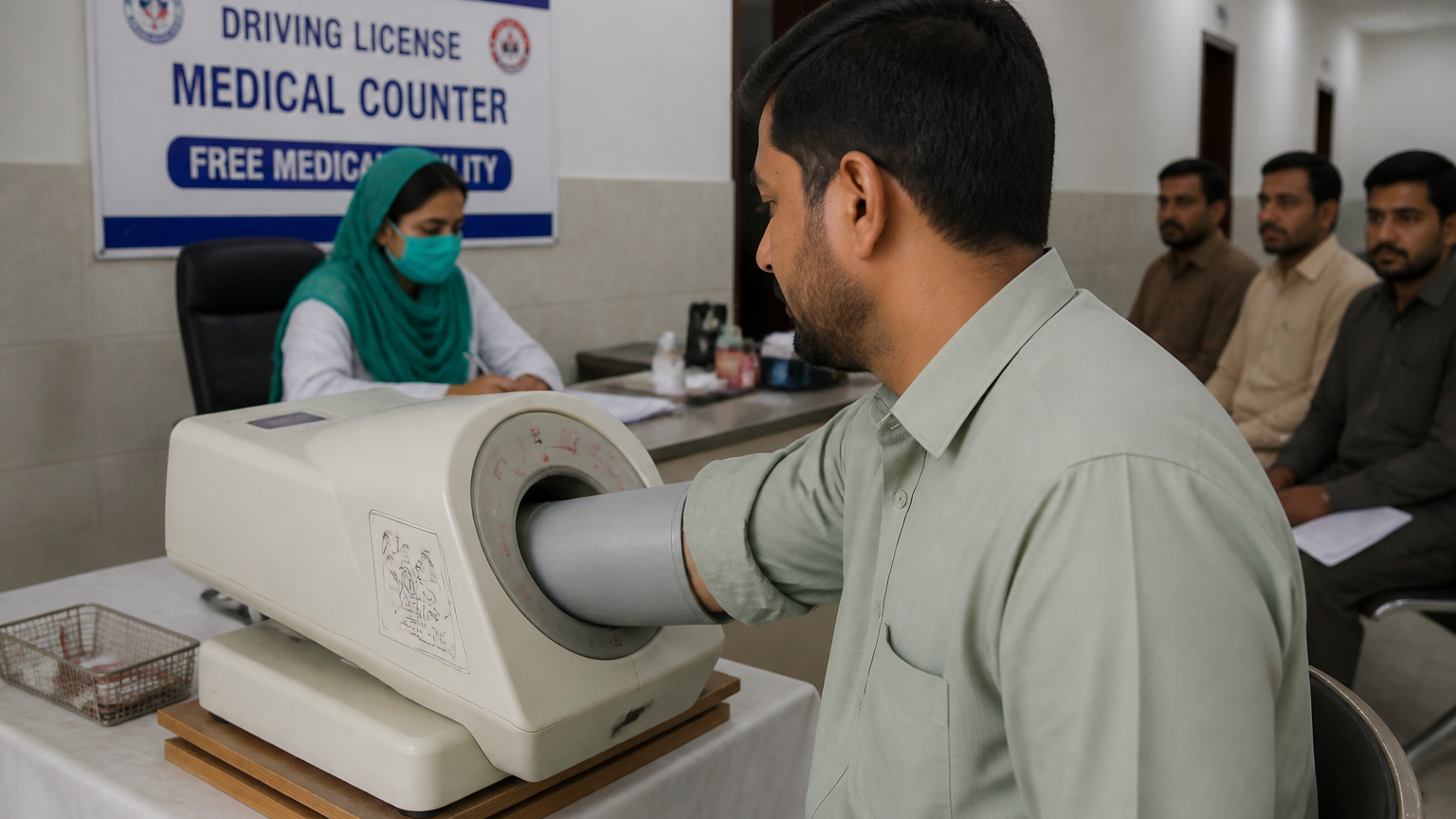
Lahore Driving License Medical Certificates Now Free
Lahore may waive medical certificate fees for commercial licence applicants and drivers over 50 at select hospitals—confirm details before you go.

Jetour T2 Facelift Gets 173 km EV Range in China
Jetour’s T2 facelift brings sharper looks, smarter tech and up to 173km electric range—but Pakistan launch, specs and pricing remain unconfirmed.

Honda HR-V Price Cut Up to Rs. 10.7 Lakh in Pakistan
Honda reportedly cuts HR-V prices in Pakistan by up to Rs. 10.7 lakh from Sept 25, 2026—but confirm the limited-time deal with a dealer.