Toyota Pakistan Faces Rising Competition: Latest Corporate Briefing Breakdown
Indus Motor Company has acknowledged pressure on Hilux sales from Chinese pickups like the BYD Shark 6 in urban areas. However, Fortuner sales have doubled year-on-year. The company is pushing higher localization and hybrids while investing Rs 1 billion more. Here’s what it means for buyers and the market.
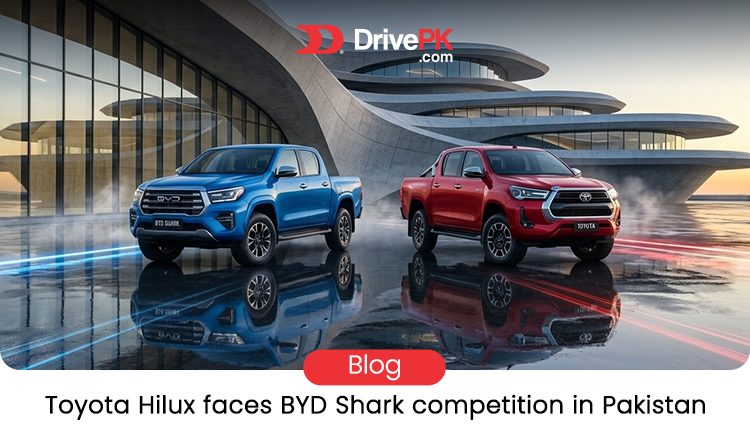
Table of Contents
- Hilux Sales Under Pressure in Cities
- Fortuner Sales Double Year on Year
- Higher Localization Across Models
- Comprehensive Performance Snapshot
- Hybrids Before Full EVs
- Strong Market Share Despite Competition
- What This Means for Buyers
- Challenges and Opportunities Ahead
- Final Thoughts
Indus Motor Company, the maker of Toyota vehicles in Pakistan, recently shared updates during its corporate briefing. The message was balanced — they recognize new challenges but also highlighted strengths and future plans.
Chinese brands are entering the market aggressively. This competition is changing the landscape, especially for popular models like the Hilux.
Hilux Sales Under Pressure in Cities
Toyota admitted that the BYD Shark 6 and other Chinese vehicles are affecting Hilux sales in urban markets. Buyers in cities seem drawn to the new options, which often come with modern features and competitive pricing.
Rural demand for the Hilux remains stable. This pickup has long been a favorite for tough work and reliability in countryside areas. The split shows how different buyer needs are across Pakistan.
Fortuner Sales Double Year on Year
While Hilux faces headwinds, the Fortuner is doing well. Sales have doubled compared to the same period last year. This SUV continues to attract customers who value Toyota’s reputation for durability and comfort.
Recent price adjustments on the Fortuner came mainly from lower government taxes and better savings through localization. These were not traditional discounts but real cost reductions passed on to customers.
Higher Localization Across Models
Indus Motor has made solid progress in making vehicles locally:
- Corolla, Yaris, and Corolla Cross now exceed 60% localization.
- Hilux and Fortuner have improved to over 41%.
This means more parts are made in Pakistan. It helps control costs, creates jobs for local vendors, and reduces dependence on imported components. Higher localization also supports better pricing stability when exchange rates fluctuate.
The company is putting in an additional Rs 1 billion for further localization development. This investment shows long-term commitment to strengthening manufacturing in Pakistan.
Comprehensive Performance Snapshot
Here is a clear table summarizing key data points from recent updates:
| Category | Details | Status / Figure |
|---|---|---|
| Hilux Sales (Urban) | Impact from Chinese competitors | Affected (esp. BYD Shark 6) |
| Hilux Sales (Rural) | Demand holding steady | Stable |
| Fortuner Sales | Year-on-Year growth | Doubled |
| Localization - Passenger Cars | Corolla, Yaris, Corolla Cross | >60% |
| Localization - Pickups/SUVs | Hilux & Fortuner | >41% (up from 38%) |
| Localization Investment | Additional approved amount | Rs 1 billion (Total Rs 5.1 bn) |
| Price Reduction Driver | Fortuner recent cuts | Taxes + Localization savings |
| Future Technology Focus | Preference before full EVs | Hybrids |
| Market Position | Overall share despite new entrants | Strong across most segments |
Hybrids Before Full EVs
Toyota sees hybrid vehicles gaining popularity in Pakistan before full electric vehicle adoption. The company already offers hybrids like the Corolla Cross and plans to bring more models once the national EV policy becomes clearer.
This approach makes sense for local conditions. Hybrids offer better fuel efficiency without needing extensive charging infrastructure. They serve as a practical bridge while the country builds EV readiness.
Strong Market Share Despite Competition
Despite pressure in some segments, Toyota claims it continues to hold a strong position across most categories. The brand’s focus on reliability, resale value, and after-sales service still resonates with Pakistani buyers. Many customers prefer Toyota for peace of mind over years of ownership.
The company is not standing still. Investments in localization and future hybrid models aim to counter competition while meeting evolving customer expectations.
What This Means for Buyers
If you are considering a Toyota vehicle, here are key takeaways:
- Hilux buyers, urban users now have more choices. Compare features and long-term costs carefully. Rural buyers can still rely on its proven strength.
- Fortuner buyers Improved pricing and strong demand make it an attractive option right now.
- Hybrid interested customers. Watch for new models. Hybrids could offer savings on fuel in daily driving.
- Overall, higher localization may help keep prices steadier in the future.
The auto market in Pakistan is becoming more competitive. Chinese brands bring new technology and aggressive pricing, while established players like Toyota focus on quality and gradual upgrades.
Challenges and Opportunities Ahead
Rising competition pushes everyone to improve. For Toyota, the task is to maintain its premium image while making vehicles more affordable through localization. For the industry, this could lead to better options and value for customers.
Government policies on taxes, EVs, and imports will play a big role. Clearer rules on electric and hybrid vehicles could speed up new model introductions.
Toyota has been in Pakistan for decades. Its latest briefing shows a company aware of market shifts and willing to adapt through more local manufacturing, hybrid technology, and continued investment.
Final Thoughts
The Pakistani auto sector is in a phase of change. Chinese pickups like the BYD Shark 6 are challenging traditional leaders in urban areas, but models like the Fortuner continue to grow. Toyota’s focus on localization above 60% in key cars and over 41% in SUVs and pickups, plus the Rs 1 billion investment, points to confidence in the long term.
Buyers today have more choices than ever. Whether you prefer the trusted Toyota badge or newer options, it’s wise to compare real-world performance, service costs, and resale value before deciding.
The coming months will show how this competition shapes prices, features, and availability. Keep an eye on updates from Indus Motor and the broader market as the AIDEP policy and EV framework develop.
For now, Toyota appears ready to defend its position while preparing for a more diverse and technology-driven future in Pakistan’s auto industry. For more updates, visit DrivePK.com
Tags
Share this article
About the Author

Najeeb Khan
Automotive enthusiast and writer
Comments (0)
Login Required
You need to be logged in to comment on this article.
No comments yet. Be the first to share your thoughts!
Related Articles
Jetour T2 Facelift Gets 173 km EV Range in China
Jetour’s T2 facelift brings sharper looks, smarter tech and up to 173km electric range—but Pakistan launch, specs and pricing remain unconfirmed.
Honda HR-V Price Cut Up to Rs. 10.7 Lakh in Pakistan
Honda reportedly cuts HR-V prices in Pakistan by up to Rs. 10.7 lakh from Sept 25, 2026—but confirm the limited-time deal with a dealer.
Pakistan Fuel Levy: How It Raises Inflation Pressure
A fuel levy can ripple through Pakistan’s economy, raising travel, delivery and everyday costs—fueling inflation far beyond the petrol pump for families.