Pakistan’s New Auto Policy 2026-31: A Fresh Chance for Buyers and the Industry
Pakistan’s federal government is reviewing the draft AIDEP 2026-31 to make car ownership easier. Longer loan terms, lower down payments, tariff reforms, and stronger buyer rights are on the table. This policy could reshape the auto sector, boost local production, and push electric vehicles. Here’s a clear breakdown of what’s coming.

Table of Contents
- Easier Car Financing for Ordinary People
- Lower Import Duties and More Competition
- Stronger Rights for Car Buyers
- Focus on Local Production and Exports
- Challenges and What Needs to Work
- What This Means for You
Car prices in Pakistan have stayed high for years. Many families find it tough to buy a new vehicle. Now the government is looking at big changes through the draft Auto Industry Development & Export Policy (AIDEP) 2026–31. The goal is simple: make cars more affordable and fix the problems holding the sector back.
The current policy ends in June 2026. This new draft focuses on real issues like high financing costs, limited choices, and slow growth in local manufacturing. If approved, it could start making a difference from July 2026 onward.
Easier Car Financing for Ordinary People
One of the biggest proposed changes is in how people pay for cars. The draft suggests extending loan tenures up to seven years. It also wants to bring the minimum down payment down to 15 percent. There’s talk of a financing cap up to Rs. 10 million for locally assembled vehicles.
These steps matter. Right now, many buyers struggle with short loan periods and high down payments. Longer terms could lower monthly installments and bring new cars within reach for middle-income families. Banks and regulators would need to support this shift for it to work smoothly.
Lower Import Duties and More Competition
The policy looks at reducing import duties over time. It suggests a simpler four-tier tariff structure 0%, 5%, 10%, and 15%. The idea is to bring the average tariff lower gradually while following IMF-aligned rules.
Lower duties on parts and kits could help local assemblers cut costs. At the same time, gradual opening of used car imports might increase options in the market. The draft also mentions rules for refurbishing used vehicles for re-export, similar to models in places like Dubai. This could create new jobs and bring in foreign exchange without flooding the local market.
But not everyone is happy. Auto parts makers worry about weaker protection for local components. They want careful balancing so that jobs in the vendor industry stay safe.
Stronger Rights for Car Buyers
Booking a car in Pakistan has often meant uncertainty. The draft policy wants to fix that. Key proposals include:
- Fixed booking prices so companies can’t raise rates after you pay.
- Penalties for late deliveries.
- Limits on how much advance payment companies can take.
- Caps on spare parts markup.
These changes aim to bring more fairness. Buyers have complained for years about sudden price hikes and long waiting periods. Clear rules could build trust and encourage more people to buy.
Focus on Local Production and Exports
The government has set clear targets: over 500,000 vehicles produced each year and $1 billion in auto exports by 2031. To get there, the policy pushes for better localization of complex parts like engines and transmissions.
It also wants to support electric vehicles (EVs) and hybrids. Plans include lower taxes for EVs, more charging stations, and incentives for new technology. This aligns with global trends and could help reduce fuel imports over time.
Pakistan’s auto sector has potential. It already supports hundreds of thousands of jobs directly and indirectly. A better policy could help it grow stronger instead of depending only on protection.
Challenges and What Needs to Work
No policy is perfect. Parts manufacturers have raised concerns about the draft. They want more consultation and safeguards for local industry. Sudden changes without support could hurt smaller vendors.
Success will also depend on stable exchange rates, steady electricity, and proper enforcement of new rules. If tariffs drop too fast without local capacity growing, imports could take over. The government needs to walk a careful line.
On the buyer side, lower prices won’t happen overnight. Taxes, rupee value, and production costs still play a big role. But the direction looks positive for the long term.
What This Means for You
If you’re thinking of buying a car soon, watch how this policy develops. Easier financing could open doors. More options from gradually used car imports and better protections might reduce headaches.
For the industry, this is a chance to move from heavy protection to real competitiveness. Stronger focus on EVs, quality, and exports could create new opportunities.
The draft is still under review. Final details may change after more talks with stakeholders. But the signals are clear: the government wants more affordable cars and a healthier auto sector.
Pakistan’s car market has waited long for meaningful reforms. This policy could be an important step if implemented well. It won’t solve every problem, but it addresses key pain points for both buyers and makers.
Keep an eye on updates in the coming months. The changes starting in 2026 might finally make owning a reliable car a realistic goal for more Pakistani families. For more updates, visit DrivePK.com
Tags
Share this article
About the Author

Najeeb Khan
Automotive enthusiast and writer
Comments (0)
Login Required
You need to be logged in to comment on this article.
No comments yet. Be the first to share your thoughts!
Related Articles
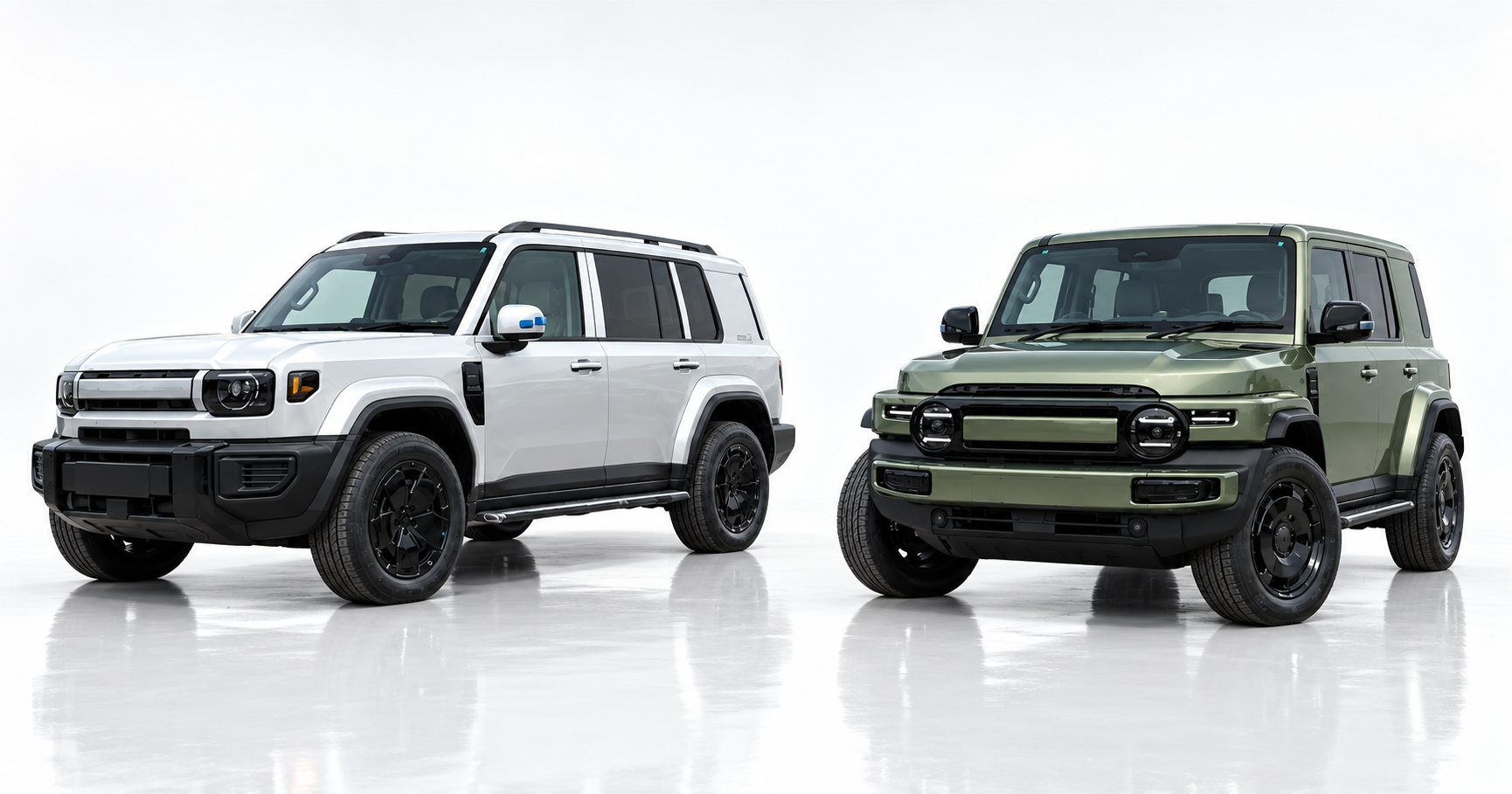
Nexgen Officially Launches iCAUR V23 and V27 in Pakistan
Nexgen has officially launched the iCAUR V23 and V27 in Pakistan. Ex-factory prices, Rs 2.5 million booking amount and October delivery timeline are now public. The V23 comes in pure electric RWD and AWD forms while the V27 uses a range-extended dual-motor setup. Here is everything you need to know before booking.
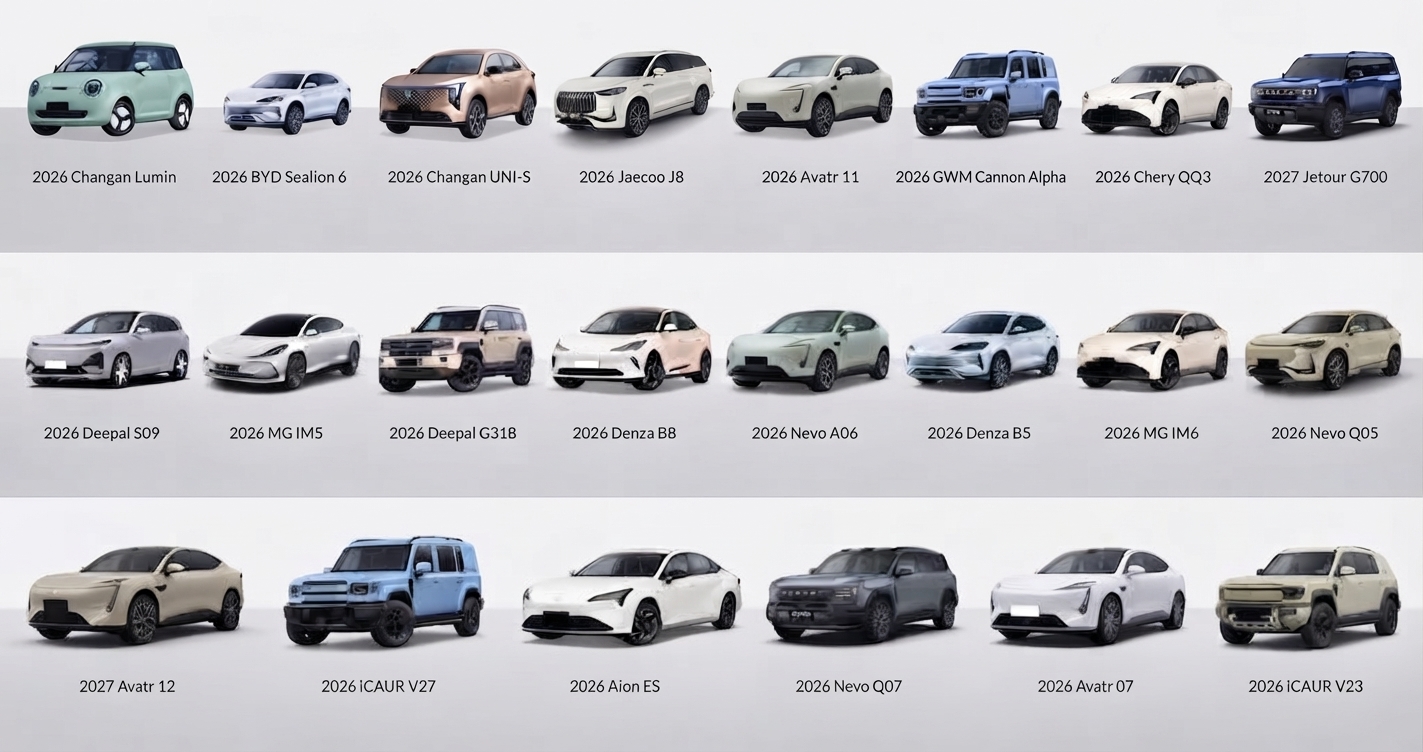
Upcoming Cars in Pakistan 2026-27: A Complete Guide
Pakistan is preparing for a major wave of new cars, from affordable city EVs to premium SUVs and electric sedans. Here is a practical comparison of 22 upcoming models, including iCAUR, Denza, Deepal, MG, BYD, Avatr, Changan, Jaecoo, GWM and Jetour, to help buyers understand where each vehicle fits.

Haval Jolion Max PHEV vs Jaecoo J7 Comparison
Haval unveiled the Jolion Max PHEV on PakWheels. This compact SUV sits between the Jolion and H6. We compare it with the popular Jaecoo J7 PHEV on performance, dimensions, interior, safety and features to see which one comes out ahead in the growing PHEV segment.