Pakistan's Auto Industry Pushes to End the Rs. 3 Million Car Financing Limit
Pakistan’s auto parts industry is pushing the government to scrap the Rs. 3 million car financing cap. They say it’s outdated due to inflation, hurting demand and local manufacturers. With a capacity for 1 million vehicles yearly, easing this could boost the sector.

Table of Contents
- Why the Cap Feels Outdated
- How It Hits Middle-Income Families Hard
- The Untapped Potential of Pakistan's Auto Sector
- Recent Push During Minister's Visit
- What Happens Next?
Pakistan's auto parts makers are fed up with the Rs. 3 million cap on car loans. They want the federal government and the State Bank of Pakistan to get rid of it. This limit, they argue, no longer makes sense in today's economy. It holds back car sales and hurts everyone involved.
The call comes from groups like the Pakistan Association of Automotive Parts and Accessories Manufacturers, or PAAPAM. They've been vocal about how inflation and a weaker rupee have changed things. Most cars that middle-class folks might buy now cost more than Rs. 3 million. That means financing isn't an option for many. And without easy loans, fewer people buy cars. This slows down the whole industry.
Why the Cap Feels Outdated
Think about it. When the State Bank set this cap, car prices were lower. But prices have shot up over the years. Inflation keeps rising, and the rupee has lost value against other currencies. Parts and materials cost more to import or make. So, even basic mid-range models cross that Rs. 3 million line.
Buyers face tough choices. They either pay cash they don't have or skip buying altogether. For families in cities like Karachi or Lahore, a car isn't a luxury; it's how they get to work or school. But with this cap in place, owning one gets harder. Sales drop, and showrooms sit quietly.
Industry folks point out that this isn't just about buyers. Local parts makers suffer too. Factories that build engines, tires, or seats rely on steady demand. When car sales stall, these plants run below capacity. Jobs hang in the balance, and the economy feels the pinch.
How It Hits Middle-Income Families Hard
Middle-income earners are the ones squeezed most. They earn enough to dream of a car but not enough to buy one without help. Financing used to bridge that gap. Now, with the cap, it's like hitting a wall.
Take a teacher or a small business owner. They might need a reliable vehicle for daily commutes. But if a decent sedan costs Rs. 4 million, they're out of luck on loans. They turn to used cars or public transport, which isn't always safe or convenient in Pakistan.
And it's not just individuals. The ripple effect touches suppliers and dealers. Fewer cars sold means less work for mechanics and fewer orders for parts. PAAPAM says this cap suppresses vehicle demand across the board. It's a barrier that keeps the market small and stagnant.
But here's a hook: what if removing it could unlock growth? Imagine more families driving new cars, boosting confidence in the economy. That could lead to more spending in other areas, too.
The Untapped Potential of Pakistan's Auto Sector
Pakistan's auto industry has real muscle. Officials say it could produce up to 1 million vehicles a year. That's a big jump from current levels. But to get there, policies need to change.
Right now, factories in places like Bin Qasim in Karachi have the setup. They have skilled workers and modern tools. Yet, they're not running full tilt because of limits like this financing cap.
Easing these rules could spark a boom. More cars mean more jobs in manufacturing. It could attract foreign investment too. Companies from Japan or China might expand here if demand picks up.
And don't forget exports. A stronger local market could help Pakistan sell vehicles abroad. That brings in foreign exchange and builds the country's reputation in autos.
But it all hinges on the State Bank. They set these caps to control credit and inflation. Any change would need their nod, balancing growth with stability.
Recent Push During Minister's Visit
Things heated up recently when Federal Minister for Commerce Jam Kamal Khan visited the Bin Qasim automotive cluster in Karachi. Industry leaders laid it all out for him.
They showed him the factories and talked about numbers. PAAPAM reps explained how the cap is a roadblock. The minister listened, but no promises yet. Still, it's a step forward. Getting face time with decision-makers raises the issue's profile.
This visit highlights Karachi's role in autos. The city hosts key clusters where parts get made. It's a hub that could drive national growth if supported.
Officials stressed that policy tweaks aren't just wishes, they're needs. With the right moves, the sector could thrive. But time is key. Delays mean lost opportunities.
What Happens Next?
The ball is in the government's court. The State Bank will decide on the cap. Industry groups like PAAPAM keep pushing, hoping for relief soon.
For now, buyers wait and watch. If the limit lifts, it could make car ownership a reality for more people. That boosts the economy and helps families.
In the end, this is about updating rules to fit reality. Inflation won't slow down, so policies must adapt. Removing the cap could be the spark the auto sector needs.
And that's worth considering. A vibrant auto industry means progress for Pakistan. It creates jobs, builds skills, and drives growth. Let's see if leaders listen. For more updates, visit DrivePK.com
Tags
Share this article
About the Author

Najeeb Khan
Automotive enthusiast and writer
Comments (0)
Login Required
You need to be logged in to comment on this article.
No comments yet. Be the first to share your thoughts!
Related Articles
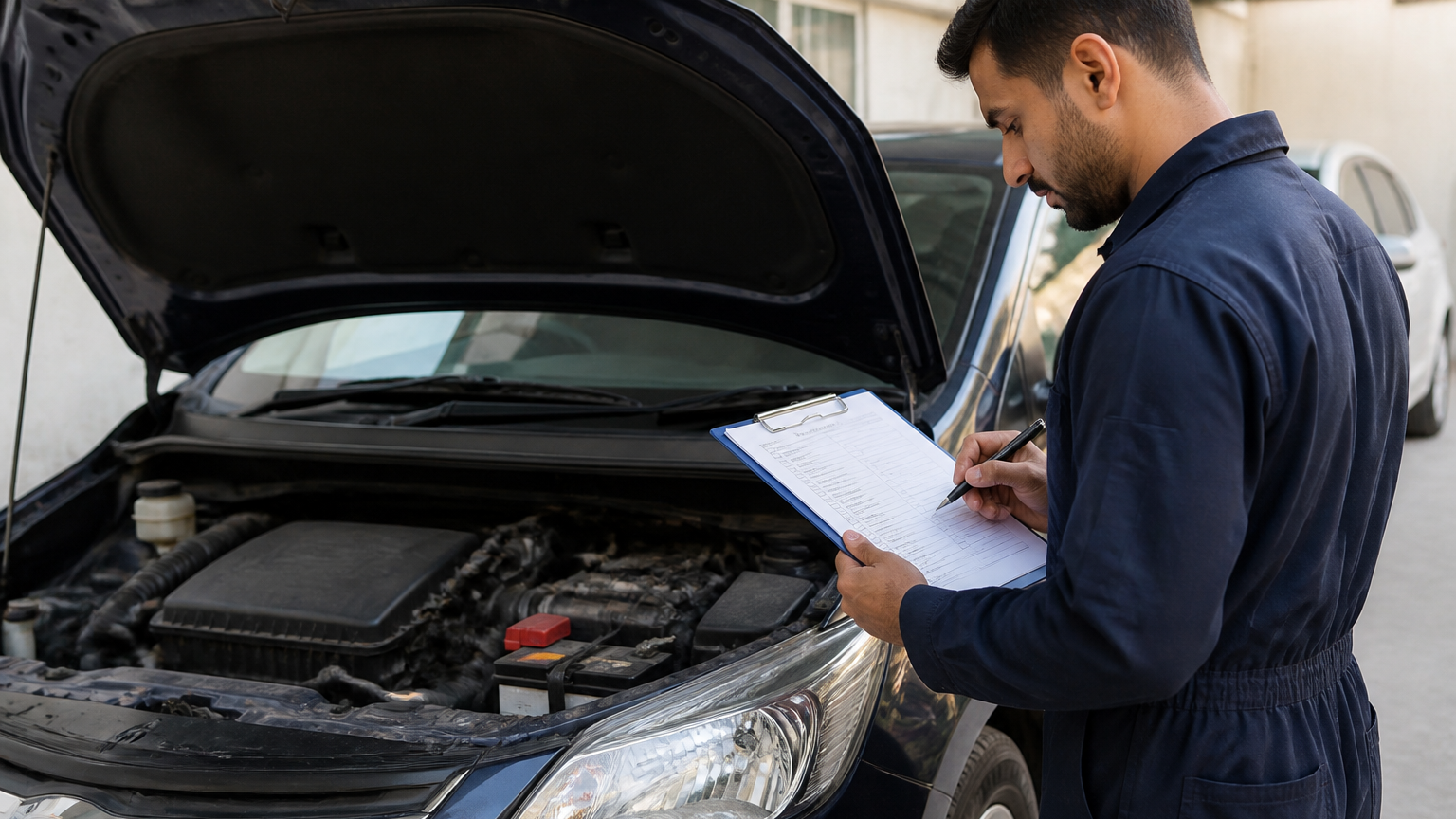
DrivePK Car Inspection Report: Buy Used Cars Safely
Buying a used car in Pakistan? A DrivePK inspection report reveals hidden faults, supports smarter negotiations, and helps you avoid costly mistakes.
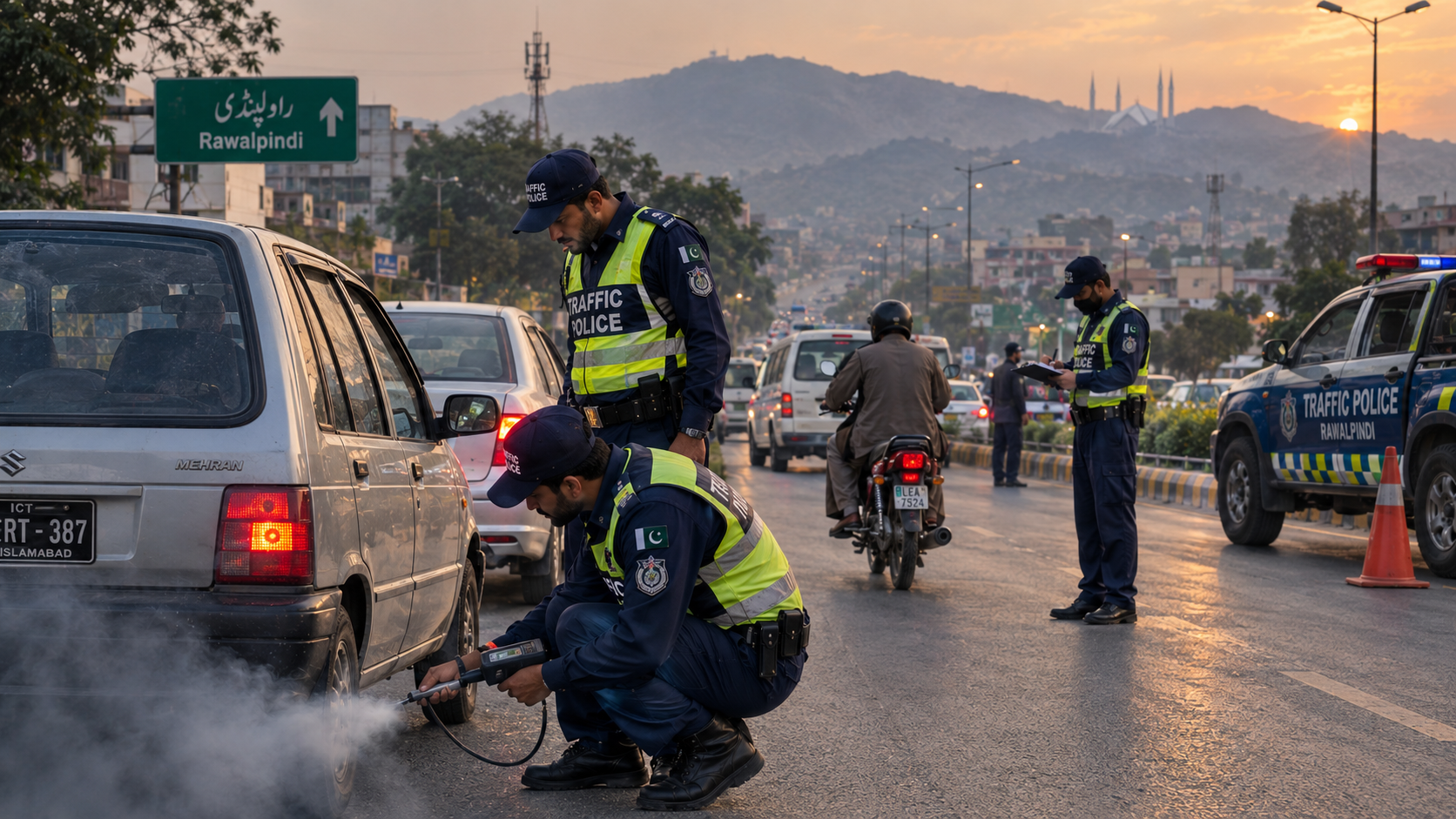
Rawalpindi to Impound Smoke-Emitting Vehicles
Rawalpindi Traffic Police is gearing up for a citywide crackdown on smoke-belching vehicles, with inspections, fines and delays for commuters.
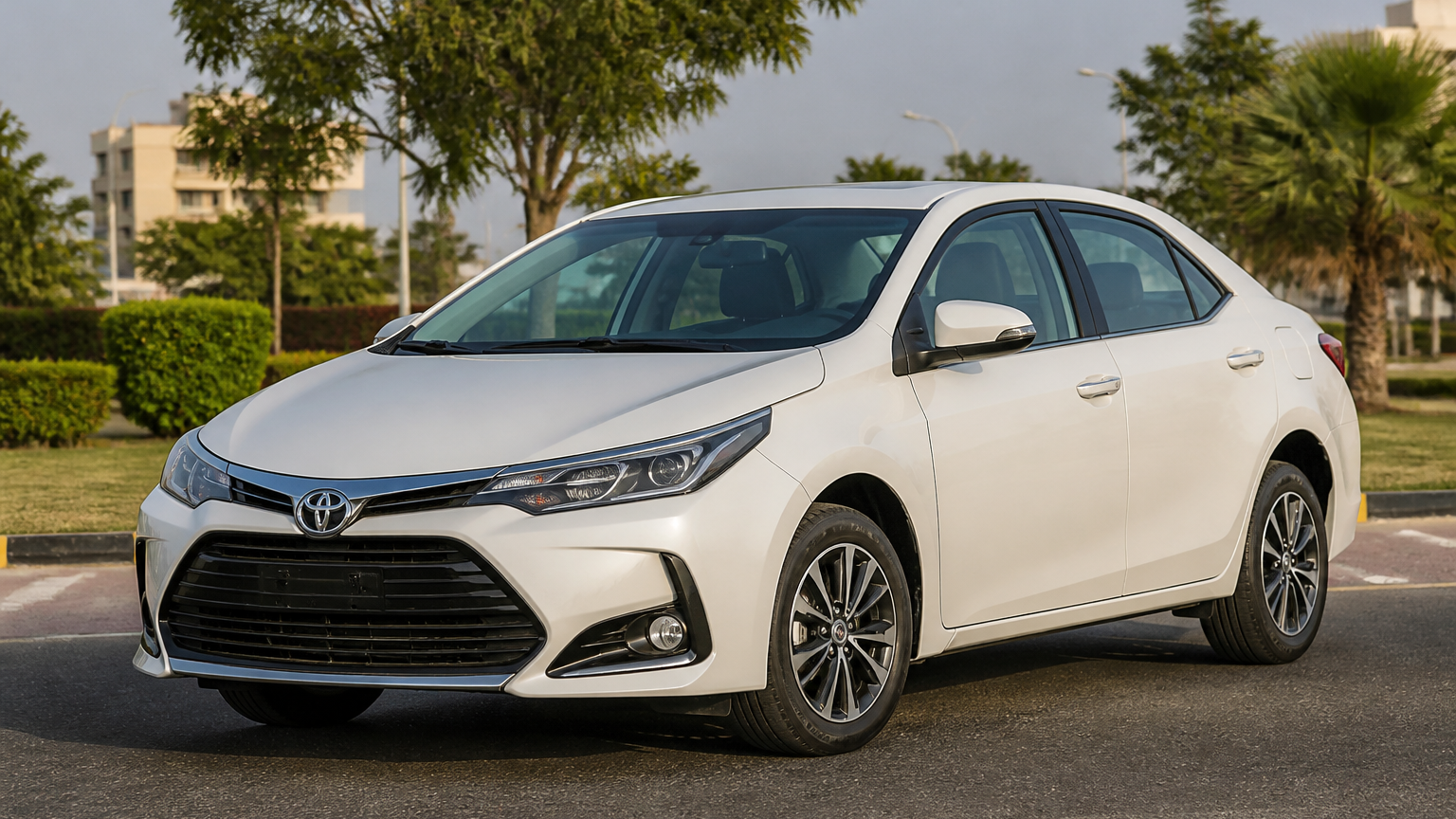
Toyota Corolla Discontinued Before Pakistan Facelift
Pakistan’s pre-facelift Toyota Corolla is reportedly discontinued, hinting at a facelift. Prices, bookings, specs and launch timing remain unconfirmed.