Pakistan’s First Made-in-Pakistan Electric Car Launching Under Rs1 Million by June 2026
Pakistan’s first 100% locally made electric car is coming by June or July 2026. Priced below Rs1 million and built in Lahore, it promises 180km on a single charge. With big government subsidies and export plans, this could finally make electric driving real for ordinary Pakistani families.
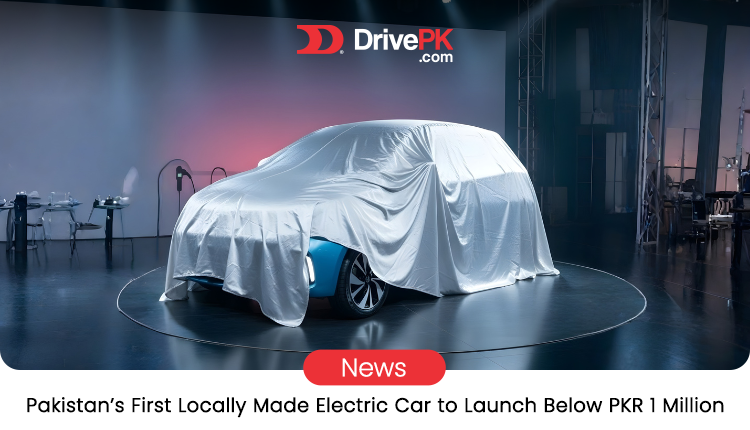
Table of Contents
- What We Actually Know About the Car
- Why This Feels Different This Time
- The Bigger Picture: PAVE Scheme and Everyday Electric Mobility
- How Much Money Will You Actually Save?
- Cleaner Air in Our Cities
- Jobs, Exports, and Real Economic Impact
- What About the Challenges?
- How This Car Compares to What’s Already Here
- What Happens After the First Car?
- Should You Wait or Start Planning Now?
- The Road Ahead Looks Electric
Pakistan’s First Real Homegrown Electric Car Is Almost here And just like that, the wait feels shorter. Last week, Hamad Ali Mansoor, CEO of the Engineering Development Board, stood up at an iftar dinner in Karachi and said something we’ve been hoping to hear for years: Pakistan will launch its first fully locally developed electric car by June or July 2026. Price? Under one million rupees. Built in a plant right here in Lahore. Range up to 180 kilometres on one charge.
No more waiting for imported kits. No more “almost there” stories. This one is made in Pakistan, from the ground up.
What We Actually Know About the Car
Right now, details are still tight, which makes sense; they’re still finishing the line. But here’s what Mansoor shared:
- It’s a proper four-wheeler designed for people who ride bikes today and want something safer for the family.
- 180 km real-world range is enough for Lahore traffic, Rawalpindi commutes, even a Peshawar-Kohat round trip without panic.
- Price tag below Rs1 million, possibly closer to Rs9-10 lakh once taxes drop in the next budget.
- Full local production, which means most parts are made here. That’s huge for spare parts later.
Think of it as the electric version of the old Suzuki Mehran, simple, cheap to run, built for our roads.
Why This Feels Different This Time
We’ve seen electric bikes. We’ve seen Chinese imports. But a proper car stamped “Made in Pakistan” with 100% local content? That’s new.
The government under Prime Minister Shehbaz Sharif is finally walking the talk. They’re cutting taxes on locally assembled vehicles in the 2026-27 budget. They’ve already put Rs100 billion on the table for export incentives. And yes, two or three more companies have already raised their hands, saying they want to build EVs here too.
The old monopoly is cracking. Competition is coming. And ordinary people are going to win.
The Bigger Picture: PAVE Scheme and Everyday Electric Mobility
This car isn’t arriving alone. The Prime Minister’s Accelerated Vehicle Electrification (PAVE) scheme is already rolling.
This year alone, the government is spending Rs9 billion to subsidise:
- Rs80,000 off every new electric motorbike
- Rs400,000 off every electric rickshaw
Over five years, they’re putting Rs100 billion into two- and three-wheelers. Why start there? Because that’s where most Pakistanis actually move bikes and qingqis.
The idea is simple. Get people used to electric power on two wheels first. Then, when the car arrives, the jump feels natural instead of scary.
How Much Money Will You Actually Save?
Let’s talk real numbers, not marketing talk.
A normal 1000cc car in Lahore drinks about Rs500-600 worth of petrol every day in city traffic.
An electric car with 180km range will cost you roughly Rs 80-120 in electricity for the same distance (depending on your charger and rates).
That’s Rs400 a day saved. In one month? Over Rs12,000. In a year? Almost Rs1.5 lakh.
Maintenance? No oil changes, no spark plugs, no timing belt. Just tyres, brakes, and the occasional software update. Most owners say running costs drop 70-80%.
For a family that spends Rs25,000-30,000 a month on fuel today, this car pays for itself in under four years.
Cleaner Air in Our Cities
Lahore’s air quality in winter is a national shame. Karachi traffic fumes choke everyone. Peshawar and Faisalabad aren’t far behind.
Every electric car on the road means one less exhaust pipe pumping smoke. The government says they want 30% of new vehicles to be electric by 2030. This Lahore plant is how we start hitting those numbers for real.
And don’t forget the battery plant opening in May 2026. First local lithium battery production. 74% local components. That cuts costs even more and keeps rupees in Pakistan instead of sending them to China for imported packs.
Jobs, Exports, and Real Economic Impact
This isn’t just about one car.
- The Lahore plant already employs people.
- More plants will open as new companies join.
- The spare parts industry will grow.
- Export incentives mean we could soon see Pakistani EVs in right-hand-drive markets like Sri Lanka, Bangladesh, and even parts of Africa.
Hamad Ali Mansoor was clear: “Plans are in place to export ‘Made in Pakistan’ vehicles.” Rs100 billion set aside for that. That’s real money coming back into the country.
What About the Challenges?
Let’s be honest, it won’t be perfect on day one.
Charging stations are still few. Home charging will be the main option for most buyers (just like a phone plugged in at night).
A range of 180km sounds small compared to fancy imported EVs, but for 90% of Pakistani commutes, it’s more than enough. Most people don’t drive 300km every day.
Battery replacement after 8-10 years will cost money, but local production should bring those prices down fast.
And yes, many people still worry about “what if I run out of charge?” That fear will fade once they actually drive one and see how predictable the range is.
How This Car Compares to What’s Already Here
Current options under Rs1 million? Mostly old petrol cars or very basic Chinese EVs with tiny batteries and poor build quality.
This new one is different because:
- It’s designed here for our roads and our climate.
- Local parts mean cheap repairs.
- Government backing means better after-sales support.
It won’t beat an Rs4 million imported BYD on features. But it doesn’t need to. It just needs to be reliable, cheap to run, and actually available.
What Happens After the First Car?
Mansoor hinted at more. Some reports talk about an SUV and a sedan coming later. Advanced models with longer range (some claims go up to 1200km, though that’s future talk).
The point is momentum. Once the first car proves the concept, investment will pour in. Local engineers will start innovating. Universities will launch more EV programs.
This is how an industry is born.
Should You Wait or Start Planning Now?
If you’re thinking of buying a new car in 2026, keep your eyes on this launch.
Book early when bookings open. Check your home electricity connection; most houses can handle a 7kW charger without issues.
Talk to your bank about the new green financing schemes that are coming.
And most importantly, test drive one the moment it hits showrooms. You’ll feel the difference immediately: silent, smooth, instant torque.
The Road Ahead Looks Electric
Pakistan has talked about electric mobility for years. Now we’re finally seeing metal rolling off a local production line.
This summer, when the first Made-in-Pakistan EV quietly drives out of that Lahore plant, it won’t just be one car. It will be the start of something bigger: cheaper transport, cleaner air, new jobs, and maybe even Pakistani EVs on roads in other countries someday.
- For families tired of rising petrol prices.
- For young people who want modern tech without the crazy price tag.
- For a country that’s ready to move forward.
The future just got a lot closer. And it costs less than one million rupees. For more updates, visit DrivePK.com
Tags
Share this article
About the Author

Najeeb Khan
Automotive enthusiast and writer
Comments (0)
Login Required
You need to be logged in to comment on this article.
No comments yet. Be the first to share your thoughts!
Related Articles
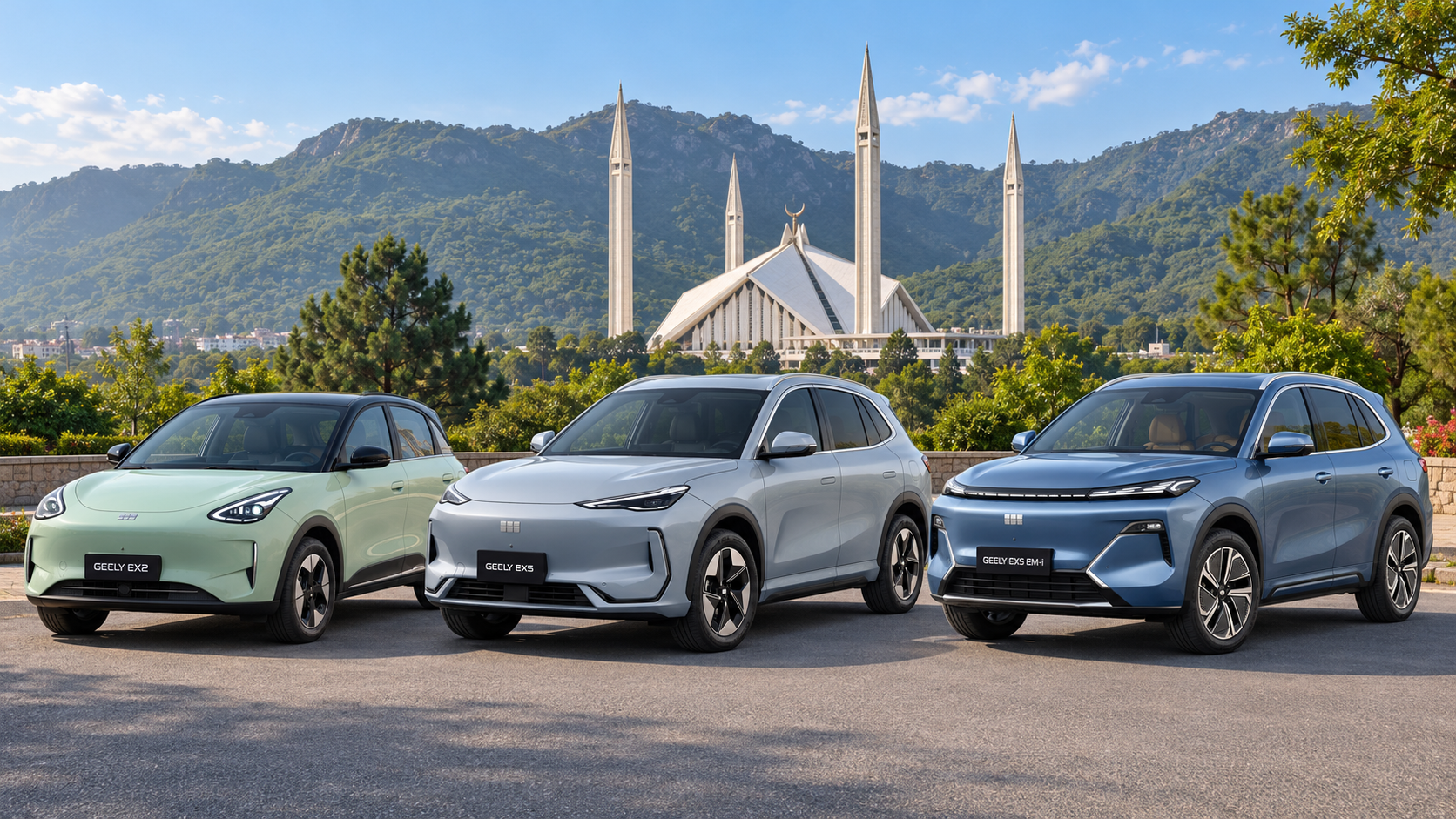
Geely نے پاکستان میں EX2، EX5 اور Starray EM-i متعارف کروا دیئے
Geely نے Bestway کے ساتھ پاکستان میں قدم رکھا ہے اور EX2، EX5 اور Starray کی رونمائی کی ہے۔ قیمتیں، بکنگ اور ڈیلیوری کی تفصیلات ابھی واضح نہیں—ادائیگی سے پہلے انتظار کریں۔
Geely Launches EX2, EX5 and Starray EM-i in Pakistan
Geely enters Pakistan with Bestway, unveiling EX2, EX5 and Starray. Prices, bookings and deliveries remain unclear—wait before paying.
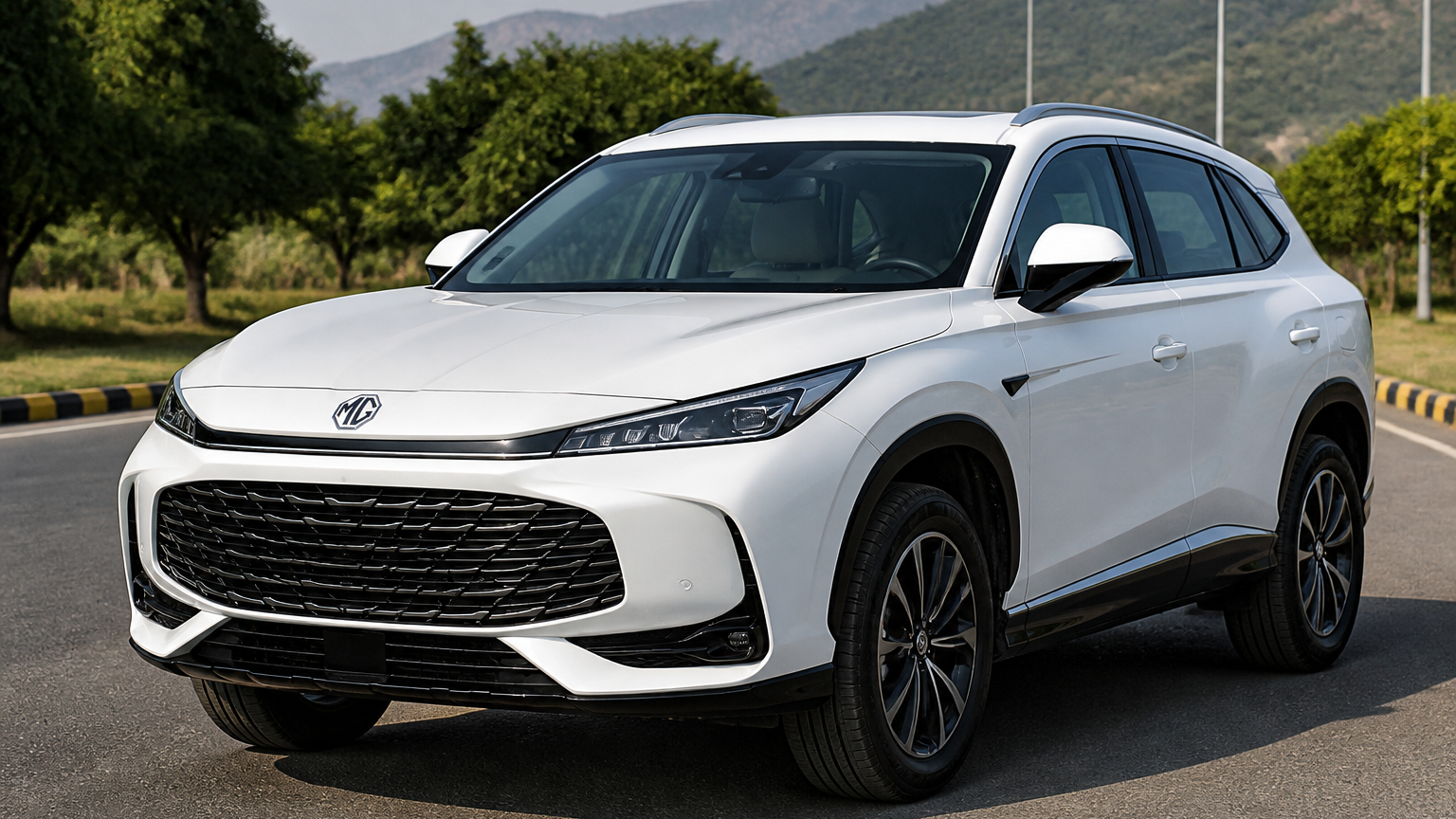
MG HS Hybrid+ برقی-اول ترجیحی ڈرائیونگ کا وعدہ کرتی ہے
MG HS Hybrid+ برقی-اول ڈرائیونگ اور تین ریجنریٹیو بریکنگ موڈز کے ساتھ پاکستان میں دلچسپی پیدا کر رہی ہے—مگر قیمت، لانچ، بکنگ اور وارنٹی تاحال غیر تصدیق شدہ ہیں۔