Pakistan's ML-I Railway Project Starts in July 2026: Boosting Freight from Karachi to Peshawar
Pakistan's ML-I railway project kicks off in July 2026 from Karachi Port. It aims to upgrade the Karachi-Peshawar route for better freight and passenger services. Expect faster cargo moves, lower costs, and a shift from road to rail. This marks a big step in rail infrastructure.
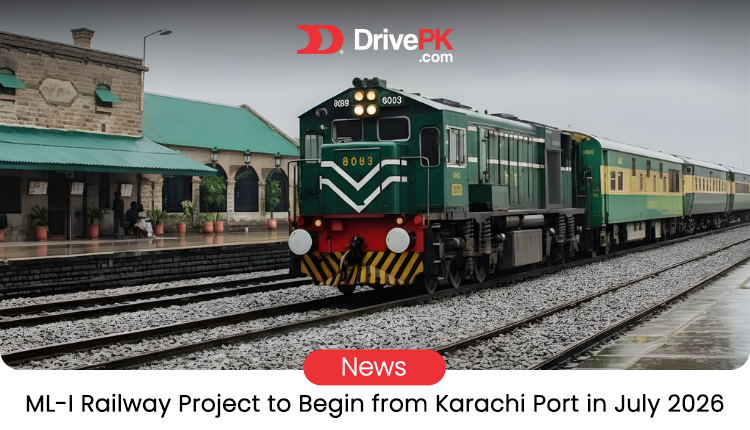
Table of Contents
- What Exactly Is the ML-I Project?
- The Meeting That Sealed the Deal
- Upgrading the Tracks: From KPT to Pipri
- Why This Matters for Pakistan
- Challenges Ahead
- Looking Forward
Pakistan's railways are about to get a serious boost. Federal Minister for Railways Hanif Abbasi just announced that the Main Line I (ML-I) project will start from Karachi Port in July 2026. This is huge for the country's transport system. It means better connections for freight and passengers along the busy Karachi to Peshawar route.
Think about it. Right now, a lot of goods move by truck, which clogs roads and costs more. But with this upgrade, rail could take over much of that work. It's not just about trains running faster; it's about making the whole system smarter and cheaper.
What Exactly Is the ML-I Project?
ML-I is the backbone of Pakistan's rail network. It stretches from Karachi in the south all the way up to Peshawar in the north. The project focuses on modernizing this key line. That includes fixing tracks, improving signals, and adding better tech for safety and speed.
The start at Karachi Port makes sense. Ports handle tons of cargo every day—everything from imports like machinery to exports like textiles. By upgrading the rail links here first, the project tackles a major bottleneck. Hanif Abbasi shared this during a recent meeting, and it got everyone talking about how this could change things.
And why freight? Moving goods by rail is often cheaper and greener than by road. Trucks burn more fuel and cause more wear on highways. Rail can handle big loads with less hassle. This project puts a spotlight on that shift.
The Meeting That Sealed the Deal
Hanif Abbasi didn't make this announcement alone. He met with folks from the Karachi Port Trust (KPT). Together, they hammered out a plan to make port logistics smoother. The goal? Get cargo from ships to trains without delays.
They talked about joint strategies. That means working as a team to handle more freight on rails. Right now, roads carry most of it, but that's inefficient. Switching to rail could cut costs for businesses and reduce traffic jams.
One key part: expanding cargo capacity. Pakistan Railways plans to add more trains and better facilities. Imagine containers stacking up at the port, waiting for trucks. Soon, they could load straight onto trains headed north.
But it's not just talk. They finalized the steps to make this happen. That includes upgrading the infrastructure right at the port.
Upgrading the Tracks: From KPT to Pipri
A big chunk of the work targets the 54-kilometer stretch from Karachi Port to Pipri. This section is crucial because it's the gateway for cargo leaving the port.
What's the plan? Modernize it all. That means stronger tracks, faster switches, and maybe even automated systems. The result? Trains move more quickly and safely. No more slow crawls that delay shipments.
This upgrade ties into the bigger ML-I vision. Once done, cargo from Karachi can zip up to Peshawar without hitches. For businesses, that means reliable delivery times. For the economy, it could mean more trade and jobs.
And let's not forget passengers. While freight is the focus, better tracks help everyone. Smoother rides, fewer delays, it's a win for daily commuters too.
Why This Matters for Pakistan
Pakistan's economy relies on good transport. Ports like Karachi are lifelines for trade. But outdated rails hold things back. Trucks dominate because rails aren't up to par. This project flips that script.
Shifting freight to rail cuts costs. Fuel prices are high, and roads need constant repairs. Rail is more efficient for long hauls. It also eases pollution; fewer trucks mean cleaner air.
Plus, it's about safety. Road accidents are common with overloaded trucks. Rail reduces that risk.
For the north, like Peshawar, better links mean easier access to southern ports. Goods flow both ways: exports out, imports in.
Hanif Abbasi's announcement signals commitment. Starting in July 2026 gives time to prepare. But it's already building excitement.
Challenges Ahead
No big project is easy. Funding, timelines, and coordination matter. Pakistan Railways has faced delays before. But with KPT on board, things look promising.
They'll need to train staff and maintain the new setup. Weather and terrain add hurdles that cross diverse areas.
Still, the focus on efficiency is smart. By prioritizing cargo, they address real needs.
Looking Forward
July 2026 isn't far off. When ML-I starts, it could transform Pakistan's rails. From Karachi Port outwards, the upgrades will spread.
Businesses should watch this. Cheaper transport means better profits. For everyday people, it means progress.
And that's the core: building a stronger system for all. The meeting with KPT shows teamwork in action. As plans unfold, expect more updates.
This project isn't just tracks it's about connecting the country better. Freight leads the way, but benefits ripple out.
In the end, modern rails mean a modern Pakistan. Starting at the port makes perfect sense. Let's see how it plays out.
For more updates, visit DrivePK.com
Tags
Share this article
About the Author

Najeeb Khan
Automotive enthusiast and writer
Comments (0)
Login Required
You need to be logged in to comment on this article.
No comments yet. Be the first to share your thoughts!
Related Articles
DrivePK Car Inspection Report: Buy Used Cars Safely
Buying a used car in Pakistan? A DrivePK inspection report reveals hidden faults, supports smarter negotiations, and helps you avoid costly mistakes.
Rawalpindi to Impound Smoke-Emitting Vehicles
Rawalpindi Traffic Police is gearing up for a citywide crackdown on smoke-belching vehicles, with inspections, fines and delays for commuters.
Toyota Corolla Discontinued Before Pakistan Facelift
Pakistan’s pre-facelift Toyota Corolla is reportedly discontinued, hinting at a facelift. Prices, bookings, specs and launch timing remain unconfirmed.