Pakistan Signs MoU with StarCharge for EV Charging Push
Pakistan just signed an MoU with StarCharge to speed up electric vehicle growth. The deal focuses on charging stations, technology sharing, and making more parts locally. This could make owning an EV easier and cheaper while helping the country save on fuel. Here’s a clear look at what’s happening and why it matters.
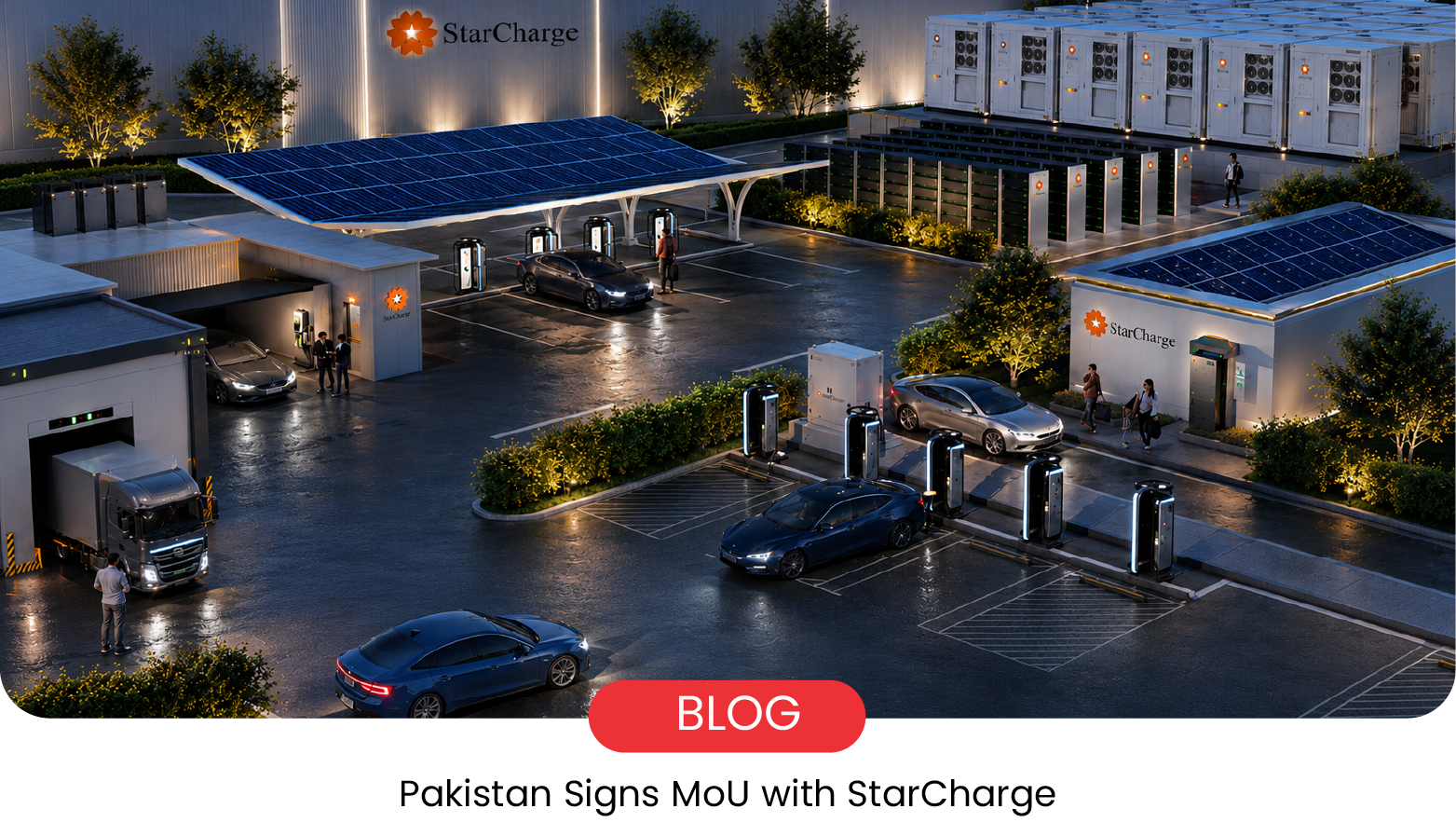
Table of Contents
- The Current State of EVs in Pakistan
- What the StarCharge Partnership Brings
- The MoU points to several practical steps:
- Benefits That Hit Home
- Challenges We Still Need to Tackle
- How It Fits the Bigger EV Picture
- What Comes Next
Pakistan faces high fuel costs and polluted air in many cities. A fresh agreement with China’s StarCharge could help change that. Officials signed the MoU with StarCharge, StarCharge Energy Pakistan, and Bahum Global Ltd to build up the EV side of things.
The focus sits on three main areas: setting up more charging points across the country, bringing in better technology, and helping local factories make EV parts. Government people say this will pull in foreign money, grow local jobs, and cut how much we spend on imported oil.
I’ve looked into the details, checked the numbers, and talked through what this really means for regular drivers, businesses, and the bigger picture.
The Current State of EVs in Pakistan
Electric two-wheelers already show strong growth. Sales jumped a lot in 2025, with tens of thousands of electric bikes and scooters hitting the roads. The government wants 30% of new vehicle sales to be electric by 2030. That includes targets for over two million EVs on the roads in the coming years.
Right now, most action happens in two- and three-wheelers because they suit city commuting and cost less to run. Four-wheelers lag, partly because charging spots remain limited. People worry about running out of power on longer trips. That “range anxiety” keeps many from switching.
The good news? Policies already help. Electricity rates for charging stations dropped, making it cheaper to plug in. Subsidies on electric bikes also make them more affordable for families.
What the StarCharge Partnership Brings
StarCharge operates in over 60 countries and knows how to build reliable charging systems. Pakistani officials visited their headquarters in Changzhou and discussed real plans for infrastructure, smart energy tools, and local production.
The MoU points to several practical steps:
- More charging stations: Expanding public spots, especially along highways and in cities. The national plan already eyes 3,000 stations by 2030, starting with fast chargers on major routes.
- Technology transfer: Sharing know-how so Pakistani companies can make and maintain equipment locally instead of importing everything.
- Local manufacturing: Partnering with firms like Bahum Global to set up production here. This creates jobs and brings down costs over time.
- Investment boost: Attracting money that supports the full EV chain, from chargers to vehicles.
Other players already work in this space too. Companies install dozens of StarCharge units, and big names like PSO and HUBCO build networks. This new deal adds momentum and brings proven global tech.
Benefits That Hit Home
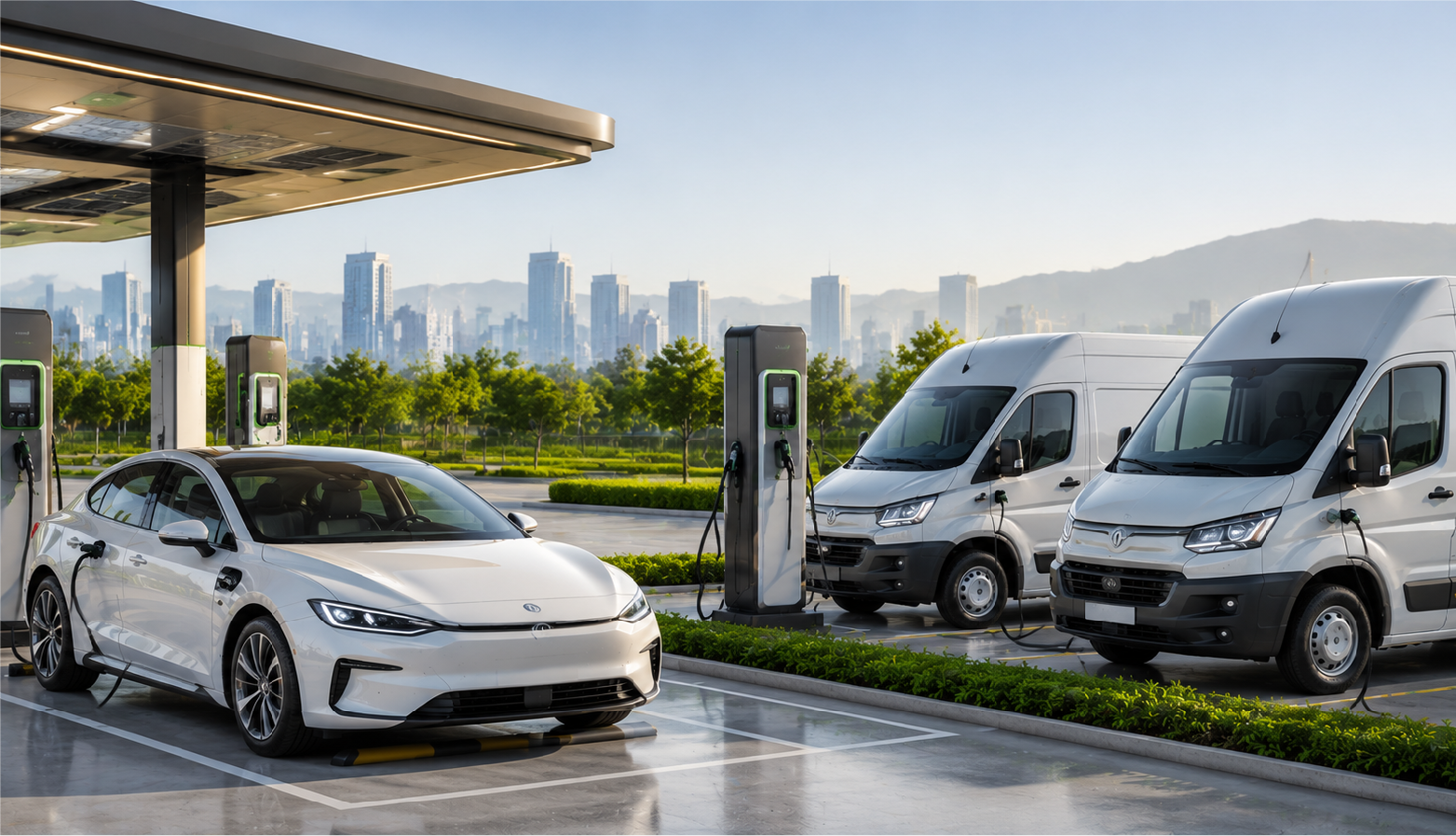
For drivers: Imagine pulling up at a familiar petrol station and charging your vehicle instead of filling up with expensive fuel. Lower running costs could save families real money each month. Cleaner air means fewer breathing problems, especially for kids in big cities.
For businesses: Fleet operators think delivery vans or ride-hailing services gain from cheaper energy and less downtime. Reliable chargers make electric options practical.
For the country: Pakistan imports a huge amount of fuel. Shifting even part of transport to electricity saves foreign exchange and reduces pollution. The policy links to broader goals like cutting emissions and using surplus power from the grid.
One real example: Electric bikes already help many daily commuters skip the fuel pump. Scaling this up with solid charging support changes the game.
Challenges We Still Need to Tackle
No big shift happens overnight. Grid capacity in some areas needs work. Setting up thousands of stations takes time, money, and coordination between government bodies and private companies. People also need clear information on where to charge and how much it costs.
The tariff reduction helps, but private investors want good returns. Safety standards and quality control matter so users trust the system. And while two-wheelers move fast, getting more cars on the road requires both vehicles and supporting infrastructure.
The MoU addresses some of these by focusing on localization and smart tech. Cloud-based systems from partners like StarCharge can help manage charging loads better and avoid straining the power supply.
How It Fits the Bigger EV Picture
Pakistan’s New Energy Vehicle Policy 2025-2030 sets clear targets. It includes subsidies, easier approvals for stations, and rules for oil companies to add chargers at their sites. The StarCharge deal supports this by bringing expertise and investment.
Other partnerships exist with BYD, local assemblers, and more. This one stands out for its focus on charging and smart energy, which many see as the missing piece.
Success depends on steady follow-through. If stations appear where people need them, and costs stay reasonable, adoption will speed up. Local manufacturing can then create a self-sustaining industry.
What Comes Next
Watch for updates on actual station rollouts and local production starts. Early phases target highways and major cities. Over time, smaller towns should see coverage too.
For individuals thinking about going electric, now is a good time to research options. Check available subsidies, talk to current owners, and keep an eye on new charging spots.
Businesses and investors should explore opportunities in this growing sector. The government signals strong support through policy and international deals.
This MoU marks another step in Pakistan’s move toward cleaner transport. It won’t solve everything at once, but it builds important foundations. With continued effort from all sides, electric mobility can become normal for more Pakistanis saving money, cutting pollution, and opening new economic doors.
The road ahead has challenges, sure. But the direction feels promising. More reliable charging, local jobs, and lower costs could make a real difference in daily life. Stay tuned as these plans turn into on-the-ground progress. For more updates, visit DrivePK.com
Tags
Share this article
About the Author

Najeeb Khan
Automotive enthusiast and writer
Comments (0)
Login Required
You need to be logged in to comment on this article.
No comments yet. Be the first to share your thoughts!
Related Articles
Switching to an Automatic Car in Pakistan: What to Know
Switching to an automatic in Pakistan? Weigh traffic comfort against purchase price, servicing, gearbox support, and surprise repair costs.
شانگس کے قریب لینڈ سلائیڈ کے بعد سکردو روڈ بند
شانگس کے قریب بالتستان روڈ پر لینڈ سلائیڈ کے باعث سفر معطل ہوگیا ہے۔ مسافر اس مقام کو عبور نہ کریں؛ عملہ ملبہ ہٹا رہا ہے، تاہم دوبارہ کھلنے کا وقت تاحال معلوم نہیں۔
Skardu Road Closed After Landslide Near Shangus
Landslide blocks Baltistan Road near Shangus, stranding travelers. Avoid crossing; crews are clearing debris, but reopening time remains unknown.