Petrol and Diesel Prices Set to Climb Again in Pakistan
The government is set to raise petrol and diesel prices in the coming days after a meeting with provinces. Finance Minister Muhammad Aurangzeb reviewed the situation as the gap between local and import costs hit Rs100 per litre for petrol and over Rs200 for diesel. The state has already spent Rs129 billion on subsidies and plans targeted to help bikers, rickshaw drivers, and farmers.
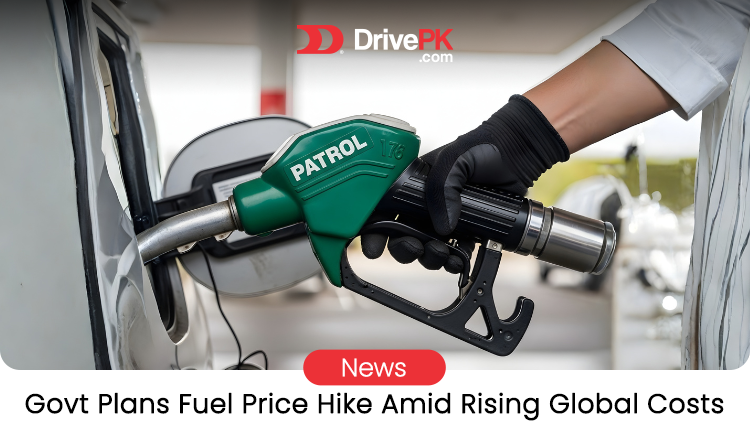
Table of Contents
- Why Prices Are Moving Again
- Who Gets Targeted Relief
- Current Fuel Prices and the Expected Impact
- How This Connects to Electric Vehicles Like the Dongfeng Box Smart 330
- What This Means for Ordinary Drivers
- Practical Steps You Can Take Now
The federal government, working with the provinces, is getting ready to adjust petrol and diesel prices upward. This move comes as global import costs keep rising. A high-level meeting chaired by Finance Minister Muhammad Aurangzeb looked at the numbers, and officials are weighing how much of the international price increase to pass on to consumers.
Right now, the difference stands at roughly Rs100 per litre for petrol and more than Rs200 per litre for diesel. The final decision will come after fresh calculations from OGRA and the Petroleum Division. Most drivers know this pattern too well – when world oil prices go up, local pumps eventually feel it.
Why Prices Are Moving Again
Global oil markets have stayed volatile. Tensions in the Middle East and higher shipping costs pushed import prices higher for Pakistan. The government tried to hold rates steady by spending heavily on subsidies, but that support has limits.
So far, the state has put in Rs129 billion to keep fuel affordable. The plan is to cap the total subsidy at around Rs. 158 billion. Beyond that, some of the burden has to shift. Provinces joined the talks and agreed to help share the load, especially through focused relief programs.
This is not a full pass-through of the gap. The idea is to balance the books without hitting every citizen equally hard.
Who Gets Targeted Relief
Instead of blanket subsidies that benefit everyone, the approach this time leans toward specific groups. Motorcyclists, three-wheeler users, and farmers are likely to see some support. These segments form the backbone of daily transport and agriculture in Pakistan.
Provinces will roll out their own schemes, perhaps direct cash help, discounted fuel vouchers, or sector-specific programs. The exact shape is still being finalised, but the message is clear: help those who need it most rather than subsidising luxury cars or big commercial fleets.
Everyday commuters on bikes and small rickshaws feel the fuel hikes the hardest. Farmers depend on diesel for tractors and tube wells. Giving them some cover makes practical sense.
Current Fuel Prices and the Expected Impact
As of late March 2026, petrol sits around Rs321 per litre and high-speed diesel at Rs336 per litre. Any new increase will add to monthly budgets for millions of households and businesses.
A Rs10–20 rise per litre might not sound huge on paper, but for someone filling a bike tank several times a week or running a delivery van, it adds up fast. Transport costs ripple through the economy – food prices, goods delivery, and even public fares often follow.
That is exactly why many people are now looking seriously at alternatives.
How This Connects to Electric Vehicles Like the Dongfeng Box Smart 330
With fuel prices under pressure again, electric cars start looking more attractive. Chawla Green Motors recently launched the Dongfeng Box Smart 330 at PKR 5,500,000 a full PKR 900,000 cheaper than the earlier base model.
This entry-level variant offers a 330 km range, enough for most city commutes and short highway runs in places like Rawalpindi, Islamabad, or Lahore. Once you charge at home or work, the per-kilometre cost drops dramatically compared to filling up with petrol.
Running an EV means no more weekly trips to the pump, worrying about the next price announcement. Maintenance stays simpler too, no engine oil changes or spark plugs to replace. For families tired of watching fuel bills climb, the timing of this cheaper EV feels right.
The Smart 330 does not solve every problem. Long-distance travel still needs planning, and charging infrastructure is still growing. But for daily use, it removes a big chunk of the uncertainty that comes with rising petrol and diesel rates.
What This Means for Ordinary Drivers
If you rely on a bike or a small car for work and family, keep an eye on the next price notification. Even a modest hike stretches budgets already squeezed by inflation. At the same time, it pushes more people to calculate the real cost of ownership of fuel versus electricity.
Business owners who run fleets will feel the pinch on diesel, especially. Logistics and agriculture could see higher operating expenses unless the targeted subsidies deliver meaningful relief.
On the brighter side, the government’s focus on capping subsidies and helping specific groups shows some effort to manage the fiscal side without total shock to the public. Still, the direction is clear: fuel will cost more over time as global prices move.
Practical Steps You Can Take Now
Check your weekly driving distance and current fuel spend. For many, switching even part of the routine to public transport or carpooling helps in the short term.
If you are in the market for a new vehicle, test drive an electric option like the Dongfeng Box Smart 330. See how the range fits your actual routine and ask about home charger installation. The lower running cost can pay back over a couple of years, especially if petrol keeps trending up.
Talk to your local dealer or visit Chawla Green Motors showrooms for the latest on pricing and availability. Delivery timelines and any introductory offers can make a difference.
The coming fuel price adjustment is another reminder that energy costs in Pakistan stay closely tied to the world market. The government is trying to soften the blow through targeted help and subsidy limits. For drivers, it highlights the growing case for cleaner, cheaper-to-run vehicles that reduce dependence on imported fuel.
In the end, every litre saved at the pump or replaced by a charge at home eases the pressure on your wallet. As these decisions play out in the next few days, staying informed and exploring real options will help you handle the change better. For more updates, visit DrivePK.com
Tags
Share this article
About the Author

Najeeb Khan
Automotive enthusiast and writer
Comments (0)
Login Required
You need to be logged in to comment on this article.
No comments yet. Be the first to share your thoughts!
Related Articles
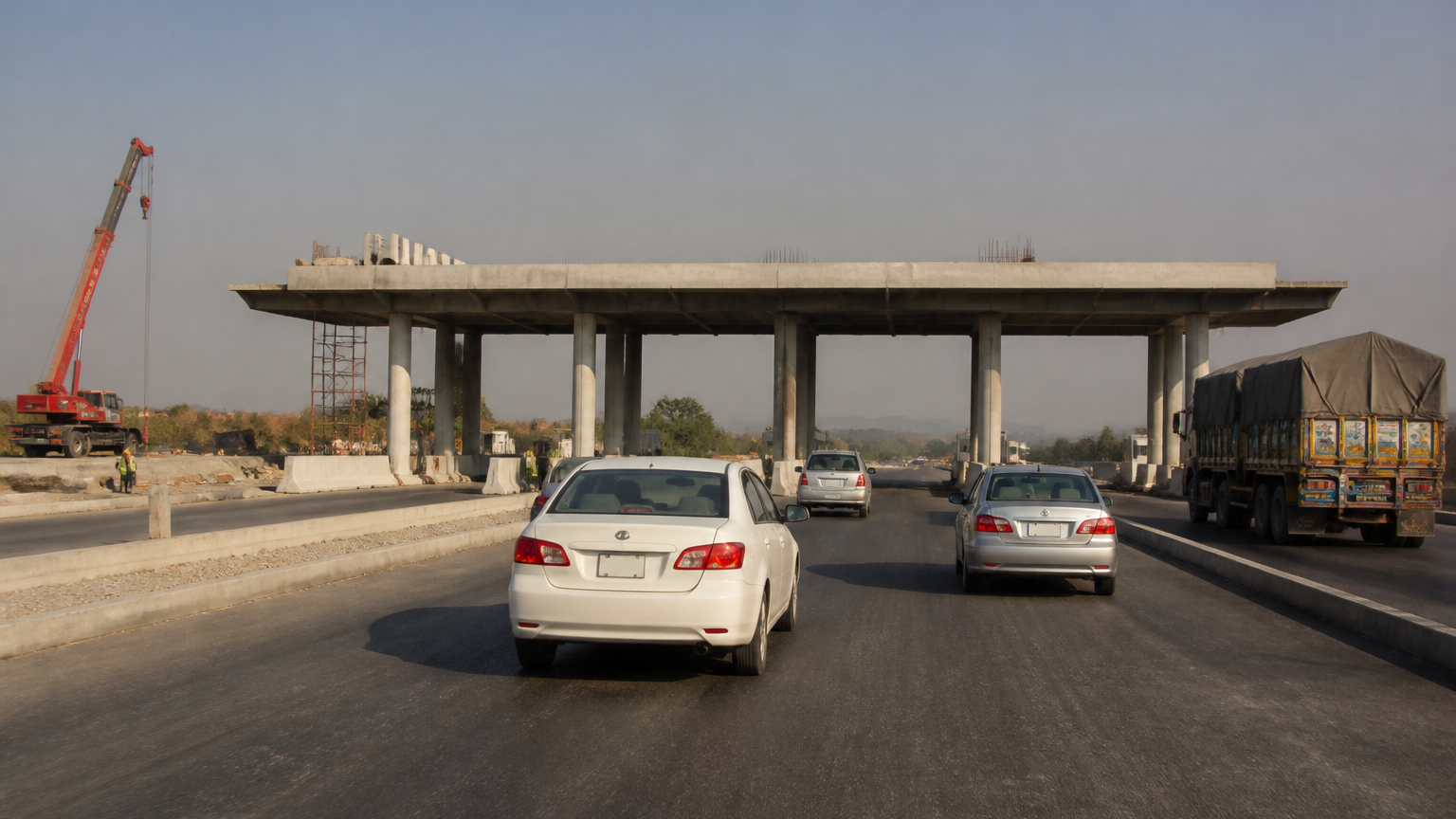
Rawalpindi Ring Road Opening Delayed by Toll Plaza Work
Rawalpindi Ring Road is structurally complete, but toll plazas and e-toll systems remain unfinished—delaying opening, toll rates and traffic relief.
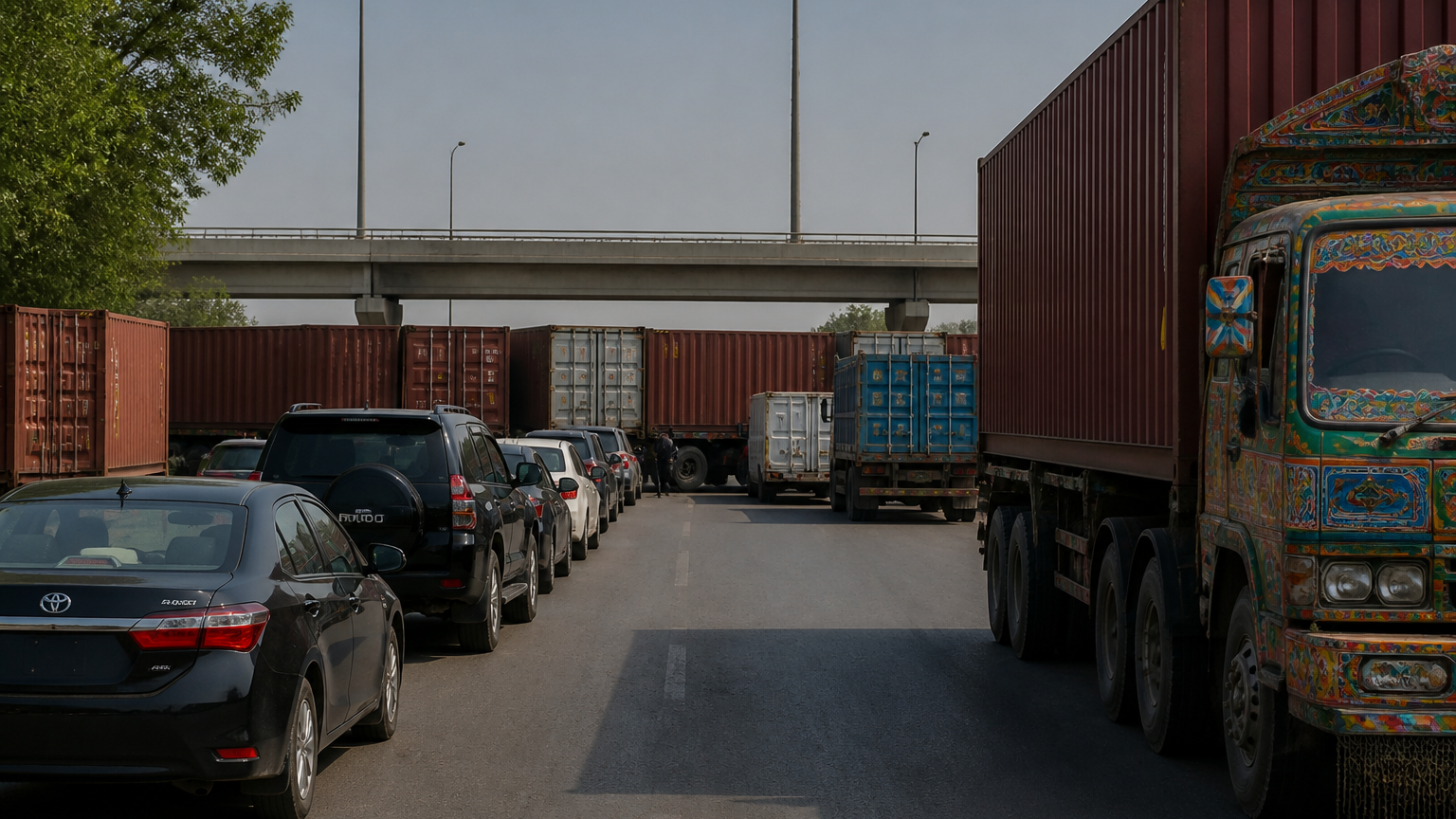
Islamabad Blockades Delay Karachi Freight Before PTI Protest
PTI’s Oct. 4 march may delay northbound freight from Karachi, affecting car parts, tyres and workshop supplies—but the scale remains unclear.
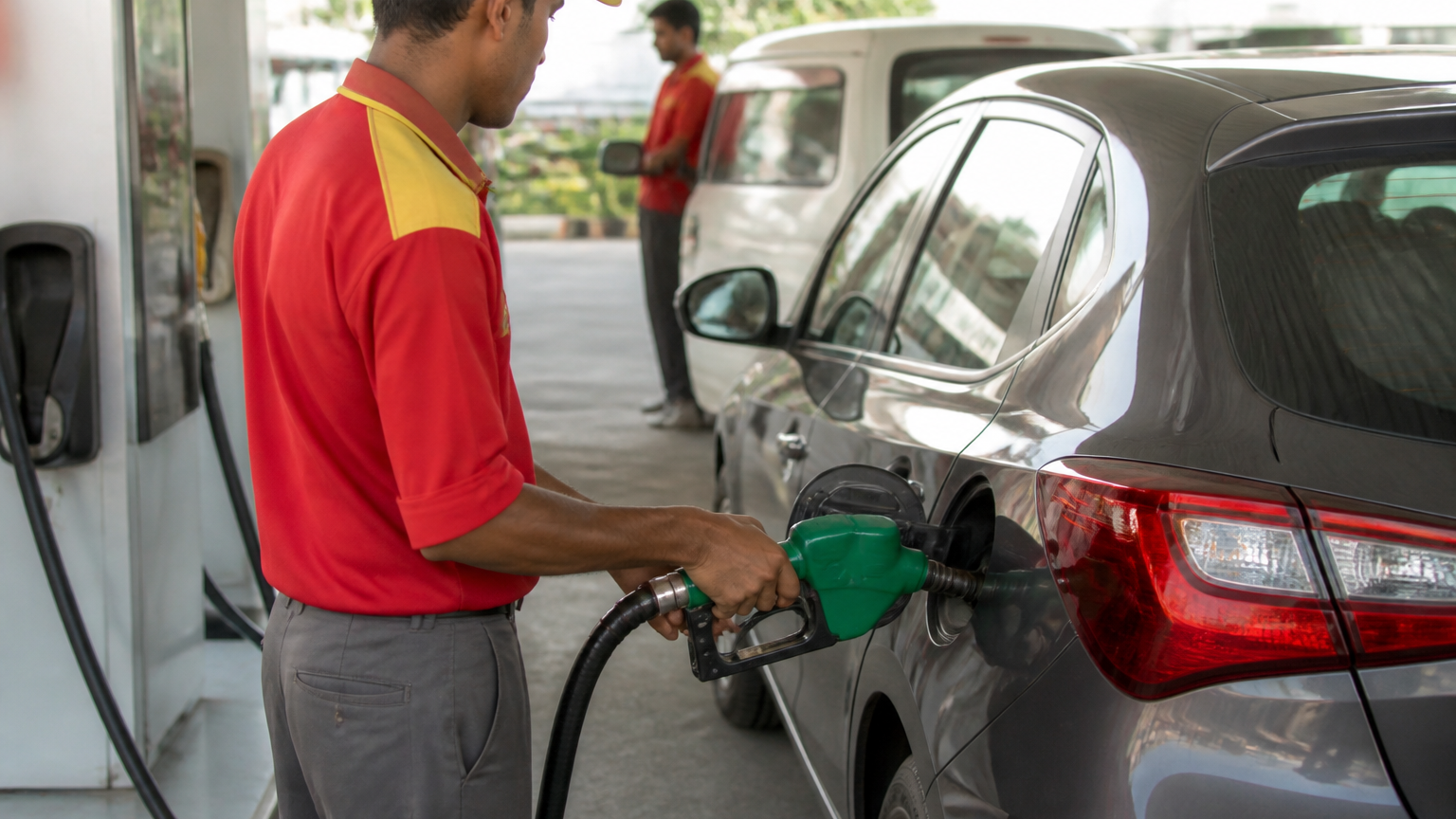
Oil Prices Near $100: Impact on Pakistan
Brent nears $100 after a sharp swing linked to China’s fuel-export curbs—but Pakistan’s petrol and diesel prices remain unchanged for now.