Petrol Price Hike: Rs4.93 Increase Hits Pakistan on July 22, 2026
The government raised petrol by Rs4.93 to Rs320.73 per litre and diesel by Rs7.15 to Rs367.21 effective July 22, 2026. This small daily adjustment under the new mechanism adds pressure on households already watching every rupee. Here's what it really means for you.
Table of Contents
- Why Fuel Prices Changed Today
- How the New Daily Mechanism Works
- The Immediate Impact on Your Pocket
- Broader Effects on the Economy
- What This Means for Different People
- The Petrol Dealers' Side and Potential Disruptions
- Practical Steps You Can Take
- Looking Ahead
The federal government announced another increase in fuel prices today. Petrol now costs Rs320.73 per litre, up Rs4.93 from Rs315.80. High-speed diesel sits at Rs367.21 per litre, up Rs7.15. These rates take effect from July 22, 2026, and last for the next 24 hours under the daily pricing system.
It feels like a small change on paper. But for most families, every extra rupee at the pump stretches the budget thinner. I looked into the details, the reasons behind it, and how it touches daily routines. This isn't just numbers. It affects what you pay for bread, your commute, and even the goods that reach your local shop.
Why Fuel Prices Changed Today
Pakistan follows international oil trends closely because we import most of our fuel. The Oil and Gas Regulatory Authority (OGRA) now updates prices daily based on a seven-day average of global rates. This replaced the old fortnightly or weekly system to reflect market changes faster and bring more transparency.
Global factors play a big role. Renewed tensions in the Middle East, especially around the Strait of Hormuz, push up crude and refined product prices. Pakistan feels this quickly since we bring in a large share of our oil needs from the region.
The government passes on these fluctuations directly now. Earlier adjustments happened less often. Daily updates aim to avoid big shocks every two weeks, but they also mean small changes hit your wallet more regularly.
How the New Daily Mechanism Works
Under the updated formula, OGRA calculates ex-depot prices using Platts benchmarks, import costs, freight, margins for oil companies and dealers, plus government levies and taxes. The petroleum levy remains a key revenue tool and doesn't always move with every price shift.
Prices announced on Fridays usually stay the same over the weekend. This system seeks to align domestic rates closer to global reality while meeting fiscal needs like IMF-related targets.
Dealers argue the frequent changes create operational headaches. Their commission stays fixed around Rs8 per litre, which many say barely covers costs amid rising expenses. This led to failed talks and an announced indefinite strike starting late July 21 or early 22.
The Immediate Impact on Your Pocket
Think about a typical motorcycle commuter who uses 3-4 litres a day. The petrol hike alone adds roughly Rs15-20 to daily expenses. Over a month, that builds up fast for someone earning modest wages.
Rickshaw drivers, van operators, and ride-hailing workers face similar pressure. Many already work long hours. Higher costs mean they either absorb the hit or pass it to passengers through fare increases.
Diesel affects a wider chain. Trucks, buses, tractors, and generators run on it. Freight costs rise, which shows up in vegetable markets, flour bags, and almost every shop shelf within days. Food inflation often follows fuel hikes closely in Pakistan.
Electricity generation sometimes relies on costly backups when issues hit the grid. That can push power bills higher indirectly. For households already managing tight budgets, these layered effects create real strain.
Broader Effects on the Economy
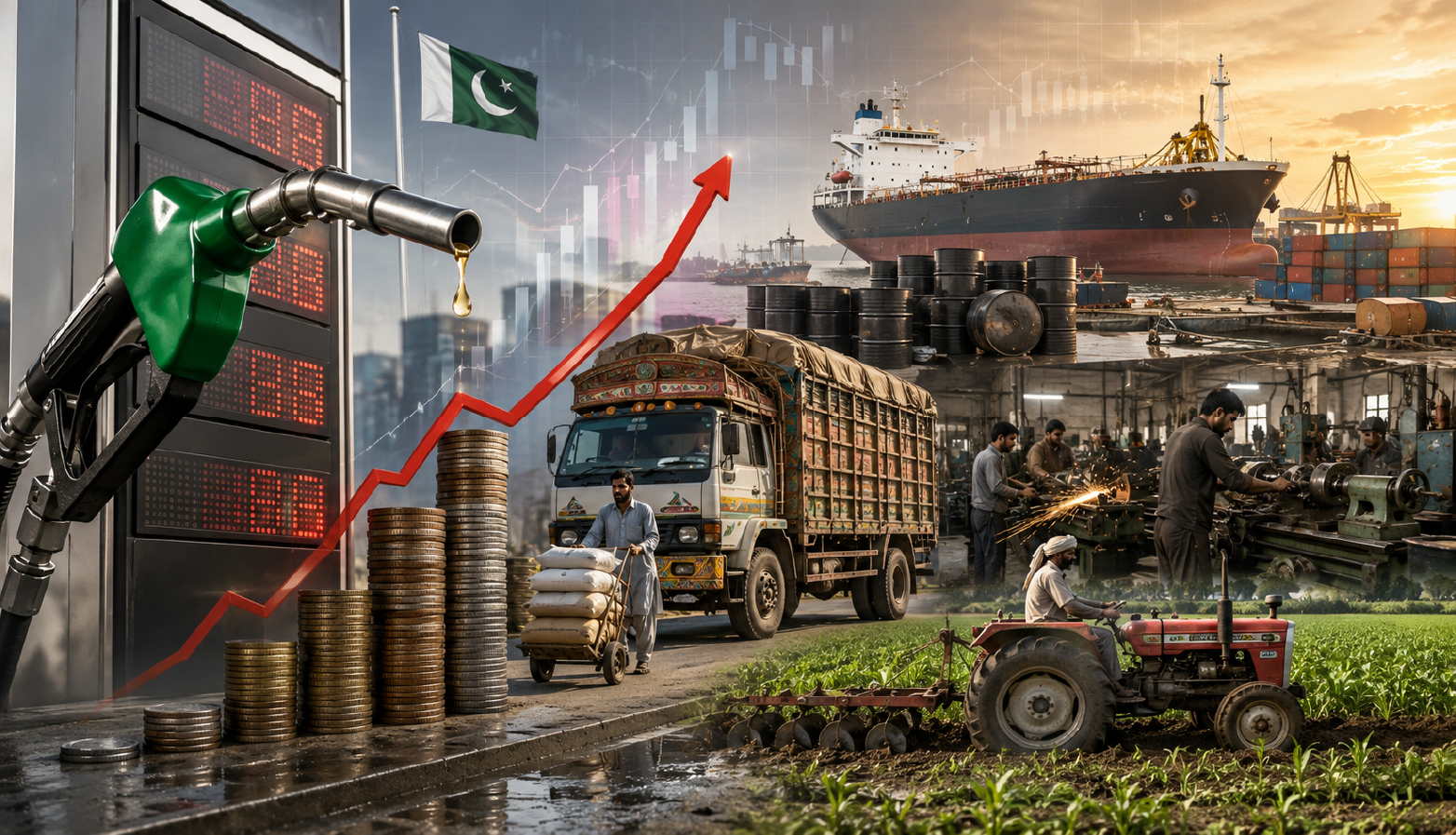
Fuel prices influence inflation numbers. Transport and energy make up significant parts of the consumer price index. Even modest sustained increases add pressure, especially when combined with other costs.
Businesses see higher input costs. Small manufacturers and farmers pay more to move goods and run machinery. This can slow activity and affect jobs in transport-dependent sectors.
The current account also feels it. Pakistan's oil import bill is sensitive to price swings. Higher global rates widen the gap and put pressure on foreign reserves.
Recent history shows volatility. Prices spiked sharply earlier in 2026 due to regional conflicts, then saw some relief through reductions. Now daily tweaks keep things moving. Analysts note that every $10 rise in global oil can add billions to the annual import bill.
What This Means for Different People
Daily wage earners and commuters: Bus and rickshaw fares often adjust upward. A short trip that cost Rs200 might now edge higher. Those who drive themselves calculate every kilometre.
Families: Grocery runs become costlier as supply chain expenses climb. School van fees or medical trips add up. Many cut non-essential travel to save.
Farmers and rural areas: Diesel powers tractors and irrigation pumps. Higher costs squeeze margins at a time when input prices already challenge profitability.
Business owners: Logistics firms and retailers face tough choices—raise prices, reduce margins, or absorb losses. Some report quieter pumps as people drive less.
The middle class feels squeezed between stagnant salaries and rising expenses. Many share stories of rethinking routines they once took for granted.
The Petrol Dealers' Side and Potential Disruptions
Petrol pump owners announced a nationwide strike after talks broke down. They want higher margins, an end to daily pricing volatility, and changes to quota systems. With thousands of pumps potentially affected, shortages could appear in some areas if the strike continues.
This standoff highlights tensions in the supply chain. Dealers say the current setup makes business unsustainable. The government pushes for efficiency and market alignment. Consumers sit in the middle, hoping for quick resolution to avoid queues or unavailability.
Practical Steps You Can Take
While big policy shifts are out of our hands, small habits help:
- Combine trips and carpool when possible.
- Maintain your vehicle for better mileage.
- Track prices daily since they now change often.
- Use public transport or bikes for short distances where safe.
- Stock essentials wisely but avoid panic buying.
Longer term, conversations around energy efficiency, local refining capacity, and alternatives matter. But right now, awareness of the daily changes helps you plan.
Looking Ahead
This latest adjustment fits a pattern of responding to global signals while managing domestic revenue needs. Prices have moved up and down several times in 2026. The daily mechanism intends to smooth some volatility, yet it keeps the topic front and center.
Economists often point out the trade-offs. Passing on costs supports fiscal goals but burdens households. Subsidies strain the budget. Finding balance remains difficult in an import-dependent economy.
Many Pakistanis show resilience. They adjust, prioritize, and keep going. Still, consistent pressure on living costs raises valid questions about support for vulnerable groups and measures to shield essential spending.
The situation can shift with global events or policy tweaks. Keep an eye on official OGRA notifications for the most accurate updates.
Fuel prices touch almost every part of life here. Today's hike adds another layer. Understanding the "why" and "how" helps us navigate it better. Share your experiences in the comments. What changes are you noticing in your area? Small conversations can highlight common challenges and ideas. For more updates, visit DrivePK.com
Tags
Share this article
About the Author

Najeeb Khan
Automotive enthusiast and writer
Comments (0)
Login Required
You need to be logged in to comment on this article.
No comments yet. Be the first to share your thoughts!
Related Articles

Switching to an Automatic Car in Pakistan: What to Know
Switching to an automatic in Pakistan? Weigh traffic comfort against purchase price, servicing, gearbox support, and surprise repair costs.
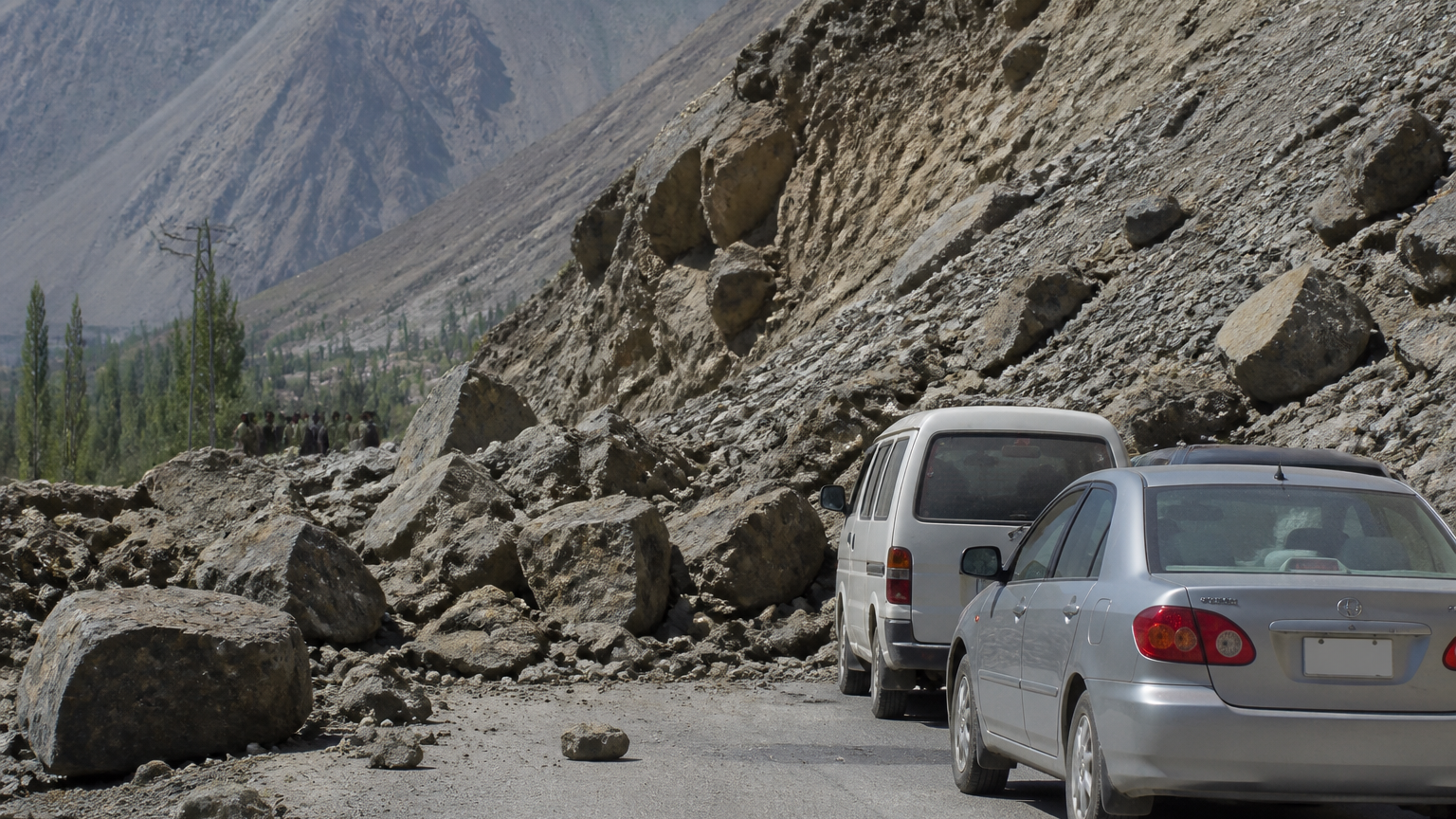
شانگس کے قریب لینڈ سلائیڈ کے بعد سکردو روڈ بند
شانگس کے قریب بالتستان روڈ پر لینڈ سلائیڈ کے باعث سفر معطل ہوگیا ہے۔ مسافر اس مقام کو عبور نہ کریں؛ عملہ ملبہ ہٹا رہا ہے، تاہم دوبارہ کھلنے کا وقت تاحال معلوم نہیں۔
Skardu Road Closed After Landslide Near Shangus
Landslide blocks Baltistan Road near Shangus, stranding travelers. Avoid crossing; crews are clearing debris, but reopening time remains unknown.