Punjab Budget 2026-27: Interest-Free Electric Bikes and Taxis for Youth. A Big Step Toward Green Jobs
The Punjab government is set to roll out a major initiative in the upcoming Budget 2026-27. It offers 50,000 electric bikes and 5,000 electric taxis on interest-free installments to students and unemployed youth. This move aims to cut costs, create jobs, and push cleaner transport across the province.
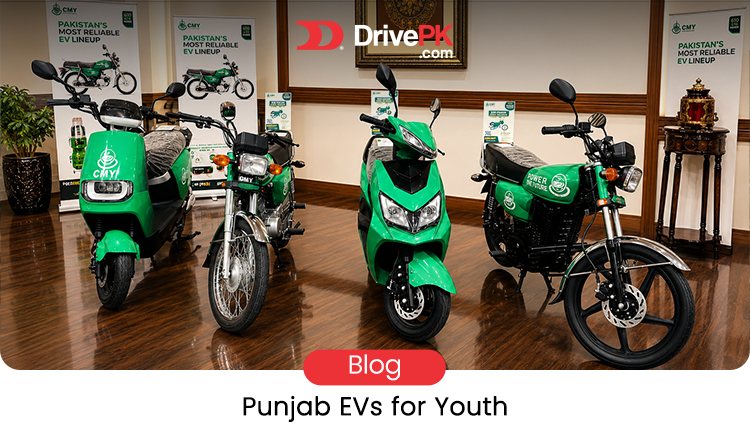
Table of Contents
- Breaking Down the Scheme
- How It Hits Your Pain Points
- Environmental and Economic Angle
- Potential Challenges and Realistic View
- Who Should Pay Attention
- What Comes Next
Fuel prices keep climbing. Daily commutes eat into your budget. Jobs feel harder to find. If you are a student in Lahore, Faisalabad, or a small town in Punjab, or you are young and looking for work, this news from the provincial government might feel like a real chance.
In early June 2026, the Punjab government approved a plan for the next budget. It includes 50,000 electric bikes and 5,000 electric taxis on interest-free financing, aimed mainly at students and unemployed youth.
This is not just another announcement. It builds on earlier efforts like the Chief Minister’s Interest-Free Electric-Taxi Scheme and existing e-bike programs for teachers and students. The goal is simple: make transport affordable, create earning opportunities, and reduce pollution.
Breaking Down the Scheme
The plan targets two main groups.
Electric Bikes (50,000 units): These go to students and young people who need reliable transport for college, university, or daily needs. Past similar schemes show bikes costing around Rs 200,000 to Rs 250,000. With government support and interest-free payments, monthly installments often land between Rs 3,600 and Rs 6,000 over 2-3 years.
Electric Taxis (5,000 units): This part focuses on creating income. Eligible youth can run these as ride-hailing or local taxis. Easy installment plans apply, and officials are considering extra help like registration support. Punjab Transport Minister Bilal Akbar Khan mentioned these incentives.
Eligibility focuses on students and unemployed youth. Exact criteria will likely come out closer to launch, probably involving age, income, and Punjab residency. Registration is expected to start later in 2025 or early 2026 for some parts, with full rollout tied to the new budget.
How It Hits Your Pain Points
Think about your daily struggles. Petrol for a regular bike can cost thousands every month. Maintenance adds more. Electric bikes run on electricity, which is cheaper. Many users report big savings after the initial cost.
For someone without steady work, an e-taxi offers a path to self-employment. You drive, earn through apps or local rides, and pay back in manageable amounts without interest eating your profits.
Parents worry about safety and costs for students. Electric bikes provide a cleaner, quieter option for campus travel. No more waiting for crowded buses or paying for expensive fares.
The timing makes sense. The government is also reviewing its free public transport scheme. Millions have used it, but decisions depend on fuel prices. If petrol drops, some relief might end. This EV push gives people ownership instead of depending only on government buses.
Environmental and Economic Angle
Pakistan imports a lot of fuel. Shifting to electric cuts that burden and improve air quality in cities like Lahore, where smog is a serious issue.
Electric vehicles produce zero tailpipe emissions. With two and three-wheelers making up over 90% of vehicles in Punjab, targeting them brings real impact.
On the jobs side, this supports self-employment. One e-taxi can support a family. Charging stations and maintenance could create more work in the green sector.
This fits Pakistan’s broader New Energy Vehicle Policy, aiming for 30% EV adoption by 2030. Punjab is moving ahead with practical steps.
Potential Challenges and Realistic View
No scheme is perfect. Here are some things to consider:
- Charging Infrastructure: Cities have better setups, but rural areas lag. You will need reliable home or public charging.
- Upfront Payment: Even interest-free, a down payment (maybe 20-30%) is usually required. Saving for that takes planning.
- Battery Life and Resale: People worry about battery replacement costs after a few years.
- Awareness and Process: Clear information on how to apply, required documents, and fair selection (maybe through balloting) will matter.
The government has run similar programs before. Lessons from those can help. Past e-bike schemes for teachers and employees show monthly payments in the Rs 3,600-4,200 range with subsidies.
Who Should Pay Attention
- Students are tired of expensive daily travel.
- Young graduates seeking income without big capital.
- Families wanting affordable, eco-friendly options.
- Anyone following green jobs and sustainable development in Pakistan.
If you fit these, start preparing. Check official Punjab government sites, transport department pages, or trusted news for updates once the budget details drop.
What Comes Next
The budget announcement will bring clearer numbers – exact costs, application process, and timelines. A final call on the free public transport extension is also expected soon.
This initiative shows the government betting on youth and electric mobility together. Success depends on smooth execution, enough charging points, and proper support.
For many young people in Punjab, it could mean less stress about money for transport and a real shot at earning independently. It is a practical step in a country where fuel costs bite hard, and jobs are competitive.
Watch this space. The details will shape how accessible it really becomes. If it delivers on the promises of affordability and opportunity, it could mark a meaningful shift for a generation. For more updates, visit DrivePK.com
Tags
Share this article
About the Author
Najeeb Khan
Automotive enthusiast and writer
Comments (0)
Login Required
You need to be logged in to comment on this article.
No comments yet. Be the first to share your thoughts!
Related Articles
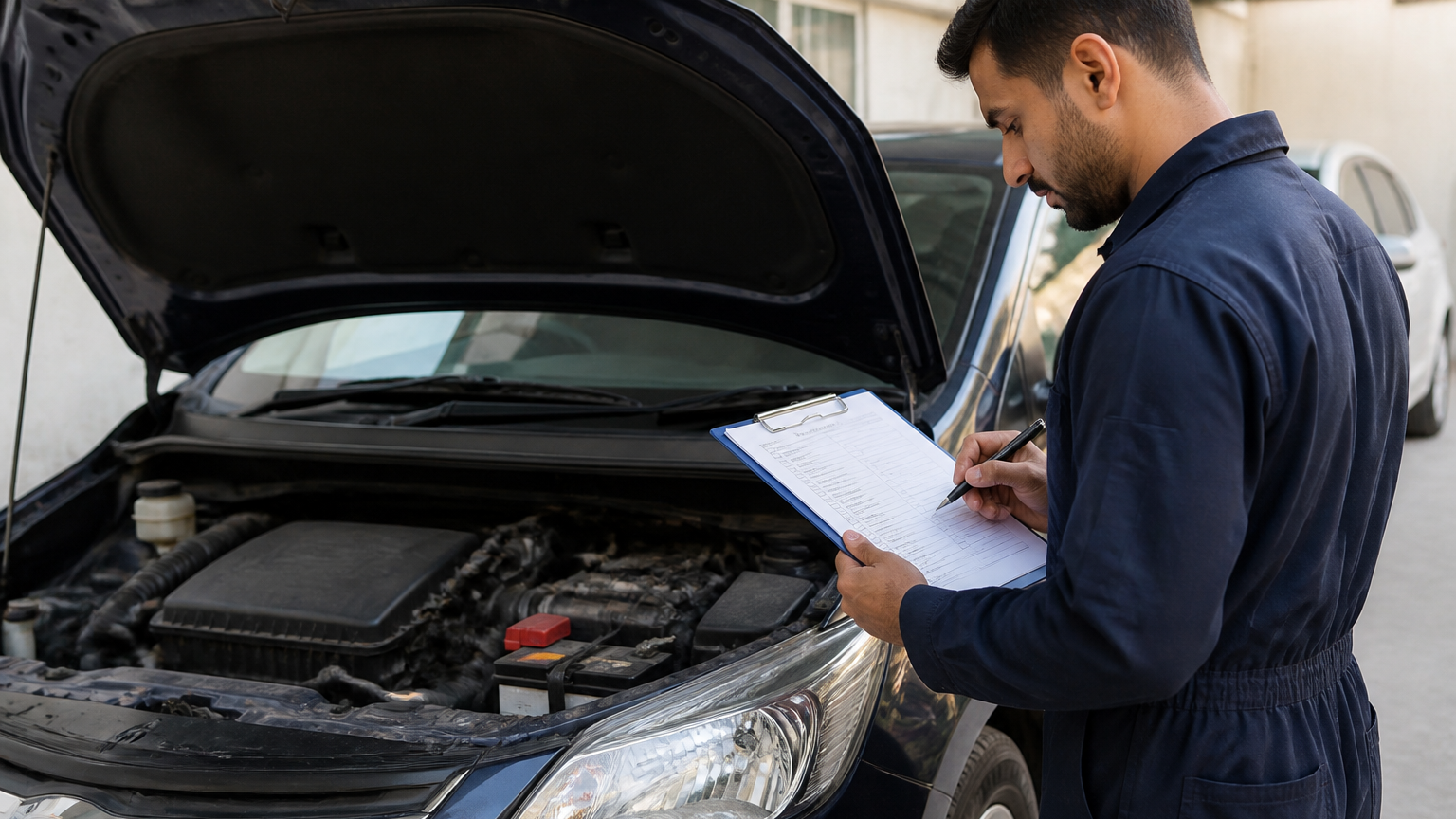
DrivePK Car Inspection Report: Buy Used Cars Safely
Buying a used car in Pakistan? A DrivePK inspection report reveals hidden faults, supports smarter negotiations, and helps you avoid costly mistakes.
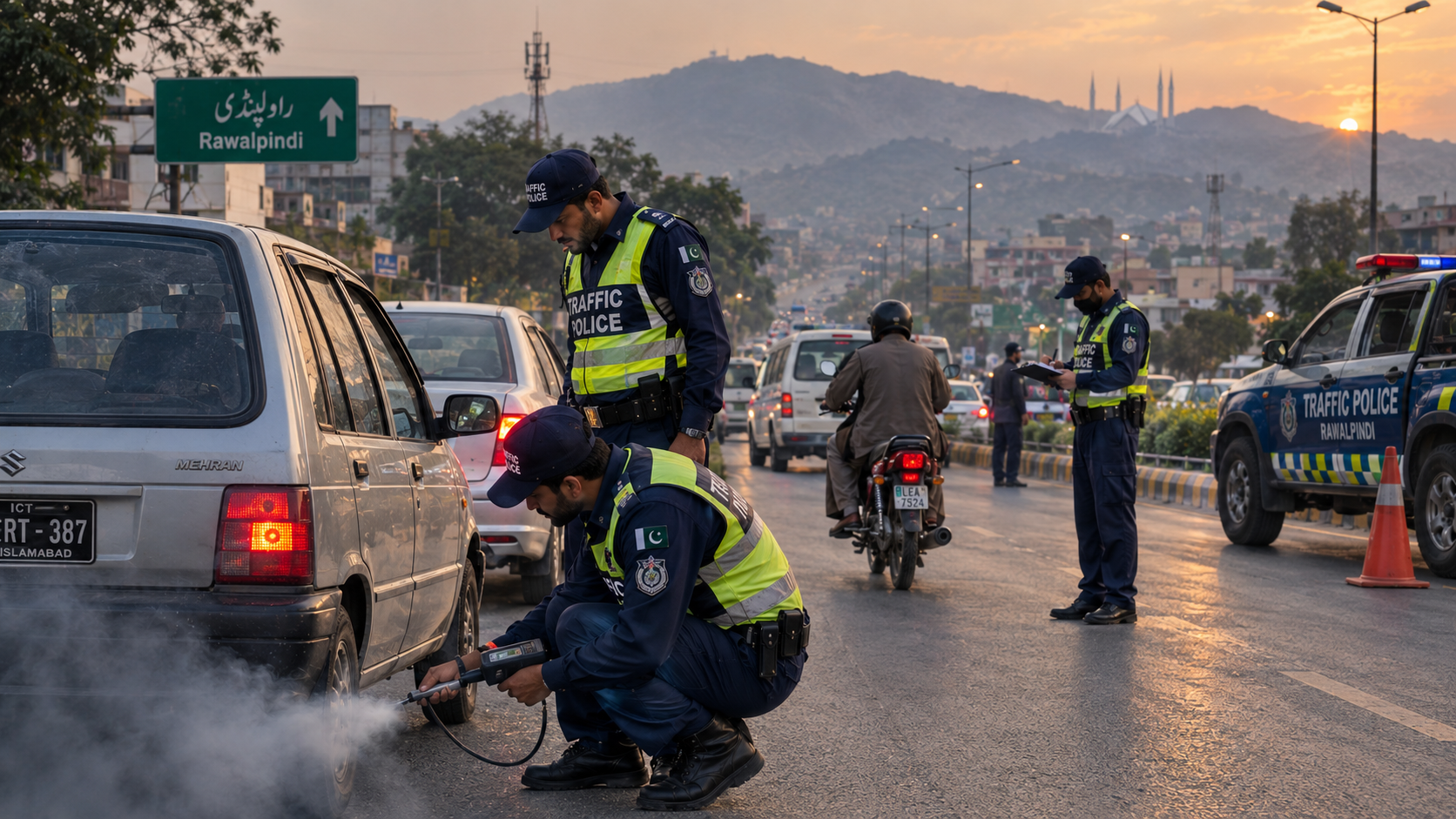
Rawalpindi to Impound Smoke-Emitting Vehicles
Rawalpindi Traffic Police is gearing up for a citywide crackdown on smoke-belching vehicles, with inspections, fines and delays for commuters.
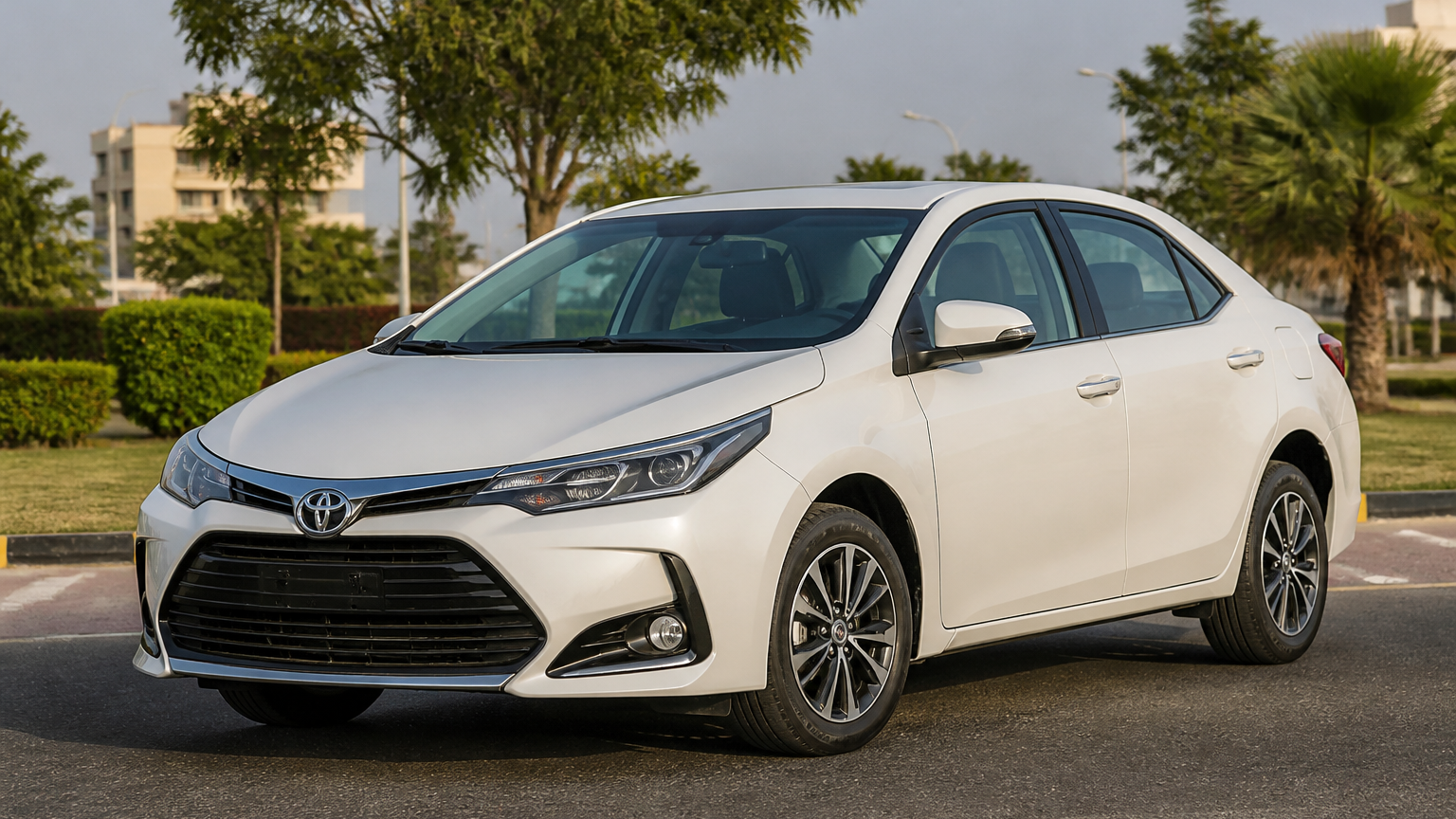
Toyota Corolla Discontinued Before Pakistan Facelift
Pakistan’s pre-facelift Toyota Corolla is reportedly discontinued, hinting at a facelift. Prices, bookings, specs and launch timing remain unconfirmed.