Punjab Expands Electric Bus Service to More Cities: What You Need to Know
The Punjab government plans to introduce electric buses in five more cities: Rajanpur, Gujar Khan, Bahawalpur, Toba Tek Singh, and Rahim Yar Khan. These buses come with AC, Wi-Fi, and disability access. The move supports greener travel, but details on routes and fares are still pending.
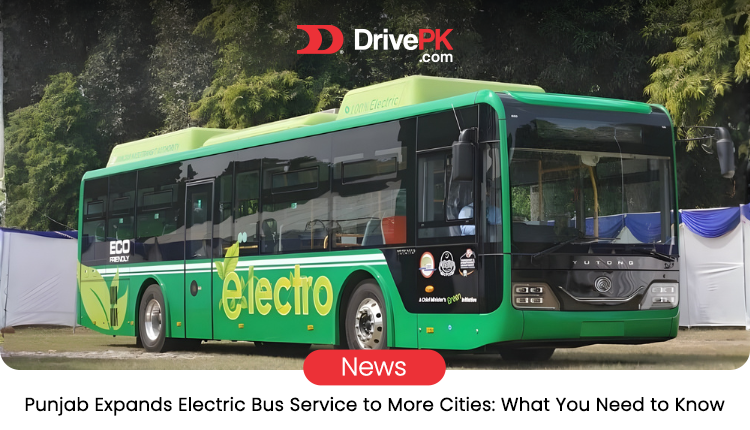
Table of Contents
- What's in the Announcement?
- Why Electric Buses Matter Here
- The Cities Getting the Upgrade
- Features That Stand Out
- Challenges Ahead
- Conclusion
Punjab is making moves to improve public transport. The government just announced plans to bring electric buses to more cities. This isn't a huge overhaul yet, but it's a start. And in a place where traffic and pollution are daily headaches, any shift to cleaner options catches attention.
The idea is simple. Electric buses run on batteries, not diesel. They cut down on smoke and noise. For riders, that means a quieter trip. For the environment, it's less harmful to the air. Punjab already has some electric buses in bigger cities like Lahore. Now, they're expanding.
What's in the Announcement?
The Punjab Transport Company put out an official notice. Electric buses are coming to Rajanpur, Gujar Khan, Bahawalpur, Toba Tek Singh, and Rahim Yar Khan. These aren't the biggest cities, but they need better transport too. People there often rely on old buses or rickshaws. This could change that.
But details are thin right now. No word on when they'll start running. Routes? Not shared yet. Fares? Still a mystery. It's like getting invited to a party without knowing the time or place. Officials say more info will come soon. Until then, we wait.
Why Electric Buses Matter Here
Think about Punjab's roads. Crowded, hot, and full of exhaust. Electric buses tackle some of that. They don't spew fumes, so cities breathe easier. And with climate change hitting hard, hotter summers, worse floods, this fits into bigger efforts to go green.
For everyday folks, it's practical. Cheaper to run than fuel buses, which might mean lower tickets eventually. Plus, they're modern. No more sweating through rides or dealing with breakdowns from old engines. But success depends on how well they're rolled out. If routes miss key areas, people won't use them.
The Cities Getting the Upgrade
Let's break it down by city. Each has its own needs.
- Rajanpur sits in the south, near the Indus River. It's rural, with people traveling to markets or jobs. Electric buses could link villages better, cutting travel time.
- Gujar Khan is closer to Rawalpindi. Commuters head to bigger cities daily. Cleaner buses might ease the rush hour grind.
- Bahawalpur has history and heat. Tourists visit palaces, locals need reliable rides. AC on these buses will be a relief in summer.
- Toba Tek Singh is a farming country. Workers move between fields and towns. Sustainable transport here supports the green push in agriculture, too.
- Rahim Yar Khan borders Sindh. It's industrial, with sugar mills and more. Buses could help shift workers, reducing car use.
These spots aren't random. They're spread out, covering Punjab's diversity. But without timelines, excitement is on hold.
Features That Stand Out
The buses aren't basic. They come with air conditioning in Punjab's scorching weather. Wi-Fi lets you check emails or scroll during rides. And accessibility features mean ramps or spaces for wheelchairs. That's inclusive, helping people with disabilities get around easier.
Imagine boarding a cool, quiet bus with free internet. It beats the usual packed vans. But features only help if the service runs well. Maintenance matters too, batteries need charging stations, which Punjab must build.
Challenges Ahead
No plan is perfect. Electric buses need power grids that work. Punjab has outages, so backup plans are crucial. Cost is another issue. Buying and setting up costs money. Will the government fund it fully, or pass some to riders?
Then there's adoption. People stick to what they know. If fares are high or routes limited, uptake might be slow. And without details, it's hard to gauge. Authorities should share more soon to build trust.
On the plus side, this aligns with global trends. Countries like China and India lead in electric vehicles. Punjab's joining in shows progress. It could inspire other provinces, too.
Conclusion
This expansion is a positive step. It promotes eco-friendly travel without much fanfare. But the real test is execution. If done right, it eases commutes and cleans the air. If not, it's another unfinished promise.
Keep an eye on updates from the Punjab Transport Company. For now, it's a reminder that small changes add up. And in a growing region like Punjab, better transport touches everyone.
What do you think?
Will electric buses change how you travel?
Share in the comments. For more updates, visit DrivePK.com
Tags
Share this article
About the Author

Najeeb Khan
Automotive enthusiast and writer
Comments (0)
Login Required
You need to be logged in to comment on this article.
No comments yet. Be the first to share your thoughts!
Related Articles
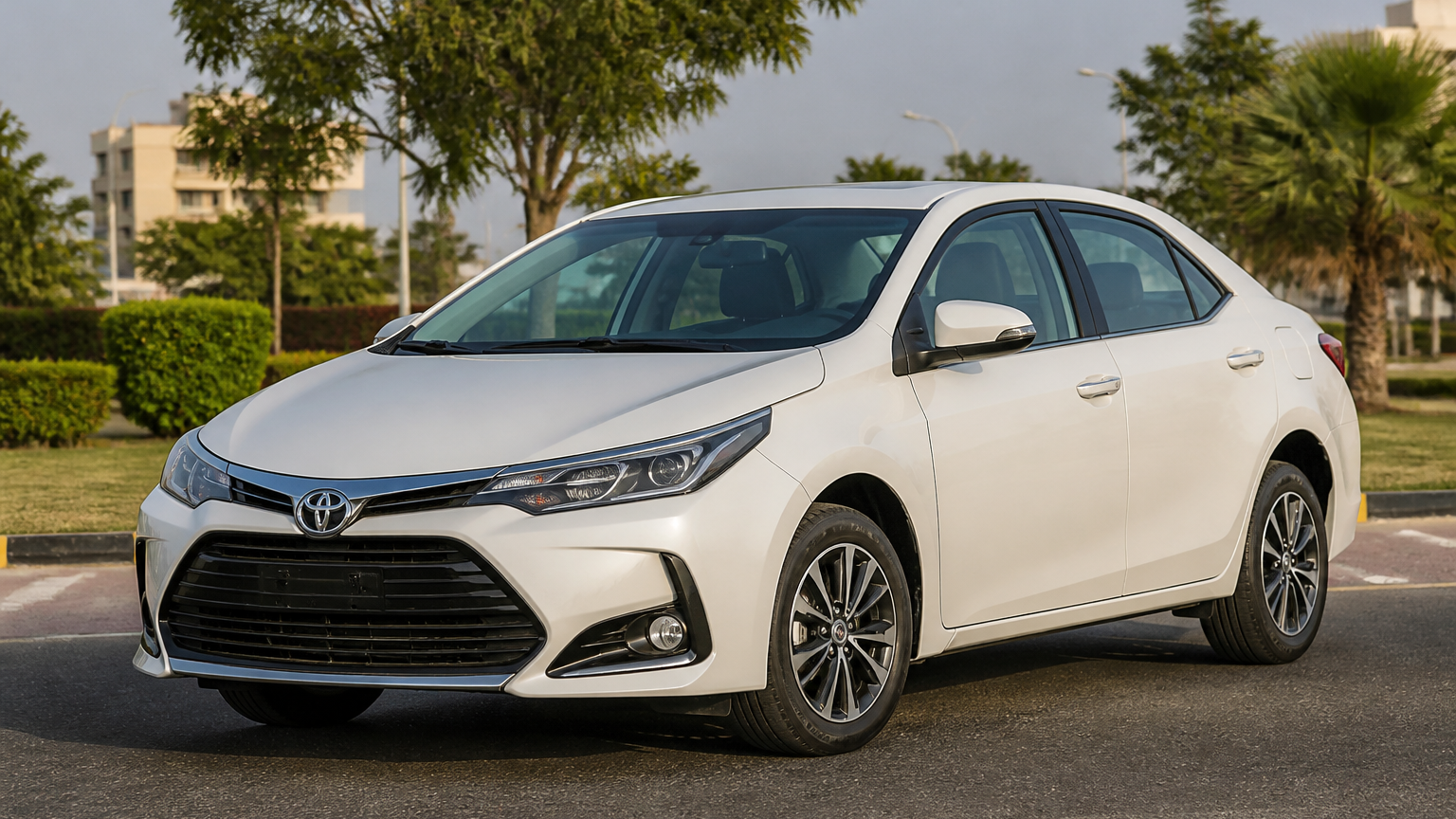
Toyota Corolla Discontinued Before Pakistan Facelift
Pakistan’s pre-facelift Toyota Corolla is reportedly discontinued, hinting at a facelift. Prices, bookings, specs and launch timing remain unconfirmed.
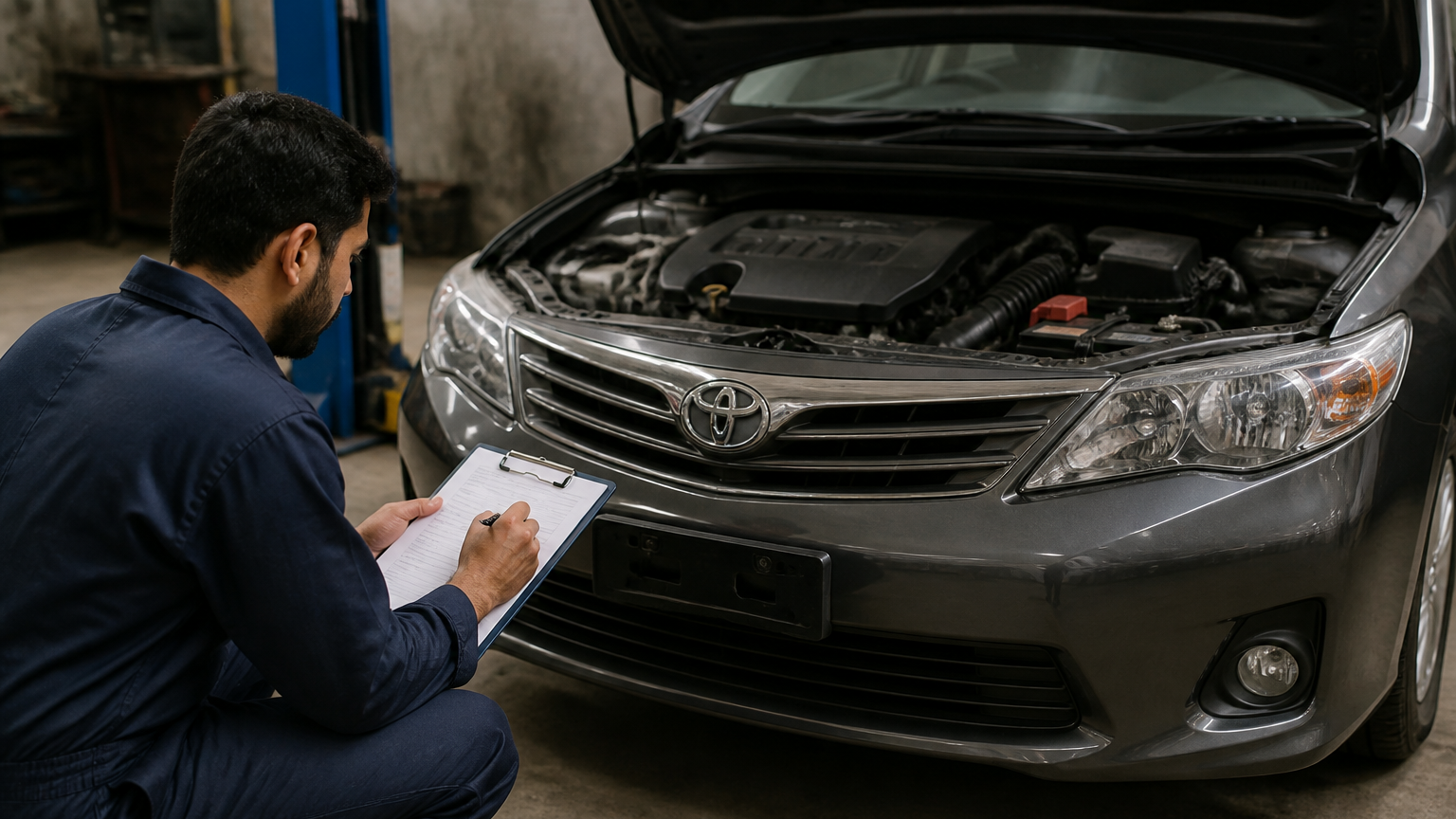
DrivePK Car Inspection Reports: Buy with Confidence
Buying a used car in Pakistan? A pre-purchase inspection can reveal hidden damage, engine issues and red flags before you pay—but it’s not enough alone.
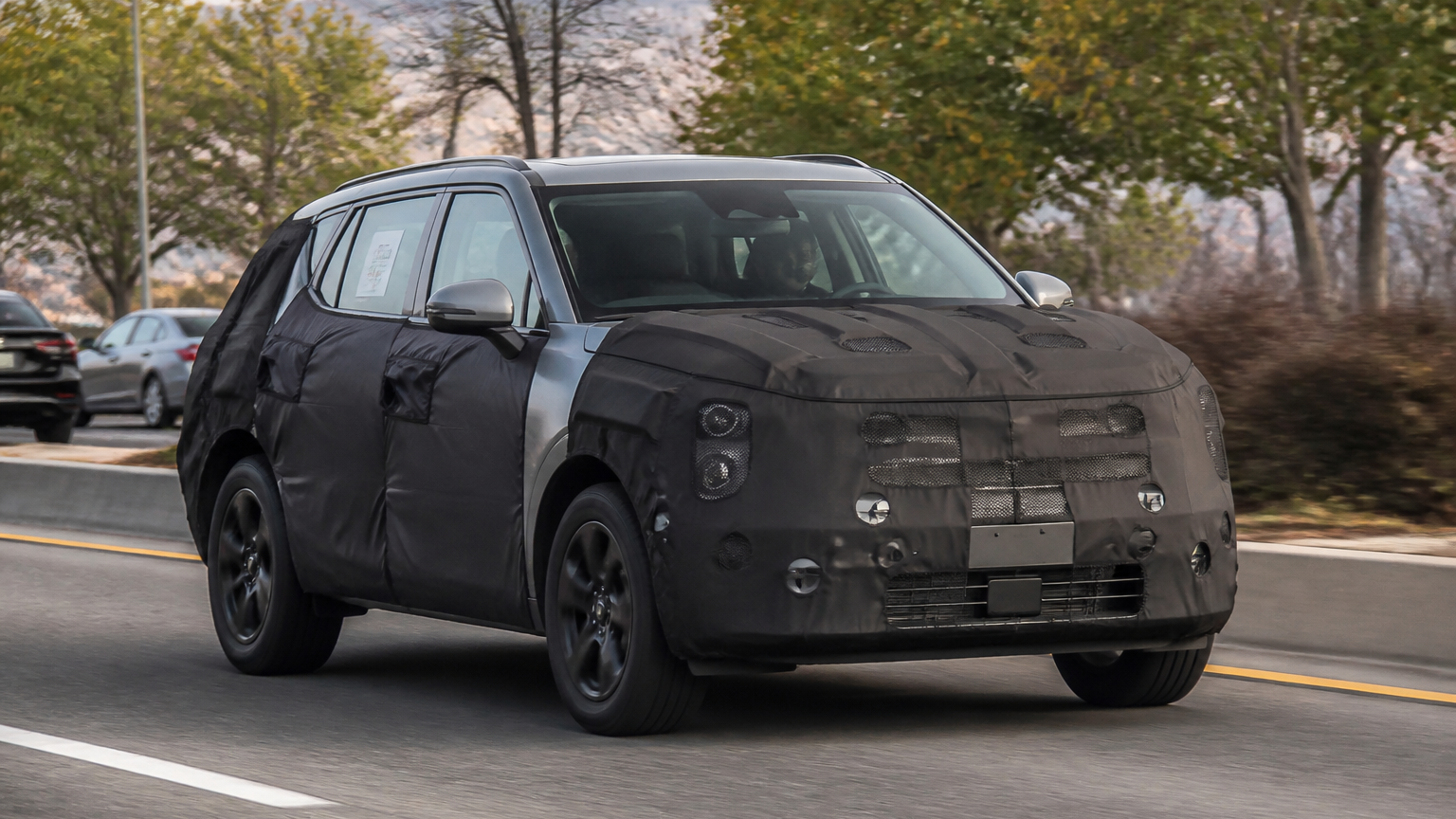
2028 Kia Sportage: Major Design Changes Spotted
Kia’s next Sportage may get a bolder, boxier redesign, with an upright profile, sharper lines, wider grille and split headlights hinted by spy shots.