Punjab Government Bans Petrol and Diesel Vehicles: A Shift to Electric Mobility
Punjab's government has banned buying petrol and diesel vehicles for departments, favoring electric and hybrid vehicles to reduce emissions. This includes mandating EV chargers at new petrol pumps as part of anti-smog efforts.
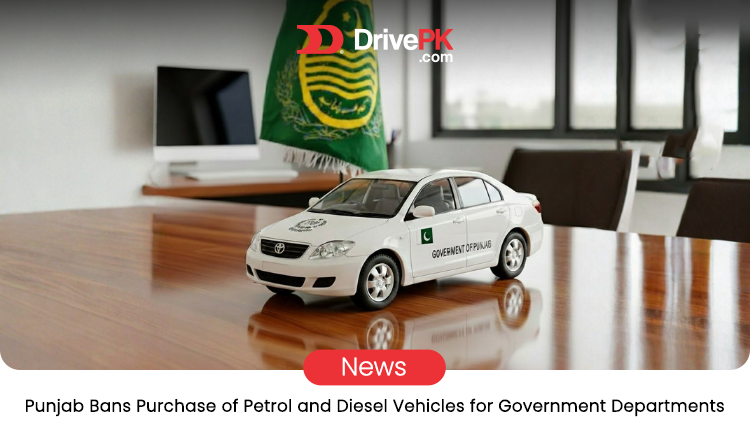
Table of Contents
- The New EV Policy on the Horizon
- How This Tackles Smog Head-On
- Challenges in Making the Switch
- What This Means for Everyday People
- Looking Ahead: A Greener Punjab
- Conclusion
Punjab's air is getting worse. Smog chokes cities every winter. The government wants to change that. They've just announced a big step: no more buying petrol or diesel vehicles for government departments. Only electric and hybrid ones from now on.
This isn't just talk. Chief Secretary Zahid Akhtar Zaman made it clear. It's part of a push to cut emissions. And it makes sense. Vehicles spew out a lot of pollution. Switching to cleaner options could help clear the skies.
But not everything changes overnight. Field duty vehicles get a pass for now. They need reliable rides in tough spots. The rest? Electric or hybrid only.
The New EV Policy on the Horizon
A provincial EV policy is coming soon. It will lock this in. Right now, the Services and General Administration Department is waiting on the chief minister's nod. Once approved, it's official.
This policy isn't standalone. It's tied to bigger goals. Senior Minister Marriyum Aurangzeb explained it fits into a full anti-smog plan. Think e-buses rolling out, better monitoring, and rules for different sectors like farms and factories.
And here's a smart twist: new petrol pumps can't get approved without EV charging spots. That's for No Objection Certificates (NOCs). Already, 170 pumps in 31 cities must add chargers. It pushes everyone toward electric, not just the government.
How This Tackles Smog Head-On
Smog isn't new in Punjab. It hits hard, closing schools and hurting health. Cars and bikes add to it with their exhaust. By going electric, the government cuts that source.
Electric vehicles run clean. No tailpipe smoke. Hybrids mix gas and electric, but they're better than pure petrol. Over time, this could drop pollution levels.
But it's more than vehicles. The plan includes watching emissions closely. Sensors and data to spot problems fast. Plus, rules for industries and agriculture to curb burning and waste.
Aurangzeb stressed it's comprehensive. Not one fix, but many working together. Expanding EV use is key, but so is public transport like e-buses. Cleaner air means healthier people.
Challenges in Making the Switch
Switching isn't easy. Electric vehicles cost more upfront. Charging stations are few. Punjab has to build that network.
The new rule for petrol pumps helps. Forcing chargers at fuel stops spreads them out. But rural areas might lag. And what about the power supply? Pakistan's grid has issues. More EVs mean more demand.
Government departments lead by example. If they succeed, others might follow. Businesses and people see the benefits: lower running costs, less noise.
Exemptions for field vehicles show realism. Not everything fits electric yet. Batteries might not last in remote work. But tech improves fast.
What This Means for Everyday People
You might not work in government, but this affects you. Cleaner air is for everyone. Less smog means fewer sick days.
If you're buying a car, think electric. Policies like this could bring incentives. Cheaper loans or tax breaks? The EV policy might detail that.
Petrol pumps changing? You'll see chargers popping up. Easier to plug in on the go. Cities like Lahore and Faisalabad get them first.
And transport? E-buses could make commutes greener. No more diesel fumes on the road.
But change takes time. The government needs to act fast on the policy. Delays could stall progress.
Looking Ahead: A Greener Punjab
This ban is a bold move. It signals commitment to the environment. Other provinces might copy it.
Global trends help. EVs are booming worldwide. Prices drop as batteries get better. Punjab taps into that.
Aurangzeb's team is pushing hard. From monitoring to sector rules, it's a full effort. Success depends on follow-through.
In the end, it's about breathable air. Kids playing outside without masks. That's the goal.
But questions remain. How soon for the policy? What support for departments switching? We'll watch closely.
This shift could inspire more. Imagine streets with quiet, clean vehicles. Punjab takes a step there.
Conclusion
Punjab's decision shakes things up. Banning petrol and diesel in departments sets a tone. Electric and hybrids take center stage.
With the EV policy coming, expect more details. Chargers at pumps speed adoption.
It's not perfect. Challenges like infrastructure looming. But it's a start.
Smog mitigation needs everyone. Government leads, but we all play a part. Drive less, plant trees, support green tech.
This could be the turning point. Cleaner transport for a healthier Punjab.
For more updates, visit DrivePK.com
Tags
Share this article
About the Author

Najeeb Khan
Automotive enthusiast and writer
Comments (0)
Login Required
You need to be logged in to comment on this article.
No comments yet. Be the first to share your thoughts!
Related Articles
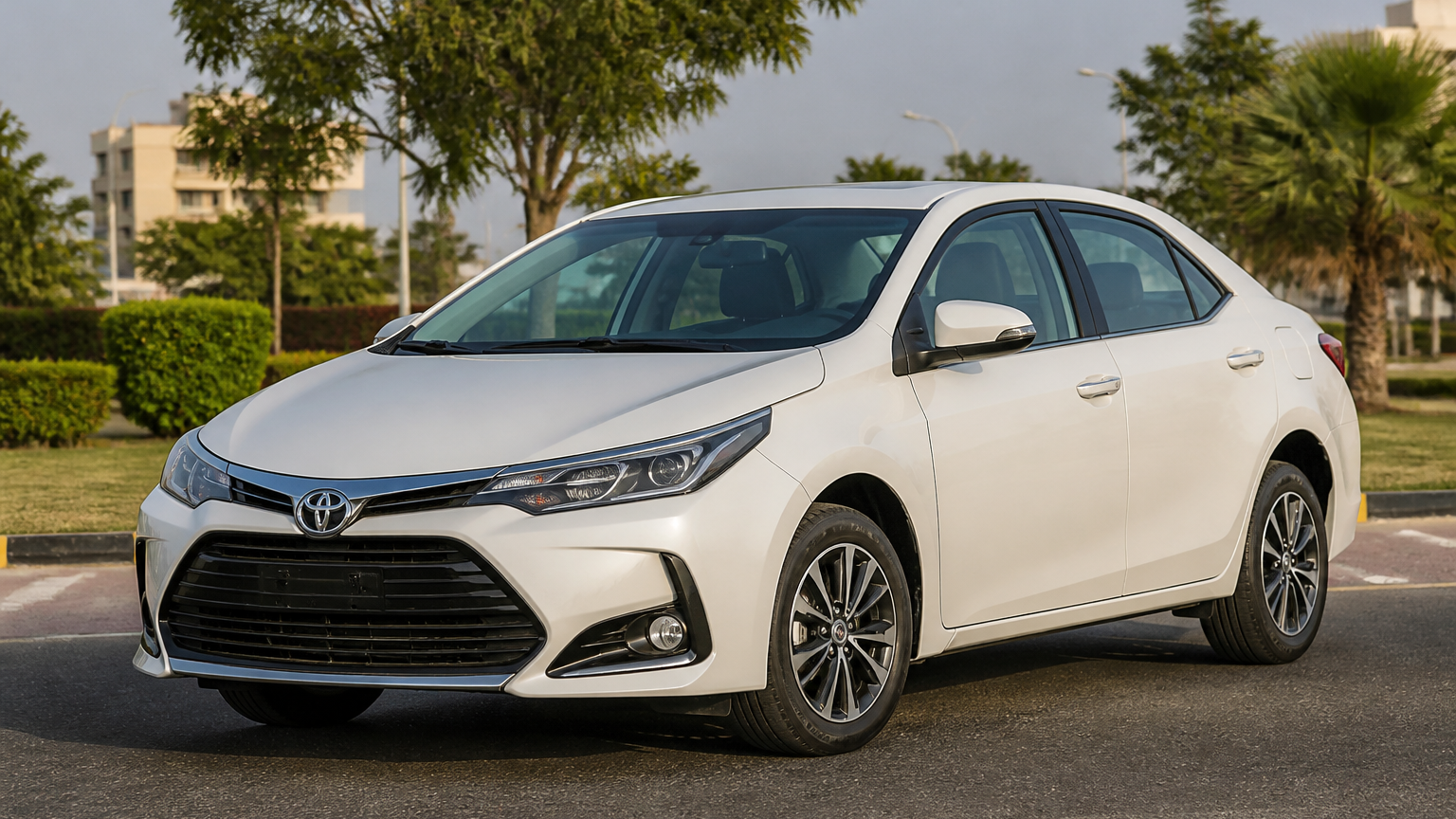
Toyota Corolla Discontinued Before Pakistan Facelift
Pakistan’s pre-facelift Toyota Corolla is reportedly discontinued, hinting at a facelift. Prices, bookings, specs and launch timing remain unconfirmed.
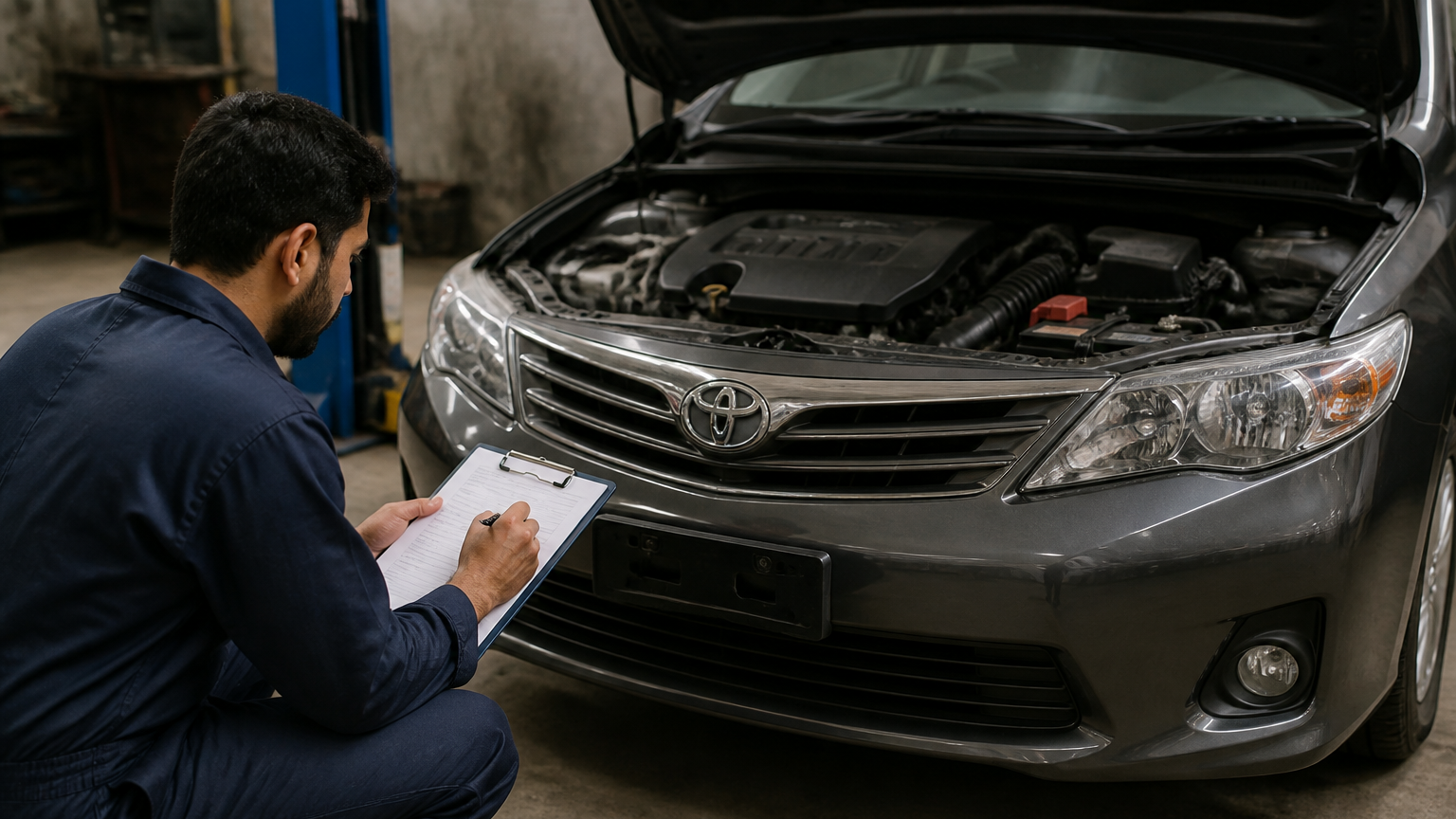
DrivePK Car Inspection Reports: Buy with Confidence
Buying a used car in Pakistan? A pre-purchase inspection can reveal hidden damage, engine issues and red flags before you pay—but it’s not enough alone.
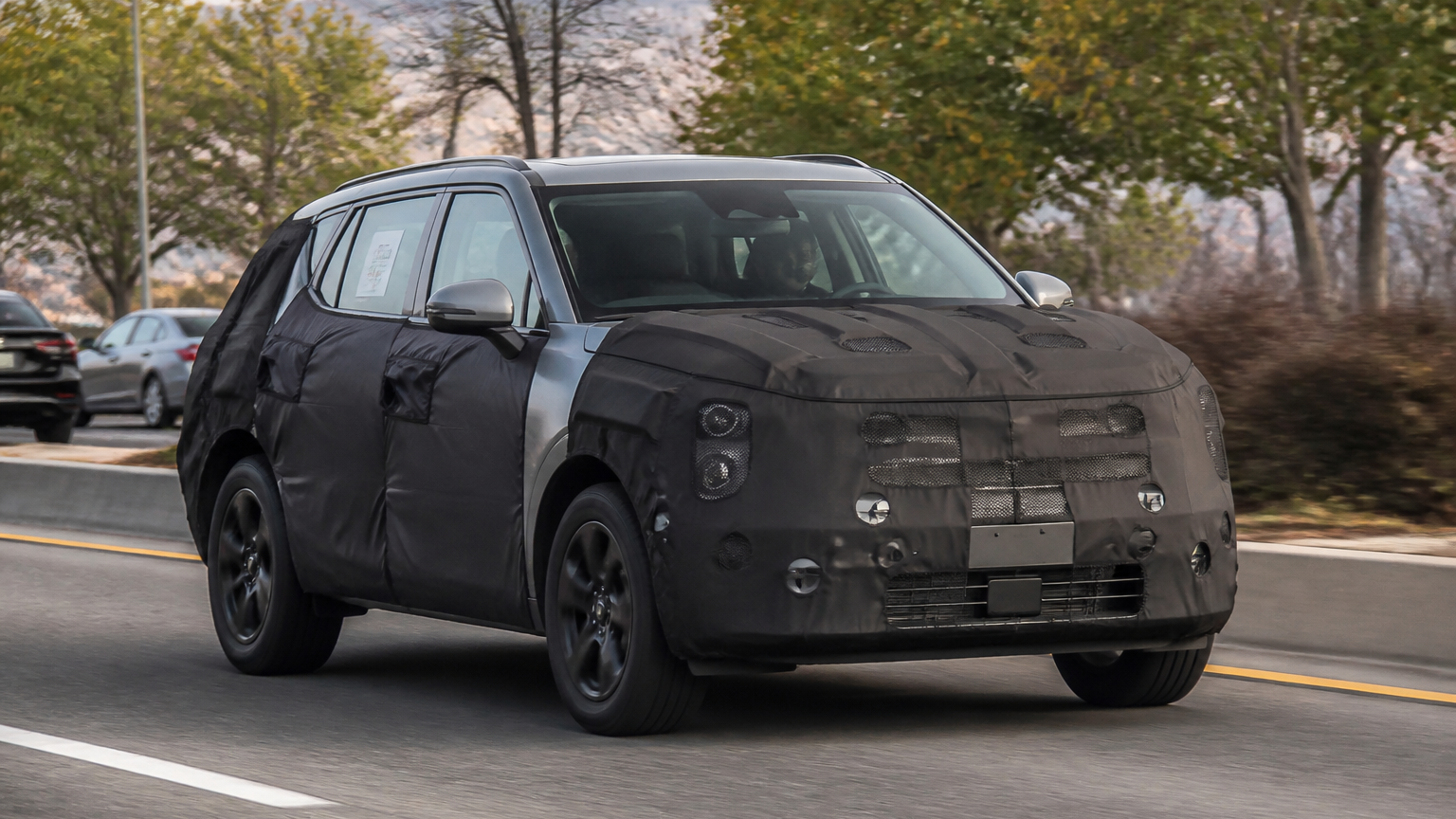
2028 Kia Sportage: Major Design Changes Spotted
Kia’s next Sportage may get a bolder, boxier redesign, with an upright profile, sharper lines, wider grille and split headlights hinted by spy shots.