Punjab's Electric Bus Service Launches in Multan: Eco-Friendly Transport Upgrade
Punjab has greenlit an electric bus service in Multan Division. With 114 buses and 470 shelters, this project aims to deliver safe, modern rides. It rolls out in phases, cutting pollution and improving daily commutes for locals. A step toward greener cities.
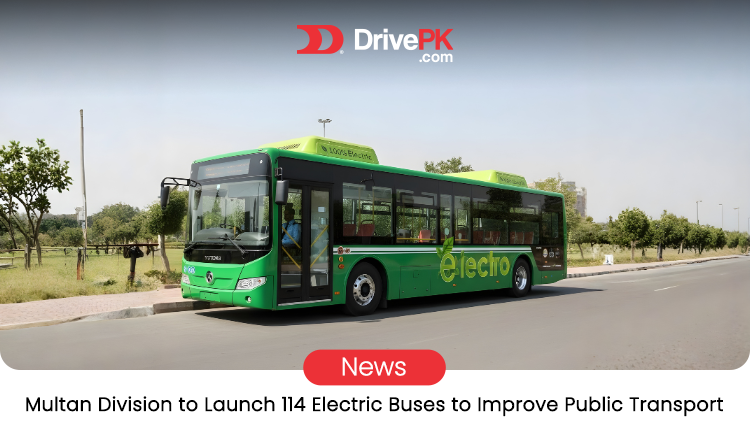
Table of Contents
- What's Behind This Project?
- How the Rollout Works
- Benefits for Everyday Folks
- The Green Side: Why Electric Matters
- Challenges and What’s Next
- Wrapping It Up
Big news out of Punjab. The authorities just gave the green light to an electric bus service in the Multan Division. It's not just a few buses here and there. We're talking about 114 electric buses rolling out across several districts. And to make it all work smoothly, they'll build 470 modern bus shelters. This isn't some far-off dream; it's happening in phases, bringing safe, modern, and eco-friendly transport to everyday people.
Think about your daily commute. Crowded vans, smoky exhaust, endless waits. Now picture hopping on a quiet electric bus with air conditioning and proper stops. That's the shift coming to Multan. It could change how thousands get around, cutting down on hassle and helping the planet along the way.
What's Behind This Project?
Punjab's government saw the need for better public transport. Multan Division covers busy areas like Multan city, Vehari, Lodhran, and Khanewal. These spots deal with heavy traffic and growing populations. Old buses run on diesel, pumping out fumes that make air quality worse. Electric buses fix that by running on batteries, no tailpipe emissions.
The approval came after careful planning. Officials looked at routes, passenger numbers, and charging needs. They want this to last, not just be a quick fix. So, the buses will connect key spots markets, schools, and hospitals. Imagine families heading to the bazaar without choking on smoke. Or students getting to class on time, every time.
And those shelters? They're not basic. Modern designs mean shade, seating, maybe even digital displays for bus times. No more standing in the sun or rain. It's about making public transport inviting, so more people choose it over cars.
How the Rollout Works
They won't dump all 114 buses on the roads at once. Smart move, phased rollout means testing things out. Phase one might cover central Multan, getting feedback from riders. Then expand to outer districts like Vehari.
Each phase includes building shelters and setting up charging stations. Electric buses need reliable power spots, so they'll install those at depots. This keeps buses running without long downtimes. Officials say the whole thing could be up in a year or two, depending on how the phases go.
But why phases? It lets them fix issues early. If a route needs tweaks, they can adjust before going big. Plus, it spreads costs and training for drivers. These buses handle differently—no gears, quieter rides. Drivers get special sessions to make sure everything's safe.
Benefits for Everyday Folks
Safety comes first. Electric buses have better brakes and stability, cutting accident risks. No fuel means fewer fire hazards, too. For riders, it's comfy seats, Wi-Fi maybe, and smooth rides without jerks.
Modern touches make a difference. Think real-time tracking apps so you know when the bus arrives. No guessing games. And its affordable fares should stay low to encourage use.
Eco-friendliness is the big win. Punjab fights pollution hard. Cities like Multan see smog from vehicles. Switching to electric cuts carbon emissions big time. One bus might save tons of CO2 yearly. Multiply by 114, and it's a real dent in climate issues.
Locals get healthier air and fewer respiratory problems. Kids play outside without worry. It's not just transport; it's investing in community health.
The Green Side: Why Electric Matters
Dig deeper, and electric buses tackle big environmental woes. Pakistan deals with climate change, hotter summers, and floods. Transport adds to greenhouse gases. Electric options use clean energy if charged from solar or wind.
In Multan, where agriculture thrives, cleaner air protects crops from acid rain. Rivers stay less polluted without oil runoff. It's a chain reaction: better transport leads to healthier land and people.
Globally, cities like London and Beijing switched to electric fleets. They saw the air quality jump. Punjab follows that path, showing commitment to sustainability. No hype, just real steps toward a cooler planet.
Challenges and What’s Next
Nothing's perfect. Electric buses cost more upfront. Batteries need replacing eventually. But long-term, they save on fuel and maintenance. Punjab's betting on that.
Power supply could be tricky during outages. Backup generators or solar charging might help. And training staff ensures smooth ops.
Looking ahead, this could spread to other divisions. Lahore already has some electric trials. If Multan succeeds, expect more buses province-wide. It sets a model for Pakistan's modern transport that's kind to the earth.
Multan folks, get ready. Your rides are about to upgrade. Safer streets, cleaner air, easier days. It's a simple change with big ripple effects.
Wrapping It Up
Punjab's electric bus push in Multan is straightforward progress. 114 buses, 470 shelters, phased start. It delivers what people need: reliable, green transport. No overpromises, just better commutes ahead. Watch how it transforms daily life.For more updates, visit DrivePK.com
Tags
Share this article
About the Author

Najeeb Khan
Automotive enthusiast and writer
Comments (0)
Login Required
You need to be logged in to comment on this article.
No comments yet. Be the first to share your thoughts!
Related Articles
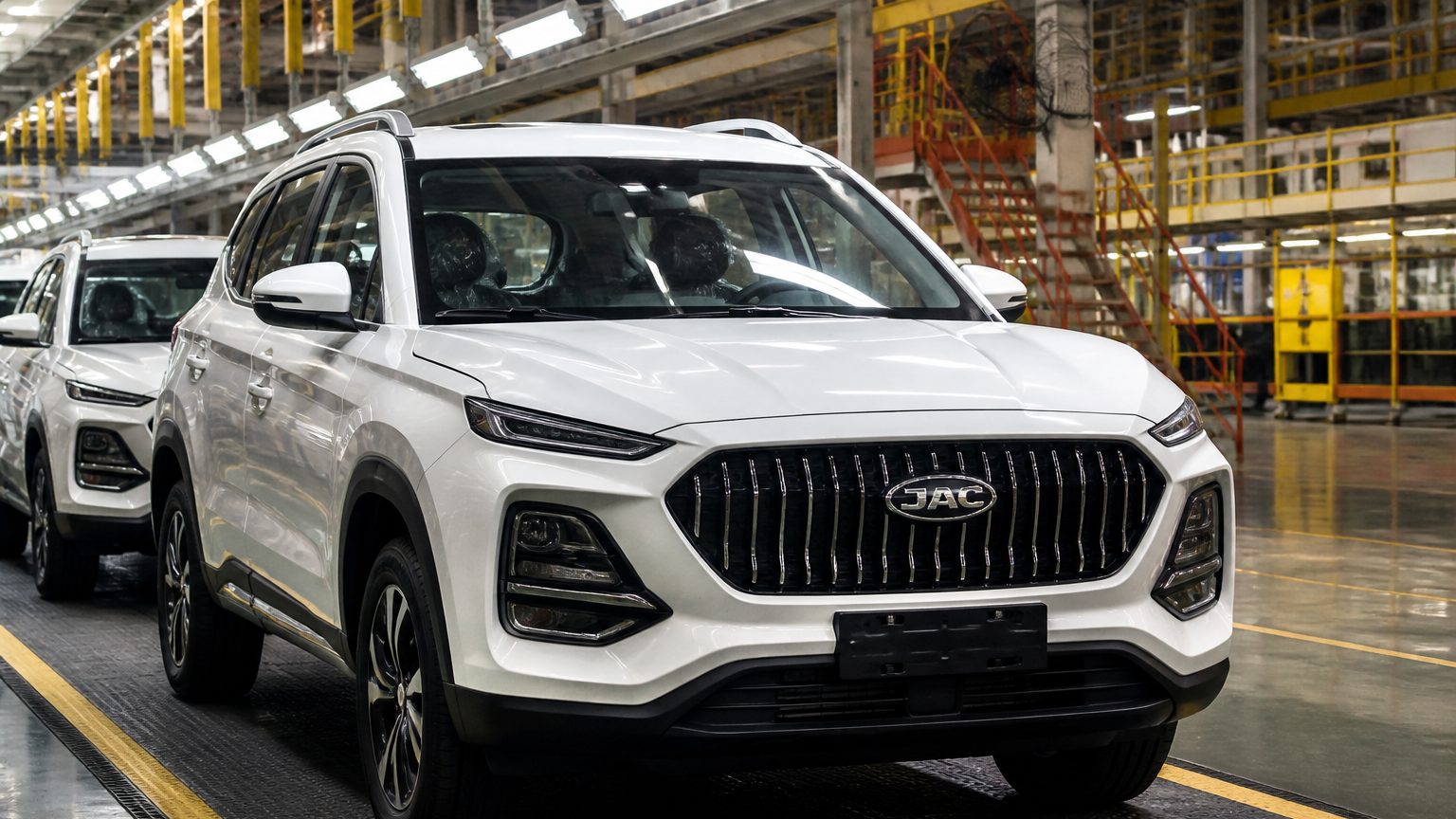
Ghandhara Automobiles Results: Key Highlights
GAL's latest results are stirring investor interest, but incomplete details demand caution: verify the official PSX filing before trading on headlines.
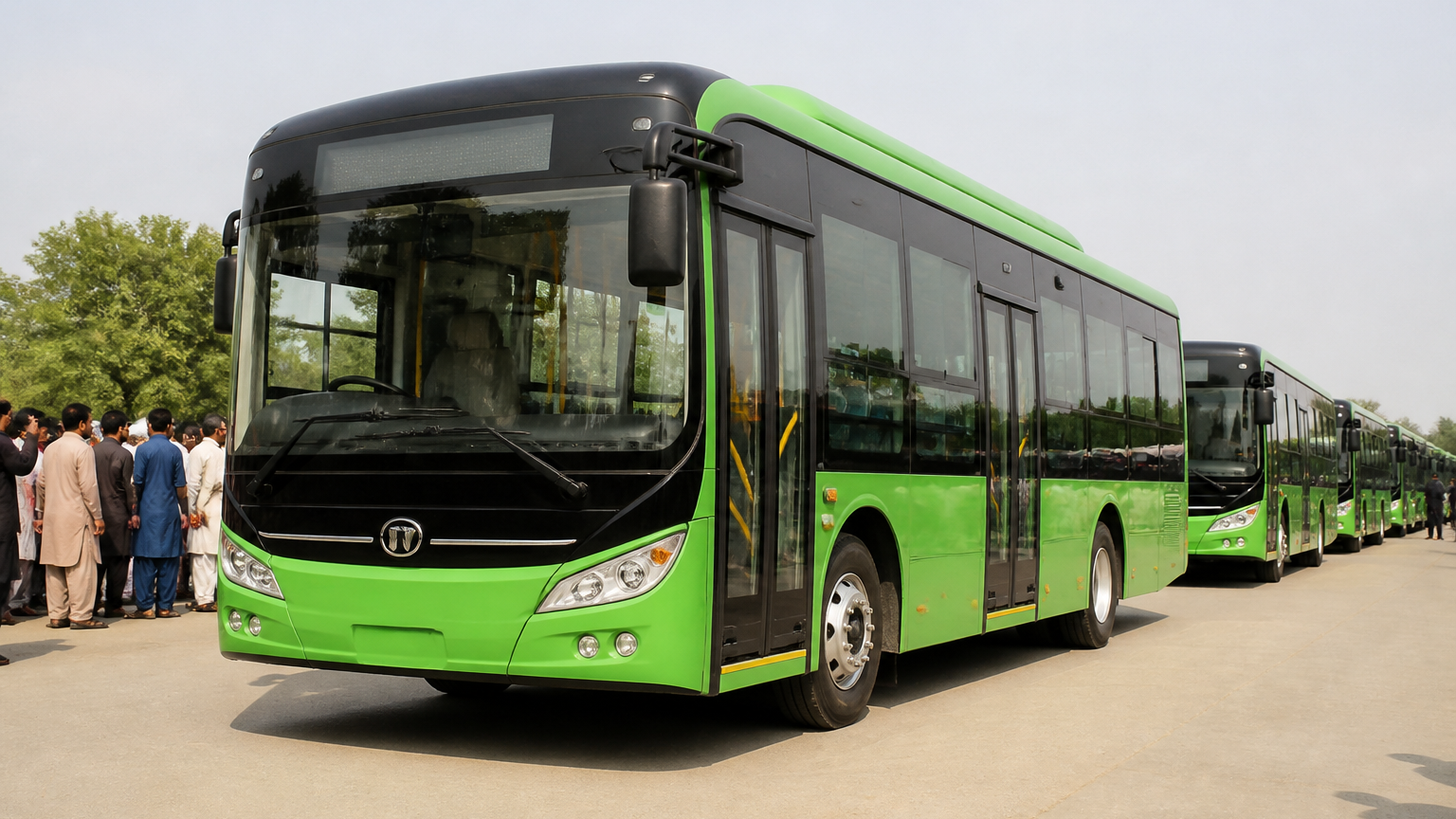
Multan Green Electric Bus Service Starts With 60 Buses
Multan launches 60 green electric buses, offering free rides to students, women, seniors and people with disabilities as Punjab expands clean transit.
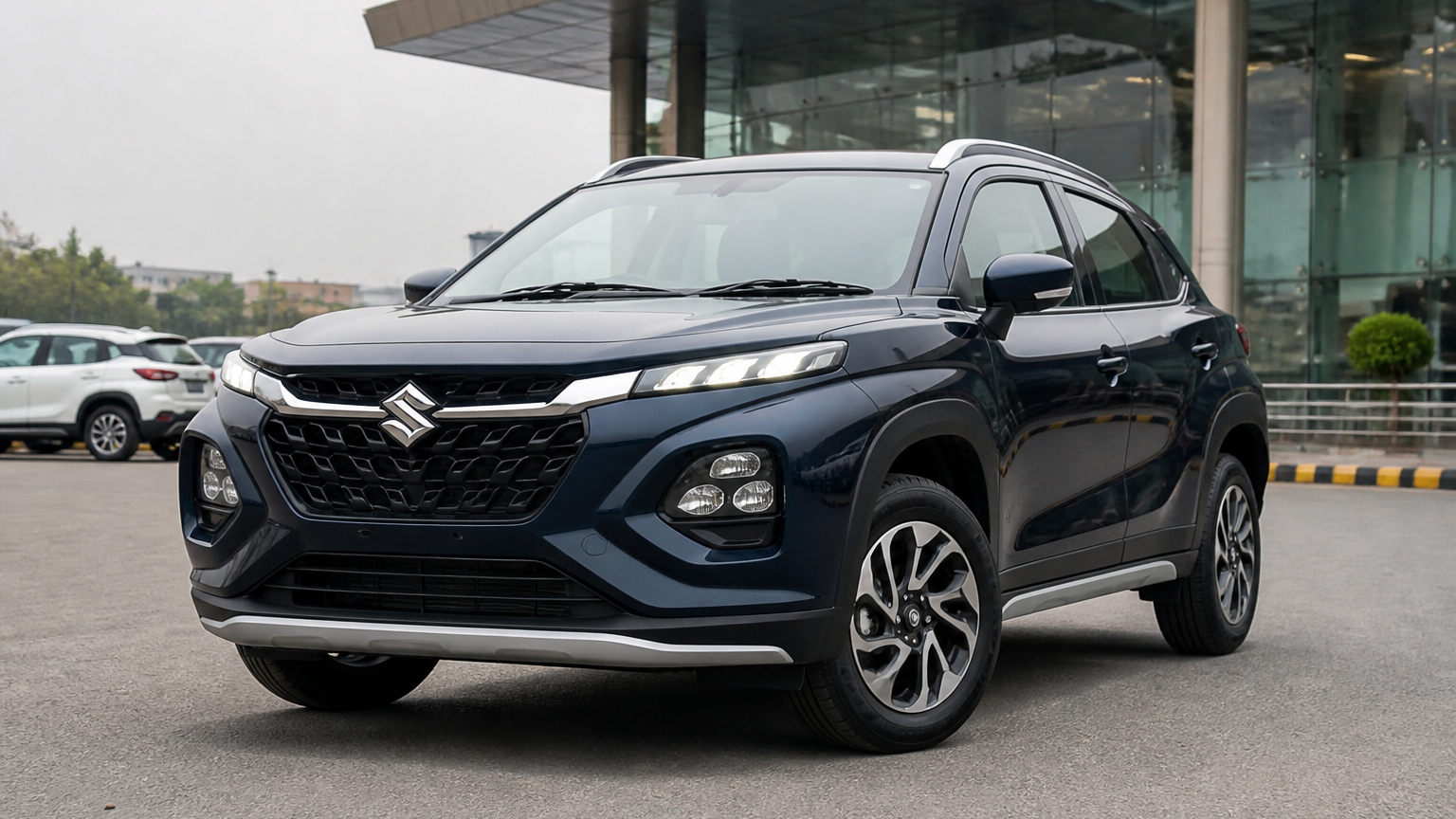
Suzuki Fronx Hybrid Price Revised in Pakistan
Suzuki Fronx Hybrid prices may shift after HEV tax changes in Pakistan. No verified figure yet—confirm the official invoice before booking.