Rawalpindi Murree Road Expansion: Wider Lanes and Traffic Relief Ahead
Rawalpindi's Murree Road is set for a major upgrade. The RDA has bumped up the widening to 20 feet on both sides, added service roads, and raised the budget to Rs. 17 billion. Expect smoother traffic from Liaquat Bagh to Chandni Chowk, plus new parking spots.
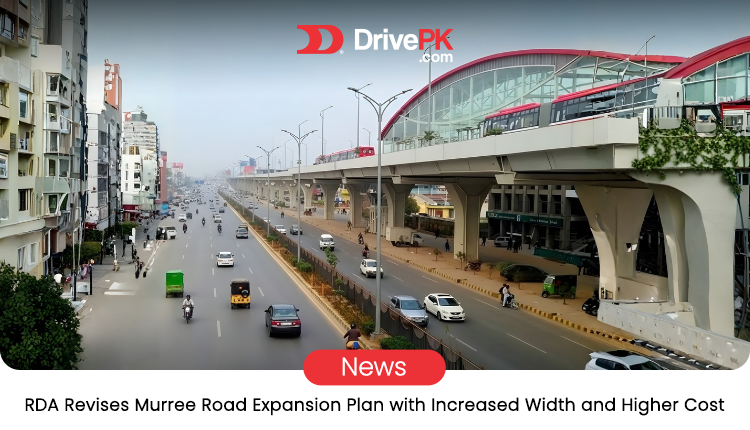
Table of Contents
- Why This Expansion Matters for Daily Commutes
- Tackling Parking Woes in Busy Spots
- What's Next for the Project?
- How This Fits into Rawalpindi's Growth
- Final Thoughts on the Road Ahead
Traffic in Rawalpindi can be a nightmare. You know the drill: stuck at lights, dodging bikes, and inching forward on packed roads. But things might change soon. The Rawalpindi Development Authority, or RDA, just updated its plan for expanding Murree Road. And it's bigger than before.
The project focuses on the stretch between Liaquat Bagh and Chandni Chowk. That's a key area where cars pile up daily. Originally, they planned to widen the road by 15 feet on each side. Now, they've pushed it to 20 feet. Why? To handle more vehicles and cut down on jams. It's a simple fix, but it could make a real difference for drivers.
Costs have gone up, too. The new price tag is Rs. 17 billion. That's a jump, but it covers extras like service roads along the three-kilometer route. These side lanes will help local traffic without messing with the main flow. The district administration suggested these changes, and RDA listened. Smart move, it shows they're thinking about real needs on the ground.
Why This Expansion Matters for Daily Commutes
Picture this: You're heading from Marrir Chowk to Faizabad. Right now, signals slow you down every few minutes. Once this project wraps up, that whole path could go signal-free. No more stopping and starting. Just steady movement.
That's huge for Rawalpindi. The city grows fast, and roads haven't kept up. More people mean more cars, trucks, and buses. Congestion isn't just annoying; it's bad for business and health. Smog builds up when vehicles idle. This upgrade aims to fix that by improving the flow.
Service roads are a key part. They'll run parallel to the main lanes, giving access to shops and homes without blocking through traffic. Think of it as adding extra paths for locals. It keeps things organized. And with 20 feet extra on each side, there's room for bikes or even pedestrians to feel safer.
Land surveys are already happening. They need about 48 kanals for this. That's not a small amount, but it's underway. Once they sort that, the project can move forward. It's all about preparation now.
Tackling Parking Woes in Busy Spots
Parking in Rawalpindi? Good luck. Spots vanish quickly, especially near hospitals and markets. The RDA plan tackles this head-on with two new parking plazas.
One goes up at Benazir Bhutto Hospital. Patients and visitors often circle for ages, adding stress to tough days. This plaza will provide dedicated spaces, easing the hunt.
The other is at the commercial market. Shoppers know the pain, double-parking blocks lanes, and sparks arguments. A proper plaza here means more order and less chaos.
These aren't just add-ons. They're part of making the area work better overall. With better parking, people won't clog roads while searching. It ties into the wider goal of smoother traffic.
What's Next for the Project?
The ball's in the government's court now. The plan needs approval to join the Annual Development Programme. That's the funding pipeline for big works like this.
If greenlit, construction could start soon. Surveys are rolling, so they're not starting from scratch. But timelines depend on that nod.
Keep an eye out, updates might come from RDA or local news. For residents, this could mean shorter commutes and less frustration. Businesses along the route might see more foot traffic, too, once access improves.
Challenges exist, though. Land acquisition can hit snags if owners push back. Costs might creep higher with delays. But the district's input suggests buy-in from locals.
And that's the hope: a road that serves people better. Not flashy, just functional.
How This Fits into Rawalpindi's Growth
Rawalpindi isn't standing still. As Islamabad's neighbor, it handles spillover from the capital. Better roads connect everything: jobs, schools, and markets.
This project echoes others in Pakistan, like Lahore's ring roads or Karachi's expressways. They're all about keeping up with urban sprawl.
For drivers, it's practical. Fewer jams mean saved time and fuel. For the environment, less idling cuts emissions. Even safety improves with wider lanes.
But it's not perfect. Widening roads can disrupt during builds. Dust, noise, detours, they're part of the deal. RDA should communicate well to minimize headaches.
In the end, though, upgrades like this build a better city. One where getting around feels easier.
Final Thoughts on the Road Ahead
Murree Road's expansion isn't just about asphalt. It's about fixing daily pains for thousands. From wider lanes to parking fixes, it's thoughtful.
Will it solve all traffic woes? Probably not. But it's a solid step. And in a bustling place like Rawalpindi, every bit helps.
Stay tuned as this unfolds. If you're in the area, share your thoughts on what you want from better roads.
For more updates, visit DrivePK.com
Tags
Share this article
About the Author
Najeeb Khan
Automotive enthusiast and writer
Comments (0)
Login Required
You need to be logged in to comment on this article.
No comments yet. Be the first to share your thoughts!
Related Articles
DrivePK Car Inspection Report: Buy Used Cars Safely
Buying a used car in Pakistan? A DrivePK inspection report reveals hidden faults, supports smarter negotiations, and helps you avoid costly mistakes.
Rawalpindi to Impound Smoke-Emitting Vehicles
Rawalpindi Traffic Police is gearing up for a citywide crackdown on smoke-belching vehicles, with inspections, fines and delays for commuters.
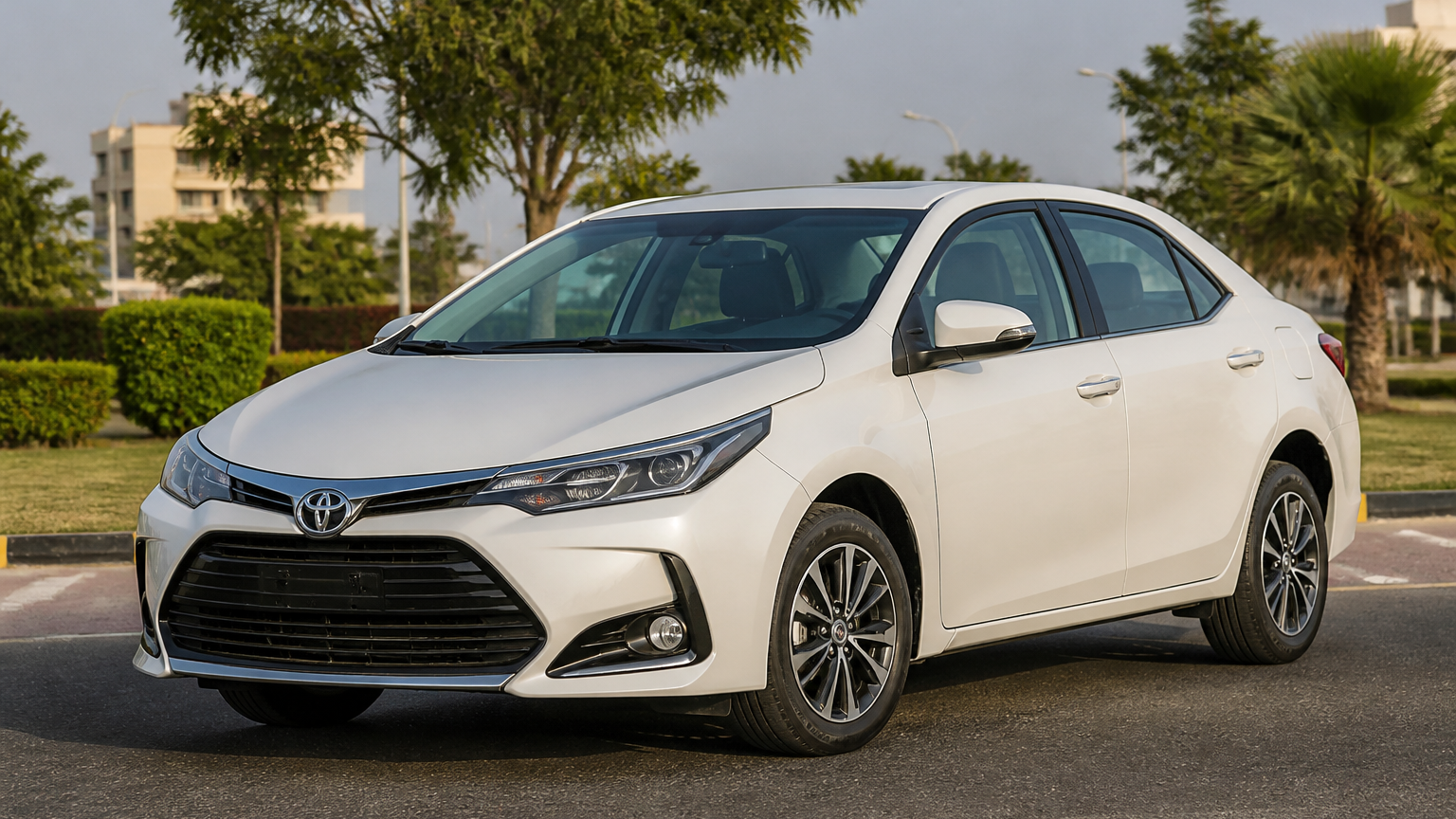
Toyota Corolla Discontinued Before Pakistan Facelift
Pakistan’s pre-facelift Toyota Corolla is reportedly discontinued, hinting at a facelift. Prices, bookings, specs and launch timing remain unconfirmed.