Rawalpindi Traffic Police 2025: Record Fines and Safer Roads
Rawalpindi's traffic police stepped up in 2025 with over 1.1 million tickets and Rs1.1 billion in fines. This 44% increase from 2024 involved 1,300 wardens. Helmet use hit 88%, fatal accidents dropped, and new e-challans with 2,100 cameras boosted monitoring.
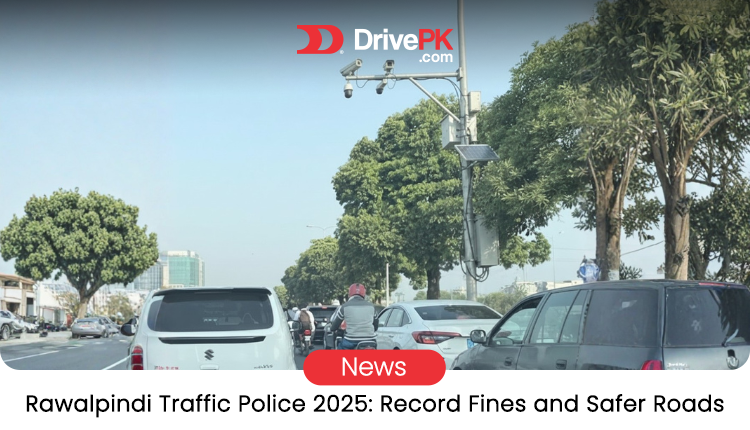
Table of Contents
- Top Violations: Licenses and Motorcycles Lead the Way
- Fewer Fatal Accidents: A Win for Safety
- Tech Steps Up: E-Challans and Smart Cameras
- What This Means for Rawalpindi's Future
Rawalpindi's streets saw big changes last year. The city traffic police went all out on enforcement. They handed out more than 1.1 million tickets for violations. That brought in about Rs1.1 billion in fines, all going straight to the national treasury. And this wasn't just a small uptick; it was a 44 percent jump from 2024.
Why the surge? More officers on the ground helped. Over 1,300 traffic wardens patrolled the city. They covered busy intersections, highways, and side roads. But it wasn't only about numbers. The focus shifted to real issues that cause chaos and danger every day.
Think about your daily commute. Dodging reckless drivers or weaving through motorbikes without helmets. In Rawalpindi, these problems got attention like never before. And the results? Safer roads for everyone.
Top Violations: Licenses and Motorcycles Lead the Way
Driving without a valid license topped the list of offenses. It's simple: no license means no right to be behind the wheel. Or on a bike. Wardens caught thousands breaking this rule. It puts everyone at risk: drivers, passengers, and pedestrians.
Motorcyclists made up most of the violations. Bikes are everywhere in Rawalpindi. They're quick and cheap for getting around. But many riders skip basic rules. Speeding, wrong turns, or ignoring signals. These add up fast.
One bright spot stood out. Helmet use climbed to 88 percent. How? Focused awareness campaigns. Police ran ads, workshops, and school talks. They showed real stories of accidents. Riders listened. And it worked. Fewer head injuries meant lives saved.
But why focus on bikes so much? In crowded cities like Rawalpindi, motorcycles cause a lot of crashes. Enforcing rules here cuts down on hospital visits and grief for families.
Fewer Fatal Accidents: A Win for Safety
Good news came with the crackdown. Fatal road accidents dropped in 2025. Exact numbers aren't out yet, but officials say the decline is clear. Why? Stricter enforcement scared people into following rules.
Wardens didn't just ticket. They educated. Campaigns on helmets and licenses reached markets, offices, and neighborhoods. People started thinking twice before breaking laws.
Imagine a family drive turning tragic over a simple mistake. That's what dropped. Safer habits spread. Drivers checked licenses. Bikers strapped on helmets. And the city breathed easier.
This ties back to the wardens' hard work. Patrolling non-stop, they spotted issues early. A quick stop could prevent a wreck. It's not glamorous, but it saves lives.
Tech Steps Up: E-Challans and Smart Cameras
Enforcement got a tech boost too. The traffic police rolled out an e-challan system. It's linked to a Command and Control Centre. No more paper tickets lost in the shuffle. Everything digital now.
Over 2,100 smart cameras watch the city. They spot violations in real time. Speeding? Red light jump? The system flags it. Then sends a challan to your phone or mail.
This setup brings transparency, no room for bribes or favors. Every fine is tracked. And paid ones go to the treasury fast. It builds trust. People see the system works fair.
But it's not just about catching offenders. Cameras help monitor traffic flow. Spot jams early. Redirect cars. Rawalpindi's roads run smoother because of it.
Wardens use the centre to coordinate. A violation pops up on screen. They respond quickly. It's like having eyes everywhere. And it frees up time for other duties, like helping at accidents.
What This Means for Rawalpindi's Future
Looking ahead, these changes set a tone. Roads aren't just paths; they're shared spaces. Everyone plays a part in keeping them safe.
The 44 percent enforcement rise shows commitment from wardens to tech. It's not perfect. Traffic still clogs up. But progress is there.
For residents, it's a reminder. Check your license. Wear that helmet. Follow signs. Small steps add up.
And for visitors? Rawalpindi feels more orderly. Fewer surprises on the road.
Officials plan more. Maybe expand cameras. Or new campaigns on seatbelts. The goal? Zero fatalities someday.
But for now, 2025 marked a shift. Tougher rules, better tech, safer streets. It's a story of action paying off.
Rawalpindi's traffic police proved that enforcement works when done right. With fines funding better systems, the cycle continues. Safer tomorrow starts today.
This crackdown didn't happen in a vacuum. Pakistan's cities face similar issues. Lahore, Karachi, and Rawalpindi's model. Sharing successes could help nationwide.
Wardens deserve credit. Out in the heat or rain, they enforce fairly. Their stories? Often untold. But their impact shows in stats.
Residents notice too. Social media buzzed with mixed views. Some griped about fines. Others praised fewer accidents.
Balance is key. Enforcement without overreach. So far, it leans positive.
In the end, Rawalpindi's roads tell a tale. Of rules tightened, lives protected. And a city moving forward, one ticket at a time.For more updates, visit DrivePK.com
Tags
Share this article
About the Author

Najeeb Khan
Automotive enthusiast and writer
Comments (0)
Login Required
You need to be logged in to comment on this article.
No comments yet. Be the first to share your thoughts!
Related Articles
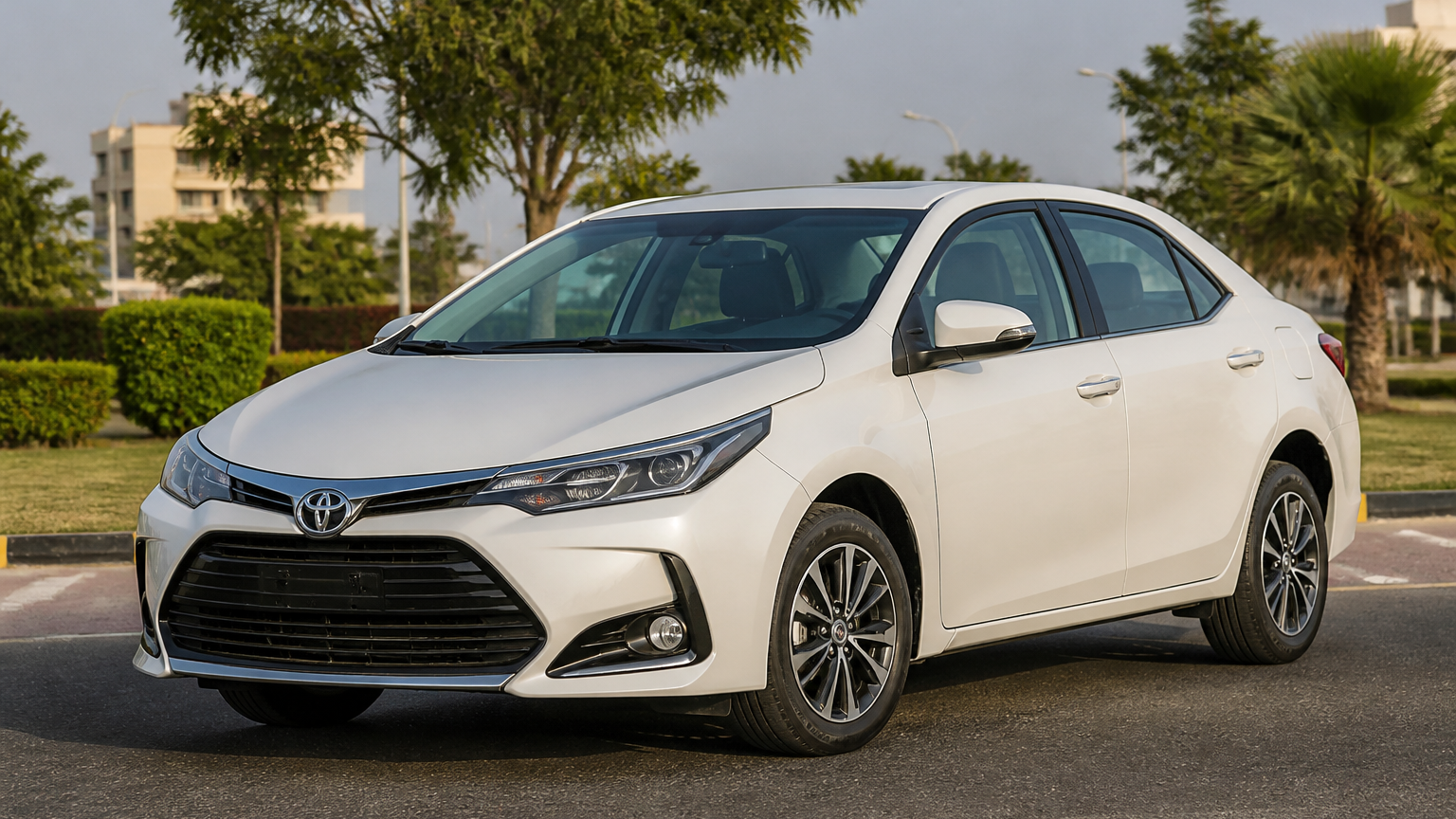
Toyota Corolla Discontinued Before Pakistan Facelift
Pakistan’s pre-facelift Toyota Corolla is reportedly discontinued, hinting at a facelift. Prices, bookings, specs and launch timing remain unconfirmed.
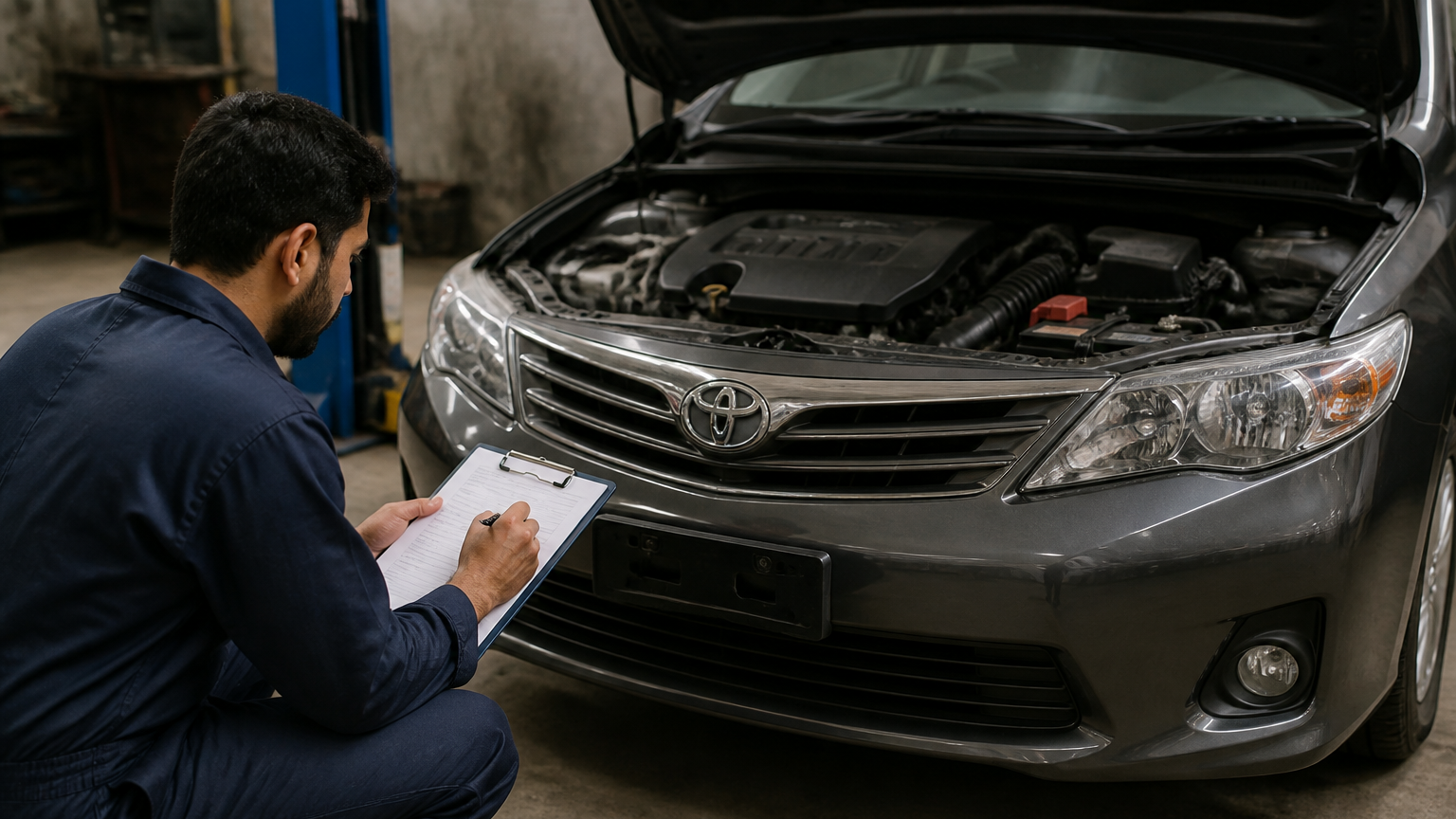
DrivePK Car Inspection Reports: Buy with Confidence
Buying a used car in Pakistan? A pre-purchase inspection can reveal hidden damage, engine issues and red flags before you pay—but it’s not enough alone.
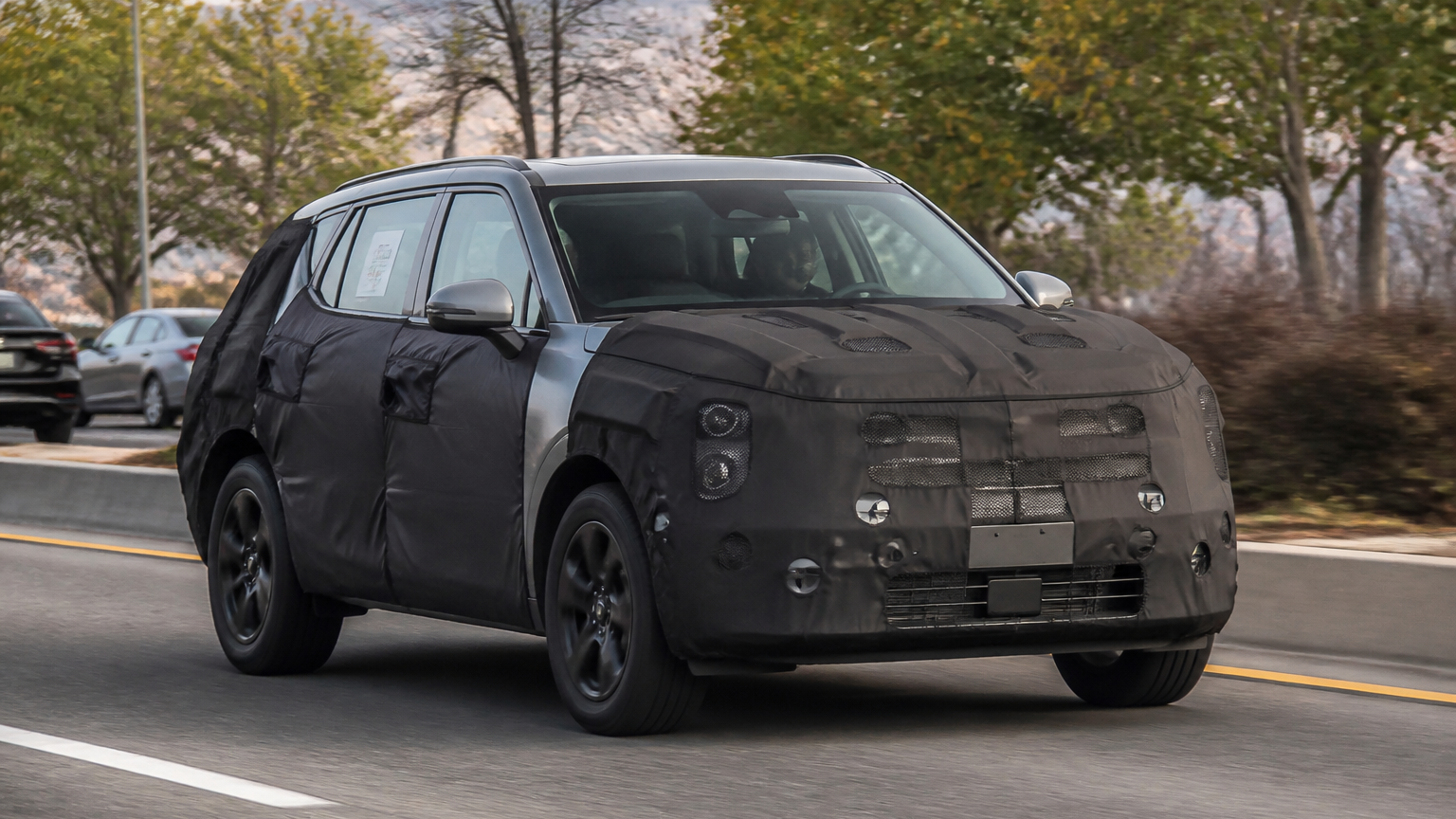
2028 Kia Sportage: Major Design Changes Spotted
Kia’s next Sportage may get a bolder, boxier redesign, with an upright profile, sharper lines, wider grille and split headlights hinted by spy shots.