Saudi Ceer EVs: Can Pakistan Localize Electric Cars?
Saudi Arabia’s Ceer unveils locally developed electric sedan and SUV, raising a key question for Pakistan: can it build EVs beyond assembly?
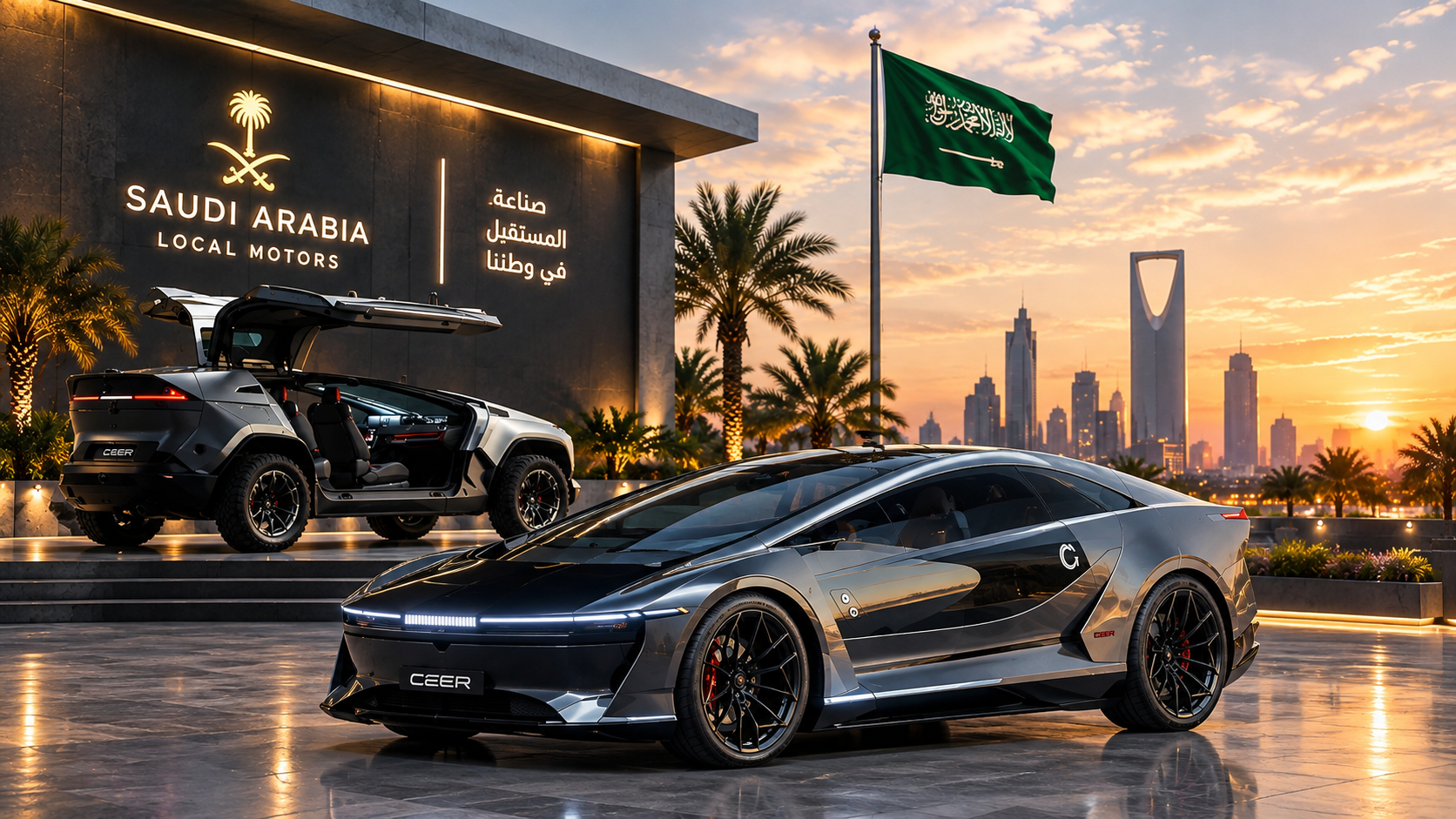
This report is based on a source report.
Saudi Arabia’s Ceer has unveiled its first locally developed electric vehicles, a sedan and an SUV, and the move is likely to catch the attention of Pakistani readers who keep asking the same question: can Pakistan move from simple assembly to making real electric cars of its own? For background, read our earlier coverage: What Are Electric Vehicles and How Do They Work?.
According to a source report at https://www.arabnews.pk/business/saudi-ev-maker-ceer-prepares-to-unveil-first-electric-sedan-suv-3001118, the company is positioning the two vehicles as the start of a wider product line. Ceer plans seven models over five years, but the report says final details such as battery size, range, power output, and prices have not yet been shared.
The vehicles were revealed at Ceer’s manufacturing site in King Abdullah Economic City. That matters because the project is not being sold as a badge-only brand. Ceer says it wants to design, engineer, source, validate, and build vehicles in Saudi Arabia, while also developing a local supplier base.
That industrial idea is the bigger story. According to sources, Ceer’s plant is being planned for up to 170,000 vehicles a year. The company also expects the project to support around 30,000 direct and indirect jobs and add about SAR 30 billion to the economy. Those numbers are company projections, not achieved results.
Ceer has also set a target of 45% Saudi local content by 2034. This is the part that separates real localisation from basic assembly. If a factory only puts together imported kits, the local economy gets fewer benefits. But if parts, skills, testing, and supplier work move into the country, the gains are deeper and more lasting.
According to sources, Ceer is backed by Saudi Arabia’s Public Investment Fund and works with Foxconn. It has also signed deals with global names such as BMW, Hyundai Transys and Rimac, alongside other technology and component firms. A source report says Ceer announced 16 agreements worth more than SAR 3.7 billion in February 2026, as part of its localisation effort. Saudi Arabia’s Local Content and Government Procurement Authority is also involved in pushing knowledge transfer and local supplier growth.
For Pakistan, the comparison is useful. The country already has decades of vehicle assembly work and a vendor base that makes many parts for traditional cars. The government’s New Energy Vehicles Policy 2025-30.pdf) says Pakistan has reached about 50% localisation in ICE passenger cars and around 90% in ICE two- and three-wheelers. For background, read our earlier coverage: Electric Vehicles in Pakistan: The Complete Guide 2026.
But that does not mean Pakistan is ready to make competitive passenger EVs at scale. The hard part is localising motors, battery packs, battery-management systems, power electronics, charging gear, and software. Imported EV kits can still leave the country exposed to high costs and pressure on foreign exchange.
Pakistan can still learn from the Ceer model. It can set clear local-content milestones, link global partners with skills transfer, and support engineering, testing, and after-sales work, not just factory buildings. It can also grow demand through stable EV incentives, charging stations, and fleet buying by the government.
For buyers, the main point is simple: Ceer’s reveal is not a Pakistan launch, and no local price has been announced here. If Pakistan ever builds a stronger EV base, it could help with parts supply, service support, and resale confidence. But that will take time.
Right now, Pakistan’s EV test is policy execution. Currency swings, imported battery costs, uneven incentives, weak charging access, and thin after-sales networks can slow progress fast. Saudi Arabia is showing how an EV brand can be used as an industrial project. Pakistan will need the same focus on suppliers, skills, and implementation if it wants more than assembly.
For more updates, visit DrivePK.com
Tags
Share this article
About the Author
Dr Khan
Automotive Expert & Content Strategist
Comments (0)
Login Required
You need to be logged in to comment on this article.
No comments yet. Be the first to share your thoughts!
Related Articles
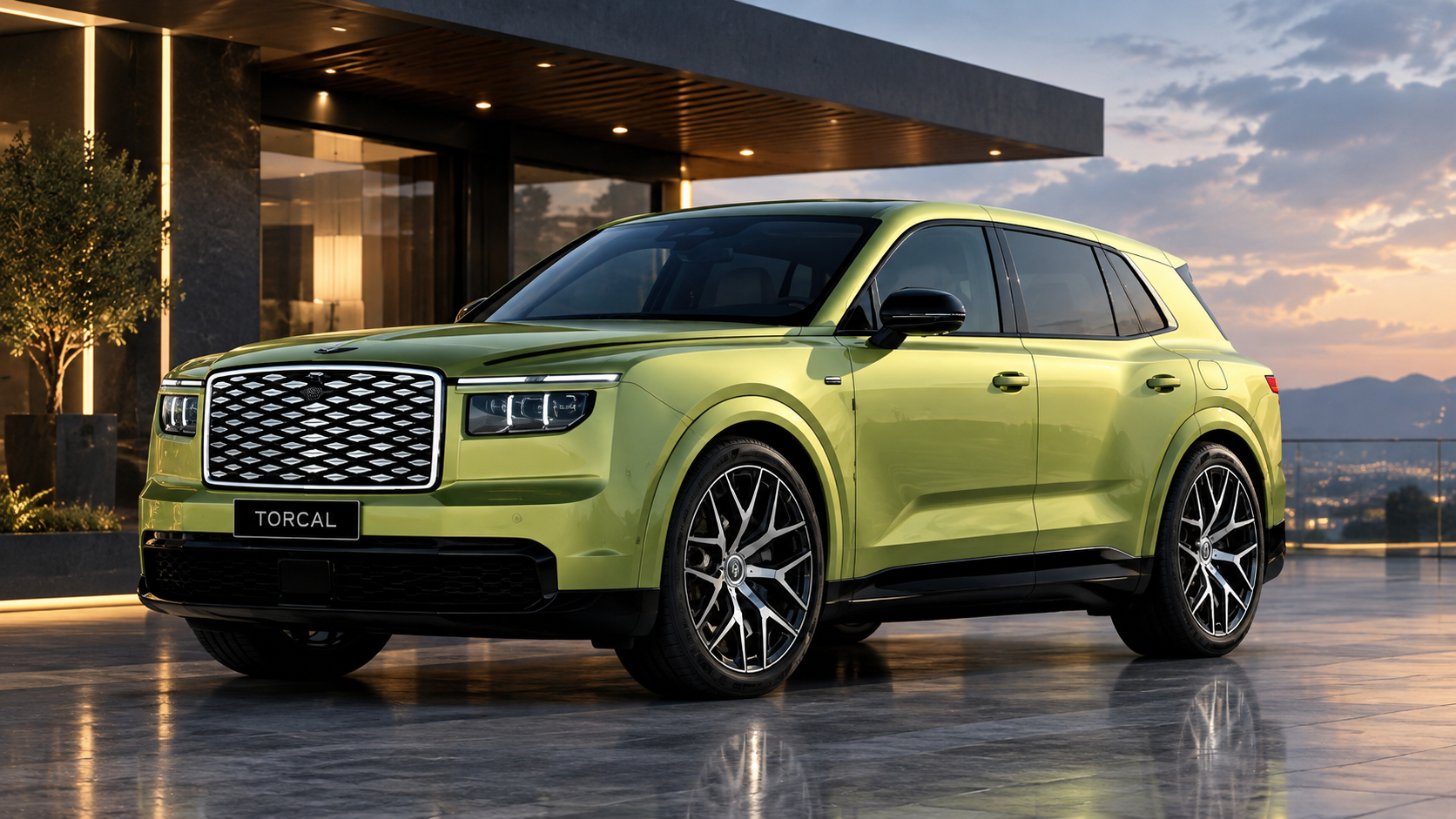
Bentley Torcal EV Revealed With 876 HP, 600 KM Range
Bentley’s first electric SUV, the Torcal, arrives with up to 876 hp, 600 km range and two trims—luxury EV thrills below the Bentayga.
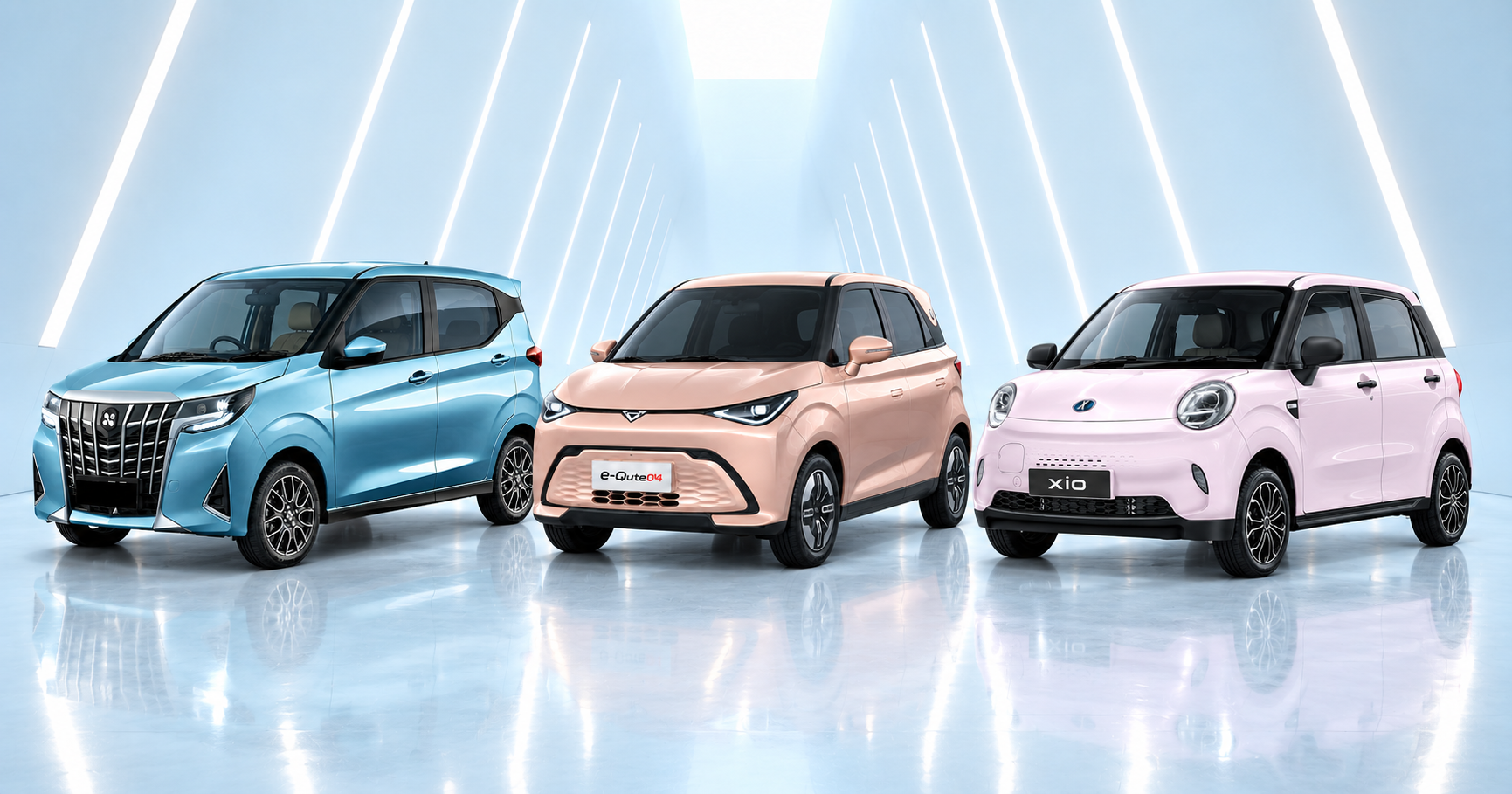
Best Electric Cars Under 50 Lacs in Pakistan
Many Pakistani buyers want an electric car but not a huge bill. This guide compares seven EVs under 50 lacs, including Inverex Xio, Honri Ve, BAW Pony, GUGO GiGi, BAW Brumby, Kaiyi e-Qute 04 and JMEV EV3, with current prices, clear range numbers, features and the limits you should know.
Millat Electric Bikes Launching in Pakistan Next Month
Millat Group may launch electric bikes and scooters in Pakistan next month, featuring swappable batteries; prices and specs remain undisclosed.