Shehbaz Sharif Cuts Petrol Price by Rs 80 to Rs 378: One-Month Freeze Starts Tonight
Prime Minister Shehbaz Sharif has reduced petrol prices by Rs 80 per liter to Rs 378, effective from midnight. This comes with a one-month price freeze and extra help like free buses in major cities, plus subsidies for bike riders and farmers. The move aims to ease pressure after a sharp hike triggered by rising global oil costs.
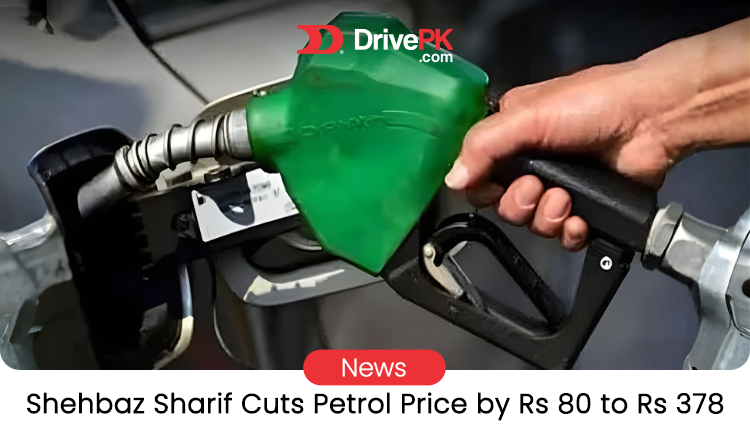
Table of Contents
- Why the Sudden Hike Happened First
- The Full Relief Package: Free Transport and Targeted Help
- How This Helps Daily Life in Pakistan
- What This Means for the Economy Right Now
- Conclusion
Prime Minister Shehbaz Sharif just made a quick call that many Pakistanis were hoping for. Late Friday night, he announced the government would cut the petroleum levy by Rs 80 per liter. That brings the new petrol price down from Rs 458.41 to Rs 378 per liter, starting at midnight tonight. And to keep things steady, the price will stay the same for the next 30 days no matter what happens in the global market.
It feels like a direct answer to the frustration that built up after yesterday’s big jump. People woke up to higher pump prices and immediately felt the pinch on their daily budgets. Now this reversal offers some breathing room.
Why the Sudden Hike Happened First
The story starts with events far away. Fighting in the Middle East pushed international oil prices higher. Supplies through key routes like the Strait of Hormuz faced pressure, and Pakistan felt the impact fast. On Thursday, the government passed on part of that rise. Petrol went up by Rs 137 per liter and diesel by nearly Rs 185, hitting Rs 520 per liter.
Many called it too much, too soon. Long lines formed at petrol stations. Transport fares started climbing. And social media is filled with complaints about how the extra cost would push up everything from milk to vegetables.
The Prime Minister had turned down earlier proposals to raise prices even more. But the global numbers kept moving, and the government finally adjusted. Then, within 24 hours, they stepped back on petrol to soften the blow. The Rs 80 cut comes straight from the petroleum levy, not from any new tax on consumers. Officials say the government is covering the difference from its own resources, just as it absorbed Rs 129 billion in recent weeks to hold prices steady.
The Full Relief Package: Free Transport and Targeted Help
This is not just about the pump price. The federal and provincial governments rolled out extra steps to reach ordinary people.
In Islamabad, all public transport runs free for the next 30 days starting Saturday. Punjab followed suit quickly. Chief Minister Maryam Nawaz announced free rides on the Orange Line Metro, Metro Bus, Speedo Bus, and Green Electric Buses across the province for one full month. Train fares stay unchanged too.
Sindh is doing its part as well. Chief Minister Murad Ali Shah confirmed free public transport in major cities and a targeted subsidy for motorcyclists. Registered bike owners will get Rs 2,000 per month, which works out to Rs 100 per liter on up to 20 liters of petrol. Punjab offered the same bike relief. Farmers in both provinces receive a diesel subsidy of Rs 100 per liter per acre to protect crops and keep food costs from spiking.
Government departments also face cuts. Fuel allowances drop by 50 percent for two months, and many official vehicles stay off the road. The idea is simple: share the burden fairly so that everyday families feel less pain.
How This Helps Daily Life in Pakistan
Think about what Rs 80 less per liter actually means on the ground. A motorcycle that fills 10 liters now saves Rs 800 every fill-up. For a rickshaw or small van driver doing 50 liters a day, that adds up fast. Lower transport costs should help keep bus, taxi, and goods fares from rising further.
Commuters in Rawalpindi, Lahore, Karachi, and other cities will notice the difference right away, especially with free public options available. Families who rely on bikes for school runs or market trips get direct support. Even small farmers who move produce to market benefit from the diesel help.
The one-month freeze matters too. No one has to worry about another surprise hike in April. Prices stay fixed even if oil markets keep swinging. That gives transporters and shopkeepers time to plan without panic.
Of course, diesel stayed high at Rs 520 per liter, so heavy trucks and some industries still face pressure. But the focus stayed on petrol because it powers most two-wheelers and small vehicles that ordinary Pakistanis use every day.
What This Means for the Economy Right Now
Inflation has been tough for years. Every fuel increase feeds straight into higher costs for food, medicine, and household items. By pulling back on petrol and freezing the rate, the government hopes to slow that chain reaction.
Transport makes up a big chunk of business expenses. Cheaper fuel and free buses should help control the prices of daily goods in the short term. It also sends a signal that the leadership is listening to public feedback.
The move is temporary. After 30 days, the government will review global prices again. But it buys time while the Middle East situation hopefully calms. Economists note that Pakistan has limited control over world oil costs, so these targeted relief steps try to protect the most vulnerable without draining the budget completely.
Public reaction has been mostly positive after the initial shock of the hike. People appreciate the speed of the correction and the extra subsidies. Still, many say they want longer-term solutions like better public transport investment and less dependence on imported fuel.
Conclusion
From midnight tonight, head to any petrol station and you should see the new rate of Rs 378 per liter. The one-month freeze starts immediately. Keep an eye on provincial announcements for free bus schedules and bike subsidy registration details. Most provinces are moving fast to roll these out over the weekend.
This package shows the government trying to balance global pressures with local realities. It is not a permanent fix, but it delivers quick relief when many families need it most. For now, the focus stays on keeping life a bit easier on the roads and at the kitchen table.
The coming weeks will show how well these steps hold inflation in check. In the meantime, the Rs 80 cut and the freeze give people one less thing to worry about as they plan their budgets for April. For more updates, visit DrivePK.com
Tags
Share this article
About the Author

Najeeb Khan
Automotive enthusiast and writer
Comments (0)
Login Required
You need to be logged in to comment on this article.
No comments yet. Be the first to share your thoughts!
Related Articles
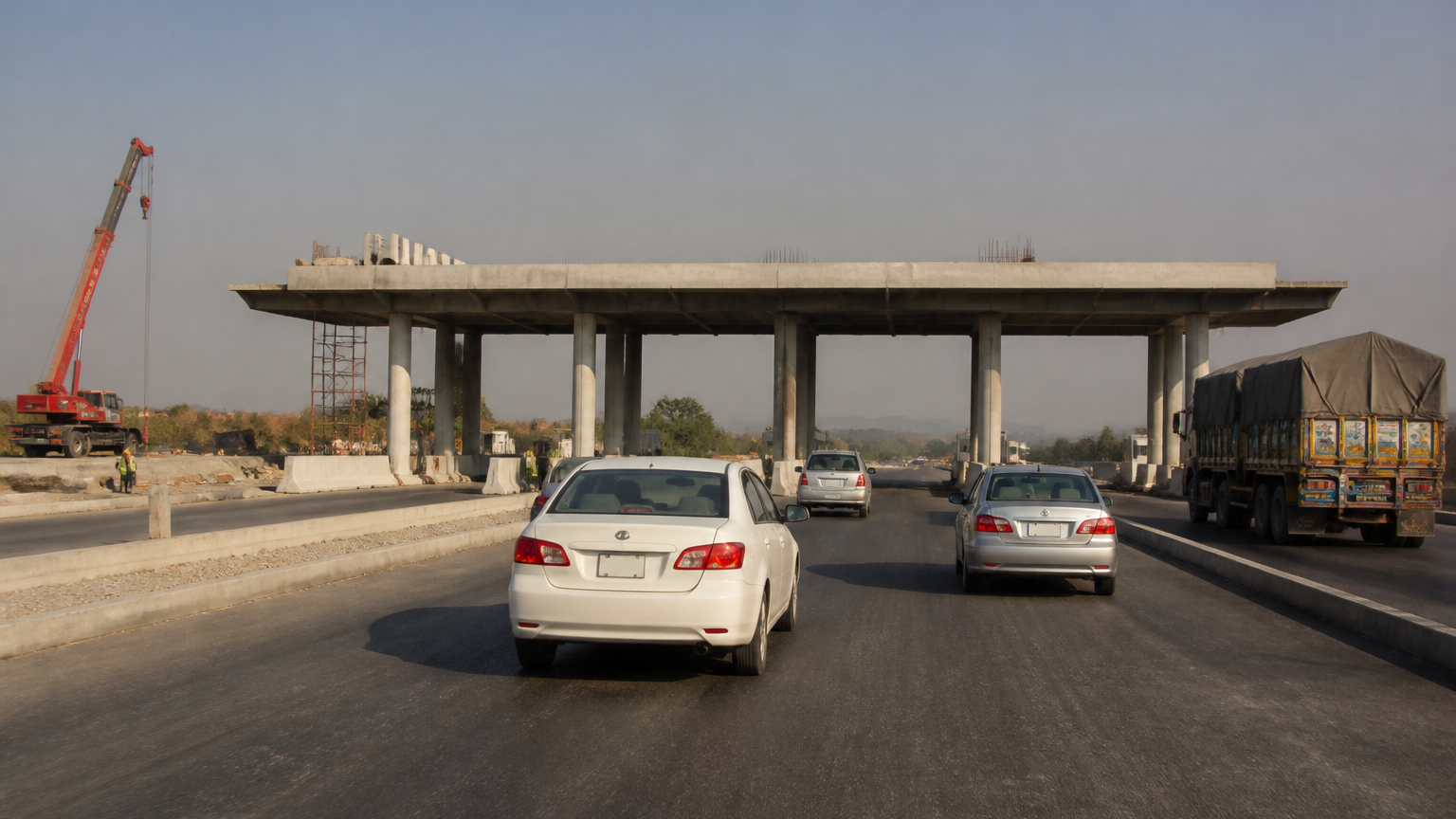
Rawalpindi Ring Road Opening Delayed by Toll Plaza Work
Rawalpindi Ring Road is structurally complete, but toll plazas and e-toll systems remain unfinished—delaying opening, toll rates and traffic relief.
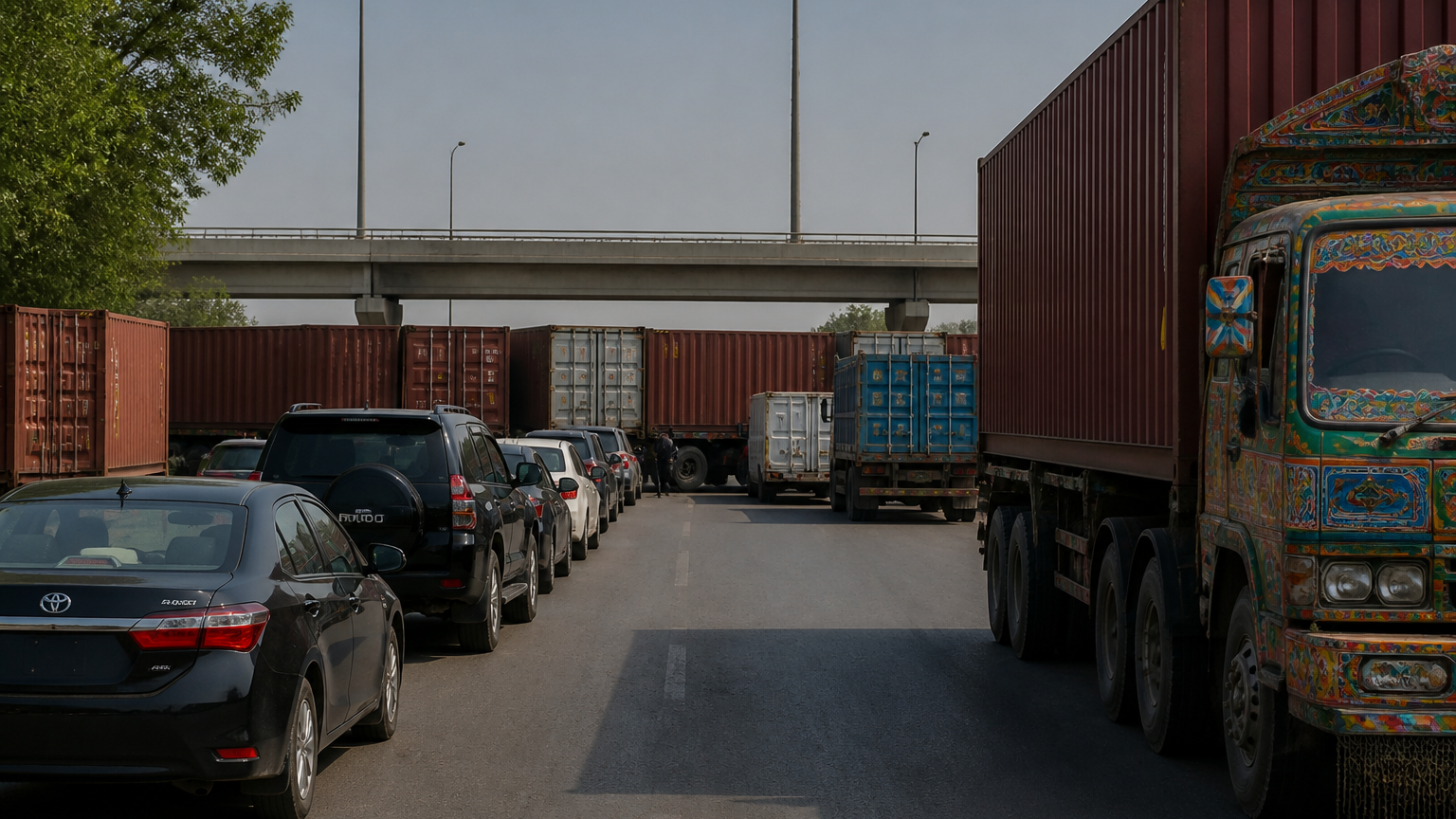
Islamabad Blockades Delay Karachi Freight Before PTI Protest
PTI’s Oct. 4 march may delay northbound freight from Karachi, affecting car parts, tyres and workshop supplies—but the scale remains unclear.
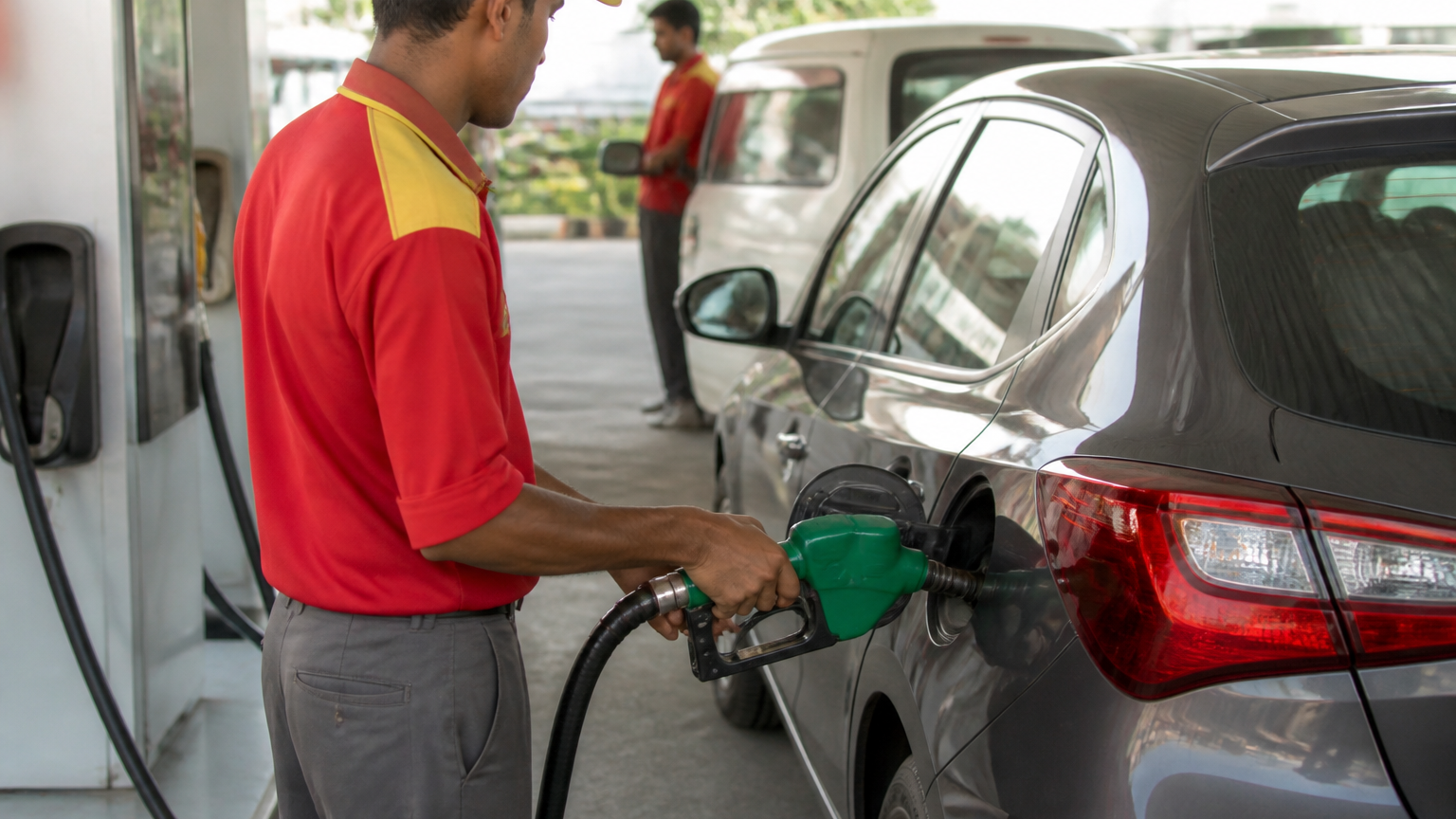
Oil Prices Near $100: Impact on Pakistan
Brent nears $100 after a sharp swing linked to China’s fuel-export curbs—but Pakistan’s petrol and diesel prices remain unchanged for now.