Sindh Approves 100 More Electric Buses to Boost Green Public Transport
Sindh has approved 100 more electric buses for its public transport fleet. Announced by Sharjeel Inam Memon, this step aims to cut emissions, offer better commuting, and promote cleaner travel options across the province.
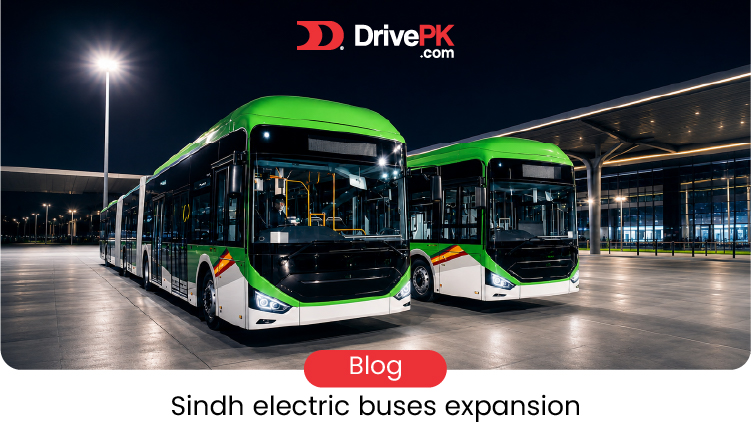
Table of Contents
- Goals for Sustainability and Commuter Comfort
- Challenges in Public Transport and How EVs Help
- Impact on Environment and Economy
- Looking Ahead for Sindh’s Transport Plans
The Sindh government recently approved adding 100 more electric buses. Senior Minister Sharjeel Inam Memon, who handles information, transport, and mass transit, shared the news on World Environment Day. This builds on earlier approvals, including larger batches for Karachi.
The focus is on making public transport cleaner and more reliable. Karachi and other cities in Sindh deal with heavy traffic and pollution. Electric buses produce no tailpipe emissions, which can help improve air quality.
Goals for Sustainability and Commuter Comfort
Electric buses run quieter than diesel ones. They offer smoother rides and can reduce the daily stress of commuting. The province also promotes electric scooters and other green options. Together, these steps support Pakistan’s climate goals and lower dependence on imported fuel.
For students heading to college, workers going to offices, and families traveling within the city, better service means less waiting and safer journeys. Overcrowding is a common complaint on current routes. More buses can ease that pressure.
Challenges in Public Transport and How EVs Help
Public transport in Sindh faces issues like old vehicles, unreliable schedules, and high emissions. Shifting to electric addresses several problems at once. Operating costs can be lower over time due to cheaper electricity compared to diesel.
The government is working with partners to expand routes. New services in areas like Orangi, Banaras, and smaller cities show a wider approach. Implementation details, such as charging stations and maintenance, will be key to success.
Impact on Environment and Economy
Fewer emissions mean healthier air, especially in dense urban areas. This aligns with global efforts to fight climate change. On the economic side, it can create jobs in maintenance, charging infrastructure, and related sectors.
Many residents welcome these moves. Public transport users often face high fares or discomfort. Electric fleets, if managed well, can offer affordable and modern options.
Looking Ahead for Sindh’s Transport Plans
This approval is part of ongoing efforts. More details on timelines and specific routes will come soon. Success will depend on execution, but the direction feels positive for sustainable mobility in the province. For more updates, visit DrivePK.com
Tags
Share this article
About the Author

Najeeb Khan
Automotive enthusiast and writer
Comments (0)
Login Required
You need to be logged in to comment on this article.
No comments yet. Be the first to share your thoughts!
Related Articles
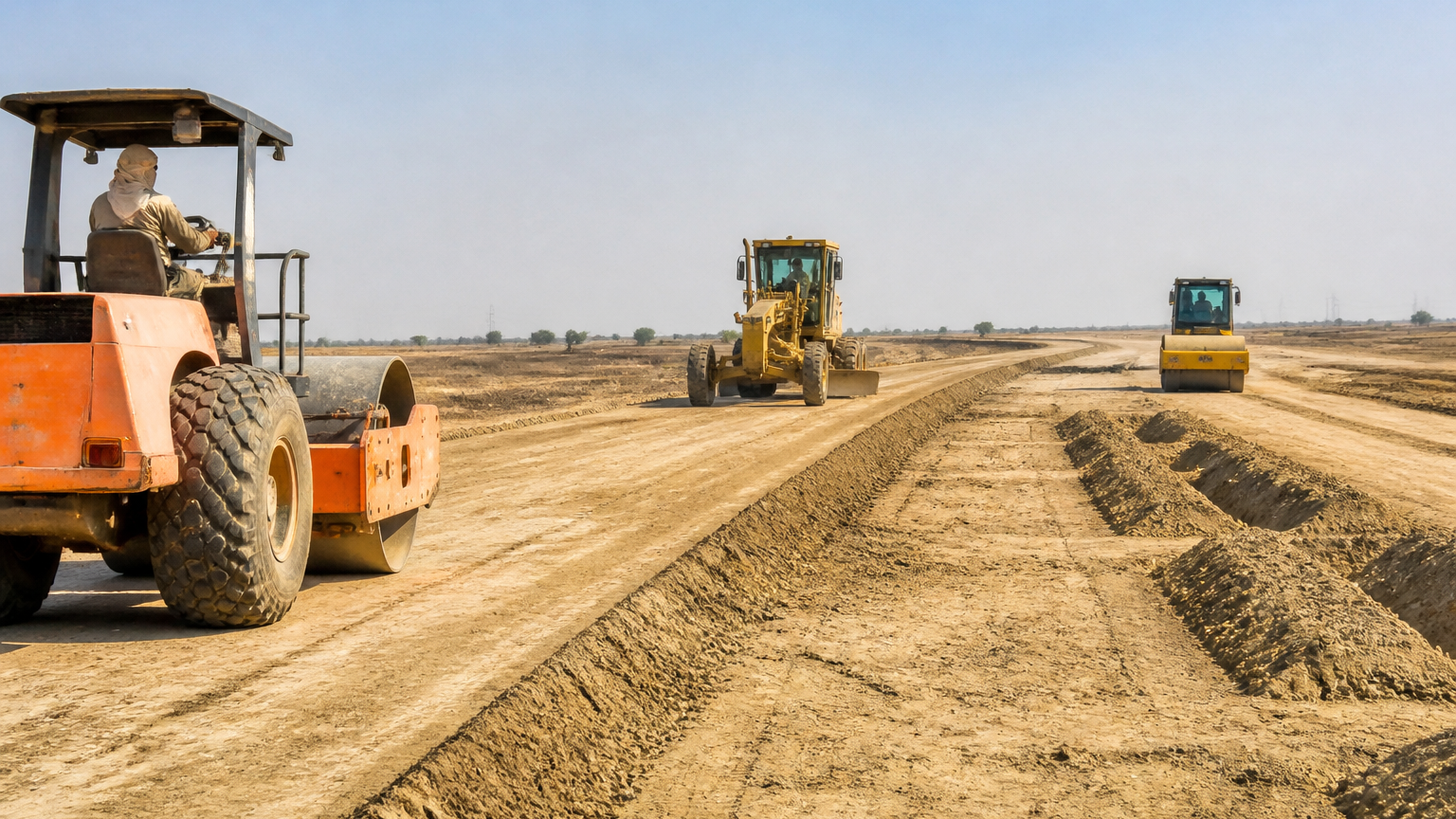
سکھر-کراچی موٹروے پر کام اگلے ماہ شروع ہوگا
سکھر-کراچی موٹروے کی تعمیر اگلے ماہ تین حصوں میں شروع ہوگی، جس سے کراچی پورٹ تک رسائی تیز ہونے کی امید ہے—تاہم منصوبے کی تکمیل کی کوئی تاریخ تاحال نہیں دی گئی۔
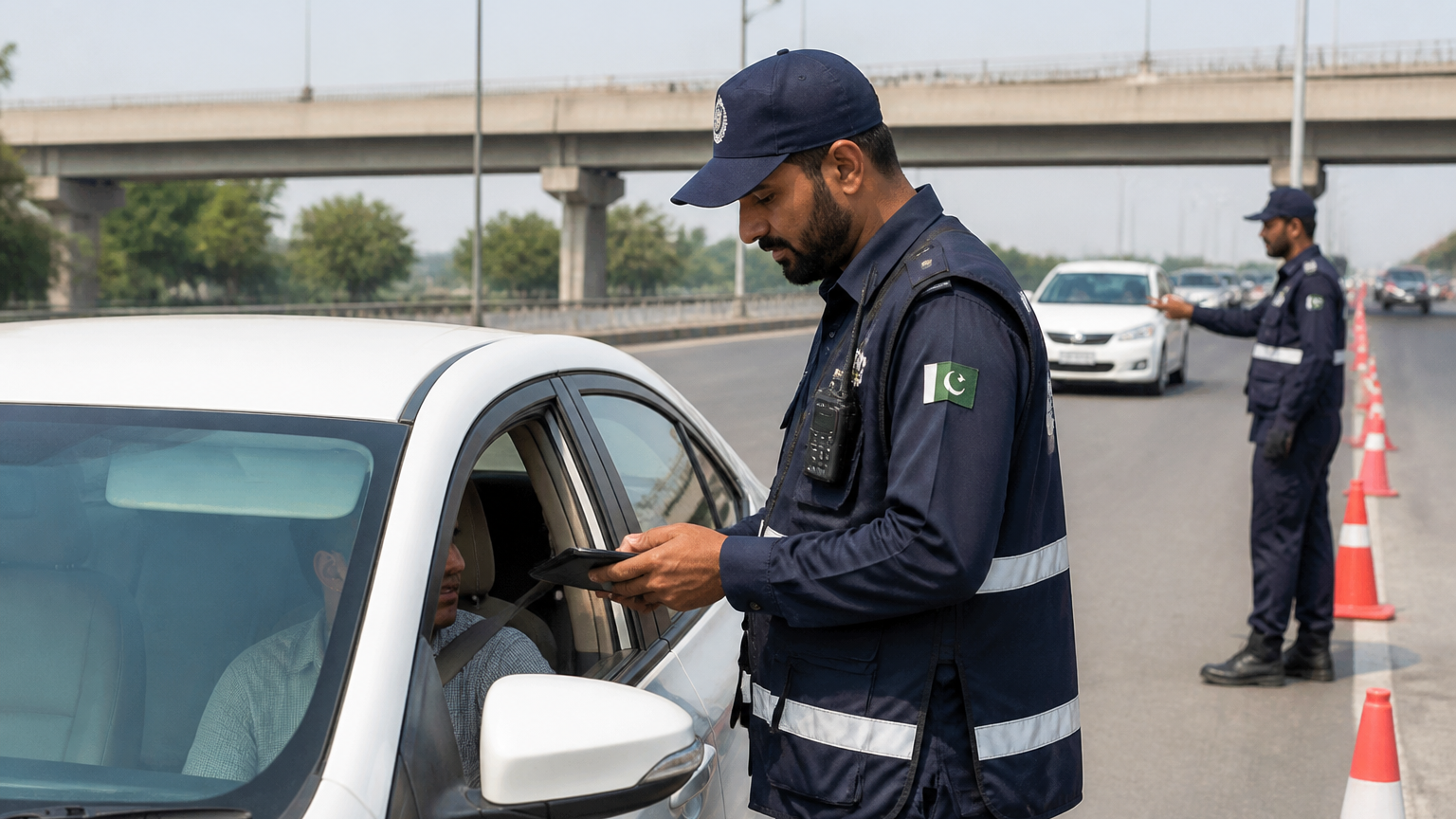
لاہور رنگ روڈ پر جرمانے 10,000 روپے تک پہنچ گئے
لاہور رنگ روڈ پر ڈرائیورز کو مبینہ طور پر 10,000 روپے تک کے جرمانے کا سامنا ہے، جن میں بغیر لائسنس ڈرائیونگ پر 5,000 روپے اور کم عمر ڈرائیونگ پر 10,000 روپے شامل ہیں۔
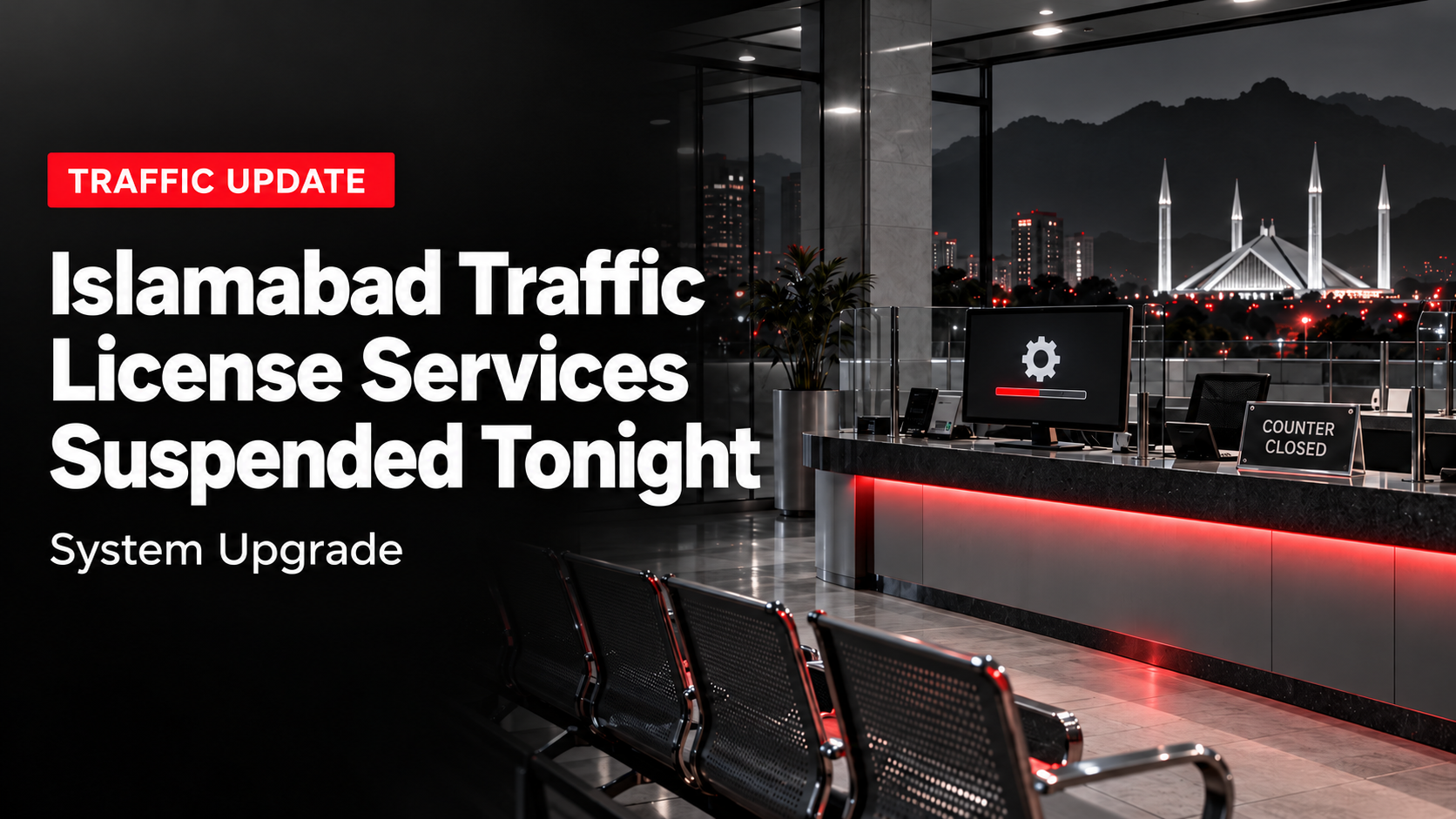
اسلام آباد ٹریفک لائسنس سروسز آج رات معطل
اسلام آباد ٹریفک لائسنس سروسز 26 اکتوبر رات 11 بجے سے 27 اکتوبر صبح 9 بجے کے بعد تک سسٹم اپ گریڈ کے باعث بند رہ سکتی ہیں—تجدید اور پرمٹس مؤخر کر دیں۔