Sindh Government Approves Modern Vehicle Inspection Centers Under PPP Model
The Sindh government has given the green light to establish modern vehicle inspection centers under a public-private partnership. Aimed at improving road safety and reducing pollution from unfit vehicles, the project includes digital booking and awareness campaigns. Here's what it means for transporters and the public.
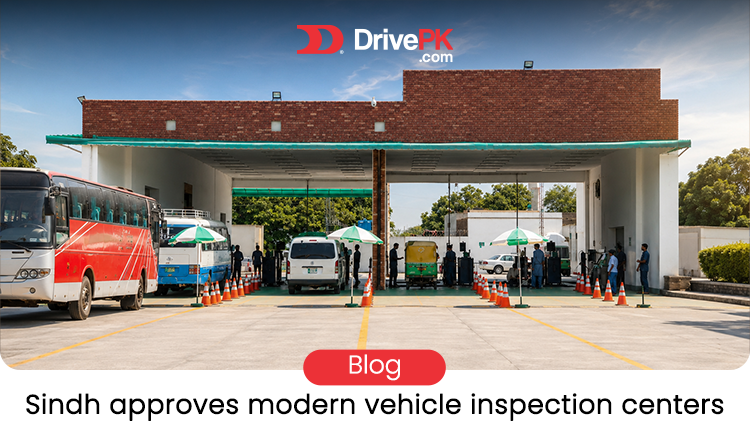
Table of Contents
- Why Sindh Needs These Inspection Centers
- Key Features of the New Inspection Network
- Timeline and Digital Push
- Expected Benefits for Road Users
- Better Safety:
- Lower Pollution:
- Fair Competition:
- Longer Vehicle Life:
- How Public-Private Partnership Helps
- Challenges Ahead
- Broader Impact on Transport Sector
- What This Means for Transporters and Owners
- Conclusion
The Sindh government has taken a practical step to fix long-standing issues with vehicle fitness checks. During the 52nd PPP Policy Board meeting, chaired by Chief Minister Syed Murad Ali Shah, authorities approved the establishment of modern vehicle inspection centers across the province under a public-private partnership model.
This decision comes after officials pointed out major gaps in the current system. Many commercial vehicles on the roads today are unfit, which contributes to accidents and higher pollution levels. The new centers aim to change that with better monitoring and modern technology.
Why Sindh Needs These Inspection Centers
Pakistan's roads see too many accidents involving heavy transport. Unfit vehicles, those with poor brakes, worn tires, or faulty engines, play a big role in these incidents. They also burn more fuel and release extra smoke, hurting air quality in cities like Karachi, Hyderabad, and Sukkur.
The existing fitness certificate system has weak enforcement. Many vehicles get papers without proper checks. This new initiative tries to fix that by bringing in private sector efficiency and digital tools.
CM Murad Ali Shah emphasized that the project will improve both road safety and environmental standards. He called it an important move to raise the overall performance of commercial vehicles in the province.
Key Features of the New Inspection Network
The plan includes several practical improvements:
- Fully digital system for booking inspections online
- Modern, automated testing equipment
- Mobile vehicle inspection facilities for remote areas
- Awareness campaigns to help transporters understand the process
The government will select private investors through competitive bidding. These partners will set up and run the centers while meeting strict government standards.
Reports mention plans for eight fixed centers plus at least one mobile unit. This network should cover major routes and transport hubs across Sindh.
Timeline and Digital Push
The government has set a clear deadline: June 30, 2026, for full digitalization of vehicle route permits and fitness certificates. After this date, manual documents will no longer be accepted. This move aims to reduce fake papers and bring more transparency.
Transport companies and vehicle owners will need to adapt quickly. Online appointments should make the process smoother and less time-consuming than the old manual system.
Expected Benefits for Road Users
The following are the key benefits for the road user:
Better Safety:
Regular, proper inspections mean brakes work when needed, lights are functional, and tires have enough tread. This should reduce breakdowns and crashes.
Lower Pollution:
Unfit engines produce more harmful emissions. Getting them fixed or off the road will help improve air quality, especially in urban areas.
Fair Competition:
Transporters who maintain their vehicles properly won't lose out to those cutting corners with cheap, fake fitness certificates.
Longer Vehicle Life:
Early detection of problems helps owners fix small issues before they become expensive repairs.
For the general public, safer roads mean fewer accidents involving buses, trucks, and other commercial traffic.
How Public-Private Partnership Helps
Sindh has used the PPP model successfully for other projects. Bringing in private investment means faster setup and modern technology without putting the entire burden on government funds. Private operators often bring efficiency and accountability that government-only systems sometimes lack.
Competitive bidding should ensure the best companies get selected based on capability and proposed standards.
Challenges Ahead
This is a solid plan on paper, but success will depend on execution. Key areas to watch include:
- Ensuring centers are accessible and not concentrated only in big cities
- Keeping inspection fees reasonable so small transporters aren't burdened
- Training staff properly and maintaining equipment
- Strong enforcement after inspections unfit vehicles must actually be kept off roads
Past attempts at vehicle inspection reforms in Pakistan have faced mixed results. Sindh will need to learn from those experiences and stay committed.
Broader Impact on Transport Sector
This project fits into Sindh’s larger infrastructure and transport strategy. Better vehicle standards support economic growth by making goods transport more reliable and reducing accident-related losses.
It also aligns with national goals around road safety and environmental protection. As Pakistan pushes for cleaner transport, proper maintenance becomes just as important as adding new vehicles.
What This Means for Transporters and Owners
If you run a transport business, start preparing now. Get familiar with the new digital system when it launches. Budget for proper maintenance so your vehicles pass inspections without major issues.
For individual owners of taxis, rickshaws, or small commercial vehicles, the mobile units should make compliance easier. Awareness campaigns will explain what to expect and why it matters.
Conclusion
The approval of modern vehicle inspection centers is a welcome and overdue step for Sindh. By combining private sector investment with digital tools and proper enforcement, the province can make real progress on road safety and air quality.
Success won’t happen overnight, but consistent implementation could set a positive example for other provinces. For daily commuters, truck drivers, and families on the road, safer and cleaner vehicles will make a meaningful difference.
The coming months will show how quickly these centers take shape and how effectively the system is enforced. For now, this decision signals that Sindh is serious about fixing an important gap in its transport sector. For more updates, visit DrivePK.com
Share this article
About the Author

Najeeb Khan
Automotive enthusiast and writer
Comments (0)
Login Required
You need to be logged in to comment on this article.
No comments yet. Be the first to share your thoughts!
Related Articles

Jetour T2 Facelift Gets 173 km EV Range in China
Jetour’s T2 facelift brings sharper looks, smarter tech and up to 173km electric range—but Pakistan launch, specs and pricing remain unconfirmed.
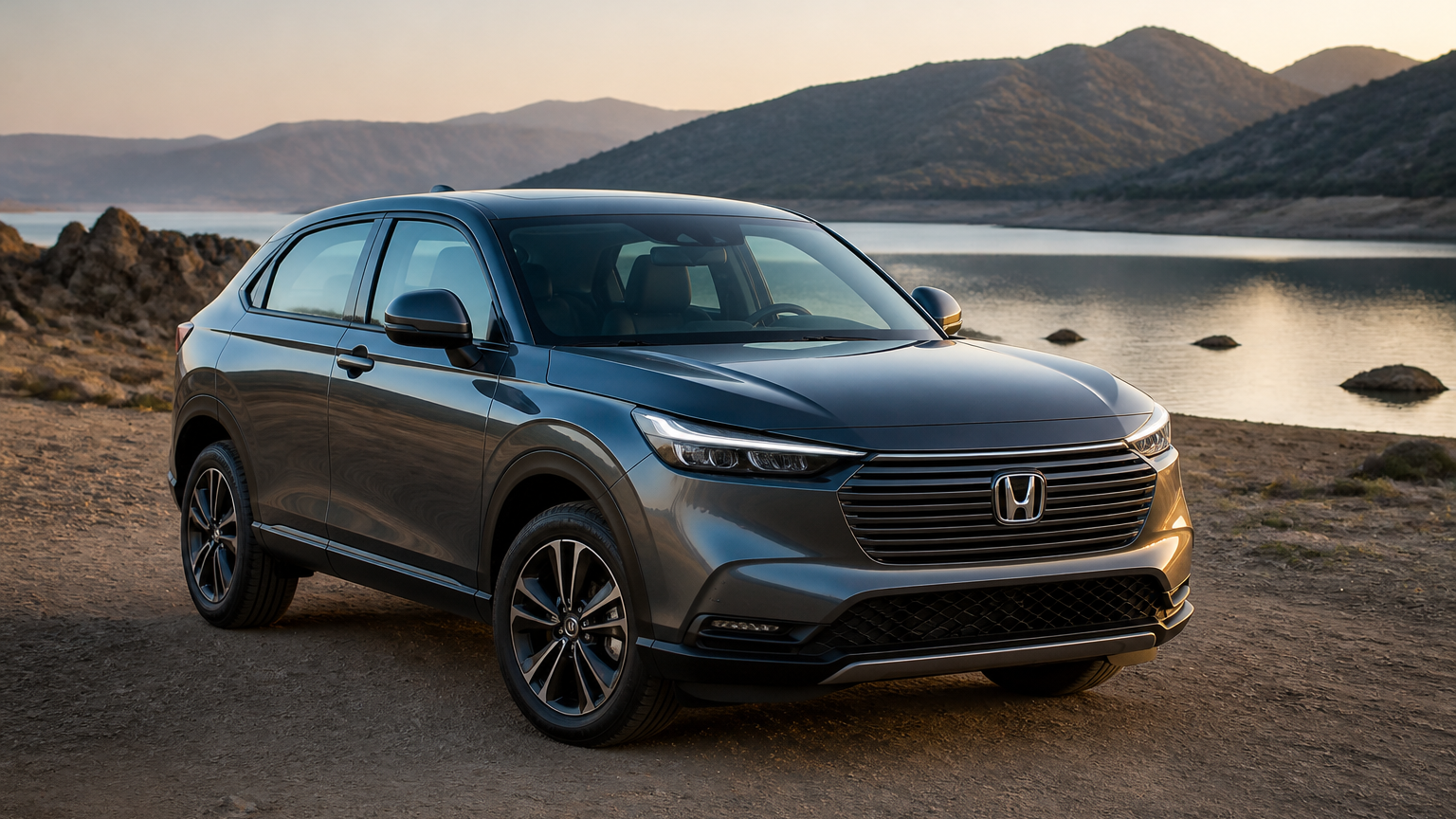
Honda HR-V Price Cut Up to Rs. 10.7 Lakh in Pakistan
Honda reportedly cuts HR-V prices in Pakistan by up to Rs. 10.7 lakh from Sept 25, 2026—but confirm the limited-time deal with a dealer.
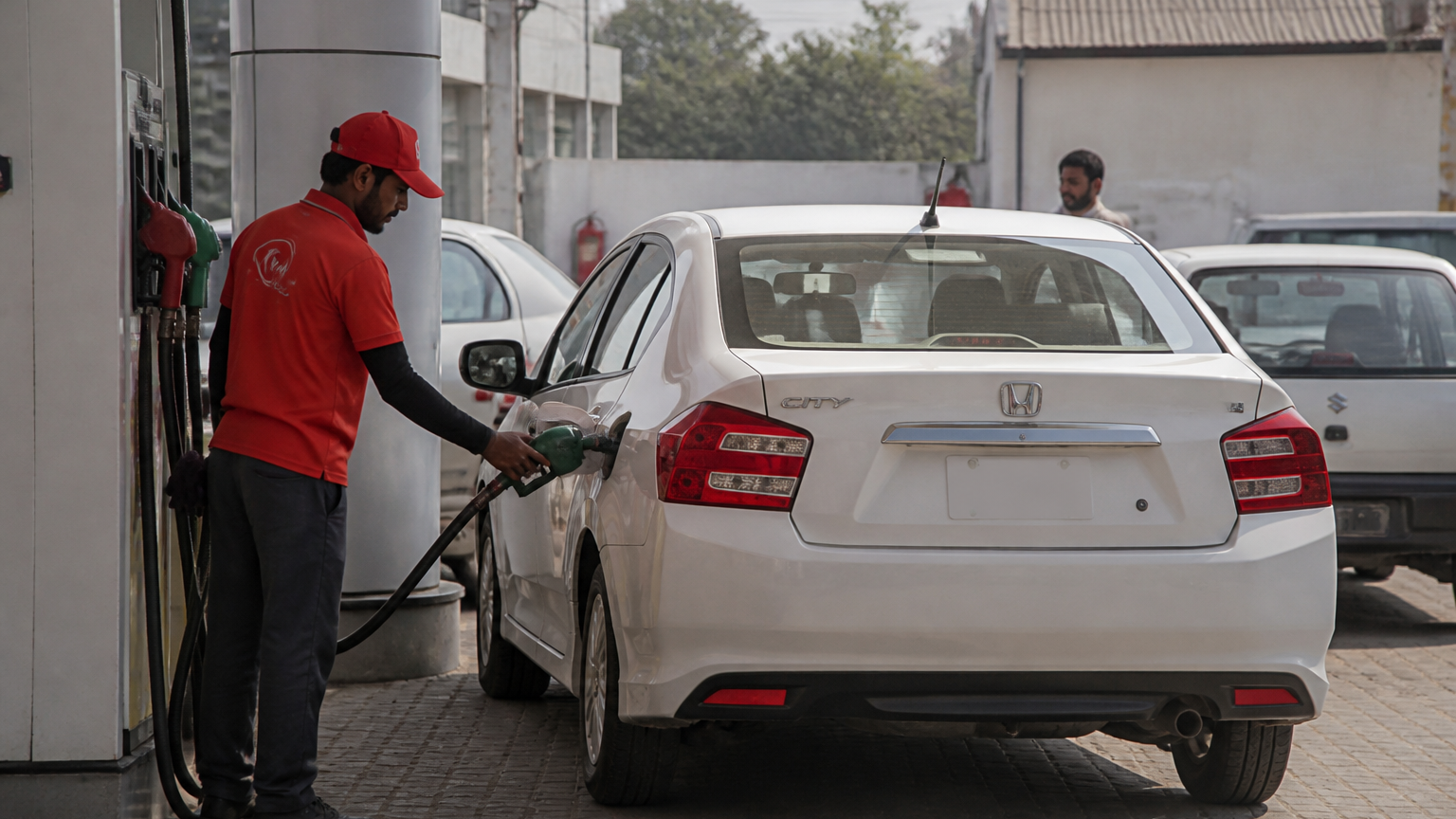
Pakistan Fuel Levy: How It Raises Inflation Pressure
A fuel levy can ripple through Pakistan’s economy, raising travel, delivery and everyday costs—fueling inflation far beyond the petrol pump for families.