Pakistan Petrol and Diesel Prices Cross Rs 414 Per Litre. Latest Hike and What It Means
The government has increased petrol and diesel prices again, pushing both above Rs 414 per litre. This latest hike comes amid ongoing global oil volatility driven by tensions in the Middle East. It will hit commuters, transporters, and businesses hard, raising costs for goods and travel across Pakistan
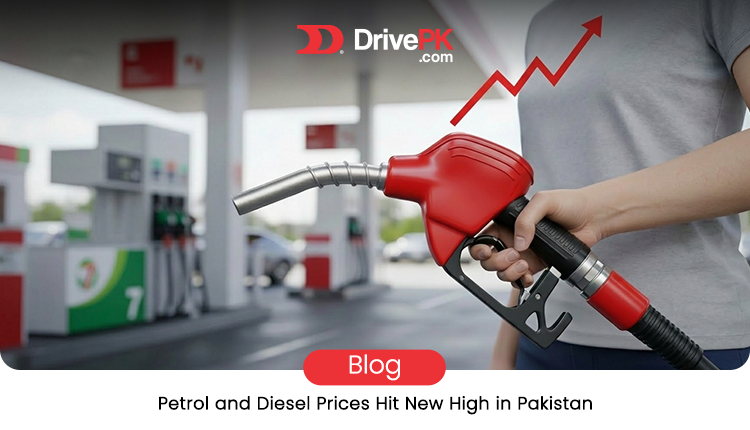
Table of Contents
- Why Fuel Prices Keep Rising
- How This Affects Everyday Life
- Global Context: US-Iran Tensions and Oil Markets
- Comparison: Impact of US-Iran Clash on Oil Prices
- Regional Fuel Price Snapshot
- What Can People Do?
- Choose Alternative: Time to Adopt Electric Vehicles
- Broader Economic Picture
The government announced another rise in fuel price effective May 9, 2026. Petrol now costs Rs 414.78 per litre, up Rs 14.92. High-speed diesel stands at Rs 414.58 per litre, up Rs 15. Both crossed the Rs 414 mark for the first time in recent weeks.
This marks the third straight weekly increase. People already dealing with high living costs feel the pinch once more.
Why Fuel Prices Keep Rising
Pakistan imports most of its oil. Global crude prices directly affect local rates. The main driver right now traces back to tensions between the US and Iran. Disruptions in the Strait of Hormuz, a key route for about one-fifth of the world’s oil, tightened supplies and pushed prices higher.
Even with some ceasefire efforts, fresh clashes keep the market nervous. Oil prices hover above $100 per barrel, and that feeds straight into what we pay at the pump.
Other factors include exchange rates, taxes, and the petroleum levy. The government adjusts prices every fortnight based on international benchmarks.
How This Affects Everyday Life
Transportation costs will go up first. Rickshaws, taxis, buses, and trucks all rely heavily on these fuels. Expect higher fares for public transport and more expensive goods movement.
Farmers use diesel for machinery and water pumps. Higher costs here could mean pricier vegetables, grains, and dairy in the coming weeks.
Businesses face rising logistics expenses. Small shopkeepers and large manufacturers alike will feel it. Many will pass the extra cost to customers.
Daily commuters already spending a big chunk of their salary on travel now face tougher choices. Families may cut back on other things to manage the budget.
Global Context: US-Iran Tensions and Oil Markets
The conflict between the US and Iran has shaken energy markets since early 2026. Blockades and attacks around the Strait of Hormuz caused sharp spikes earlier, with Pakistan petrol briefly touching much higher levels before some relief.
Oil prices remain volatile. Brent crude recently traded around $100-102 per barrel amid fresh exchanges of fire. This uncertainty keeps upward pressure on imported fuel costs for countries like Pakistan.
Comparison: Impact of US-Iran Clash on Oil Prices
| Aspect | Before Major Clash (Pre-Feb 2026) | During Peak Tensions (2026) | Current (May 2026) |
|---|---|---|---|
| Brent Crude (per barrel) | ~$70-80 | Spiked above $120+ | ~$100-102 |
| Pakistan Petrol Price | Lower Rs 300s range | Up to Rs 458 | Rs 414.78 |
| Key Trigger | Stable supplies | Hormuz disruptions | Ongoing volatility |
This table shows how geopolitical events translate into real price changes at home.
Regional Fuel Price Snapshot
Here’s how some countries in the region stand in terms of petrol prices (approximate USD per litre, recent data):
| Country | Approx. Petrol Price (USD/litre) | Notes |
|---|---|---|
| Iran | Very low (~$0.02-0.36) | Heavy subsidies |
| Saudi Arabia | Around $0.60-0.70 | Producer nation |
| UAE | Competitive, ~$0.80+ | Varies by grade |
| Pakistan | ~$1.48 (Rs 414) | Import dependent |
| Israel | Higher (~$2+) | Market + taxes |
Prices vary due to subsidies, production capacity, and taxes. Pakistan, as a net importer, feels global swings more directly.
What Can People Do?
Track prices weekly since they change often. Plan trips better and combine errands to save fuel. Look for efficient vehicles or carpool options where possible.
Businesses might review supply chains for small savings. The government sometimes announces relief measures, but right now, the focus stays on passing on global costs.
Choose Alternative: Time to Adopt Electric Vehicles
With petrol and diesel now above Rs 414 per litre and prices likely to stay volatile due to global tensions, many Pakistanis are quietly asking the same question: how long can we keep depending on imported fuel? The clear alternative lies in accelerating the shift to electric vehicles. EV evolution is not just an option anymore; it is the only practical long-term solution to protect household budgets, reduce import bills, and build real energy security for the country.
Broader Economic Picture
Inflation is already a worry. Fuel hikes feed into higher transport and production costs, which then affect almost everything. Economists warn this could push overall prices up further if the trend continues.
Pakistan’s economy relies on affordable energy for growth. Persistent high prices make recovery harder for ordinary people and small businesses.
The situation remains fluid. Any easing in Middle East tensions could bring some relief in the coming weeks. Until then, these higher rates add another layer of pressure on household budgets.
Stay updated through official sources, and manage your expenses carefully in the days ahead. Small adjustments now can help soften the blow. For more updates, visit DrivePK.com
Tags
Share this article
About the Author

Najeeb Khan
Automotive enthusiast and writer
Comments (0)
Login Required
You need to be logged in to comment on this article.
No comments yet. Be the first to share your thoughts!
Related Articles

Sell It For Me: اپنی کار کی فروخت DrivePK کے سپرد کریں
DrivePK کی Sell It For Me سروس اس لیے تیار کی گئی ہے کہ آپ فروخت کے عمل کی ذمہ داری منتقل کر سکیں، جبکہ توجہ آپ کی کار اور آپ کے اشتہاری اہداف پر برقرار رہے۔
Sell It For Me: Let DrivePK Handle Your Car Sale
DrivePK’s Sell It For Me service is designed to help you hand over the selling process while keeping the focus on your car and your listing goals.
1,000cc تک کی گاڑیوں پر مجوزہ FED کٹ کی وضاحت
کیا آپ سستی چھوٹی گاڑی کے منتظر ہیں؟ 1,000cc گاڑیوں کے لیے مجوزہ FED کٹ ابھی تک منظور نہیں ہوئی—اپنی اگلی Alto کی قیمت کم ہونے کا اندازہ ابھی نہ لگائیں۔