Pakistan's EV Revolution Is Real, and It's Happening at Pakistan Expo Centre Lahore in 2026
Pakistan is moving toward electric vehicles step by step. The EV Pakistan Expo 2026 at Expo Centre Lahore from 15-17 May brings bikes, cars, batteries, and charging solutions together. It shows real progress in policy, local manufacturing, and everyday options. This is where the future of transport in Pakistan takes shape.
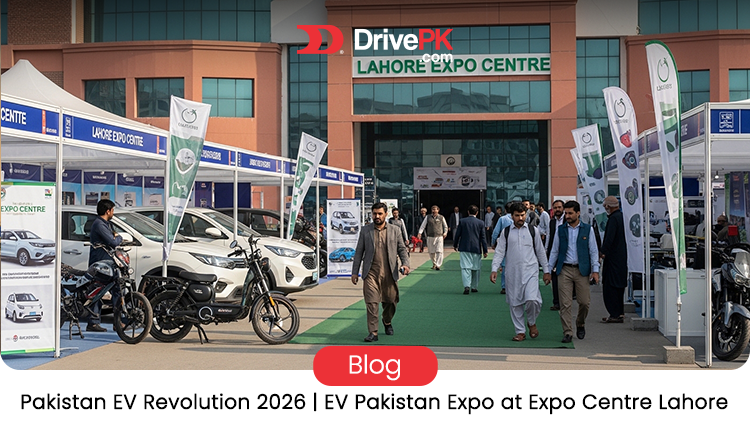
Table of Contents
- Why EVs Matter for Pakistan Today
- Government Steps That Are Making a Difference
- Honest Look at the Challenges
- What Happens at EV Pakistan Expo 2026
- Brands and Products You Can Expect to See
- Who Should Go and What They Gain
- The Real Impact on Daily Life in Pakistan
- Conclusion
Pakistan runs on imported oil. Transport eats up more than 40 percent of it. That costs money and adds to pollution. Electric vehicles offer a different path. They run cheaper per kilometer and cut emissions. The shift is already underway. And the clearest sign comes this May at the Pakistan Expo Centre in Lahore.
The event is called EV Pakistan Expo 2026. It runs from 15 to 17 May. Organizers from White Paper Summits put it together with the Pakistan E-Bike Expo. It is the country’s largest gathering focused only on electric mobility. You will find bikes, scooters, cars, rickshaws, batteries, chargers, and more under one roof. No hype. Just the products, the people, and the plans that are moving forward right now.
Why EVs Matter for Pakistan Today
Fuel prices keep rising. Families feel it at the pump. Businesses see higher costs for delivery and transport. EVs change that equation. Running an electric bike or scooter costs a fraction of petrol. Many owners report savings of 70 to 80 percent on fuel each month.
The government sees the bigger picture. Oil imports drain foreign reserves. The New Energy Vehicle Policy 2025-2030 sets a clear target: 30 percent of new vehicle sales should be electric by 2030. It aims for full decarbonization of road transport by 2060. These numbers sound far off, but the steps are already visible.
Two-wheelers and three-wheelers make up over 90 percent of vehicles on Pakistan’s roads. That is where the change starts. Electric bikes and rickshaws reach everyday riders and small business owners first. They need less range and cost less to build locally.
In 2025, electric two-wheeler sales jumped 191 percent to around 90,000 units. That growth did not come from big cities alone. Riders in Lahore, Karachi, and smaller towns are choosing them for daily commutes. The numbers prove demand exists when options become affordable.
Government Steps That Are Making a Difference
Policy is not just talk on paper. The government cut sales tax on EVs to 1 percent. Duties on parts dropped to 1 percent for full electric vehicles. Subsidies help too. Electric bikes can get up to Rs 80,000 off the price. Rickshaws and loaders qualify for up to Rs 400,000 in support.
A carbon levy on petrol vehicles funds these incentives. Registration fees are lower for EVs. Some areas offer no tolls. Government offices must choose new-energy vehicles after 2027. These rules push the market forward without forcing anyone.
Charging infrastructure is still limited. Right now Pakistan has roughly 30 to 50 public stations, mostly in big cities. Plans call for 3,000 stations by 2030. Private companies already announced 500 new chargers over the next two years. A special electricity tariff of Rs 38.9 per unit helps station operators. Progress is slow but steady.
Honest Look at the Challenges
No one says the road is smooth. Upfront prices still feel high for many families even with subsidies. Range anxiety is real when chargers are far apart. The grid needs upgrades to handle more demand without blackouts.
Most EVs on roads today are two- and three-wheelers. Cars remain rare and mostly imported or high-end. A fully local electric car priced around Rs 1 million is expected by mid-2026. That changes the conversation for middle-class buyers.
Infrastructure gaps hit hardest outside major cities. Apartment parking often lacks charging points. Long highway trips need better planning. These issues are known. The expo will let people see what solutions companies are bringing to fix them.
What Happens at EV Pakistan Expo 2026
The Expo Centre in Lahore opens its doors for three days in May. This is not a small side event. It brings manufacturers, suppliers, policymakers, investors, and regular visitors together.
You can walk through halls filled with live displays. Sit on electric scooters. Look inside cars. Check battery packs and charging units up close. Test rides are part of the plan for many brands. Conferences and panel talks cover battery tech, policy updates, and market outlook. Government officials join some sessions to answer questions directly.
The event focuses on practical things. Local assembly lines. Affordable models. Charging solutions that fit Pakistani homes and streets. It also touches on bigger trends like energy storage and new mobility ideas, but the core stays on what works here today.
Horwin joins as a silver sponsor. The brand brings premium electric motorcycles with strong performance and design. Jolta Electric, Pakistan’s first local electric bike maker, will show its range. Models like the Sparrow and JE-100L start from around Rs 145,000. They already have thousands of happy owners.
Other battery makers such as Fujika, Osaka, and Volta will display long-lasting packs built for local conditions. International names and local startups will stand side by side. This mix shows how global tech meets Pakistani needs.
Brands and Products You Can Expect to See
Jolta leads local manufacturing. The company opened Pakistan’s first electric three-wheeler plant last year. Their bikes come with warranties up to three years or 40,000 km. Many models qualify for the full government subsidy, which brings real prices down.
Horwin focuses on style and power. Their bikes appeal to riders who want performance without noise or fumes. Visitors can compare torque, range, and build quality on the spot.
BYD plans local assembly starting mid-2026. Their plant near Karachi will produce 25,000 units a year at first. The timing lines up perfectly with the expo. Attendees will hear updates on models coming to Pakistani roads soon.
Charging companies will show home units, fast chargers for public spots, and smart apps that track availability. Battery firms will explain swapping systems and recycling plans. Everything ties back to lowering costs and building trust.
Who Should Go and What They Gain
Riders and families can touch the products before buying. Dealers get to meet suppliers face to face. Policymakers and investors see the ecosystem in one place. Students and job seekers learn about new roles in manufacturing, service, and tech.
Business owners in delivery or transport can calculate real savings. Environmental groups will find data on emission cuts. The expo turns abstract ideas into things you can see, ride, and discuss.
Entry details and tickets will be available closer to the date on the official site. Organizers expect thousands of visitors over three days. Plan to spend a few hours. Wear comfortable shoes. Bring questions.
The Real Impact on Daily Life in Pakistan
Think about a typical morning in Lahore or Karachi. A delivery rider on an electric bike finishes more trips without refuelling. A shopkeeper saves on rickshaw running costs. A family uses the extra money for school fees instead of petrol.
Over time these small choices add up. The country could save up to $2 billion a year in oil imports by 2030 if adoption keeps growing. Fewer emissions mean cleaner air in cities. Health costs drop. Jobs appear in assembly plants, charger installation, and battery service.
The revolution is not about luxury cars first. It starts with the bikes and rickshaws that millions use every day. The expo puts that reality on display.
Local production matters. When parts are made here, prices stabilize and supply chains shorten. Skills transfer to young engineers and technicians. Pakistan moves from importer to maker.
Conclusion
Pakistan’s EV story is not a distant dream. Sales numbers are climbing. Policies are in place. Factories are coming online. The EV Pakistan Expo 2026 at Expo Centre Lahore simply brings all these pieces together so everyone can see them.
Come if you ride a bike, run a business, or just want to understand where transport is headed. Walk the halls. Sit in the vehicles. Ask the experts. You will leave with a clearer picture of what is possible right now.
Mark the dates: 15 to 17 May 2026. Pakistan Expo Centre, Lahore. This is where the next chapter of mobility in Pakistan begins. It is real, it is happening, and it is open to all. For more updates, visit DrivePK.com
Tags
Share this article
About the Author

Najeeb Khan
Automotive enthusiast and writer
Comments (0)
Login Required
You need to be logged in to comment on this article.
No comments yet. Be the first to share your thoughts!
Related Articles
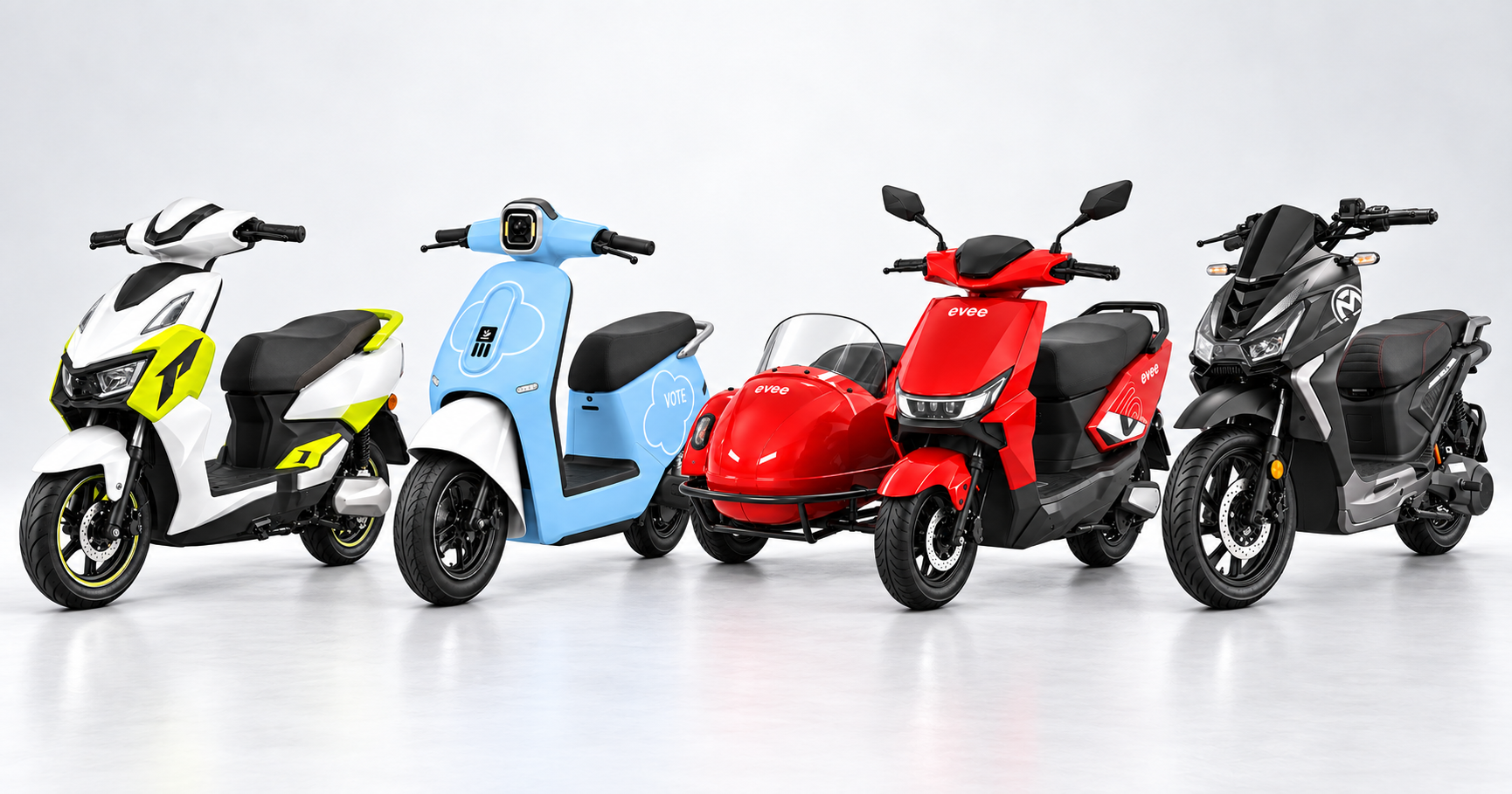
New Electric Scooters at PAPS 2026: Prices, Range & Specs
PAPS 2026 brought 14 new electric scooters from OKLA and EcoDost, with prices from Rs 199,000 to Rs 699,000. This guide lists every model with motor, battery, speed and claimed range, then shows what real riders should expect, what running costs look like and what to check before you book.
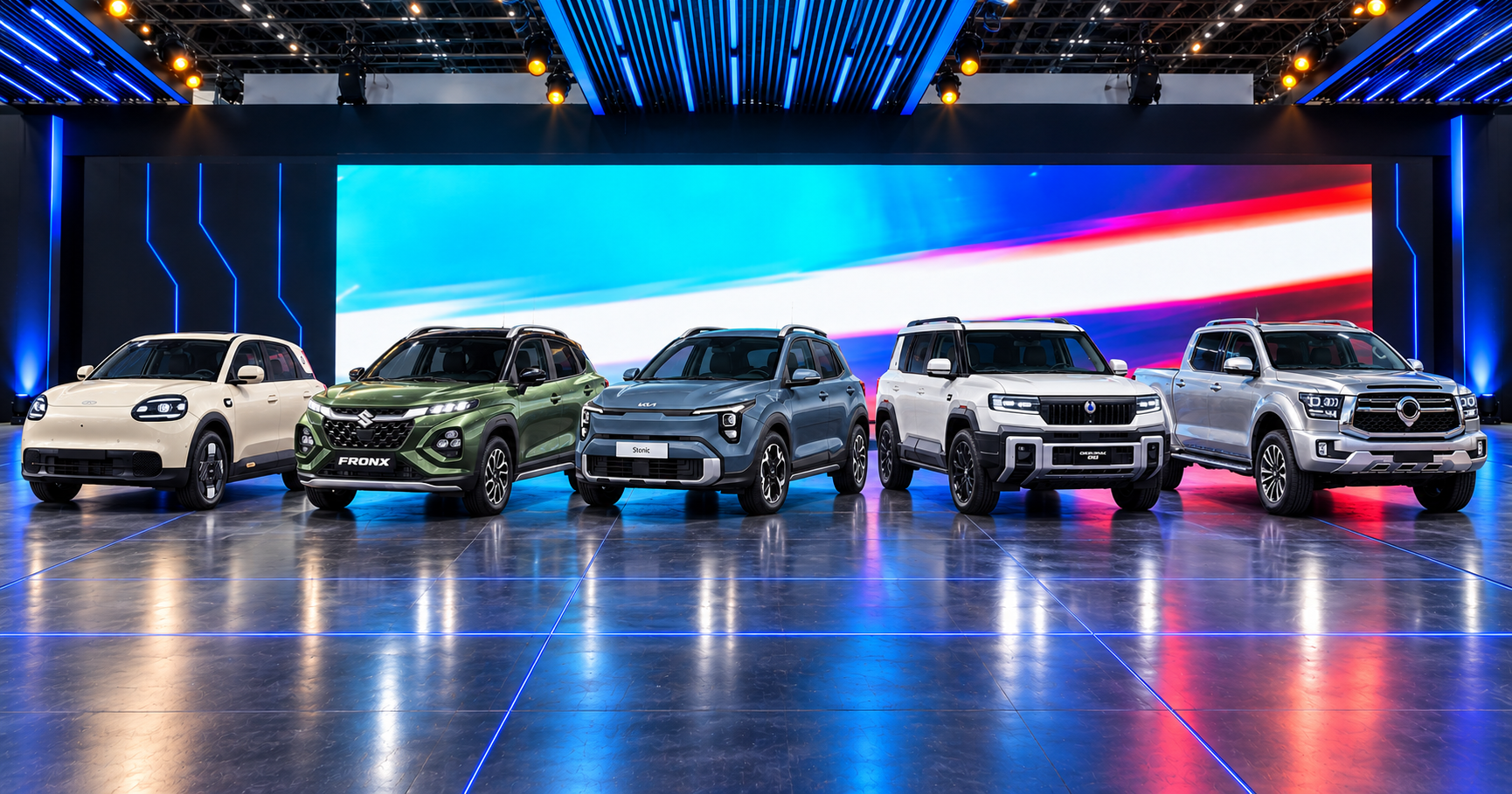
PAPS 2026: New Vehicle Launches & Reveals at Pakistan Auto Show
PAPS 2026 in Lahore brought new car reveals from Chery, Suzuki, Haval, Kia, Hyundai, Jaecoo, BYD and GWM. Here's every model shown, with confirmed prices where available and full specs for the rest.
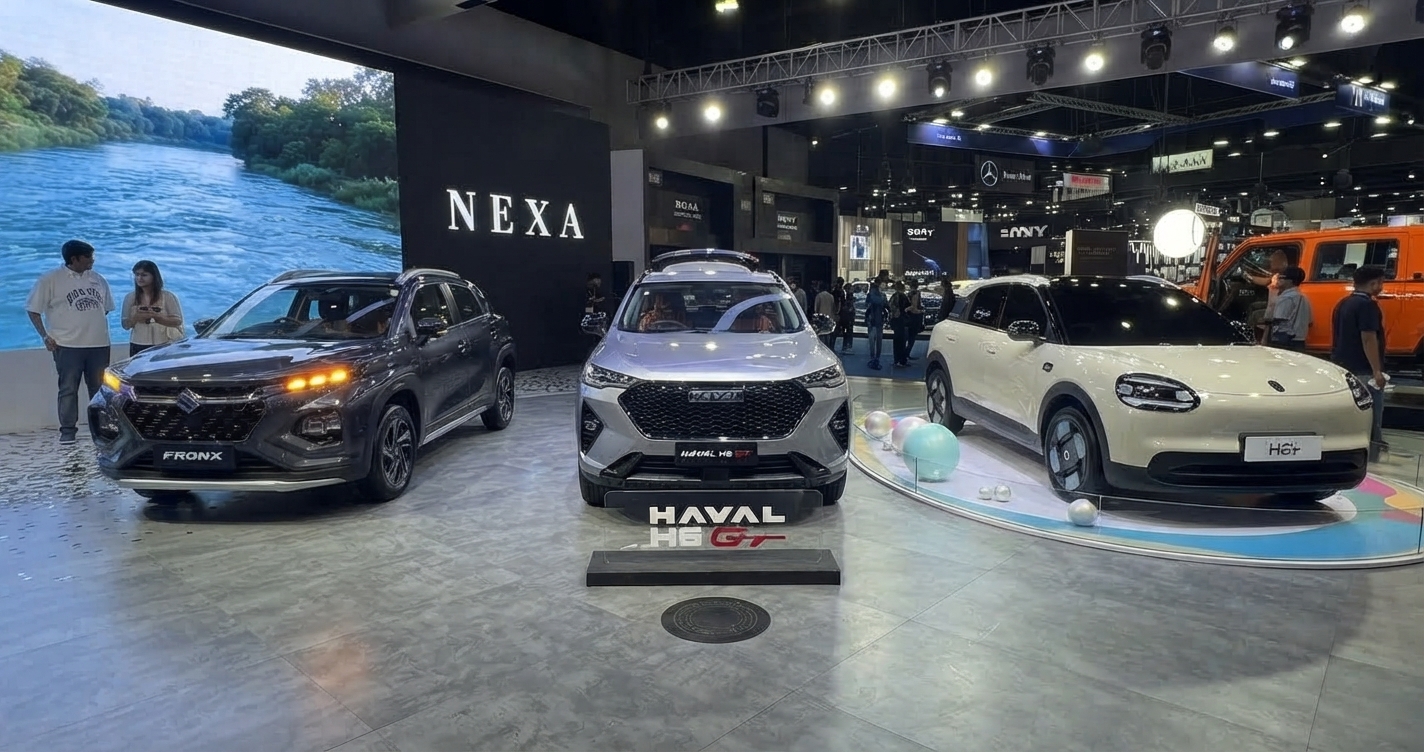
New Mind-Blowing Launches at PAPS 2026 Lahore
PAPS 2026 in Lahore brought fresh electric and hybrid models that change daily driving options. Chery Q arrives as an affordable EV hatchback. Haval adds a sporty PHEV. Suzuki upgrades the Fronx with ADAS. OKLA expands its bike range. BYD and Jaecoo push local assembly forward. These six launches give buyers real choices right now.