Sindh Govt to Prefer EVs for Future Vehicle Purchases
Sindh will prioritize electric vehicles in future government purchases to cut fuel costs and pollution; its existing petrol fleet stays in service.
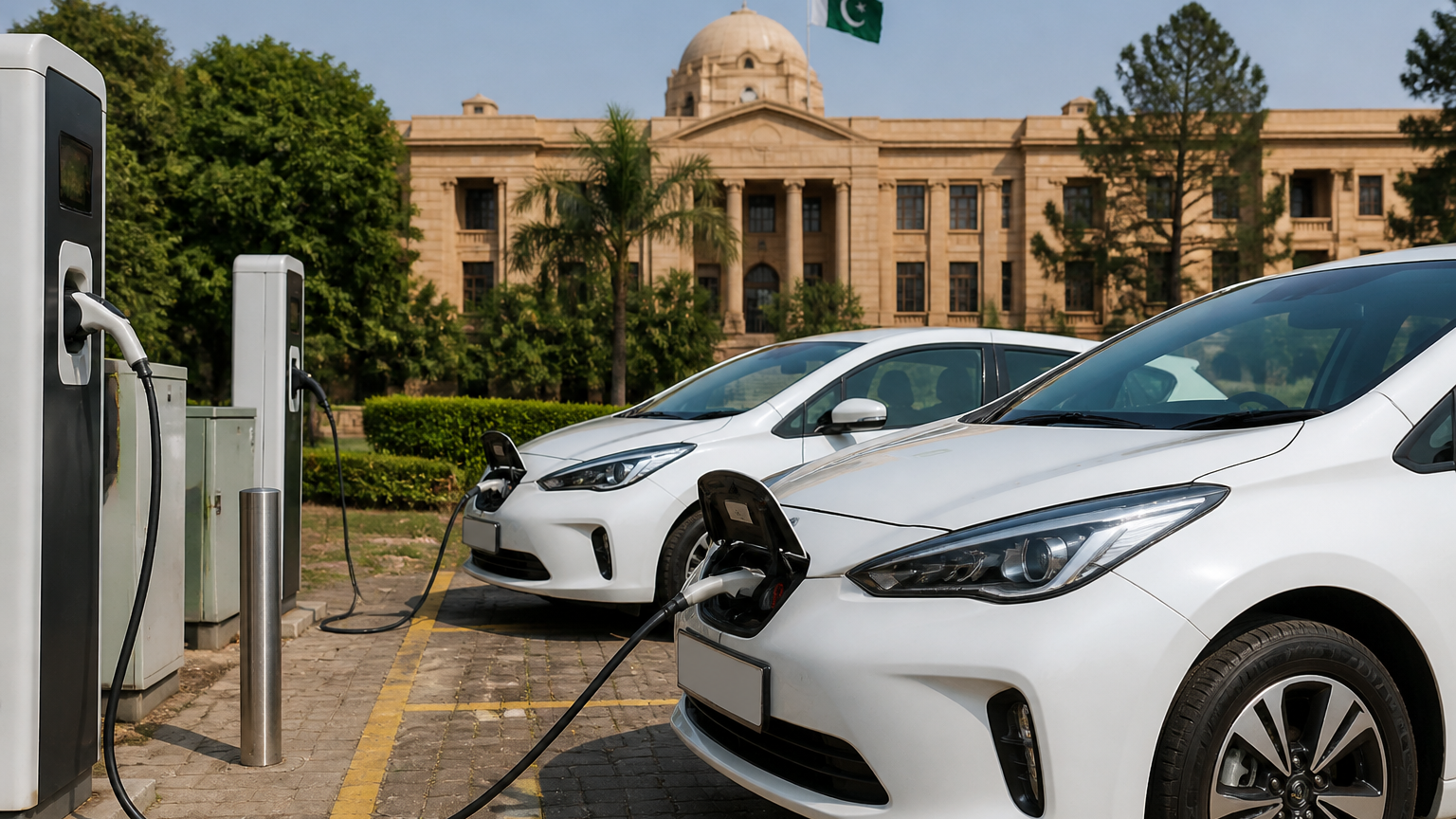
Table of Contents
- What the policy changes
- Austerity is the main driver
- What still needs to happen
- Part of a wider EV push
- Explore DrivePK services
Sindh has decided to give priority to electric vehicles for future government purchases, but the move is not an instant swap of the province’s current petrol and diesel fleet.
The plan was announced after a meeting of the Cabinet Committee on Austerity, where Senior Minister Sharjeel Inam Memon said the government wants to gradually shift official transport toward electric models. The change is meant to cut fuel costs, lower running expenses and reduce pollution from government vehicles.
That matters because the decision affects how new vehicles will be bought for several departments, including the Home Department, the Anti-Corruption Establishment, universities and educational boards. For now, the existing fleet will keep running. Sindh has not announced a deadline for a full switch or said that all official vehicles will be replaced at once.
What the policy changes
The key change is in future procurement. If departments need new vehicles, electric models will get preference over petrol and diesel options. That does not mean every office will immediately receive EVs, and it does not mean the province has already set aside a full replacement budget.
The practical result is a gradual shift. Over time, departments that have suitable routes, shorter city use and access to charging may start moving to EVs first. This is where the policy could have the biggest effect on fuel spending.
For readers, the real question is not only whether EVs are cleaner, but whether they are cheaper over the full life of the vehicle. Savings will depend on purchase price, electricity rates, maintenance, battery warranty coverage and the cost of building charging points. Without those details, the total financial gain is still unclear.
Austerity is the main driver
The provincial committee reviewed government vehicle needs, fuel use and ways to reduce spending. Fuel bills were treated as one of the main areas where the government thinks it can save money.
Sharjeel Memon tied the EV decision to that austerity push, which means the policy is being treated as a budget and operating-cost measure, not just an environment step. Local Government Minister Syed Nasir Hussain Shah also backed electric mobility as a way to reduce emissions inside public institutions.
For a broader look at how EVs are shaping Pakistan’s auto market, see The Future of Electric Vehicles in Pakistan: Prices, Challenges & their Solutions and Electric Vehicles in Pakistan: The Complete Guide 2026.
What still needs to happen
Sindh has not shared the model names, purchase limits, charging rollout plan or implementation schedule for this policy. That means the biggest hurdles are still ahead.
Government fleets need charging points at offices and depots. They also need vehicles that fit the job. City-run cars are easier to electrify than vehicles used for long routes, emergency work or remote areas. Departments will also need staff training, spare parts support and a plan for battery-related costs later on.
So while the policy is important, it is better seen as a direction than a finished fleet overhaul.
Part of a wider EV push
The decision fits into Sindh’s wider interest in electric transport. The province has already proposed buying 500 electric buses for public transport, and tax and registration incentives for non-commercial EVs have been extended until May 2028.
If the government keeps moving in this direction, public demand for charging and service support could rise too. But this latest step does not yet mean lower showroom prices, new consumer subsidies or an immediate change in private-vehicle rules.
For now, Sindh has signaled that future government fleets should go electric where possible. The scale and speed of that shift will depend on the next procurement notices, the charging plan and the money set aside to carry it out.
Explore DrivePK services
Buying or selling a vehicle? Explore DrivePK services, including car inspection, Sell It For Me and Featured Listings, and choose the option that fits your needs.
For more updates, visit DrivePK.com
Tags
Share this article
About the Author
Dr Khan
Automotive Expert & Content Strategist
Comments (0)
Login Required
You need to be logged in to comment on this article.
No comments yet. Be the first to share your thoughts!
Related Articles
سندھ حکومت مستقبل کی گاڑیوں کی خریداری میں الیکٹرک گاڑیوں کو ترجیح دے گی
سندھ آئندہ حکومتی خریداریوں میں ایندھن کے اخراجات اور آلودگی کم کرنے کے لیے الیکٹرک گاڑیوں کو ترجیح دے گا؛ موجودہ پٹرول فلیٹ بدستور سروس میں رہے گا۔
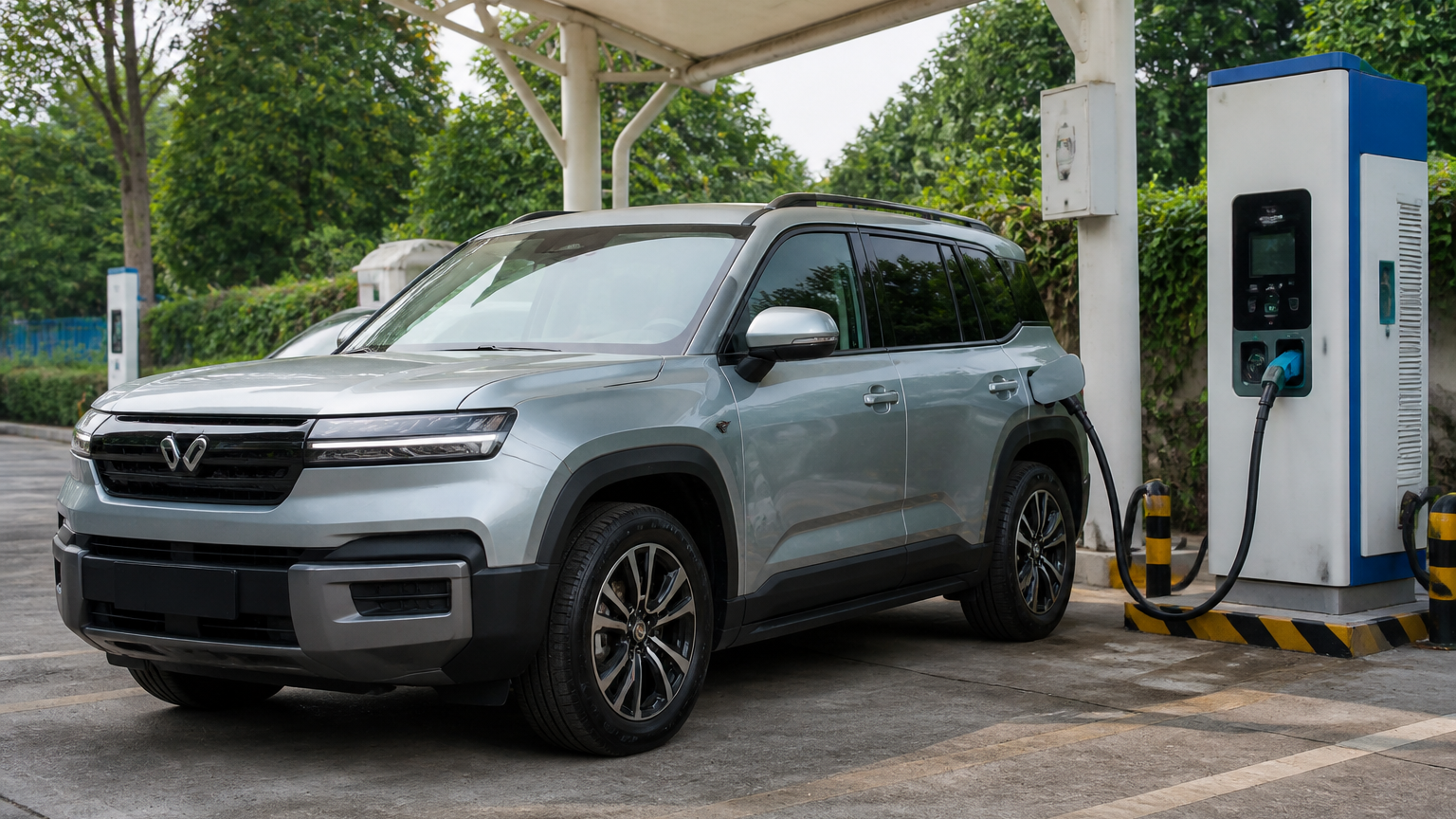
BYD Fang Cheng Bao Ti 9 PHEV کی 9 منٹ میں چارجنگ
BYD کی Fang Cheng Bao Ti 9 کے بارے میں دعویٰ ہے کہ یہ 10% سے 97% تک صرف نو منٹ میں چارج ہو جاتی ہے—لیکن جب تک باضابطہ ثبوت نہ ہو، پاکستانی خریداروں کو محتاط رہنا چاہیے۔