Sindh Launches Electric Taxi Service: What It Means for Daily Commuters
The Sindh government just signed an MoU to roll out an electric taxi service across the province. Led by Senior Minister Sharjeel Inam Memon, the move teams up with Sindh Bank and the Sindh Mass Transit Authority. It builds on Pink Bus and Pink EV scooty schemes to cut pollution, create jobs, and make daily travel easier for everyone.
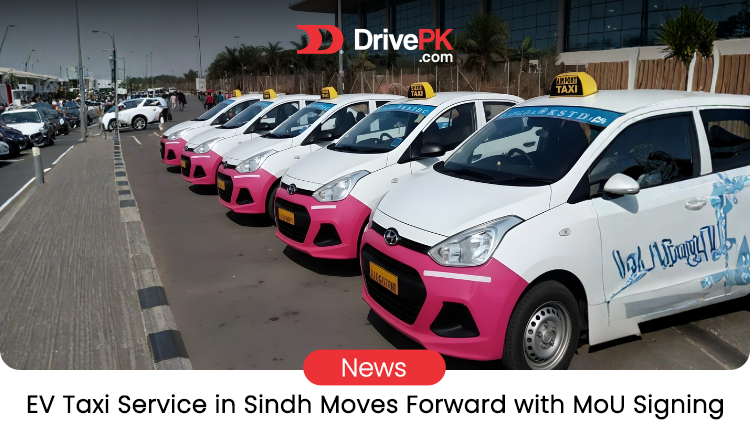
Table of Contents
- How the MoU Came Together and Who Is Involved
- Why Electric Taxis Matter Right Now in Sindh
- Building the EV Ecosystem: From Taxis to Local Manufacturing
- Real Benefits for Youth, Women, and the Environment
- What This Means for Pakistan’s Wider EV Push
- Looking Ahead: Simple Steps Toward Cleaner Streets
The Sindh government has taken a practical step forward. On April 1, 2026, officials signed a Memorandum of Understanding to start an electric taxi service. Senior Minister Sharjeel Inam Memon led the ceremony. The partners include Sindh Bank, the Sindh Development Fund, and the Sindh Mass Transit Authority. This is not just another announcement. It is a clear plan to bring cleaner rides to Karachi and other cities in the province.
People in Sindh deal with heavy traffic and rising fuel costs every day. Electric taxis offer a straightforward fix. They run on battery power instead of petrol or diesel. That means lower running costs for drivers and cleaner air for everyone on the road. The government wants this service to grow step by step, starting in busy urban areas where people need reliable transport the most.
How the MoU Came Together and Who Is Involved
The signing happened at a simple event in Karachi. Sharjeel Inam Memon stood with bank officials and transit authority leaders. They put their names on the paper and shook hands. The message was clear: government, finance, and transport bodies are working together.
Sindh Bank will help with funding. The Sindh Mass Transit Authority brings the experience of running public transport like the Pink Bus. Together they aim to get the first electric taxis on the road soon. The focus stays on making sure the service is safe, affordable, and easy to use for regular passengers.
Why Electric Taxis Matter Right Now in Sindh
Pakistan spends a lot on imported oil. Every litre burned adds to air pollution and the national fuel bill. Electric vehicles cut both problems at once. Studies show that wider EV use could save the country up to $2 billion in oil imports by 2030. In Sindh, where cities grow fast, this change feels urgent.
The new taxi service fits into a bigger picture. The province already runs Pink Bus services for women and has rolled out Pink EV scooty schemes. These programs give priority to female riders and young people who want safer, cheaper ways to move around. Adding electric taxis keeps the same spirit: inclusive transport that works for daily life.
Drivers will benefit too. Electric taxis cost less to run than traditional cabs. No more daily hunts for expensive fuel. Maintenance is simpler because electric motors have fewer moving parts. The government hopes this will create steady jobs for young men and women looking for work in the transport sector.
Building the EV Ecosystem: From Taxis to Local Manufacturing
The MoU is not the only move. Sindh also plans to bring EV manufacturing to the Dhabeji Special Economic Zone. That means factories, jobs, and local supply chains. Instead of importing every vehicle, Pakistan can start making parts and assembling cars right here.
This matters for long-term growth. Right now, most EVs on Pakistani roads come from outside. Local production will bring prices down and create skilled work for engineers, technicians, and factory workers. The government keeps saying it will buy EVs first whenever it needs new vehicles. That kind of steady demand helps manufacturers take the risk and set up shop.
Real Benefits for Youth, Women, and the Environment
Let’s talk about the people this touches. Young graduates often struggle to find good jobs. The EV taxi project opens doors in driving, maintenance, charging stations, and app-based booking systems. Women already see progress through Pink Bus and Pink EV scooty programs. Electric taxis can add another safe option for them to travel at any hour.
On the environment side, the gains are direct. Fewer exhaust fumes mean better air quality in Karachi and Hyderabad. Less noise from engines makes streets more livable. And every kilometre driven on electricity instead of petrol helps Pakistan meet its climate goals without big speeches—just real action on the ground.
What This Means for Pakistan’s Wider EV Push
Sindh is not acting alone. The national EV policy targets 30 percent of new vehicle sales to be electric by 2030. Subsidies for two- and three-wheelers are already in place. Brands like BYD are bringing models into the market, and local assembly is starting to pick up speed.
The Sindh electric taxi service adds momentum. It shows provincial governments can move faster than waiting for federal plans. Other provinces will watch closely. If Karachi’s taxis prove popular and profitable, the model can spread to Lahore, Islamabad, and beyond.
Challenges remain. Charging stations need to grow. Battery costs must come down. But the MoU shows the government is willing to invest now instead of talking later. That practical approach builds confidence among drivers, passengers, and investors.
Looking Ahead: Simple Steps Toward Cleaner Streets
The electric taxi service will not change everything overnight. It starts small and grows with demand. Riders will book through apps, just like they do today, but with zero-emission cars. Drivers get training on the new technology. The province learns what works and fixes what doesn’t.
This project also sends a message to young people: green jobs are real jobs. From fixing batteries to managing fleet operations, new skills will be in demand. Sindh is betting that investing in EVs today creates opportunities tomorrow.
The MoU signing was quiet, but the impact could be big. Cleaner air, more jobs, easier commutes, and a stronger local industry. For anyone tired of traffic jams and fuel price shocks, this feels like a welcome change.
If you live in Sindh or travel there often, keep an eye on the rollout. The first electric taxis could hit the streets sooner than you think. And for the rest of Pakistan, it is proof that practical steps toward sustainable transport are already happening, one MoU, one taxi, and one ride at a time. For more updates, visit DrivePK.com
Tags
Share this article
About the Author

Najeeb Khan
Automotive enthusiast and writer
Comments (0)
Login Required
You need to be logged in to comment on this article.
No comments yet. Be the first to share your thoughts!
Related Articles
Oil Prices Near $100: Impact on Pakistan
Brent nears $100 after a sharp swing linked to China’s fuel-export curbs—but Pakistan’s petrol and diesel prices remain unchanged for now.
Pakistan Motorway Projects: PM Inauguration Soon
PM Shehbaz may inaugurate key road projects soon, including Lodhran-Multan, Peshawar Bypass and M-4 works—but no date or opening is confirmed.
Hayatabad Underpass Opens in Peshawar for Rs1.6bn
Peshawar opens a Rs1.6bn Hayatabad underpass after 90 days—promising faster commutes, but will it truly ease rush-hour traffic?