Sindh's Digital Vehicle Fitness Certificate: Mandatory System and Fines Explained
The Sindh government now requires digital fitness certificates for all vehicles to keep unfit ones off the roads. Last year, over 56,000 heavy vehicles faced Rs. 820 million in fines. This computerized system boosts safety and cuts fraud. Find out how it works and how to apply.
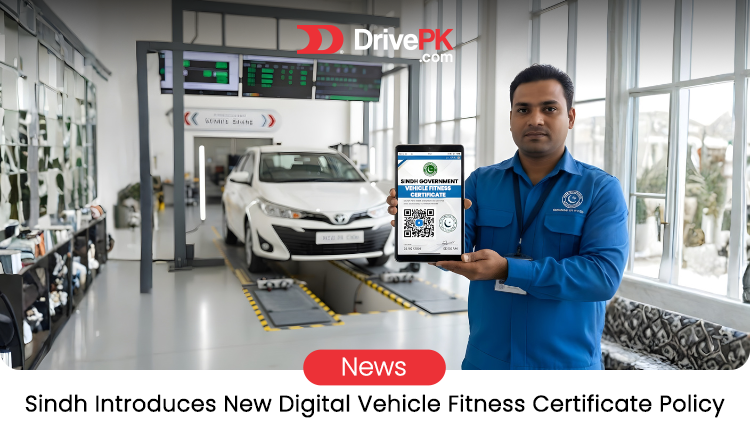
Table of Contents
- Why the New System Matters
- The 2025 Crackdown: What Happened
- How the Digital System Works
- Steps to Get Your Digital Fitness Certificate
- Penalties for Skipping It
- Benefits for Drivers and the Public
- What’s Next?
Roads in Sindh can be tough. Heavy trucks rumble by, and sometimes you wonder if they're safe. The government noticed this too. They rolled out a new digital system for vehicle fitness certificates. It's mandatory now for every vehicle in the province. No more paper slips that get lost or faked. Everything's online and tracked.
This change comes after a busy 2025. Authorities hit over 56,000 heavy vehicles with fines totaling Rs. 820 million. That's a lot of money, and it shows they're serious about safety. Unfit vehicles cause accidents, damage roads, and pollute the air. The new policy aims to fix that.
Why the New System Matters
Think about it. Old certificates were manual. No real records, easy to fake. Vehicles from places like Khyber Pakhtunkhwa or Balochistan could get certified in Sindh without proper checks. That led to problems on the highways.
Now, it's all digital. The system stores info in one central spot. Police can check a vehicle's status right away with a scan or app. No more excuses for driving something that's falling apart.
And it's not just for big rigs. Motorcycles, cars, everything needs one. Certificates from other provinces? They won't cut it here. You have to get Sindh's version.
The 2025 Crackdown: What Happened
Last year was a wake-up call. The transport department issued challans to thousands of vehicles. Here's the breakdown:
- Trucks: 30,917 fined
- Trailers: 13,918
- Water tankers: 6,109
- Dumpers: 2,935
- Oil tankers: 2,138
- Tractors: 183
These numbers add up to 56,200 vehicles. The fines? Rs. 820 million in total. It wasn't random. Inspectors targeted unfit ones – brakes failing, tires worn out, emissions too high.
Senior Minister Sharjeel Memon shared this in the assembly. He runs the transport department. He said the goal is safer roads for everyone. Fewer breakdowns mean fewer crashes.
But why so many fines? Many owners skipped inspections or used fake papers. The digital shift ends that. Now, no vehicle runs without proof it's fit.
How the Digital System Works
It's straightforward. The old way was messy with paperwork. Now, it's computerized from start to finish.
First, the inspection. Vehicles go through tests at approved centers. They check brakes, lights, steering, exhaust – all the basics. For heavy vehicles, it's stricter. They look at load limits and safety gear.
Once passed, you get a digital certificate. It's linked to your registration number. No physical copy needed, though you can print one if you want.
Verification is easy. Officers use tools to pull up details instantly. This speeds up checks and cuts corruption.
The system launched in phases. Back in April 2025, it started for commercial vehicles. Now, it's for all. The transport department's portal handles it.
Steps to Get Your Digital Fitness Certificate
Don't worry, it's not complicated. Here's how to do it:
- Go to the official Sindh transport portal. You'll find it on the government's website.
- Submit your vehicle details. Include registration number, model, and owner info. Upload docs like ID and old certificate if you have one.
- Pay the fee online. It varies by vehicle type – cheaper for bikes, more for trucks.
- Schedule an inspection. Pick a certified center near you. They have spots in major cities like Karachi, Hyderabad, and Sukkur.
- Show up for the check. Bring the vehicle clean and ready.
- Pass the test? Your digital certificate arrives via email or app. It's valid for a year or two, depending on the vehicle.
If you fail, fix the issues and retest. There's a helpline for questions. They even help with digital stuff if you're not tech-savvy.
For new vehicles or transfers, it's similar. The excise department ties in with their online verification tools.
Penalties for Skipping It
Ignore this, and it hurts. Fines start at Rs. 5,000 to 10,000 for no certificate. For heavy vehicles, it's steeper – up to Rs. 25,000 or more if overloaded or carrying goods unsafely.
Repeat offenders? Fines climb to Rs. 200,000 on the second go, Rs. 300,000 on the third. Vehicles can get seized too.
In 2025, we saw the crackdown in action. It's not just talk. The government wants compliance.
But there's a grace period for some. They gave time to transition. Now, it's full enforcement.
Benefits for Drivers and the Public
This isn't all bad news. Safer vehicles mean fewer accidents. Roads last longer without overloaded trucks tearing them up.
For owners, it's peace of mind. A fit vehicle runs better, saves fuel, and avoids breakdowns.
Environment wins too. Cleaner emissions from proper checks.
The government plans more. They're adding buses to public transport and expanding the system to include private cars fully.
It's part of bigger reforms. Online permits, registrations, everything's going digital.
What’s Next?
Sindh is leading here. Other provinces might follow. If you're a driver, check your status now. Visit the portal, get inspected.
Road safety affects us all. This policy pushes everyone to do their part. It's simple: Fit vehicle, safe drive.
Questions? The transport department has resources. Stay updated through official channels. For more updates, visit DrivePK.com
Tags
Share this article
About the Author

Najeeb Khan
Automotive enthusiast and writer
Comments (0)
Login Required
You need to be logged in to comment on this article.
No comments yet. Be the first to share your thoughts!
Related Articles
Ghandhara Automobiles Results: Key Highlights
GAL's latest results are stirring investor interest, but incomplete details demand caution: verify the official PSX filing before trading on headlines.
Multan Green Electric Bus Service Starts With 60 Buses
Multan launches 60 green electric buses, offering free rides to students, women, seniors and people with disabilities as Punjab expands clean transit.
Suzuki Fronx Hybrid Price Revised in Pakistan
Suzuki Fronx Hybrid prices may shift after HEV tax changes in Pakistan. No verified figure yet—confirm the official invoice before booking.