Tinted Glass Permit Policy 2025: Rs 15,000 Fee Plan
The federal government is reviewing a draft Tinted Glass Permit Policy 2025. Private owners may pay Rs 15,000 yearly for legal tinted windows. Serving and former parliamentarians would get free permits. Foreigners are limited to diplomats. Nothing is final yet. Existing rules still apply.
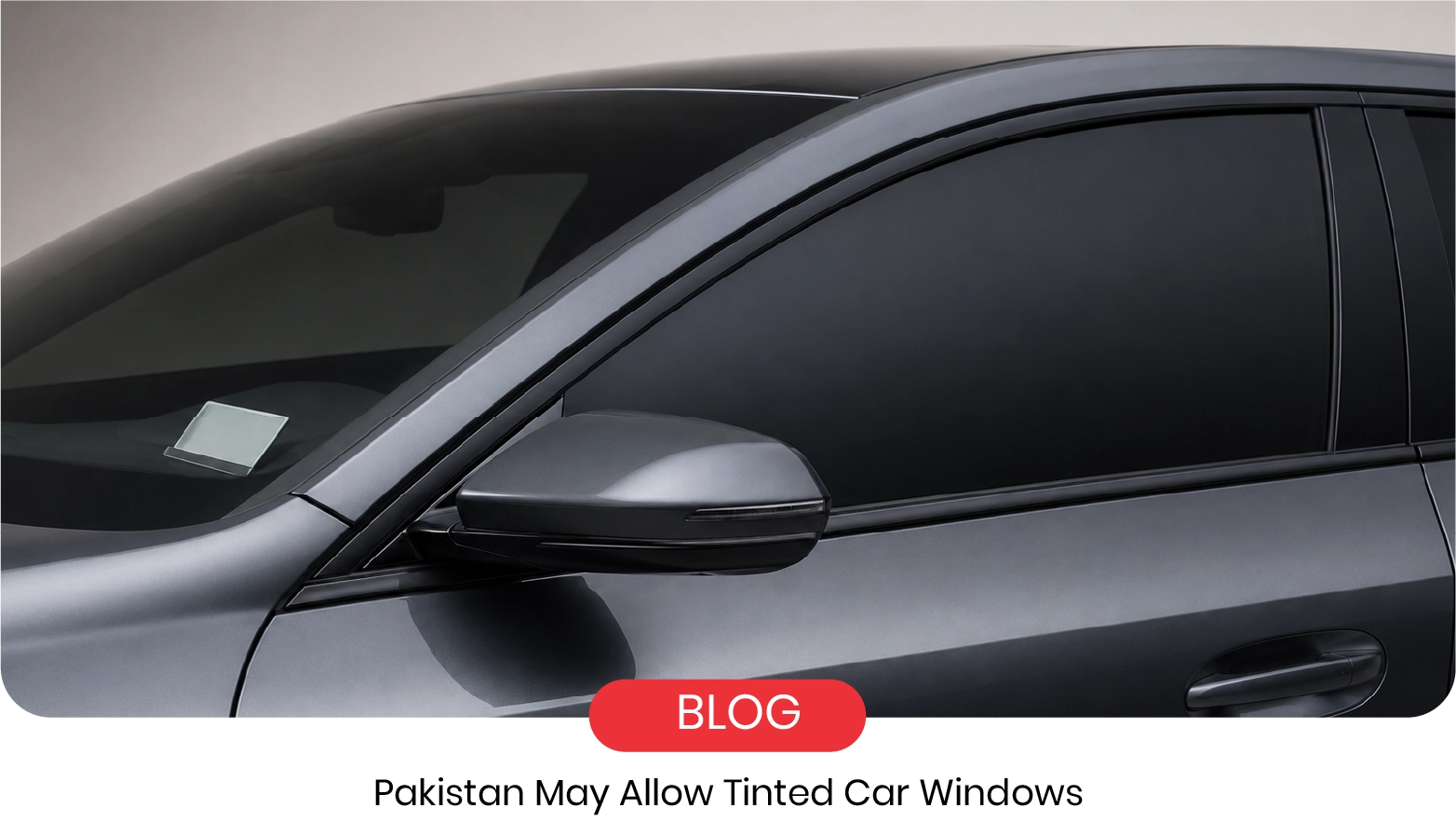
Table of Contents
- What the Draft Actually Says
- Why Tinted Windows Matter in Pakistan
- Current Rules Still Apply
- Who Gains and Who Pays
- What Is Still Unknown
- Why the Timing Matters
- What Drivers Should Do Now
- The Larger Picture
You sit in traffic under the summer sun. The heat builds inside the car. Darker windows would help. They would also give some privacy on busy roads. Right now, putting tint on your car windows can get you stopped, fined, or told to remove it.
That may change. The Interior Ministry has prepared a revised draft of the Tinted Glass Permit Policy 2025. Under the proposal, private vehicle owners could apply for an annual permit that costs Rs 15,000. Serving and former parliamentarians would get the same permit free of charge. Foreign nationals would be limited to accredited diplomats only.
The draft is still under review. It has not been approved or officially notified. Until that happens, the current rules stay in place.
What the Draft Actually Says
The proposal aims to create a clear system instead of the mixed rules that exist today. Ordinary citizens who want tinted windows would pay Rs 15,000 each year. Members of the National Assembly and Senate, both current and former, would receive permits without paying the fee. Only diplomats among foreign nationals could apply.
Key parts are still missing from public reports. The exact application process, the allowed level of tint, the office that will issue the permits, and how police will check them have not been fixed. These details will only become clear if the government gives final approval.
The policy is called “2025” because the original framework started earlier. The latest version includes the free permits for parliamentarians after requests from lawmakers.
Why Tinted Windows Matter in Pakistan
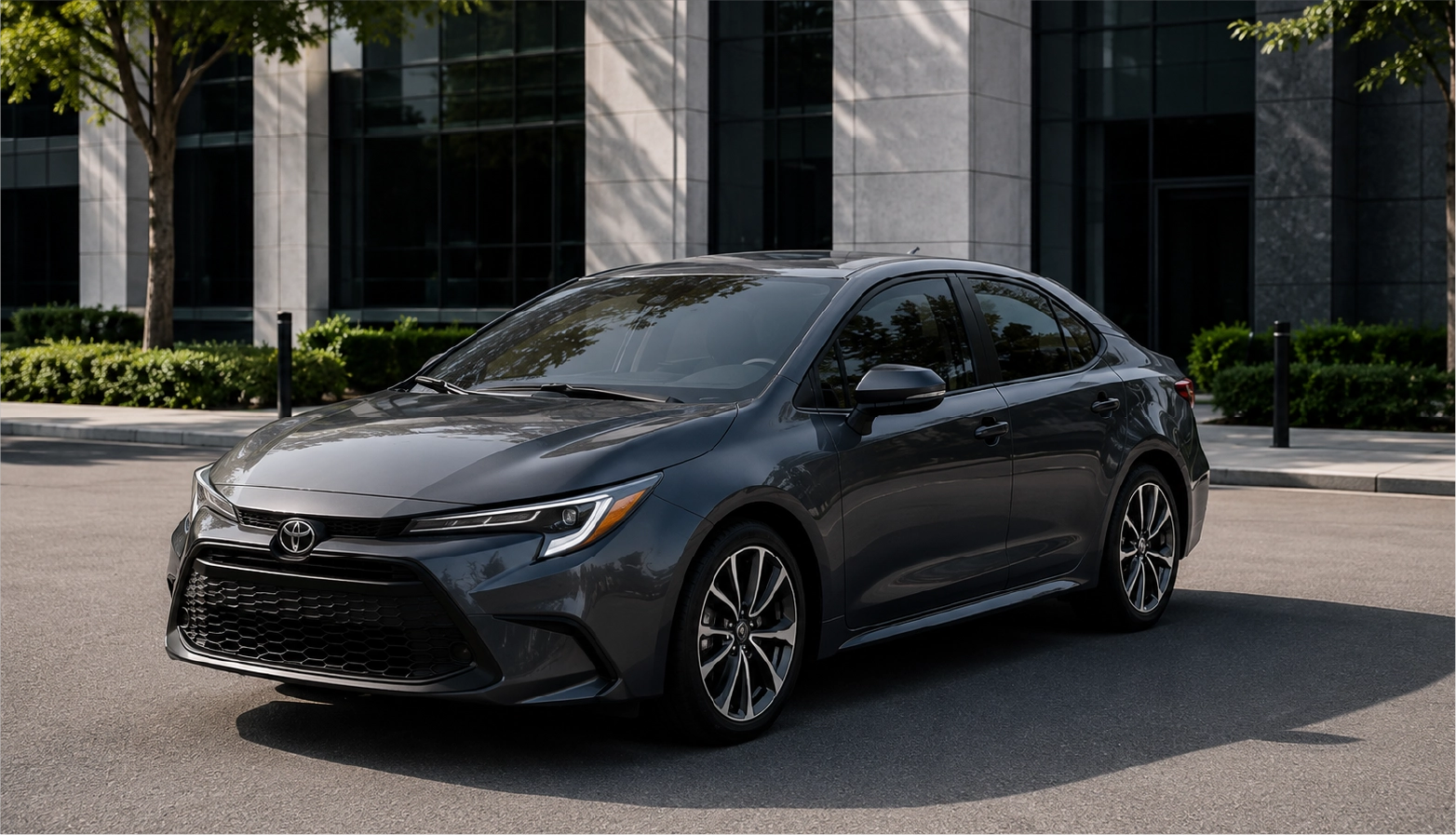
Pakistan’s summers are long and intense. Cabin temperatures rise quickly when a car sits in the sun. Light-coloured or clear glass lets heat and glare in. Darker film reduces both. Many drivers also want privacy, especially women travelling alone or families on long journeys.
At the same time, security agencies have long argued that heavily tinted windows make it harder to see who is inside a vehicle. That concern led to tight controls and, in many places, a near-total ban on dark tint without special permission.
Factory-fitted tint on some imported cars has created extra confusion. Owners often face the same enforcement as those who added film later. A formal permit system is meant to reduce that confusion.
Current Rules Still Apply
Right now, tinted windows are heavily restricted across most of the country. Police in several cities have run campaigns to remove dark film. In Islamabad, officials have said rear windows can have 40 to 50 percent tint, but front side windows must stay clear so the driver remains visible.
Special permits have been available in limited cases, usually for medical reasons or high-security needs. These were not easy to get and were not open to everyone. Digital platforms for permits were restarted in some areas in 2025, but the system remained narrow.
Until the new draft becomes official notification, those existing limits and enforcement practices continue. Drivers who already have dark tint risk fines or orders to remove it.
Who Gains and Who Pays
The biggest change for ordinary owners would be the chance to get legal tint by paying the annual fee. Rs 15,000 is not a small amount for many households. It would sit on top of other vehicle costs such as registration, token tax, and insurance.
Parliamentarians would avoid that cost. The free permit for serving and former members has drawn attention because it creates two different rules for the same product. Supporters say elected representatives often face security risks and should have the option without extra expense. Critics see it as another privilege that ordinary citizens do not share.
Diplomats would keep access under the restricted foreign category. Other foreigners would not qualify under the current draft wording.
What Is Still Unknown
Several practical questions remain open:
- How dark can the tint be?
- Will the same limit apply to front and rear windows?
- Will there be a medical category with lower or no fee?
- Which authority will issue and renew the permits: the Interior Ministry, provincial police, or a new central system?
- How will traffic police verify a valid permit on the road?
These points will decide whether the policy feels workable or creates new problems. A clear list of allowed Visible Light Transmission (VLT) percentages would help both drivers and enforcers.
Why the Timing Matters
The draft comes after years of uneven enforcement. Some cities cracked down hard. Others looked the other way. Imported vehicles with factory tint kept arriving. Drivers kept asking for a simple legal path.
The Senate Standing Committee on Interior has discussed replacing blanket bans with a regulated system. The latest revision reflects those talks and the specific request for free permits for parliamentarians.
Revenue is another factor. An annual fee of Rs 15,000 from thousands of vehicles could bring in noticeable income. That money would come only if people actually apply and the system works smoothly.
What Drivers Should Do Now
Do not install dark tint yet in the hope that the policy will pass soon. The draft can still change or be delayed. Existing rules remain enforceable. Removing film later costs time and money.
If you already have tint for medical reasons, keep any old permission documents ready. If the new system opens, the application process will likely require vehicle papers, CNIC, and possibly a reason for the request.
Watch for the official notification from the Ministry of Interior. Only that document will set the final fee, eligibility list, tint limits, and start date.
The Larger Picture
Tinted windows sit at the meeting point of comfort, privacy, security, and revenue. The proposed policy tries to balance all four. Private owners would pay for the right. Parliamentarians would not. Diplomats would keep limited access. Everyone else would stay under the old restrictions until the rules change.
The draft is not law. It is a proposal still moving through consultation. For now, the sun still comes through clear glass, and traffic police still check for dark film. The Rs 15,000 permit remains an idea on paper one that could open a legal door for many drivers if the government decides to open it.For more updates, visit DrivePK.com
Tags
Share this article
About the Author

Najeeb Khan
Automotive enthusiast and writer
Comments (0)
Login Required
You need to be logged in to comment on this article.
No comments yet. Be the first to share your thoughts!
Related Articles
Switching to an Automatic Car in Pakistan: What to Know
Switching to an automatic in Pakistan? Weigh traffic comfort against purchase price, servicing, gearbox support, and surprise repair costs.
شانگس کے قریب لینڈ سلائیڈ کے بعد سکردو روڈ بند
شانگس کے قریب بالتستان روڈ پر لینڈ سلائیڈ کے باعث سفر معطل ہوگیا ہے۔ مسافر اس مقام کو عبور نہ کریں؛ عملہ ملبہ ہٹا رہا ہے، تاہم دوبارہ کھلنے کا وقت تاحال معلوم نہیں۔
Skardu Road Closed After Landslide Near Shangus
Landslide blocks Baltistan Road near Shangus, stranding travelers. Avoid crossing; crews are clearing debris, but reopening time remains unknown.