Toyota Home EV Charging Platform: Simplifying Installation for 2026 Models
Toyota's new digital platform with Treehouse streamlines home EV charger installation for 2026 models. It handles selection, scheduling, and tracking, addressing adoption barriers. With standard dual-voltage chargers, it's a step toward easier, sustainable driving, even in emerging markets like Pakistan.
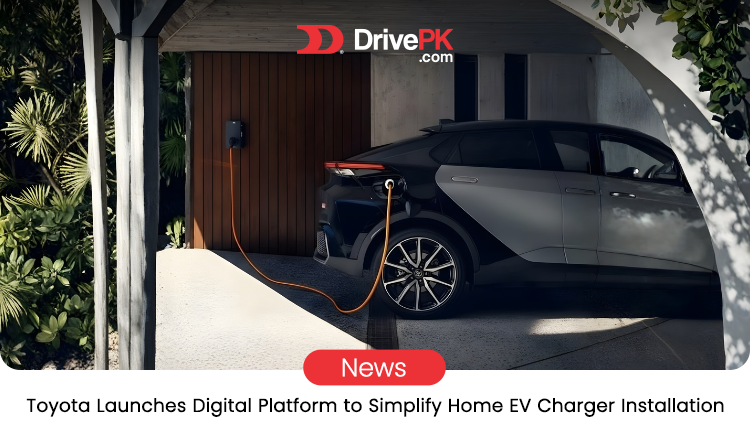
Table of Contents
- The Hurdle of EV Adoption
- Toyota's Partnership with Treehouse
- How the Platform Works
- Benefits for EV Owners
- Rollout and Global Potential
- Relevance to Pakistan's EV Landscape
- Trends Shaping EV Home Charging
- Toyota's Shift to Mobility Services
- Conclusion
Electric vehicles promise a cleaner drive, but setting up charging at home often feels like a hassle. Toyota aims to change that. The company rolled out a fresh initiative to make the process straightforward for owners of its plug-in hybrids and battery electrics.
The Hurdle of EV Adoption
Many people hesitate to switch to EVs because of charging worries. Public stations can be scarce or unreliable, especially in places like Pakistan, where infrastructure lags. Home charging solves a lot of that, but installing equipment brings its own headaches. You need to pick the right charger, find a trusted electrician, and ensure everything meets safety rules. Costs add up, and so do the questions about compatibility with your car or home wiring.
Recent stats show that over 80% of EV owners charge at home most of the time. It makes sense, it's convenient, and cheaper than public options. But without a smooth setup, that convenience stays out of reach. Toyota spotted this gap and stepped in with a solution that ties into broader EV home charging trends, like faster Level 2 setups and smart tech integration.
Toyota's Partnership with Treehouse
Toyota teamed up with Treehouse, a company that specializes in EV charger installations. This move creates a one-stop digital platform for customers. From picking gear to getting it installed, everything happens in one place.
The platform launched in early 2026, focusing on the US markets first. But the idea could spread, offering a blueprint for regions building out EV support. Treehouse uses software to guide users through choices, matching chargers to Toyota's vehicles like the bZ4X or upcoming models.
All 2026 and newer Toyota and Lexus BEVs and PHEVs now come with a dual-voltage home charger as standard. This unit handles both Level 1 (120V) for basic top-ups and Level 2 (240V) for quicker charges. It's a smart inclusion that cuts down on extra buys right from the start.
How the Platform Works
The process starts simply. Log in to the Toyota app or website, and the system assesses your needs. It asks about your home setup, things like garage space or electrical capacity. Then it suggests compatible chargers.
Options include the included dual-voltage cable or an upgrade to something like the ChargePoint Home Flex. This hardwired Level 2 charger can cut recharge times by up to 30%, depending on your vehicle. Prices start around $524 for the upgraded unit, plus installation.
Once you choose, the platform connects you with certified electricians. Scheduling happens online, and you track progress via your phone. Get real-time updates, cost estimates, and even troubleshooting tips. It ensures chargers meet local codes and work seamlessly with Toyota's plug-in hybrids or full electrics.
For newer models, there's NACS integration too, making it easier to use various stations. But the focus here is home, where most charging occurs.
Benefits for EV Owners
This setup tackles common pain points head-on. No more hunting for installers or worrying about compatibility. Safety standards are baked in, reducing risks from faulty wiring.
Speed is another win. Level 2 charging can fill a battery from 10% to full overnight, at up to 7.7 kW. Compare that to Level 1, which might take days for the same job. For daily drivers, this means less downtime and more road time.
Costs stay transparent. The platform provides upfront quotes, helping you budget. In the long run, home charging saves money. Electricity rates beat gas prices, especially with off-peak plans.
It's user-friendly too. Manage everything from your smartphone, fitting into busy lives. And for families with multiple EVs, options like dual chargers make sense, aligning with trends toward shared home setups.
Rollout and Global Potential
The program kicked off in major Western markets, like the US and parts of Europe. Toyota plans to expand, drawing from lessons in places with high EV uptake.
In the US, every 2026 Toyota EV or PHEV includes the charger, with Treehouse handling installs in as little as 48 hours. Warranties add peace of mind for two years on installation, three on hardware.
Looking broadly, this could influence emerging areas. Pakistan faces EV hurdles like limited stations and power issues. Toyota's approach might inspire local adaptations, perhaps partnering with utilities for reliable home setups.
Government incentives play a role, too. In many spots, rebates cover part of the charger costs, making the switch easier. Toyota's platform could integrate these, streamlining claims.
Relevance to Pakistan's EV Landscape
Pakistan's EV scene is growing, but slowly. Limited infrastructure keeps adoption low, despite interest in sustainable mobility. Home charging could jumpstart things, especially in cities like Rawalpindi, where traffic and pollution push for greener options.
Toyota already sells hybrids here, and electrics might follow. A unified platform would help navigate local regs and electrician shortages. Imagine getting a charger installed without the usual runaround: select, schedule, done.
Challenges remain, like grid stability. But smart chargers that shift loads to off-peak times could help, tying into global EV charging trends. Pakistan's solar push might pair well, letting owners charge from renewables.
If Toyota brings this to South Asia, it could model how to boost EV uptake in developing regions. Lower barriers mean more drivers go electric, cutting emissions and oil imports.
Trends Shaping EV Home Charging
This initiative fits bigger shifts. Ultra-fast chargers are rising, but home remains key for daily use. Smart tech lets chargers talk to grids, optimizing energy and costs.
Vehicle-to-grid tech is emerging, where EVs feed power back during peaks. Toyota's platform could evolve to include this, turning cars into energy assets.
Sustainability drives it all. As batteries improve, charging gets more efficient. Trends point to more integrated systems, blending home, work, and public options.
Toyota's Shift to Mobility Services
This isn't just about chargers; it's part of Toyota's broader pivot. From cars to mobility, they're building services around ownership. Apps for maintenance, charging, and more create ecosystems.
Partnerships like those with WeaveGrid show investment in grid integration. It's about making EVs practical, not just vehicles.
For owners, this means less stress, more enjoyment. Drive knowing home base is sorted.
Conclusion
Toyota's platform could set a standard, easing the path to electric driving. As EVs grow in popularity, solutions like this remove excuses. Whether in the US or Pakistan, simplified home charging pushes sustainable mobility forward.
It shows how carmakers adapt, focusing on user needs. If it catches on, expect more seamless experiences across the industry.
And that's the real win, making EVs accessible for everyone. For more updates, visit DrivePK.com
Tags
Share this article
About the Author

Najeeb Khan
Automotive enthusiast and writer
Comments (0)
Login Required
You need to be logged in to comment on this article.
No comments yet. Be the first to share your thoughts!
Related Articles
MG ZS HYBRID+ Revealed With 465 Nm Torque
MG Pakistan lists the new ZS Vibe and Hybrid+ models, but headline torque, acceleration and 3-speed transmission claims remain unverified.
New Kia Stonic Price Starts at Rs 54.99 Lakh
Kia Stonic bookings reportedly open in Pakistan: Turbo X at Rs5.499m, Turbo S at Rs5.899m. Verify taxes, fees and on-road costs.
New BMW 3 Series: Petrol and EV Power
BMW’s new G50 3 Series brings petrol mild-hybrid and electric i3 choices, bold Neue Klasse styling, and 2027 deliveries. Pakistan timing is unknown.