Toyota Indus REEV Tax Issue: FBR Urged to Review
Toyota Indus urges Pakistan to rethink REEV taxes, arguing hybrids with combustion engines shouldn't get the same 1% sales tax as fully electric cars.
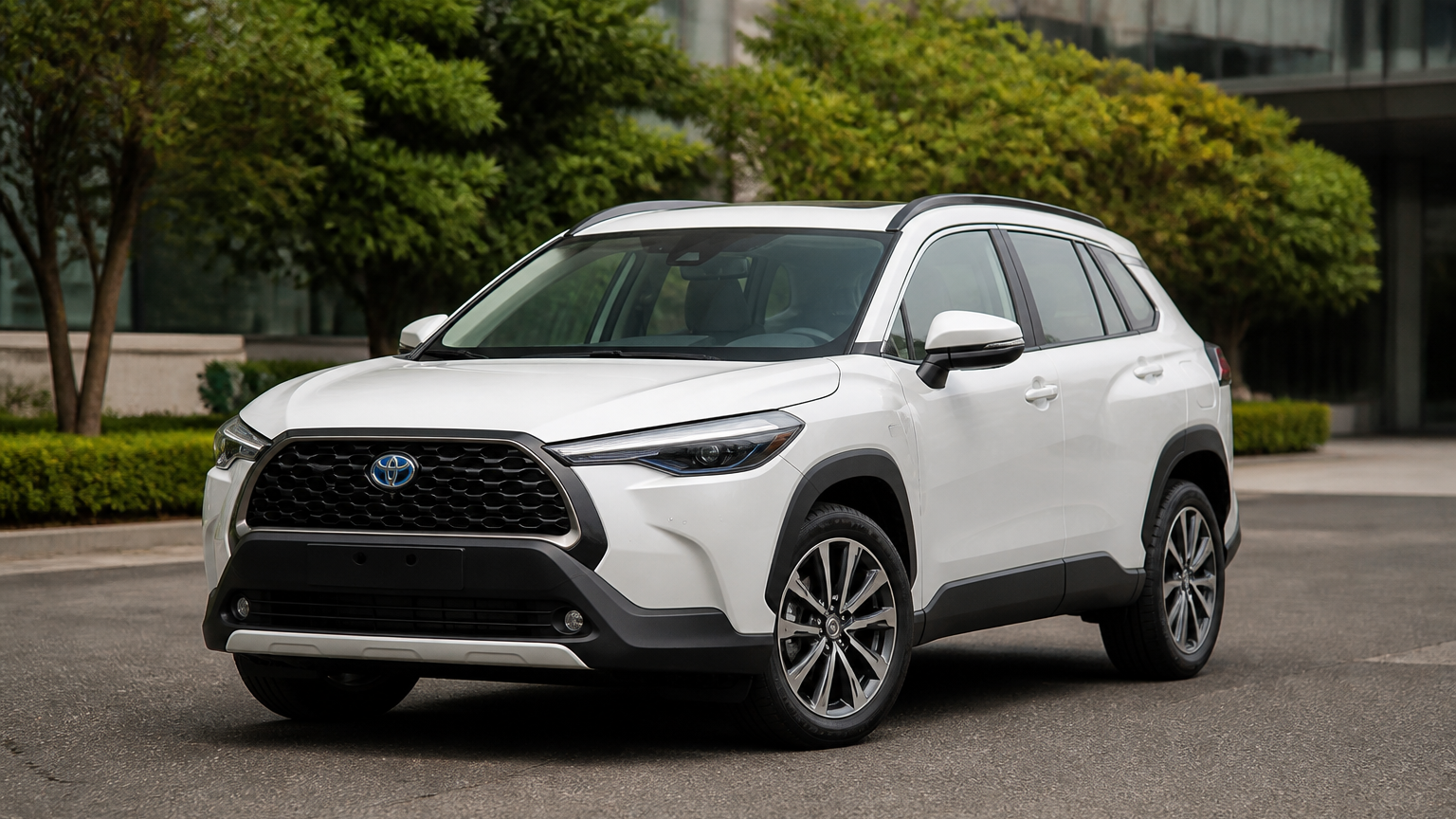
Table of Contents
- Why REEVs are being compared with PHEVs
- What Toyota Indus says this means for the market
- What buyers should watch next
- Explore DrivePK services
Toyota Indus Motor Company has asked the Federal Board of Revenue to look again at how range-extended electric vehicles, or REEVs, are taxed in Pakistan. The issue was raised at Indus Motor Company’s 37th Annual General Meeting and was reported in a source note from
At the center of the dispute is the current sales tax rate. According to sources, REEVs are getting the same 1% sales tax used for fully electric vehicles, while the standard sales tax rate is 18%. PHEVs are also being taxed at 18%.
Toyota Indus’s point is simple: REEVs are not the same as battery-only EVs. They still have an internal-combustion engine, and that engine can produce emissions. That is why the company says the present tax rule does not give all technologies the same treatment.
Why REEVs are being compared with PHEVs
According to sources, REEVs and PHEVs share some basic hardware. Both use an engine, fuel, and electric drive parts. But they do not work in exactly the same way.
A REEV is mainly driven by its electric motor, while the engine acts more like a generator to charge the battery. A PHEV can use both its engine and electric motor to move the car. That difference matters because Pakistan’s current definition reportedly treats any vehicle driven by an electric motor as an EV, which can pull REEVs into the lower tax bracket.
The concern, from Toyota Indus’s side, is that this creates a gap between REEVs and other electrified vehicles. If a REEV pays 1% while a PHEV pays 18%, the tax load is very different even though both use a mix of electric and fuel-based technology.
For readers, this matters because tax treatment can shape future car prices and which models companies choose to bring here. If the rule stays the same, REEVs may keep a price edge over PHEVs. If FBR changes the classification, that edge could shrink.
What Toyota Indus says this means for the market
According to a source report, IMC believes clearer rules are needed so automakers can compete on a more even basis in Pakistan. The company reportedly said Toyota has access to major global technologies, including EVs and PHEVs, but its Pakistan product plan will depend on the final auto policy.
That is important for buyers, but it does not mean a new Toyota model is confirmed for Pakistan. No specific launch was announced, and no timeline was given.
The bigger policy question is whether EV status should depend on zero tailpipe emissions, or whether a vehicle with an engine can still qualify for the same incentive if it is powered mainly by an electric motor. Another question is how REEVs should be separated from PHEVs in tax rules.
For background on Toyota’s local pricing and policy-related moves, readers can also see Toyota Cars in Pakistan Set to Cost More: Indus Motor Raises Freight Charges from April 17, 2026 and Toyota Pakistan Flags REEV GST Relief Misuse.
What buyers should watch next
For now, the main takeaway is uncertainty, not a confirmed price change. Buyers should watch for:
- any formal FBR clarification or notification
- the final auto policy and how it defines EVs, REEVs, HEVs, and PHEVs
- Toyota Indus announcements on product plans
- official tax-inclusive prices before booking any electrified vehicle
Until FBR gives a clear decision, buyers should not assume that REEV tax rates will stay the same — or that they will change. If you are planning to buy a future REEV, it may be wise to wait for policy clarity before making a final choice.
Explore DrivePK services
Buying or selling a vehicle? Explore DrivePK services, including car inspection, Sell It For Me and Featured Listings, and choose the option that fits your needs.
For more updates, visit DrivePK.com
Tags
Share this article
About the Author

Dr Khan
Automotive Expert & Content Strategist
Comments (0)
Login Required
You need to be logged in to comment on this article.
No comments yet. Be the first to share your thoughts!
Related Articles
EMOTO OTOX DIMEN and OTO3 NEXO EVs Revealed
EMOTO enters Pakistan’s EV race with two distinct rides: the sporty OTOX DIMEN and city-ready OTO3 NEXO. Which fits you—and what will they cost?
REEV Cars in Pakistan 2026: Launched and Upcoming
Pakistan’s REEV market is expanding. Compare the Forthing Friday, Deepal S05 and newer models to see if range-extending tech fits local roads.