Tyre Inflator vs Air Compressor: Which Does Your Car Need?
A flat tyre can derail your trip. Discover whether a tyre inflator or air compressor fits your needs—from quick top-ups to heavy-duty use.
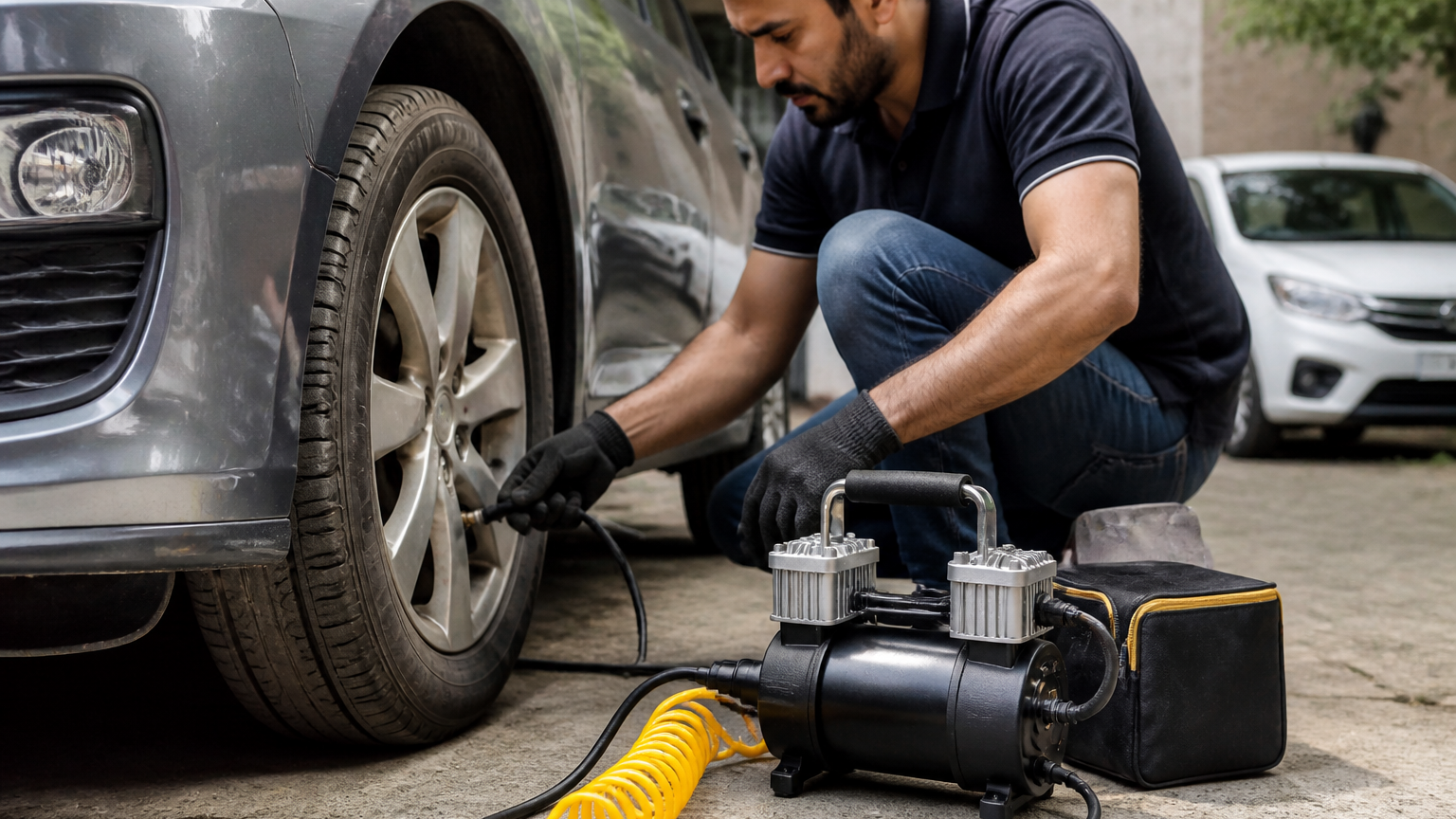
Table of Contents
- Why the names can be confusing
- PSI is not the full story
- What suits small cars and larger SUVs
- Power source matters too
- What to check before buying
- Safety comes first
- Explore DrivePK services
A low tyre can spoil a family outing before it even starts. In that moment, a small car air pump can save a trip to the tyre shop. But buyers often face one question: should they get a tyre inflator or an air compressor?
The short answer is that a tyre inflator is usually a compact air compressor made for tyre work, while “air compressor” is a broader term. Some products are built for quick top-ups and emergency use. Others are made for larger tyres, repeated use, and longer running time. For background, read our earlier coverage: Tyre Tax in Pakistan Budget 2025-26: Higher Grocery Prices.
Why the names can be confusing
Many sellers use both terms for similar products, which adds to the confusion. That is why looking only at the product name can be misleading. A small unit can be called a compressor, while a tyre inflator may still be strong enough for normal car use.
For most passenger cars, a compact inflator is enough for routine pressure checks and small top-ups. Heavy-duty units make more sense if you need to inflate several tyres in one go or if your vehicle has larger tyres.
PSI is not the full story
A lot of shoppers only look at PSI, but that number does not tell you how fast a pump will fill a tyre. PSI only shows the maximum pressure the unit can produce.
The three things that matter most are:
- PSI: maximum pressure
- L/min: how much air the pump moves
- Duty cycle: how long it can run before it needs a break
- pressure gauge accuracy
Two pumps can both list 150 PSI and still work very differently. One example is a Dera double-cylinder unit listed at 80 L/min, while a SOGO dual-cylinder model is listed at 60 L/min. But without the same test conditions, there is no fair way to say one will always inflate faster than the other.
That is why airflow and operating time matter more than a big PSI figure on the box.
What suits small cars and larger SUVs
For cars like the Suzuki Alto, Suzuki Cultus and Honda City, a compact inflator is generally enough for day-to-day tyre care.
For a Toyota Corolla, a portable or 12V inflator can also handle normal maintenance.
For a Toyota Fortuner or other larger SUVs, it is better to look for higher airflow and a longer duty cycle, especially if you often travel long distances or drive on rough roads.
Tyre size, model year and any aftermarket changes can affect what you need, so always check your own car’s tyres before buying.
Power source matters too
Some inflators run from a rechargeable battery. These are easy to carry and do not leave cables across the car.
Others plug into the 12V socket. These are convenient, but they must match the vehicle’s socket limit.
Some heavier compressors connect directly to the battery. One example is the SOGO dual-cylinder compressor, which draws up to 23A and may need a battery-terminal connection instead of a normal socket.
If you want a broader guide on vehicle electrical limits, see our background explainers on 12V vs 24V Jump Starters: Which Fits Your Vehicle?.
What to check before buying
Before choosing a pump, look at:
- automatic shut-off
- hose and cable length
- valve compatibility
- airflow at the pressure you actually need
- duty cycle and cooling breaks
- warranty
- user reviews
Do not buy on PSI alone. Star ratings alone are not enough either.
Safety comes first
Always inflate tyres when they are cold and follow the pressure listed by the car maker, not the pump’s maximum PSI. Stop for cooling breaks if the unit needs them. Do not use an inflator to fix a puncture or sidewall damage.
A portable inflator is the practical choice for most everyday drivers. A heavier compressor is better for bigger tyres, repeated use or tougher conditions. Choose based on how you drive, not just on the biggest number printed on the pack.
Explore DrivePK services
Considering a used car? Explore DrivePK Car Inspection to assess its condition before deciding. Review service coverage and booking details first.
For more updates, visit DrivePK.com
Tags
Share this article
About the Author

Dr Khan
Automotive Expert & Content Strategist
Comments (0)
Login Required
You need to be logged in to comment on this article.
No comments yet. Be the first to share your thoughts!
Related Articles
سندھ نے نمبر پلیٹس کے لیے 1.5 ارب روپے کی منظوری دے دی
سندھ نے نئی سیکیور گاڑیوں کی پلیٹس کے لیے 1.5 ارب روپے منظور کر لیے، جس سے تاخیر میں کمی آسکتی ہے—تاہم موٹرسائیکل سواروں اور ڈرائیورز کو فوری اجرا کی توقع نہیں رکھنی چاہیے۔
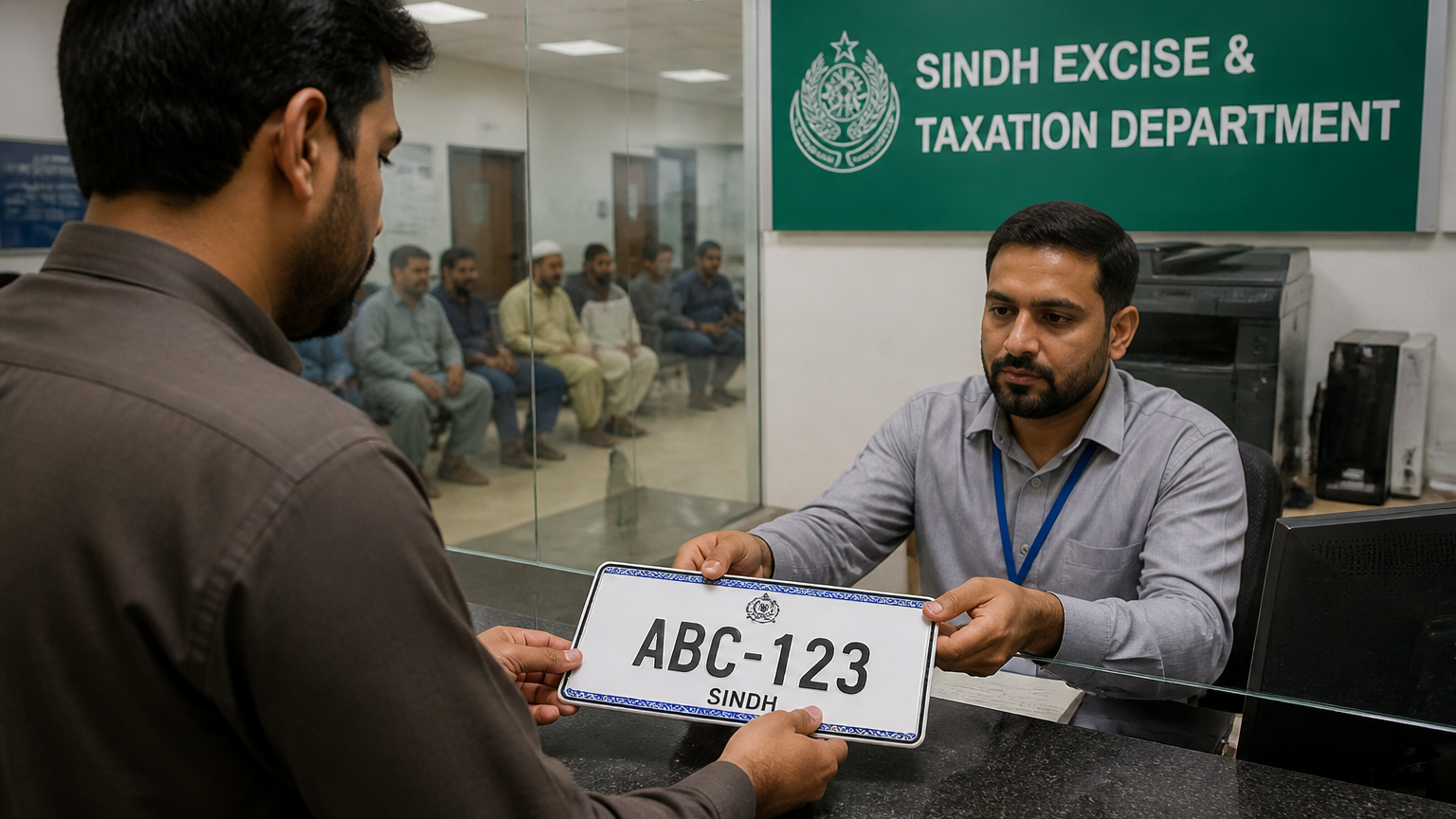
Sindh Approves Rs 1.5 Billion for Number Plates
Sindh approves Rs1.5bn for new secure vehicle plates, potentially easing delays—but motorists shouldn’t expect immediate issuance.
پاکستان میں 1,000cc کاروں کے لیے فیول سبسڈی زیرِ غور
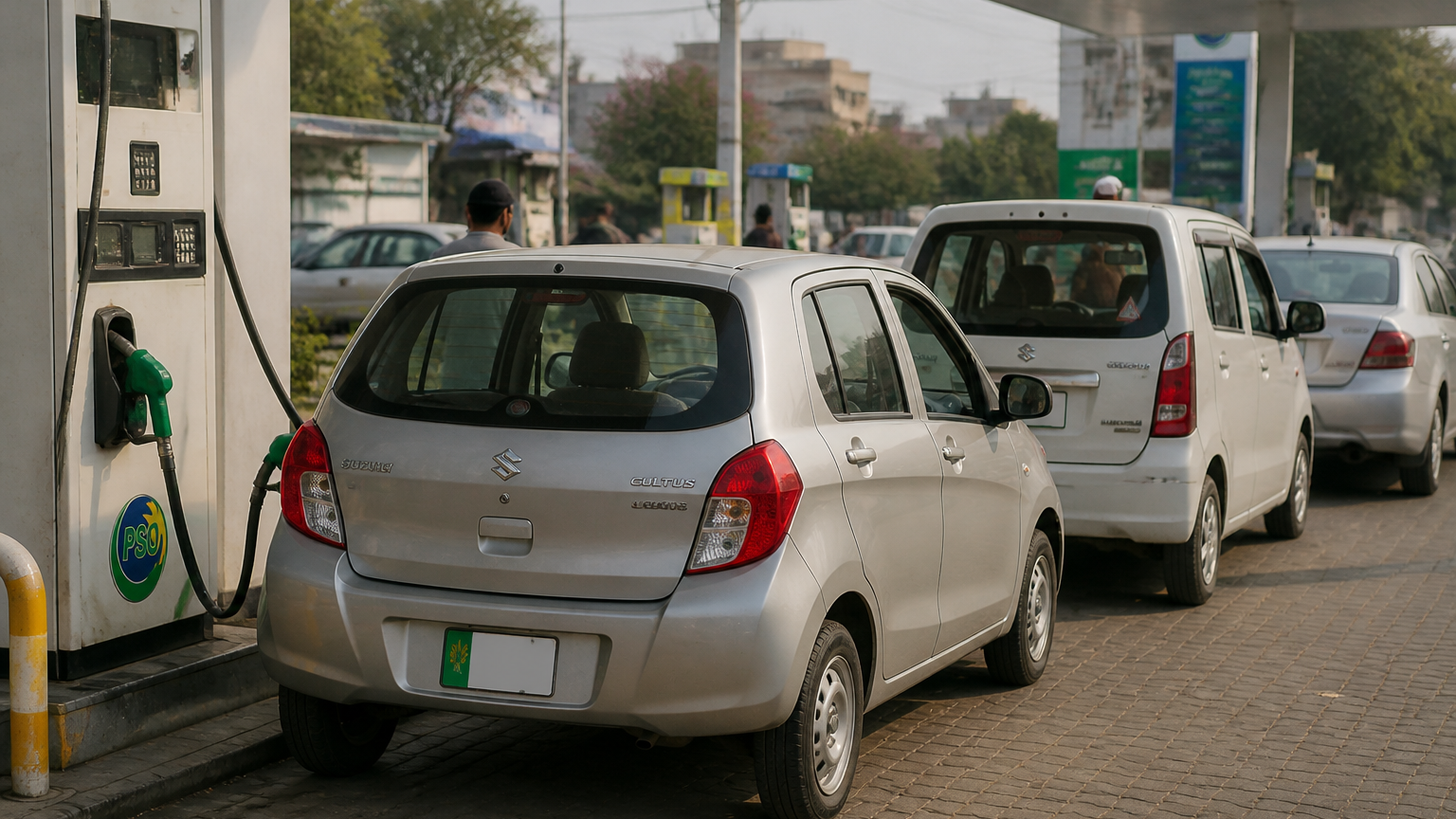
ایندھن میں ریلیف 1,000cc تک کی کاروں تک بڑھ سکتا ہے، تاہم یہ تجویز ابھی حتمی نہیں۔ موجودہ امداد موٹرسائیکلوں، رکشوں اور 800cc تک کی کاروں کے لیے ہے۔