0% FED on Imported EVs: What It Means for Buyers
Pakistan's new 0% Federal Excise Duty on imported EVs under Rs. 20 million aims to boost eco-friendly vehicle adoption.
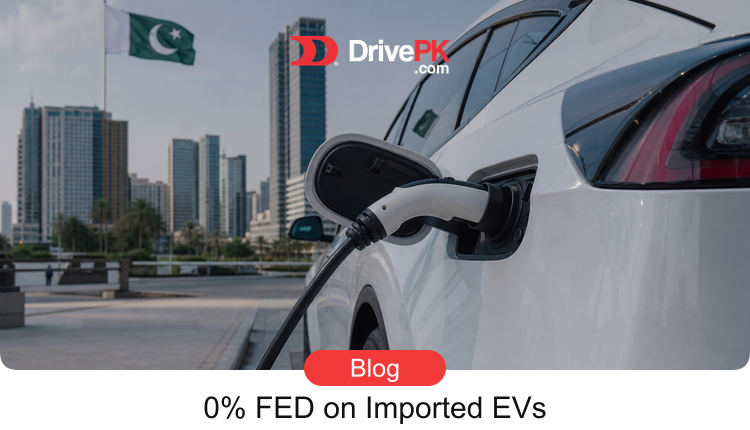
Table of Contents
- Key FED Rates for Imported EVs
- Analyzing the Impact of New FED Rates
- What Drives FED Changes? Government's Push for Local Assembly
- Should You Buy an Imported EV Now?
- Potential Risks and Future Considerations
- Conclusion: A New Era for EV Buyers in Pakistan
The recent announcement by the Pakistani government to impose a 0% Federal Excise Duty (FED) on imported electric vehicles (EVs) priced up to Rs. 20 million is a significant shift aimed at boosting electric vehicle adoption. This policy change is not only a boon for environmentally conscious buyers but also a potential game-changer for the automotive landscape in Pakistan. With the EV market gaining traction, you must understand what this means for your buying decisions.
Key FED Rates for Imported EVs
To clarify the new tax structure, here’s a breakdown of FED rates applicable to imported EVs:
| Import Value | FED Rate |
|---|---|
| Up to Rs. 20 million | 0% |
| Above Rs. 20 million and up to Rs. 30 million | 30% |
| Above Rs. 30 million | 40% |
This tiered approach indicates a clear incentive for buyers considering EVs priced below Rs. 20 million, making them considerably more affordable.
Analyzing the Impact of New FED Rates
The introduction of a 0% FED on imported EVs priced under Rs. 20 million is expected to stimulate demand significantly. The Pakistan Automotive Manufacturers Association (PAMA) has noted an uptick in consumer interest towards electric vehicles, particularly as local manufacturers gear up to introduce more models. For example, vehicles like the BYD Seal, priced between Rs. 85-100 lacs, and the MG4 Electric, ranging from Rs. 70-85 lacs, can now be more accessible to buyers looking for eco-friendly options.
As per industry sources, the EV market is projected to grow, with an expected increase in sales by over 30% in the coming year due to favorable pricing dynamics (PAMA). However, the actual market influence will depend on consumer perception and charging infrastructure availability in urban centers like Karachi and Lahore.
What Drives FED Changes? Government's Push for Local Assembly
The government’s decision to introduce a 0% FED is part of a broader strategy to encourage local assembly of EVs. By reducing the financial burden on imported electric vehicles, the policy aims to enhance domestic production capabilities, which aligns with the Engineering Development Board’s (EDB) initiative to localize manufacturing. This move is critical as it not only aims to boost local employment but also to reduce the overall cost of EVs in the long run. The government is keen on ensuring that as the market grows, local players can compete effectively against imported models.
Should You Buy an Imported EV Now?
With the new FED rates, many are asking, should I buy an EV in Pakistan 2026? If your daily commute is under 60 km and you have a home charger, now is an excellent time to invest in an imported EV. The current pricing makes these vehicles much more attractive, especially when considering the long-term savings on fuel and maintenance. Moreover, if you factor in the 8-year or 150,000 km battery warranty that most EVs offer, the risk of ownership diminishes significantly.
However, if you rely on public charging stations, especially in areas outside major cities, you might want to wait for the infrastructure to develop further. Currently, Level 2 chargers are available, but DC Fast Chargers (50kW+) remain scarce, limiting practical use for long-distance travel.
Potential Risks and Future Considerations
While the current electric vehicle tax relief in Pakistan is promising, potential risks include market volatility and future government policy changes. The State Bank of Pakistan continues to regulate auto financing, allowing maximum loan tenors of up to 7 years, which may change if economic conditions fluctuate. Additionally, as the government pushes for greater local assembly, imported models may face increased scrutiny or tariffs in the future if local production doesn’t meet expectations.
Furthermore, you should consider the resale value of EVs as the market matures. Early adopters may find that certain models hold value better than others—models from established brands generally fare better in the resale market.
Conclusion: A New Era for EV Buyers in Pakistan
The implementation of a 0% FED on imported EVs marks a pivotal moment for the automotive market in Pakistan. It opens doors for environmentally friendly vehicles, potentially enhancing urban air quality while promoting local industry. If you are considering purchasing an EV, this is an opportune time to explore your options, particularly within the Rs. 20 million bracket. However, if you depend heavily on public charging infrastructure, it might be wise to hold off until those services expand.
For more updates, visit DrivePK.com
Tags
Share this article
About the Author
Dr Khan
Automotive Expert & Content Strategist
Comments (0)
Login Required
You need to be logged in to comment on this article.
No comments yet. Be the first to share your thoughts!
Related Articles
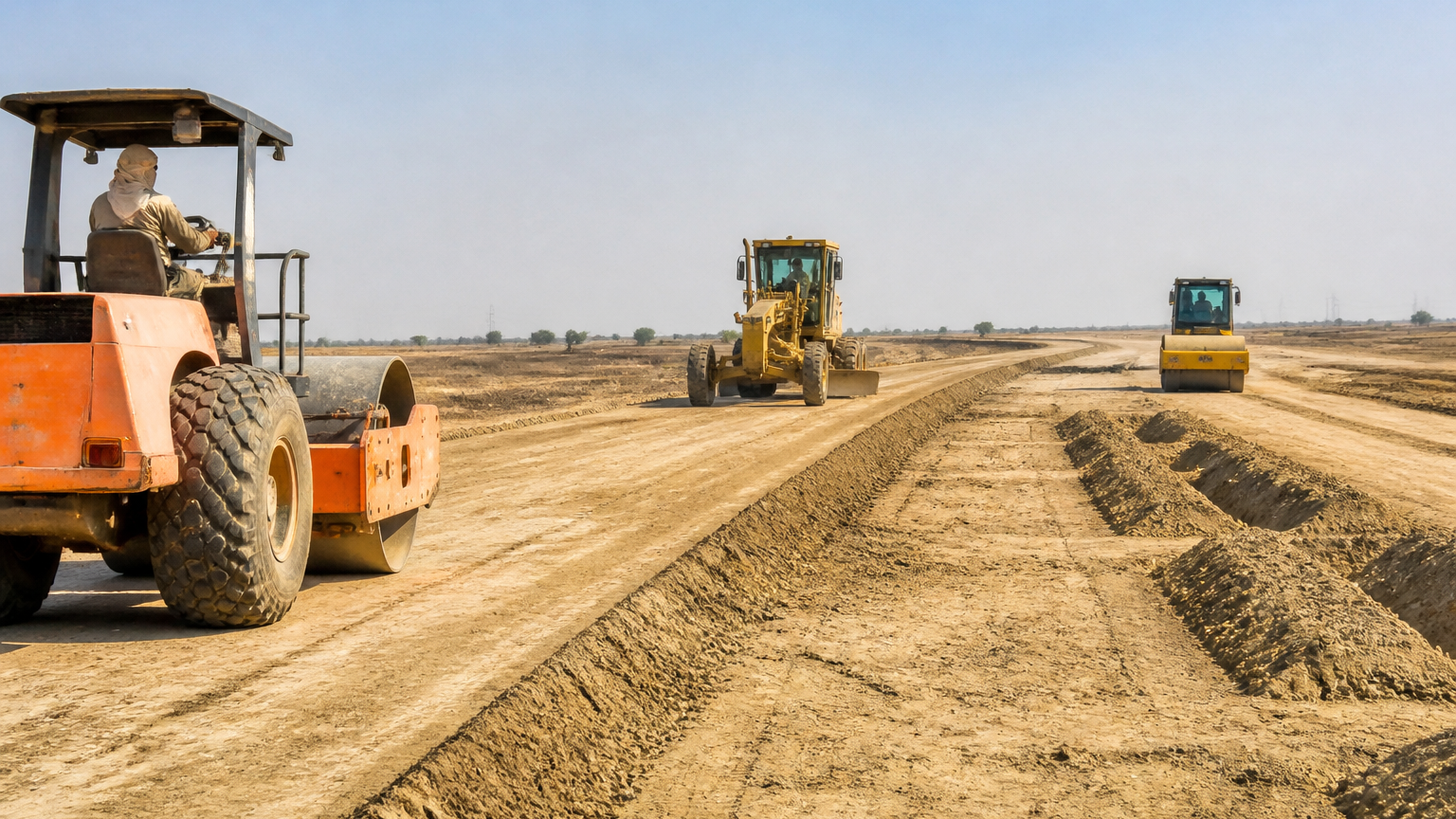
سکھر-کراچی موٹروے پر کام اگلے ماہ شروع ہوگا
سکھر-کراچی موٹروے کی تعمیر اگلے ماہ تین حصوں میں شروع ہوگی، جس سے کراچی پورٹ تک رسائی تیز ہونے کی امید ہے—تاہم منصوبے کی تکمیل کی کوئی تاریخ تاحال نہیں دی گئی۔
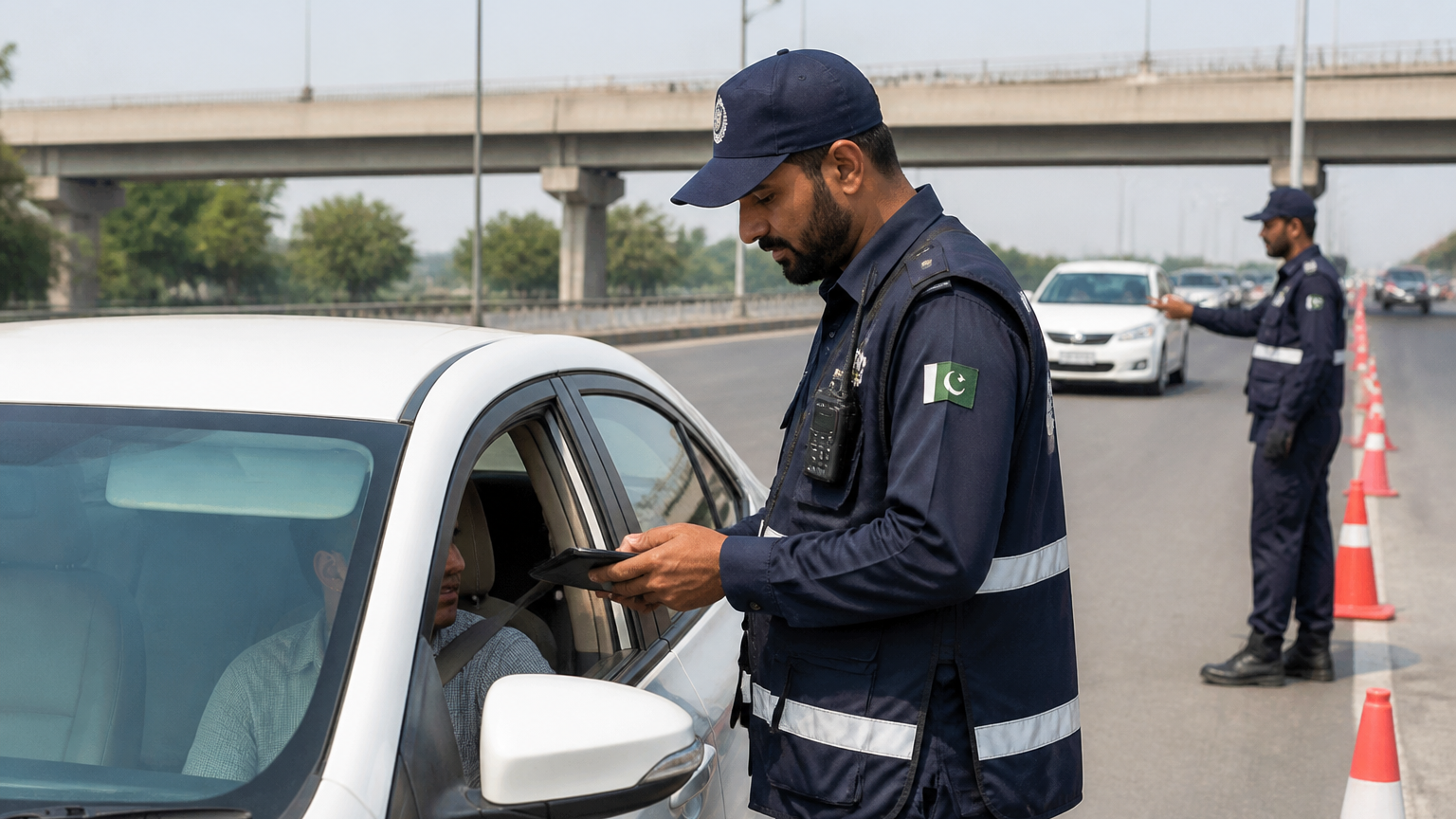
لاہور رنگ روڈ پر جرمانے 10,000 روپے تک پہنچ گئے
لاہور رنگ روڈ پر ڈرائیورز کو مبینہ طور پر 10,000 روپے تک کے جرمانے کا سامنا ہے، جن میں بغیر لائسنس ڈرائیونگ پر 5,000 روپے اور کم عمر ڈرائیونگ پر 10,000 روپے شامل ہیں۔
اسلام آباد ٹریفک لائسنس سروسز آج رات معطل
اسلام آباد ٹریفک لائسنس سروسز 26 اکتوبر رات 11 بجے سے 27 اکتوبر صبح 9 بجے کے بعد تک سسٹم اپ گریڈ کے باعث بند رہ سکتی ہیں—تجدید اور پرمٹس مؤخر کر دیں۔