2027 Hyundai Tucson Spied: Boxy Design, Hybrids, and New Tech Revealed
A camouflaged next-gen Hyundai Tucson has been spied testing. It features a boxier design inspired by "Art of Steel," hybrid and plug-in hybrid options, and new tech like Pleos Connect. Global debut later in 2026, with Australia arrival in 2027.
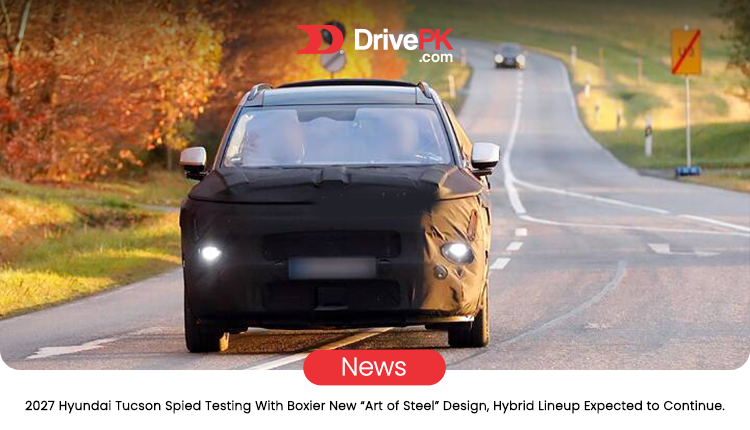
Table of Contents
- Design Shifts: From Curves to Squares
- Powertrains: Hybrids Take Center Stage
- Inside the Cabin: Tech and Comfort Upgrades
- Launch Timeline and Availability
- How It Stacks Up Against Rivals
- Final Thoughts
A camouflaged prototype of the next Hyundai Tucson turned up during testing recently. It points to big changes for this popular SUV. The current model stands out with its sharp lines and bold look. But the new one seems headed in a different direction. Think boxier shapes and a tougher stance. Hyundai plans a global reveal later in 2026. It might hit Australia by 2027. Let's break down what we see so far.
Design Shifts: From Curves to Squares
Spy shots show a vehicle wrapped in heavy camouflage. Yet the outline is clear. The next Tucson, codenamed NX5, drops the flowing curves of today's version. Instead, it goes for straight edges and a more upright profile. This fits Hyundai's "Art of Steel" design theme. It echoes the rugged vibe of the Santa Fe. Wider shoulders and stronger lines give it a planted feel. The wheelbase looks stretched, too. That could mean more room inside.
Up front, the grille hides under wraps. But expect pixel-like LED lights, a Hyundai signature. The taillights might wrap around in a slim bar. Overall, it's less sporty and more like a mini truck. This could appeal to folks who want something sturdy for daily drives or light off-road trips. And the XRT variant, spied in California, hints at an even tougher trim with all-terrain tires and black cladding.
But why the change? Hyundai aims to stand out in a crowded field. The current Tucson sells well, but rivals like the Toyota RAV4 keep evolving. A boxier Tucson could draw in buyers tired of the same rounded shapes.
Powertrains: Hybrids Take Center Stage
No more diesel for the Tucson in many markets, including Australia. Hyundai has phased it out locally already. The focus shifts to hybrids. Expect a 2.0-liter hybrid setup as the base. A 1.6-liter plug-in hybrid should follow, offering around 60 miles of electric range. That's a solid jump for efficiency.
These options make sense. Fuel prices fluctuate, and emissions rules tighten. Hybrids bridge the gap to full EVs without range worries. In the U.S., the plug-in version might qualify for tax credits. For Australia, where long drives are common, the standard hybrid could shine.
Pure gasoline engines might stick around in some places. But electrification is the star. Hyundai wants the Tucson to compete on fuel economy with the Honda CR-V and Mazda CX-5. Early tests suggest smooth power delivery and quiet cabins.
Inside the Cabin: Tech and Comfort Upgrades
Details on the interior are scarce. But prototypes hint at bigger screens and fresh layouts. Hyundai's Pleos Connect system, based on Android Automotive, could debut here. It promises over-the-air updates and seamless app integration. Think Google Maps built in, plus voice controls that feel natural.
Space should grow with that longer wheelbase. Rear seats might offer more legroom. Materials could step up to softer touches and better soundproofing. Safety tech will likely include advanced driver aids like highway assist and blind-spot cameras.
For families, this means a practical daily driver. The cargo room might expand. And with hybrids, trips cost less. It's not revolutionary, but these tweaks address common gripes with the current model.
Launch Timeline and Availability
Hyundai keeps quiet on exact dates. But reports point to a debut in the third quarter of 2026. U.S. showrooms could see it as a 2027 model. Australia might wait until early 2027. Pricing? Expect a slight bump from today's $30,000 starting point. Hybrids will cost more, but incentives could help.
Testing continues in places like Germany and California. That suggests Hyundai refines handling and tech. Cold-weather trials ensure reliability.
How It Stacks Up Against Rivals
The compact SUV market is tough. Toyota's RAV4 leads with reliability. Honda's CR-V offers refinement. The Tucson fights back with more features for the money. This new version adds style and efficiency to the mix.
But challenges remain. Resale value trails some Japanese brands. And while hybrids are efficient, they're not as fun to drive as turbo options. Still, Hyundai's warranty, 10 years on the powertrain, gives peace of mind.
For buyers, it's about needs. City commuters might love the plug-in. Families could prefer the space. Off-road fans? Wait for the XRT.
Final Thoughts
The next Tucson evolves without losing its appeal. Boxier looks, hybrid power, and smart tech keep it fresh. It's not out yet, but spy shots build excitement. If Hyundai nails the details, this could be a top pick in 2027. Keep an eye on updates as testing wraps up. For more updates, visit DrivePK.com
Tags
Share this article
About the Author

Najeeb Khan
Automotive enthusiast and writer
Comments (0)
Login Required
You need to be logged in to comment on this article.
No comments yet. Be the first to share your thoughts!
Related Articles
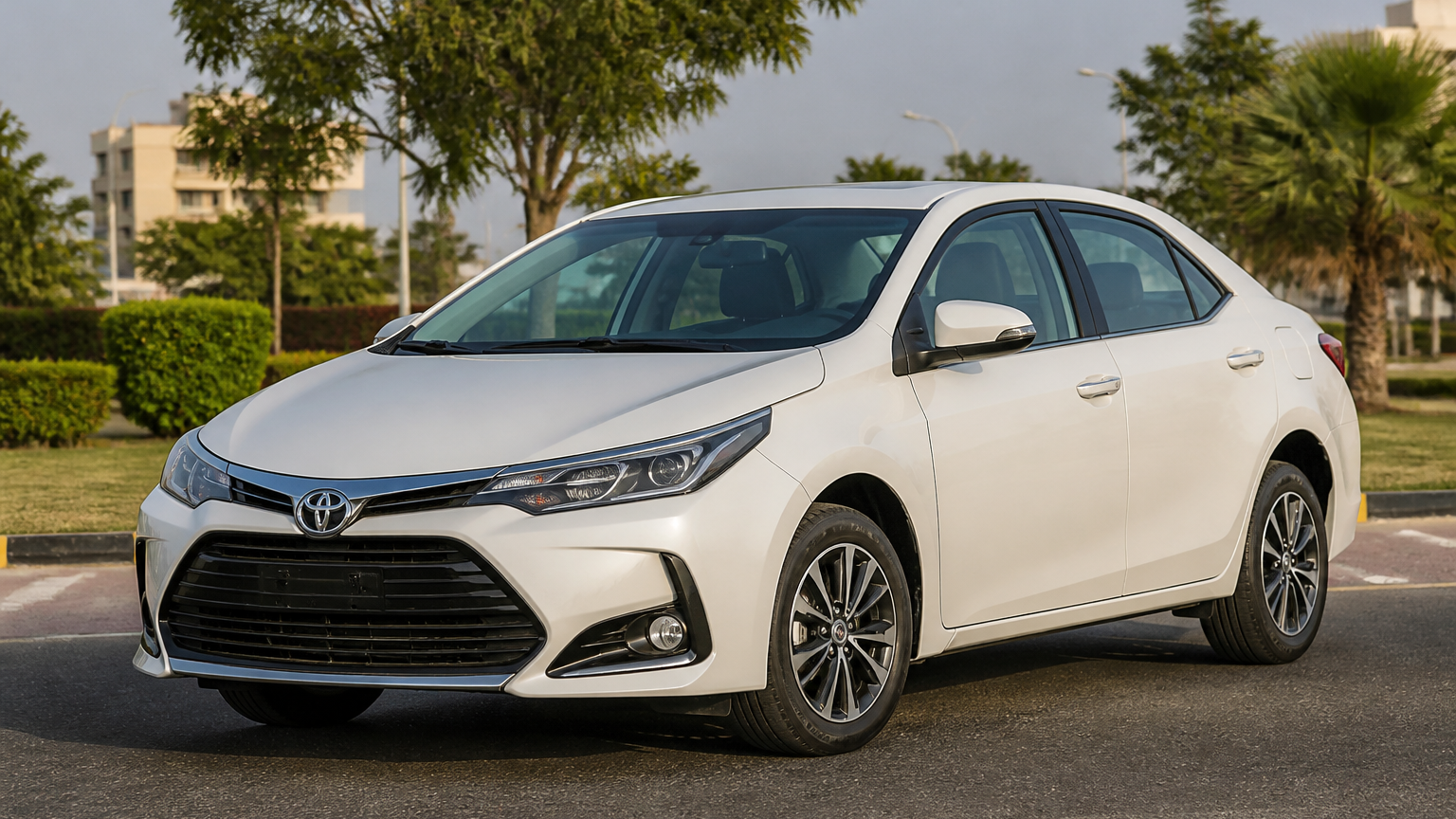
Toyota Corolla Discontinued Before Pakistan Facelift
Pakistan’s pre-facelift Toyota Corolla is reportedly discontinued, hinting at a facelift. Prices, bookings, specs and launch timing remain unconfirmed.
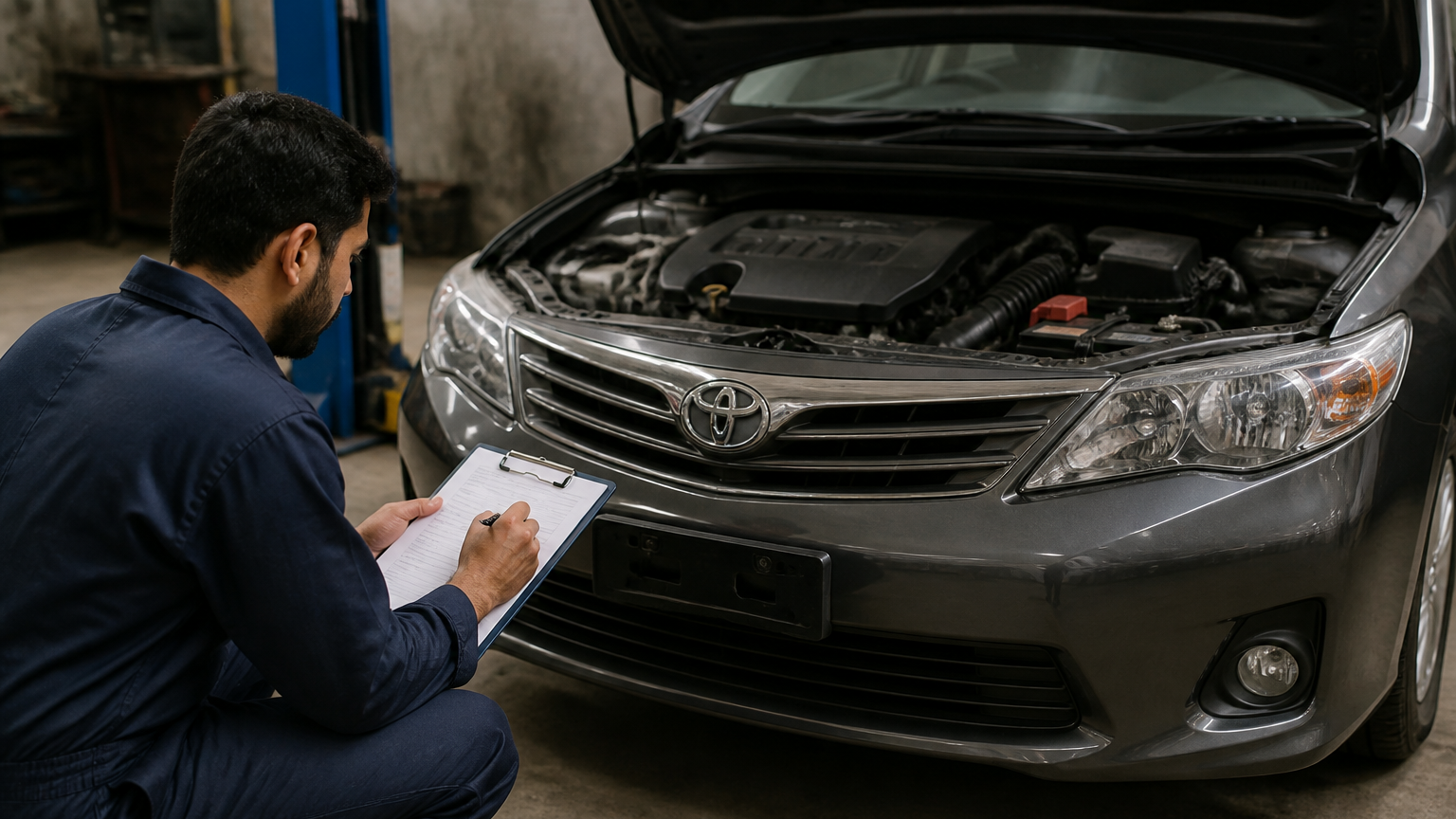
DrivePK Car Inspection Reports: Buy with Confidence
Buying a used car in Pakistan? A pre-purchase inspection can reveal hidden damage, engine issues and red flags before you pay—but it’s not enough alone.
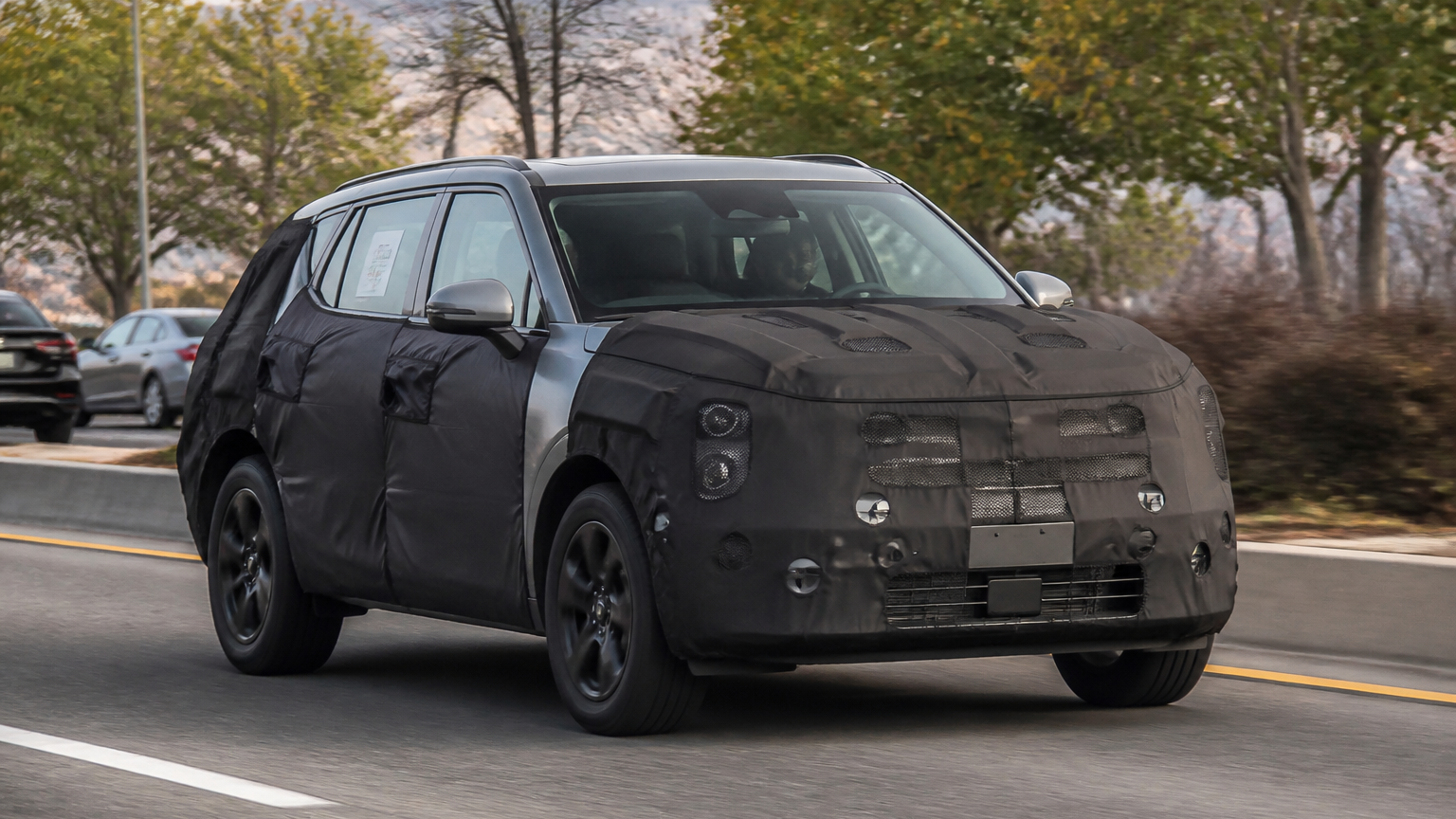
2028 Kia Sportage: Major Design Changes Spotted
Kia’s next Sportage may get a bolder, boxier redesign, with an upright profile, sharper lines, wider grille and split headlights hinted by spy shots.