BYD Pakistan Gharo $150M Plant: Local EV Production 2026
BYD’s $150 million Gharo facility in Pakistan is heading toward 2026 operations with 25,000-unit capacity. This in-depth look covers the plant, models, challenges, government support, and what it means for local manufacturing and buyers.
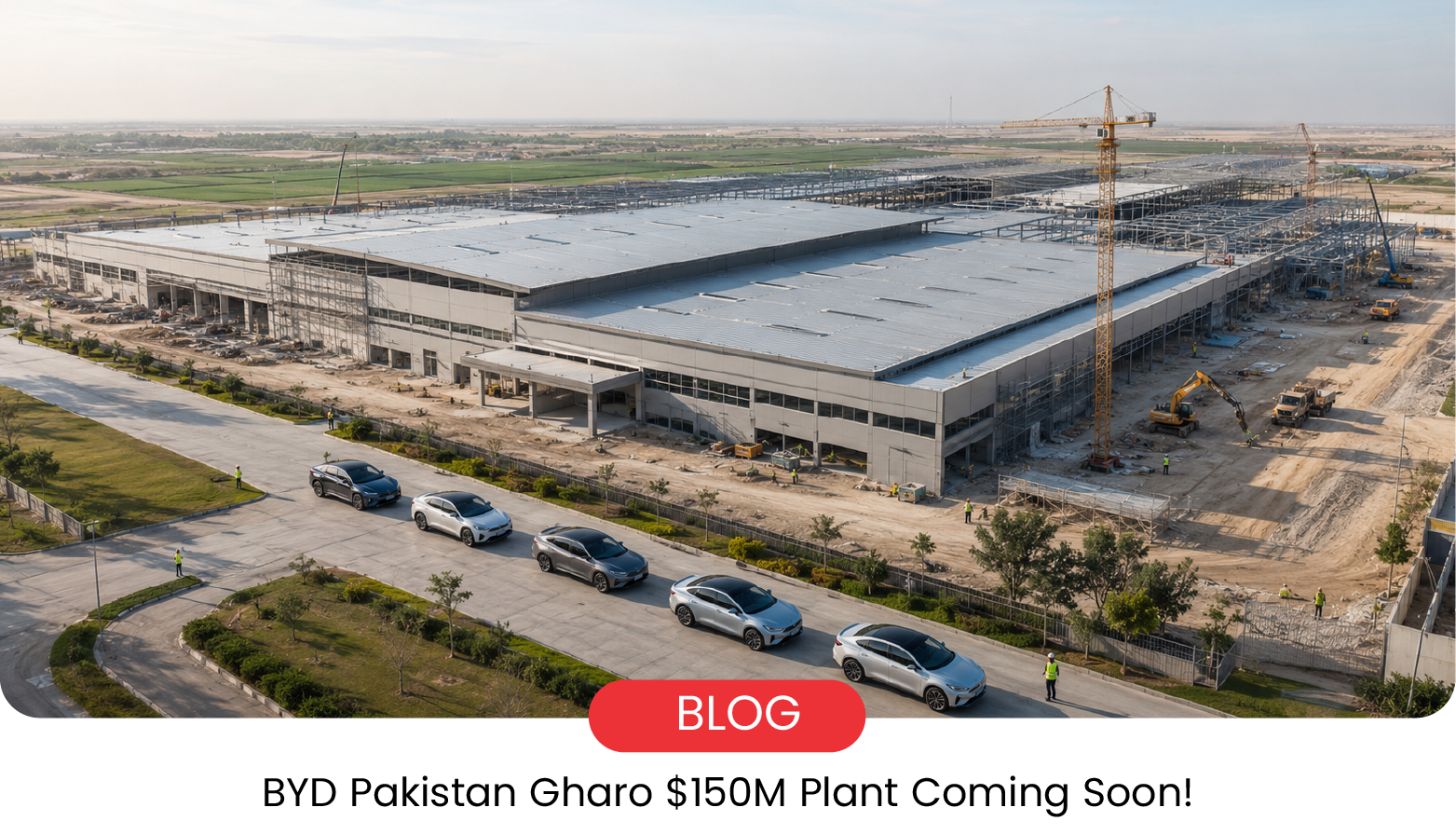
Table of Contents
- BYD’s Global Growth: From Batteries to Worldwide Production
- BYD’s Entry and Current Models in Pakistan
- PHEV vs BEV: Practical Choices for Pakistan
- BYD’s Uncompromising Approach to Quality and International Standards
- Localization Strategy: Opportunities and Real Challenges
- Government Support and Recent Developments
- Infrastructure and Adoption Bottlenecks
- Features and Innovations Driving BYD’s Edge
- Export Potential and Regional Competition
- What This Means for Pakistani Buyers and Businesses
- The Road to a Sustainable EV Ecosystem
- Final Thoughts
- Frequently Asked Questions
- When will the Gharo plant start production?
- How many jobs will it create?
- Which models will be assembled locally first?
- Will prices come down with local assembly?
- Is the charging infrastructure ready?
- Can Pakistan export BYD vehicles?
- What about battery localization?
Fuel costs remain high, cities face heavy pollution, and many drivers search for reliable, affordable transport options. Electric vehicles offer lower running costs, but questions persist about infrastructure, pricing, and local support. BYD Pakistan’s Gharo plant addresses several of these concerns directly. The $150 million New Energy Vehicle facility near Karachi is progressing on schedule for operations in the third or fourth quarter of 2026.
This project goes beyond assembly. It aims to create jobs, develop suppliers, and support Pakistan’s goal of 30% electric new vehicle sales by 2030. Yet real success depends on navigating policy gaps, infrastructure limits, and localization hurdles. Let’s examine the full picture.
BYD’s Global Growth: From Batteries to Worldwide Production
BYD started in 1995 as a battery maker. It entered the vehicle market in 2003 and has become one of the largest EV producers globally. The company now operates major plants in China and is expanding overseas to serve local markets better.
BYD Manufacturing Footprint Key Plants and Timeline:
| Year/Period | Location/Country | Capacity/Details | Key Focus |
|---|---|---|---|
| 2003-2010s | Shenzhen & other China sites | Growing from small scale | Battery tech, initial EV models |
| 2022+ | Hefei, China | Up to 1.32 million vehicles | Major NEV production hub |
| 2022+ | Xi'an, China | 900,000 vehicles | Passenger vehicles & components |
| 2024 | Rayong, Thailand | 150,000 vehicles | Regional assembly for Southeast Asia |
| 2025-2026 | Brazil (Camaçari) | 150,000 vehicles | Latin America market |
| 2025-2026 | Turkey (Manisa) | 150,000 vehicles | Europe & nearby markets |
| 2025-2026 | Hungary (Szeged) | Planned 150,000 | European production |
| 2026 | Gharo, Pakistan | 25,000 units initial | Local CKD assembly, RHD focus |
This table shows BYD’s pattern: Start with imports, move to local assembly, then deepen localization. Pakistan fits this strategy as a right-hand-drive market with export potential to Africa and South Asia.
BYD’s Entry and Current Models in Pakistan
BYD began with fully imported vehicles. Popular options include the Atto 3 SUV, Seal sedan, Atto 2, Sealion 7, and Shark 6 plug-in hybrid pickup. These models gained traction for their range, tech, and value.
Local assembly through the partnership with Mega Motor Company (MMC, Hubco subsidiary) marks the next step. The Gharo plant starts with CKD kits and gradually increases local content.
BYD Key Models Available/Planned in Pakistan:
| Model | Type | Key Specs | Target Use |
|---|---|---|---|
| Atto 2 | Compact EV Crossover | Affordable range for city driving | First-time EV buyers |
| Atto 3 | Mid-size EV SUV | Comfort, tech features | Families, daily commuters |
| Seal | EV Sedan | Performance, efficiency | Sedan lovers |
| Sealion 7 | Mid-size EV SUV | ~567 km range, Blade Battery | Longer trips |
| Shark 6 | PHEV Pickup | Extended range with hybrid backup | Utility, mixed use |
The Sealion 7 and Shark 6 represent different approaches to Pakistan’s infrastructure realities.
PHEV vs BEV: Practical Choices for Pakistan
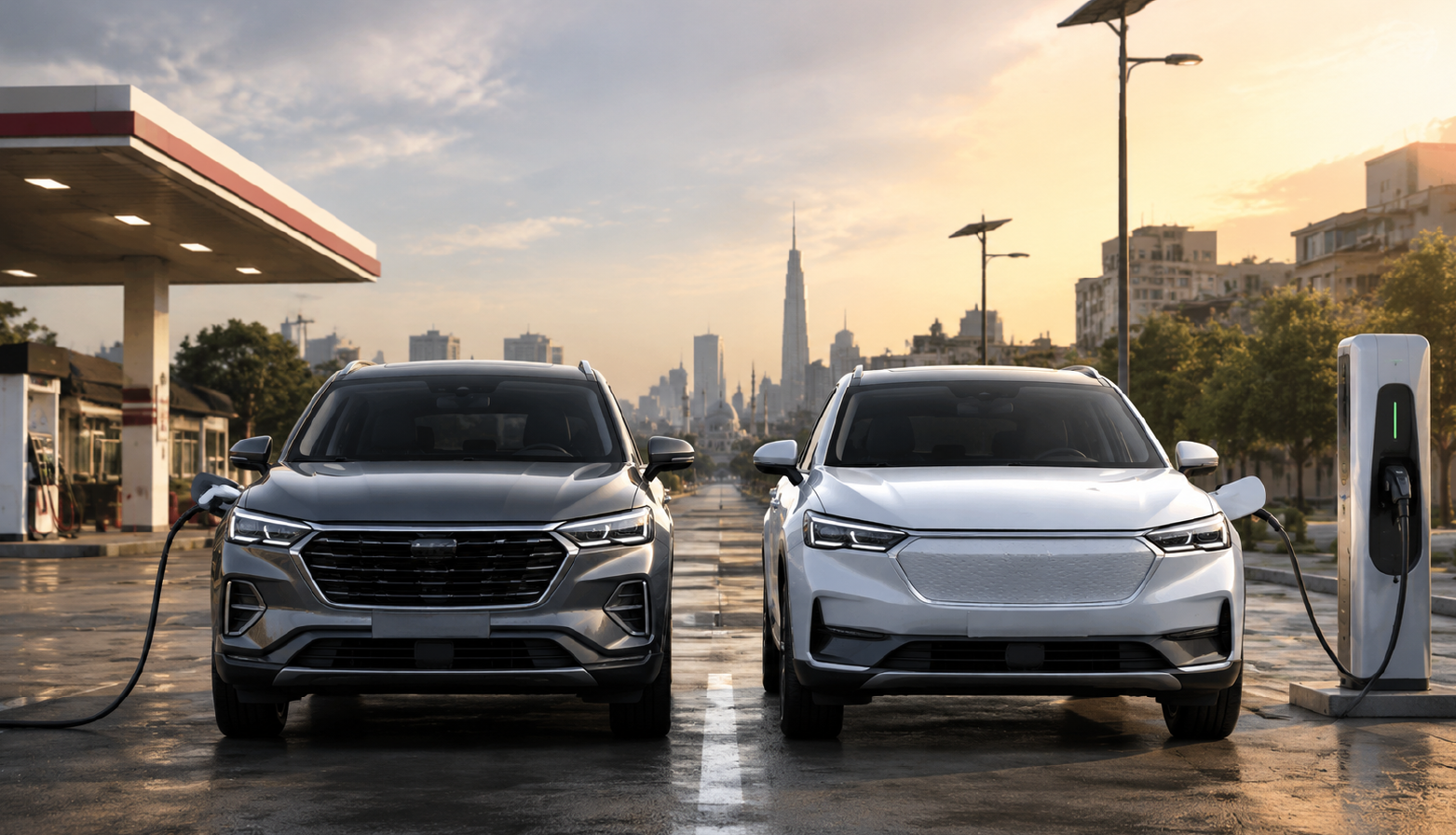
Charging remains limited outside major cities. Plug-in hybrids offer a bridge.
PHEV vs BEV Comparison (Shark 6 vs Sealion 7 Example):
| Feature/Metric | Plug-in Hybrid (PHEV) e.g. Shark 6 | Battery Electric (BEV) e.g. Sealion 7 |
|---|---|---|
| Powertrain | Combustion engine + electric motors | Pure electric drive |
| Grid Reliance | Low – runs on fuel when needed | High needs charging |
| Combined Range | Approx. 800+ km | Approx. 500-570 km (pure electric) |
| Daily Use | Urban electric + long trips | Best with reliable charging |
| Infrastructure Needs | Flexible | Dependent on stations |
PHEVs like the Shark 6 make sense now. They deliver electric efficiency for city runs while providing backup for highways where charging is sparse. Pure EVs like the Sealion 7 shine once infrastructure improves.
BYD’s Uncompromising Approach to Quality and International Standards
Research across global reviews, safety tests, and industry reports shows BYD maintains strict quality standards worldwide. The company applies the same engineering, testing, and supplier requirements whether producing in China, Thailand, or emerging markets like Pakistan. Its Blade Battery technology passed rigorous nail penetration tests and other extreme safety evaluations that many competitors’ batteries fail. This no-compromise philosophy stems from vertical integration. BYD controls batteries, motors, and semiconductors internally. Independent tests in Europe, Australia, and Asia consistently rate BYD vehicles highly for build quality, safety ratings, and long-term reliability. In Pakistan, this means buyers can expect the same international standards once local assembly begins, provided suppliers meet those benchmarks over time.
Localization Strategy: Opportunities and Real Challenges
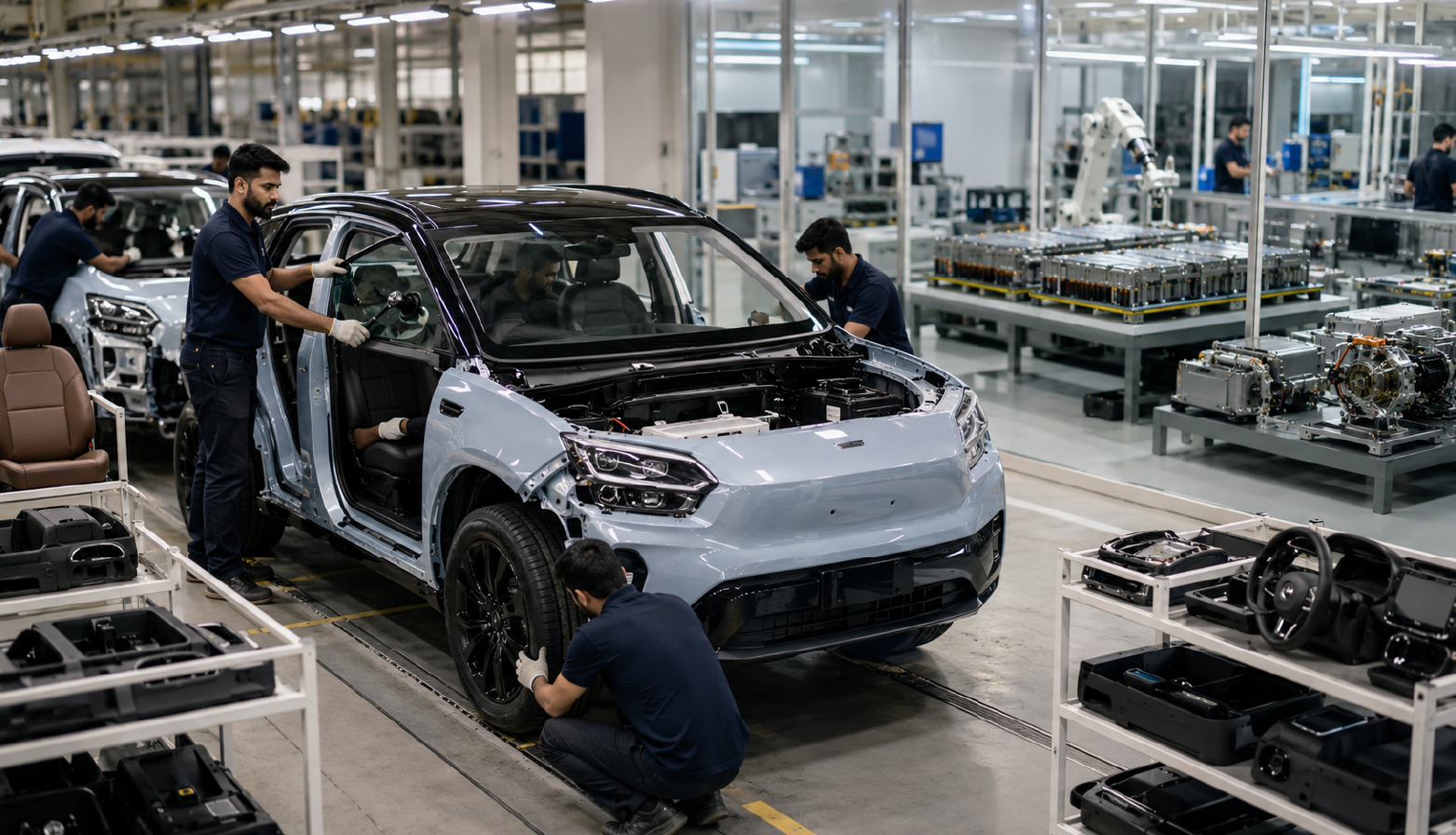
The Gharo plant targets 25,000 units annually at first. Early production focuses on CKD assembly with imported core components like batteries and motors. Non-critical parts such as tires, glass, and interior trim will localize first. Deeper localization of Blade Batteries or power electronics requires building a tier-1 supplier base that meets global metallurgy and engineering standards, something Pakistan’s current auto network lacks in full.
Danish Khaliq of BYD Pakistan-MMC emphasized building an ecosystem step by step. The project should create over 1,100 direct jobs and support more in the supply chain. It sits in a Special Technology Zone, aligning with government ambitions.
Yet challenges exist. The EV policy relies on short-term 12-month extensions rather than a stable multi-year framework. Automotive investments need long-term certainty. A proposed carbon levy on ICE vehicles aims to fund the transition, but traditional manufacturers already face high costs.
Government Support and Recent Developments
In June 2026, Finance Minister Senator Muhammad Aurangzeb met BYD and MMC leadership. The government reaffirmed full support for localization and EV manufacturing. This high-level endorsement signals political will, but execution depends on turning promises into consistent policy.
Pakistan aims for 3,000 charging stations by 2030 and significant fuel import savings. BYD and Hubco Green plan a Karachi-to-Peshawar charging corridor with stations every 200-250 km, targeting 40-50 stations nationwide by the end of 2026.
Infrastructure and Adoption Bottlenecks
Grid capacity varies. Urban areas often lack transformers for widespread fast chargers. Highway coverage remains thin. These factors explain why BYD prioritizes PHEVs initially. Private operators struggle with commercial viability when EV numbers are still low.
Used vehicle imports without balanced local support could undermine the ecosystem. Short-term trading might win quick sales but hurt long-term industrial growth.
Features and Innovations Driving BYD’s Edge
BYD stands out through vertical integration and specific technologies.
BYD Key Innovations and Features:
| Innovation | Description | Benefit |
|---|---|---|
| Blade Battery | LFP cell-to-pack design, blade-shaped cells | Superior safety (passes nail test), longevity (>3,000-5,000 cycles), space efficiency |
| DM-i / DMO Hybrid Systems | Intelligent hybrid powertrains | Low fuel use, extended range, smooth switching |
| e-Platform 3.0 | Integrated structure | Better safety, handling, efficiency |
| 8-in-1 Powertrain | Combines multiple components | Higher efficiency, reduced weight |
| Advanced Driver Assistance | Available across lineup | Safety and convenience features |
These technologies appear consistently across global markets. The Blade Battery, in particular, has won innovation awards for its safety and performance.
Export Potential and Regional Competition
The government links support to future exports of right-hand-drive vehicles. Pakistan could serve as a hub for Africa and South Asia. However, BYD’s plants in Thailand, Turkey, and other countries are more mature. Success in Gharo requires competitive costs, quality, and stable operations amid currency and energy challenges.
What This Means for Pakistani Buyers and Businesses
Local assembly should eventually lower prices and improve parts availability. Fleet operators and ride-hailing services stand to gain from lower running costs. Early adopters may still face higher upfront prices, but total ownership costs favor EVs and PHEVs over time.
Service networks need expansion. BYD has training programs, such as sending staff to Thailand. Scaling this locally builds capability.
The Road to a Sustainable EV Ecosystem
True localization takes time. Pakistan has auto manufacturing experience, a young population, and an urgent need for cleaner transport. The BYD-MMC joint venture brings technology and investment. Government endorsement helps. But bridging policy gaps, grid upgrades, and supplier development remain essential.
Short-term extensions create uncertainty for long-cycle investments. A stable 10-year framework with clear CBU vs CKD incentives would encourage deeper commitment.
Final Thoughts
The BYD Gharo project represents meaningful progress for Pakistan’s auto sector. It combines global technology with local partnership at a time when the country needs both economic growth and cleaner mobility. Success won’t happen overnight. It requires coordinated efforts on policy, infrastructure, skills, and suppliers.
For drivers tired of high fuel bills and businesses seeking sustainable options, this development brings hope grounded in practical steps. Watch the next 12-24 months closely as construction finishes and vehicles start rolling out. The transition to electric mobility in Pakistan is underway, one assembly line at a time.For more updates, visit DrivePK.com
Frequently Asked Questions
When will the Gharo plant start production?
Target is the third or fourth quarter of 2026, with the first vehicles possibly by July-August, according to some updates.
How many jobs will it create?
Over 1,100 direct jobs, plus indirect roles in supply and services.
Which models will be assembled locally first?
Likely current popular models like the Atto series, Seal, Sealion, and Shark variants, starting with CKD.
Will prices come down with local assembly?
Yes, over time, as localization increases, import duties on kits differ from fully built units.
Is the charging infrastructure ready?
Improving, with the Karachi-Peshawar corridor in progress, but still limited outside cities. PHEVs help bridge the gap.
Can Pakistan export BYD vehicles?
Plans exist for RHD exports, but it requires meeting global quality and cost standards.
What about battery localization?
Long-term goal, but early focus is on simpler components. Blade Battery production locally is years away.
Tags
Share this article
About the Author

Najeeb Khan
Automotive enthusiast and writer
Comments (0)
Login Required
You need to be logged in to comment on this article.
No comments yet. Be the first to share your thoughts!
Related Articles
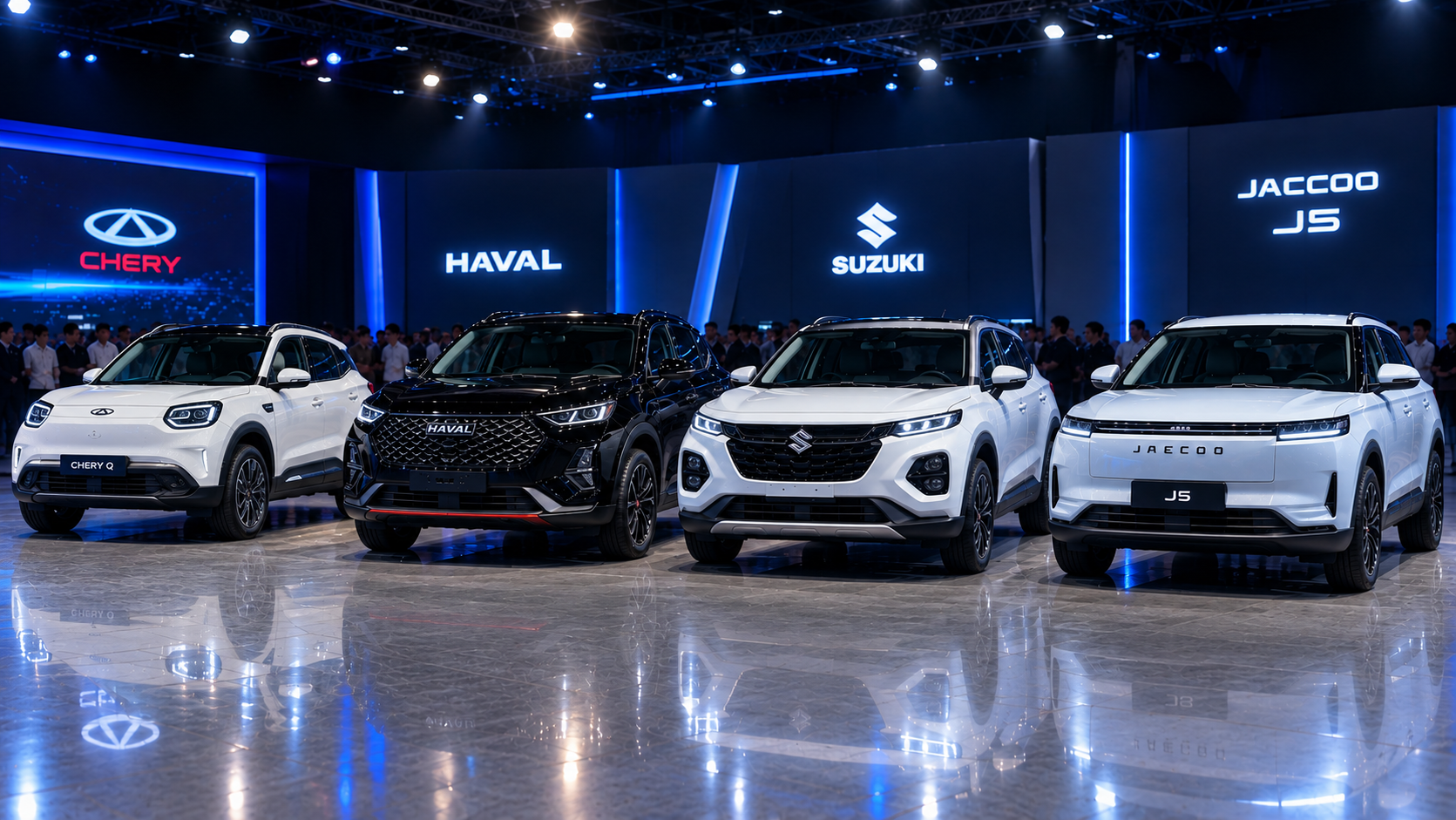
PAPS 2026 Highlights: Chery Q, Haval H6 GT, Fronx ADAS + Jaecoo J5 BEV Debut
Pakistan Auto Show 2026 reveals official prices for three arrivals: Chery Q, Haval H6 GT PHEV and Suzuki Fronx ADAS.
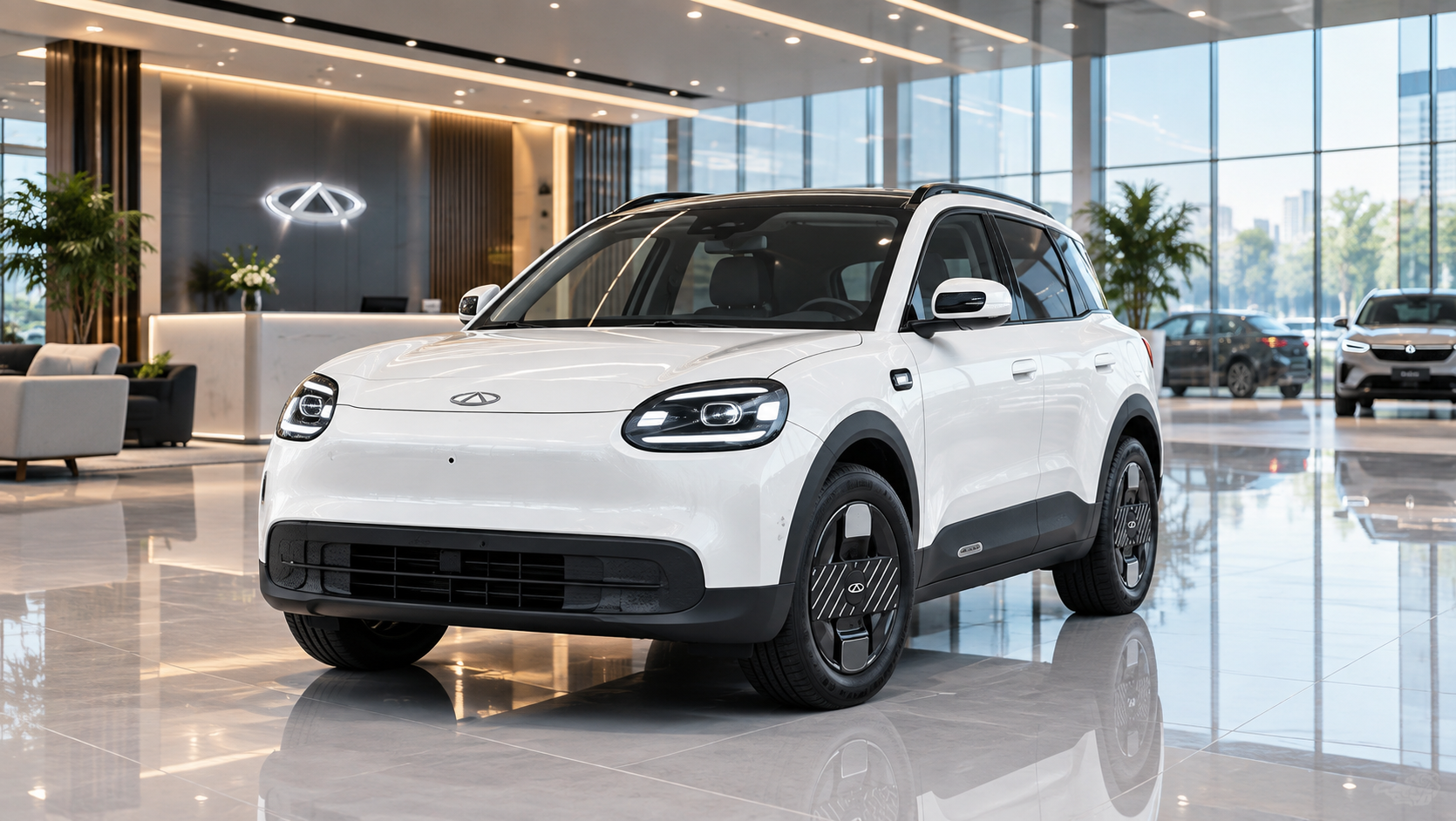
Chery Q Price: Rs 5.55m in Pakistan
Chery launches the all-electric Q in Pakistan at Rs 5.554m. The Premium trim leads, but booking and delivery details remain unclear.
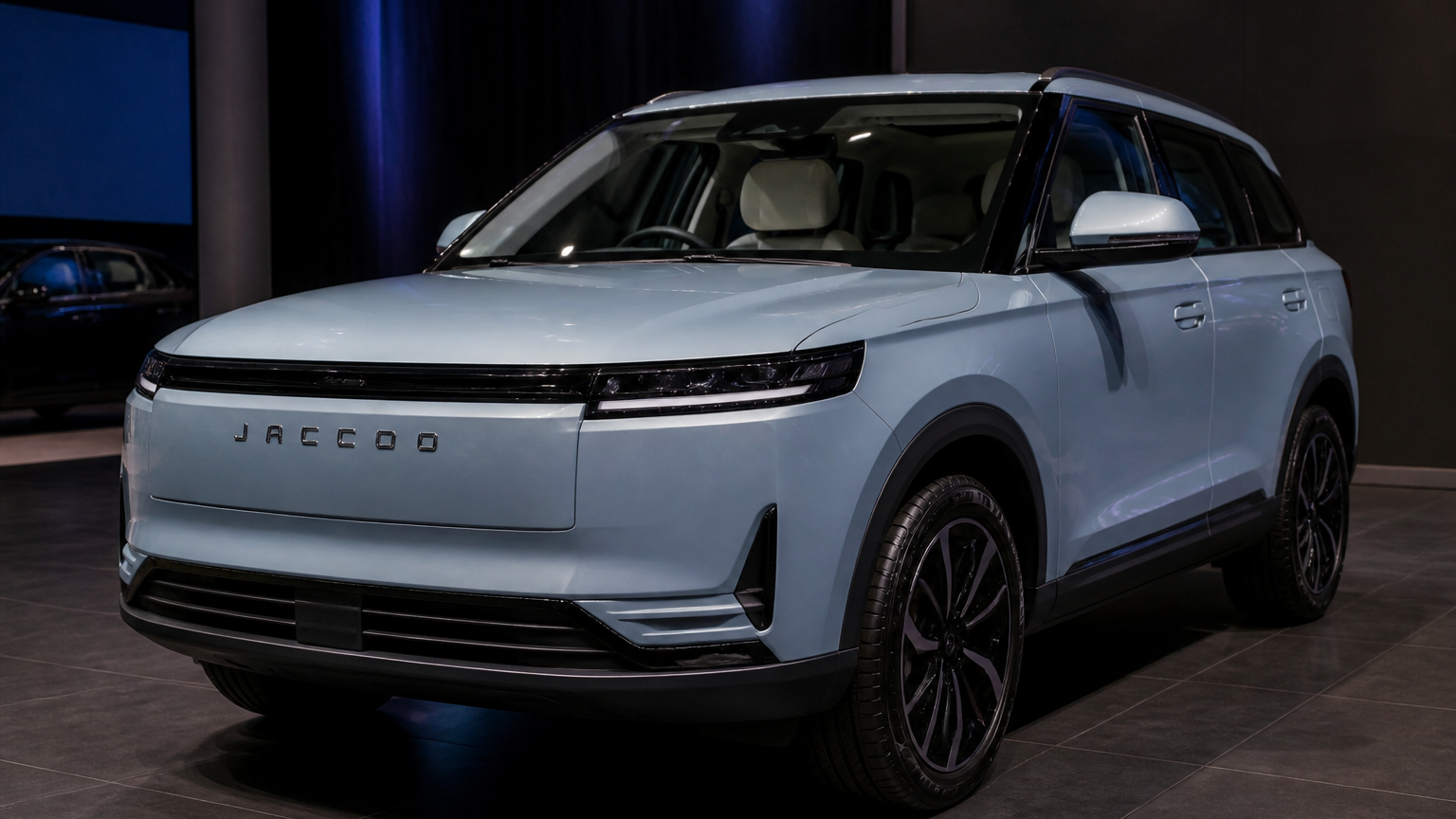
Jaecoo J5 BEV Premium Plus Specs Revealed
Jaecoo J5 BEV Premium Plus leads Pakistan’s EV crossover market with a claimed 461km NEDC range, while price and delivery details remain unknown.