Pakistan Auto Policy 2026-31 on Hold: Hybrid Tax Shock
The government has put the Auto Policy 2026-31 on hold after local automakers raised strong concerns. With the old policy expired, sales tax on hybrids rose from 8.5% to 25%. Prices jumped, and deliveries stalled. Deputy PM Ishaq Dar now leads a revised plan focused on a gradual EV shift, localisation, and job protection.
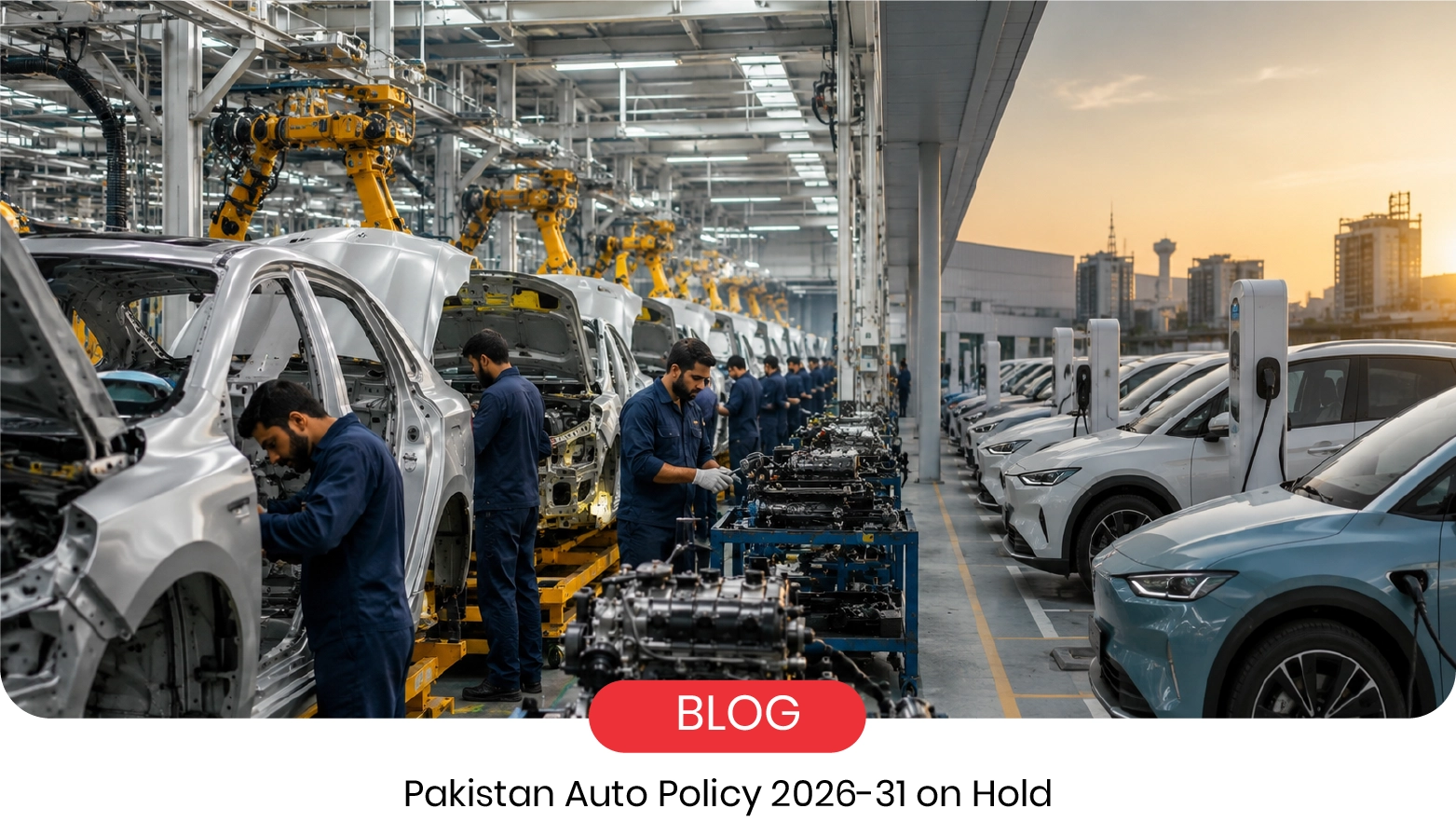
Table of Contents
- What Exactly Happened to the Old Policy
- Why Local Industry Pushed Back So Hard
- The Tax Shock Buyers Feel First
- What Ishaq Dar’s Revised Policy Must Balance
- What This Means for Ordinary Buyers and the Market
- Looking Ahead Without the Hype
You plan to buy a hybrid car this year. You check prices one week, and they look manageable. The next week they jump by more than a million rupees. Dealers stop giving delivery dates. That is the reality for many Pakistani buyers right now.
The government has put the proposed Auto Policy 2026-31 on hold. Local automakers and parts makers raised serious objections. At the same time, the previous policy expired on 30 June 2026. Sales tax on hybrid electric vehicles and plug-in hybrids shot up from the old concessional rate of 8.5 percent to the full 25 percent. Prices rose. Some companies paused invoices and deliveries.
Prime Minister Shehbaz Sharif has asked Deputy Prime Minister Ishaq Dar to prepare a fresh draft. The new version must focus on a gradual move to electric vehicles, higher localisation, technology transfer, and protection of existing investment and jobs.
This is not just paperwork. It affects what you pay at the showroom, how fast clean cars reach the market, and whether local factories keep running.
What Exactly Happened to the Old Policy
The Auto Industry Development and Export Policy 2021-26 ended on 30 June 2026. The government had prepared a new five-year framework. It put strong weight on electric vehicles to cut Pakistan’s heavy dependence on imported fuel. Pakistan imports roughly 80 percent of its petroleum products. Transport is a big part of that bill.
But major carmakers and the Pakistan Association of Automotive Parts & Accessories Manufacturers pushed back hard. They took their concerns straight to the Prime Minister. The draft was shelved. A new committee now works under Ishaq Dar.
The immediate result was automatic. Without a new policy notified in time, the Federal Board of Revenue restored the standard 25 percent general sales tax on hybrids. Earlier, locally assembled hybrids up to 1800cc paid 8.5 percent. Larger ones paid 12.75 percent. Those concessions vanished from 1 July 2026.
Toyota and Honda raised hybrid prices by more than Rs 1.3 million on some models. Certain manufacturers stopped issuing invoices while they waited for clarity. Buyers who had booked cars faced delays. The market froze in places.
Why Local Industry Pushed Back So Hard
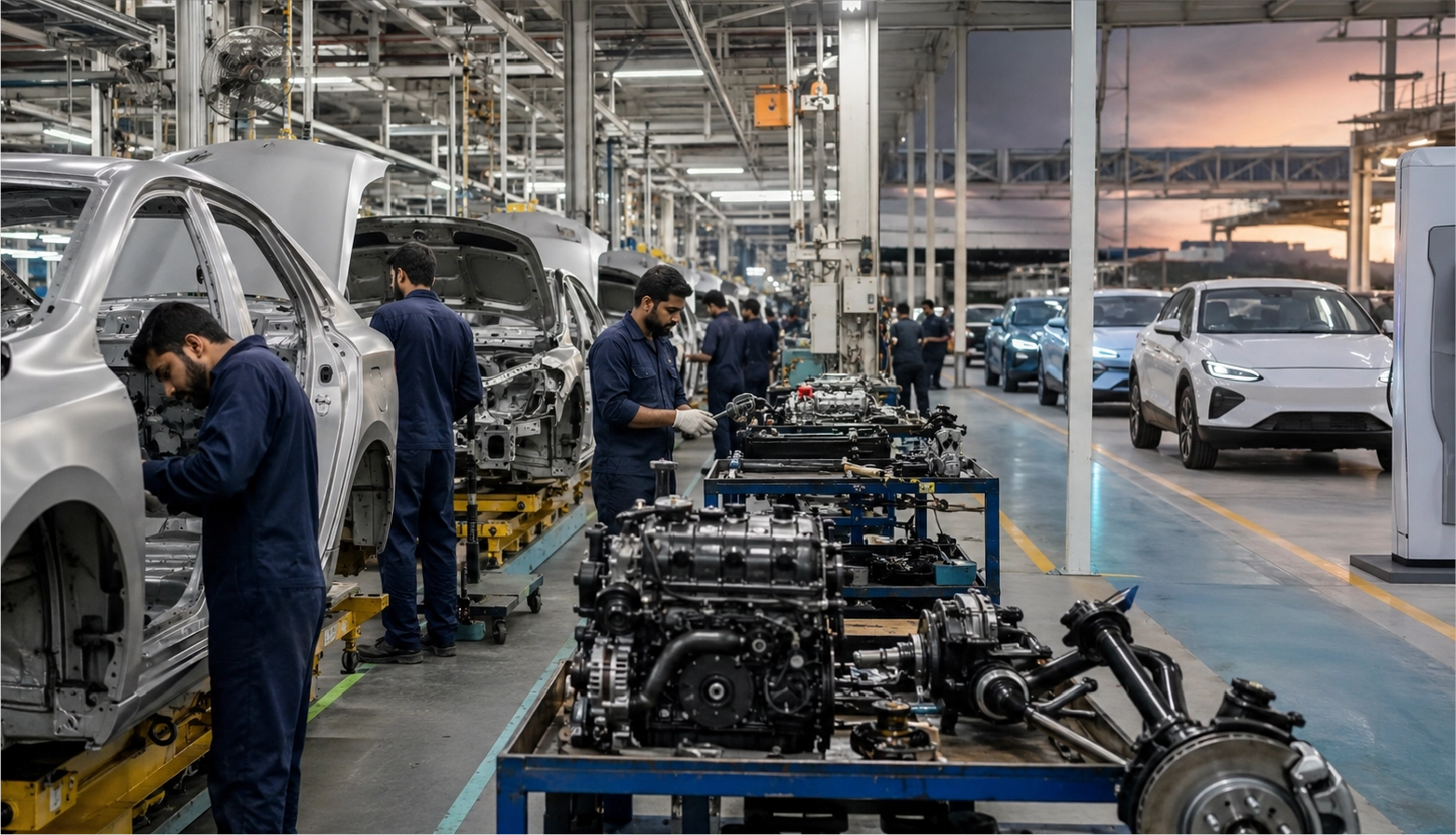
Local assemblers and parts makers are not against electric vehicles. They say the move must be gradual. Pakistan still lacks a strong charging network. Local production of batteries, motors and electronic parts is limited.
They fear that heavy incentives for fully imported EV kits could flood the market with cheap assembled units. Existing factories that spent years and large sums building petrol and hybrid lines would lose work. Parts suppliers that employ far more people than the big assembly plants would suffer. Industry estimates put total employment linked to the auto sector in the hundreds of thousands when you count vendors, dealers and workshops.
PAAPAM and others asked for an interim tax rate around 18 percent on hybrids. They want EV incentives tied to yearly increases in local content. They also want help for existing parts factories to shift into electric components. Equal chances for established makers to launch their own hybrids and EVs matter to them.
The concern is practical. Sudden favouritism toward imports risks turning Pakistan back into a pure assembly or import market. Local investment of billions of dollars over the last two policy cycles could lose value. Jobs would follow.
The Tax Shock Buyers Feel First
Hybrid cars had become a practical bridge for many families. They use less fuel than pure petrol models. They do not need charging stations everywhere. Demand was rising.
The jump to 25 percent GST erased most of that price advantage. A car that cost around Rs 9 million suddenly needed another Rs 1.3 to 1.5 million. For middle-class buyers, this is not a small difference. It changes monthly instalments and total ownership cost.
Some reports mentioned temporary talk of cutting the rate back to 18 percent. That proposal went to the Finance Division but has not become official policy yet. Until the revised Auto Policy appears, the 25 percent rate stays in force.
Meanwhile, pure electric vehicles still enjoy some concessions in certain categories. The uneven treatment between hybrids and EVs added to the industry’s unease.
What Ishaq Dar’s Revised Policy Must Balance
The new draft under the Deputy Prime Minister has clear priorities. Gradual EV transition. Localisation of parts. Technology transfer from global partners. Protection of local investment and employment.
These goals sound simple. They are hard to balance. Pakistan wants lower fuel imports and cleaner air. It also wants factories running at higher capacity and skilled workers keeping jobs. The previous draft leaned heavily toward rapid EV adoption. The revised one must slow the pace and build the local base first.
Charging infrastructure remains thin outside major cities. Electricity supply and pricing still raise questions for daily EV use. Battery and motor production need time and capital. Parts makers need clear targets and support to retool.
A sensible path would keep hybrids competitive for several years. Link any EV tax breaks to rising local content. Offer technical help and incentives for battery assembly and power electronics. Keep tariffs and taxes predictable so companies can plan five-year investments instead of waiting month to month.
What This Means for Ordinary Buyers and the Market
If you are shopping for a car now, expect continued uncertainty. Hybrid prices stay high until the tax rate changes. Delivery times for some models remain longer. Pure EVs may look relatively better on paper, but real-world charging and resale values still carry risk.
The wider market feels the pause. Production of certain hybrids slowed. Dealers report lower footfall for those models. Parts suppliers face order cuts. When factories run below capacity, the whole chain suffers.
Pakistan’s installed vehicle capacity sits around half a million units a year. Actual output has often stayed well below that. Policy swings are one reason. Stable rules encourage companies to expand, localise deeper, and eventually export. Constant resets keep them cautious.
Looking Ahead Without the Hype
The government has restarted the process. Ishaq Dar’s committee will consult stakeholders again. The final policy should appear in the coming months. Industry groups will keep pressing for gradual change and local content rules.
For buyers, the practical advice is simple. Compare total cost of ownership carefully. Factor in current tax rates and possible future relief. Check actual delivery timelines before booking. Watch for any interim tax announcement on hybrids.
Pakistan needs cleaner transport and lower oil imports. It also needs a strong local industry that employs people and builds real skills. The revised Auto Policy 2026-31 must serve both goals simultaneously. A sudden leap risks empty factories. A slow crawl keeps the fuel bill high.
The next draft will show which path the government chooses. Buyers, workers and investors will all feel the result quickly.For more updates, visit DrivePK.com
Tags
Share this article
About the Author

Najeeb Khan
Automotive enthusiast and writer
Comments (0)
Login Required
You need to be logged in to comment on this article.
No comments yet. Be the first to share your thoughts!
Related Articles
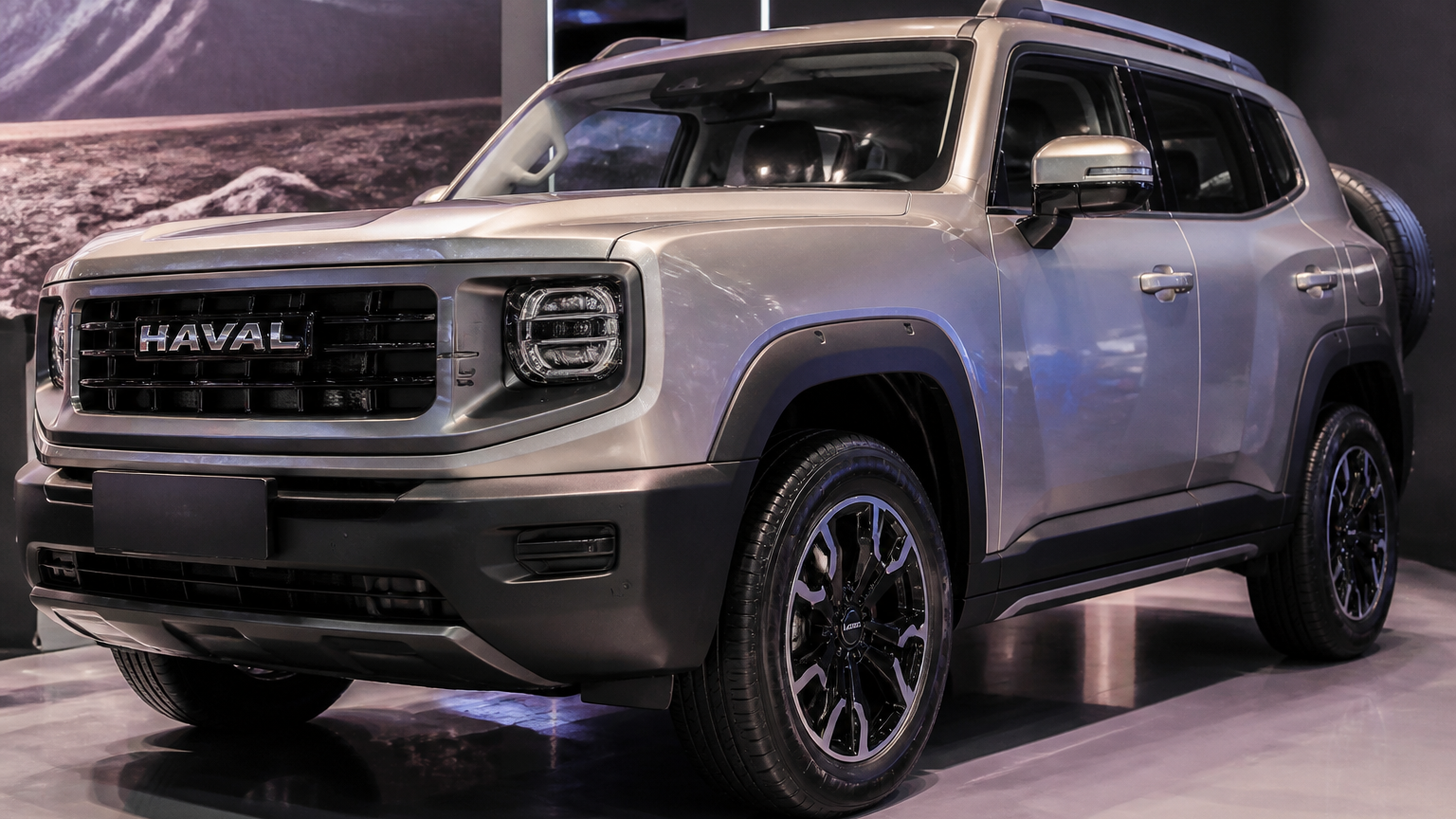
Haval H7 PHEV Debuts at PAPS 2026 With 450 hp
Haval H7 PHEV debuts in Pakistan at PAPS 2026 with 450 hp, AWD and rugged SUV appeal—though pricing and launch details remain unknown.
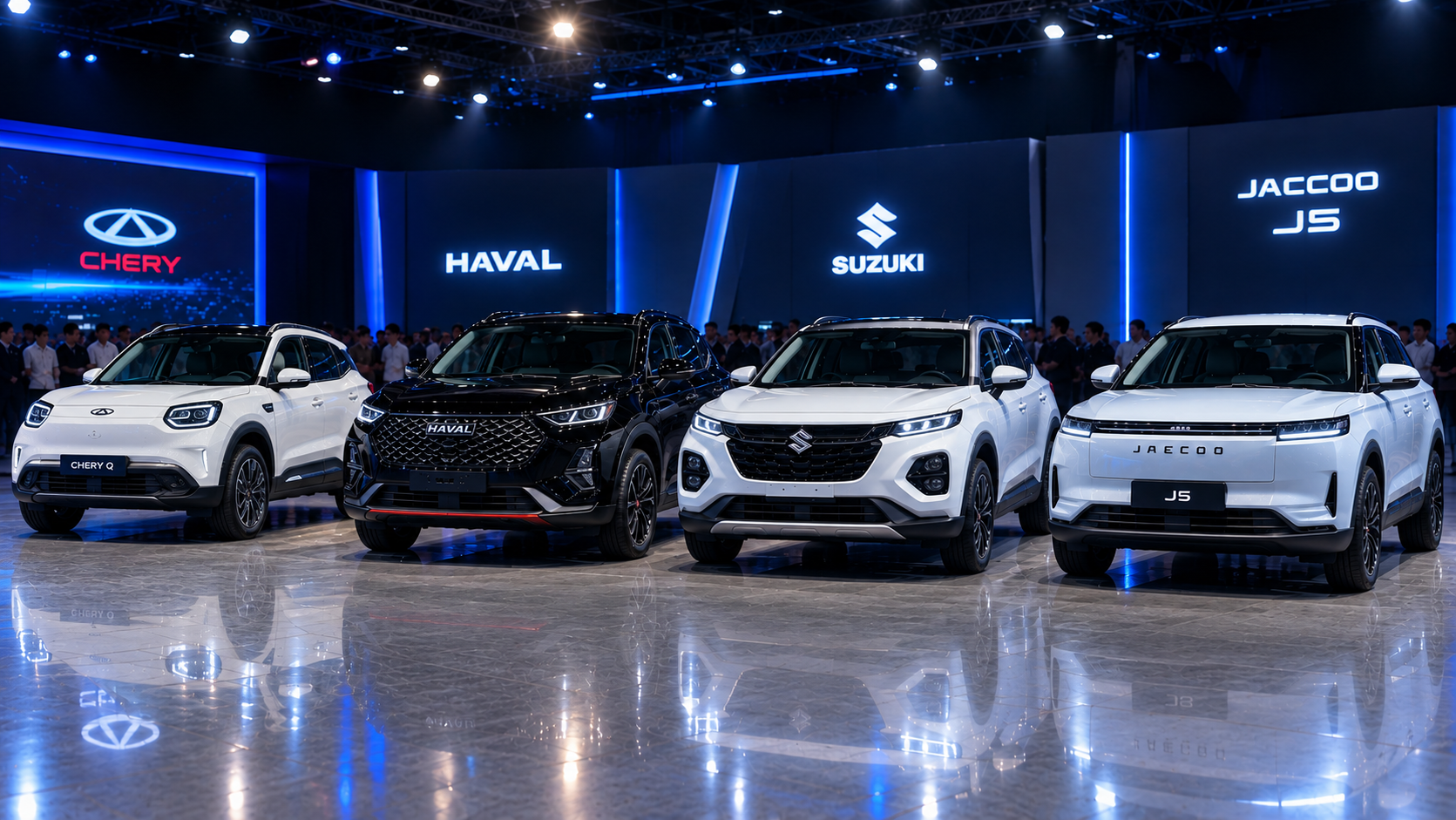
PAPS 2026 Highlights: Chery Q, Haval H6 GT, Fronx ADAS + Jaecoo J5 BEV Debut
Pakistan Auto Show 2026 reveals official prices for three arrivals: Chery Q, Haval H6 GT PHEV and Suzuki Fronx ADAS.
Chery Q Price: Rs 5.55m in Pakistan
Chery launches the all-electric Q in Pakistan at Rs 5.554m. The Premium trim leads, but booking and delivery details remain unclear.