BYD Reclaims EV Crown in Q2 2026 Beats Tesla with 557k Deliveries
BYD has taken back the lead as the world's top seller of pure electric vehicles. In the second quarter of 2026, it delivered 557,090 BEVs while expanding rapidly overseas. Here's what this means for the EV industry and buyers.
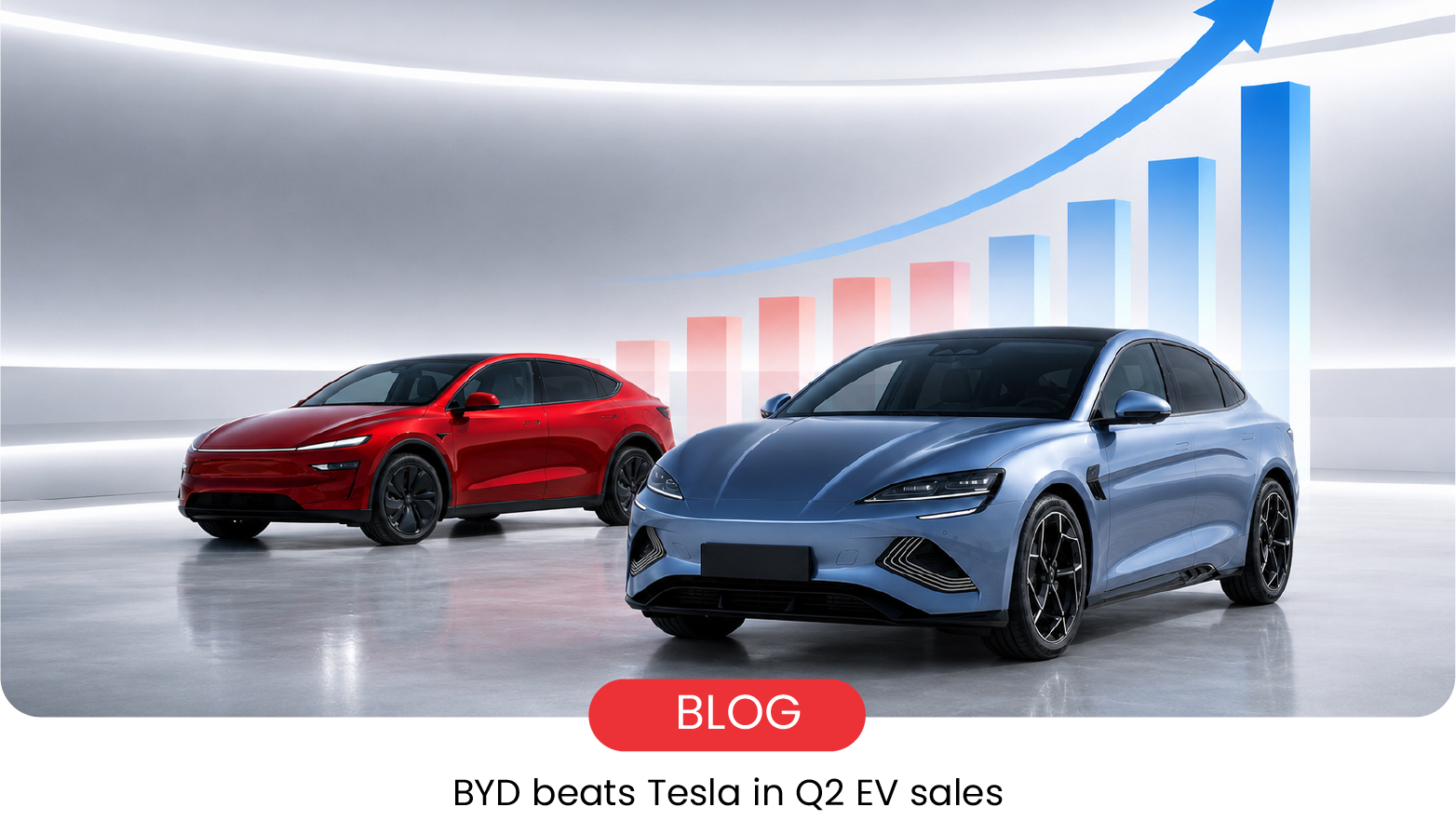
Table of Contents
- Breaking Down the June and Q2 Numbers
- Why Overseas Markets Matter More Now
- Blade Battery Advances Keep the Edge
- Big Bets on Self-Driving Technology
- The Bigger EV Market Picture
- What This Means for Buyers and the Industry
- Looking Ahead
BYD just reminded everyone why it matters in the electric vehicle world. In the second quarter of 2026, the Chinese company delivered 557,090 battery electric vehicles (BEVs). That number puts it ahead of Tesla, which delivered around 396,500 to 480,000 units depending on the exact report.
This shift feels important. For a while, Tesla held the pure EV crown in some quarters. Now BYD has reclaimed it. And the story goes deeper than just one quarter's numbers.
Breaking Down the June and Q2 Numbers
BYD sold 403,472 new energy vehicles (NEVs, which include BEVs and plug-in hybrids) in June 2026 alone. That's up 5.5% from the same month last year. It marks the second straight month of growth after a tough stretch.
Overseas sales stood out. They hit a record 175,349 units in June, up nearly 95% year-over-year. These exports made up 43% of the month's total sales. For the first half of 2026, overseas shipments reached about 792,000 units, a big jump.
Domestic sales in China dropped 22% in June to 228,123 units. Competition at home is fierce, with many local brands fighting for share. But strong international demand helped offset that weakness.
For the full Q2, BYD's BEV deliveries reached 557,090. Tesla's Q2 deliveries came in stronger than some early estimates but still trailed. The gap shows how BYD's broad lineup and pricing strategy play out globally.
Why Overseas Markets Matter More Now
BYD has pushed hard into Europe, Latin America, and other regions. International shipments now drive a large chunk of growth. In June, overseas sales contributed over 43% of the total.
This expansion comes despite tariffs and trade tensions in some places. BYD builds local factories and adapts models to meet regional needs. Affordable pricing helps it win in price-sensitive markets where Tesla focuses on premium buyers.
For buyers outside China, this means more choices. Models like the Atto 3, Seal, and Dolphin offer solid range and features at competitive prices. As production ramps up abroad, wait times may shorten and support improves.
Blade Battery Advances Keep the Edge
BYD is rolling out its next-generation Blade Battery. This version adds faster charging – sometimes called flash charging. It promises better safety, longer life, and quicker top-ups, which addresses common worries about EVs.
The Blade design uses a different chemistry that reduces fire risks compared to some traditional lithium-ion packs. BYD integrates these batteries across its lineup, from affordable city cars to larger SUVs. This vertical integration – making its own batteries – gives cost and quality control that many rivals lack.
Steady improvements here help BYD maintain an advantage even as raw material prices fluctuate.
Big Bets on Self-Driving Technology
BYD isn't stopping at batteries and sales volume. It invests heavily in intelligent driving tech. The company unveiled its Xuanji A3 chip, a 4nm design that supports Level 3 and Level 4 autonomous features.
Plans call for over $14 billion (around 100 billion yuan) in intelligent tech R&D over the next three years. "God's Eye" system aims to bring advanced assisted driving to more models. This includes highway navigation, parking help, and eventually more hands-off capabilities.
While Tesla pushes its Full Self-Driving software hard, BYD takes a broader approach across many vehicle types. Success here could open new revenue streams and make its cars more attractive in markets with strict safety rules.
The Bigger EV Market Picture
Global EV demand keeps growing, but the pace varies. China remains the largest market, though growth slowed. Europe and other regions show steady interest, especially with incentives and charging networks expanding.
BYD's strength lies in volume and variety. It sells everything from small hatchbacks to luxury offerings under brands like Denza and Yangwang. This range lets it capture different customer segments.
Tesla, on the other hand, focuses on fewer models but excels in brand loyalty, software updates, and its Supercharger network. Both companies push the industry forward, but in different ways.
Competition benefits buyers. Prices have come down in many segments, range has improved, and features like fast charging become standard.
What This Means for Buyers and the Industry
If you're thinking about an EV, BYD's rise means more affordable, well-equipped options. Check local availability, service networks, and warranty details before buying.
For the industry, it highlights the shift toward Chinese manufacturers leading in volume. Established players respond with their own affordable models and tech upgrades.
Challenges remain. Supply chains, raw materials, and trade policies can swing quickly. Domestic pressure in China forces innovation and efficiency.
BYD's first-half 2026 total NEV sales reached about 1.81 million units, down year-over-year but showing recovery signs in recent months. The focus on exports and technology suggests a solid foundation for the rest of the year.
Looking Ahead
BYD aims to keep momentum through better batteries, smarter driving aids, and global reach. Tesla will likely bounce back with new models and updates. The race keeps things interesting.
For everyday drivers, this competition translates to better cars at lower prices over time. Whether you prefer BYD's value or Tesla's ecosystem, the overall direction points toward wider EV adoption.
What do you think about BYD's latest numbers? Are you considering one of their models, or sticking with other brands? Share your thoughts below.
Safe driving, and keep an eye on how these giants shape the roads ahead. For more updates, visit DrivePK.com
Tags
Share this article
About the Author

Najeeb Khan
Automotive enthusiast and writer
Comments (0)
Login Required
You need to be logged in to comment on this article.
No comments yet. Be the first to share your thoughts!
Related Articles
Toyota Corolla Discontinued Before Pakistan Facelift
Pakistan’s pre-facelift Toyota Corolla is reportedly discontinued, hinting at a facelift. Prices, bookings, specs and launch timing remain unconfirmed.
DrivePK Car Inspection Reports: Buy with Confidence
Buying a used car in Pakistan? A pre-purchase inspection can reveal hidden damage, engine issues and red flags before you pay—but it’s not enough alone.
2028 Kia Sportage: Major Design Changes Spotted
Kia’s next Sportage may get a bolder, boxier redesign, with an upright profile, sharper lines, wider grille and split headlights hinted by spy shots.