Punjab Bill for Hearing Impaired Driving Licenses: A Step Toward Inclusion
Punjab is moving to make driving licenses accessible for hearing-impaired citizens with sign language interpreters, fee waivers, and special vehicle stickers. This bill could open new opportunities while keeping safety first. Here's what it means.
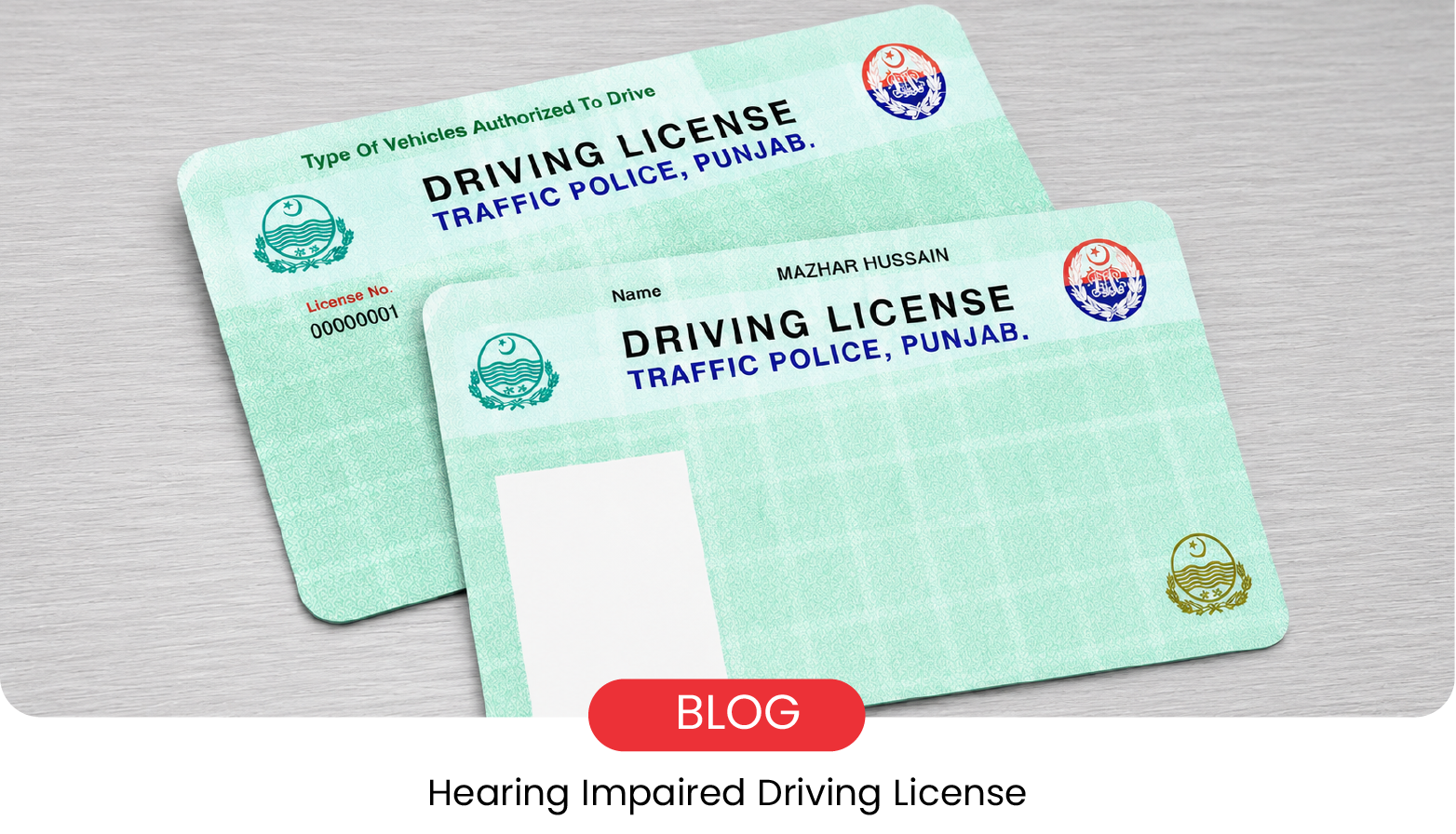
Table of Contents
- The Problem It Tries to Solve
- Key Features of the Proposed Bill
- Why This Matters for Everyday People
- Potential Impact on Road Safety and Society
- Challenges to Watch
- A Positive Step Forward
Getting a driving license should not feel impossible for capable people. For many hearing-impaired citizens in Punjab, it has been exactly that a closed door. A new bill in the Punjab Assembly aims to change this. It creates a clear, supportive process so eligible individuals can drive legally and safely.
This proposal comes at a time when conversations about inclusion and equal opportunities are growing stronger. Let's look at what the bill offers, why it matters, and what challenges lie ahead.
The Problem It Tries to Solve
Hearing loss affects thousands across Punjab. Many rely on public transport or family for daily travel. Others who can drive well still face hurdles in the licensing system. Tests often assume full hearing, and there's little official support for communication needs.
This leaves talented, responsible people sidelined. It limits job options think delivery work, transport services, or simply independent living. Families feel the strain too when a member cannot contribute fully due to mobility restrictions.
Road safety remains a serious issue in Pakistan overall, with high accident rates linked to poor infrastructure, speeding, and other factors. Any new rules must balance access with responsibility.
Key Features of the Proposed Bill
The legislation introduces practical steps:
- Sign Language Support: Interpreters or sign language assistance during theory and practical driving tests. This ensures candidates fully understand rules and instructions.
- Assistive Technology: Applicants can use hearing aids or approved devices where needed. For those with hearing loss up to around 40 decibels, licenses could be issued with conditions.
- Fee Waivers: No charges for initial issuance or renewals for eligible people. This removes a financial burden that often discourages applications.
- Special Identification: A sticker on vehicles to alert others. This promotes awareness without stigmatizing drivers.
- Safety Safeguards: Emergency vehicle licenses stay restricted. All applicants must still pass standard driving and safety assessments.
These measures build on earlier advocacy efforts by groups like the Deaf Welfare Awareness Foundation, who have pushed for data collection and meetings with transport officials.
Why This Matters for Everyday People
Imagine a young professional who is deaf but an excellent driver. With this bill, they could commute independently, pursue better careers, or support their family without depending on others. Students heading to university or vocational training gain freedom.
For parents of hearing-impaired children, it offers hope for a more normal future. Broader society benefits too more inclusive roads reflect a mature, caring community.
Research from other countries shows deaf and hard-of-hearing drivers can be safe when properly trained and supported. Many studies find they do not have significantly higher accident rates than hearing drivers, thanks to heightened visual awareness.
In Pakistan's context, this could reduce isolation and boost economic participation for a sizable group.
Potential Impact on Road Safety and Society
Critics might worry about risks, but the bill emphasizes standards. Tests remain rigorous. The special sticker helps other road users stay alert, similar to how we recognize learner or disabled plates elsewhere.
Success will depend on training examiners, providing quality interpreters, and public awareness campaigns. Proper implementation could set a model for other provinces.
Economically, it opens doors in the growing transport and logistics sectors. With Pakistan's young population and urbanization, empowering all citizens drives overall progress.
Challenges to Watch
- Training and Resources: Do we have enough qualified sign language experts in licensing offices? Rollout needs investment.
- Awareness: Both hearing-impaired individuals and the public need education on the new rules.
- Monitoring: Clear data on applications, approvals, and any incidents will help refine the system.
- National Alignment: While Punjab leads, coordination with federal rules could strengthen impact.
Advocacy groups continuing to collect real demand data will help authorities scale support effectively.
A Positive Step Forward
This bill represents real progress toward equal rights. It recognizes that disability does not equal inability especially with the right accommodations.
For hearing-impaired residents of Punjab, it could mean newfound independence. For policymakers, it shows commitment to inclusion without compromising safety.
If passed and implemented well, it will encourage other provinces to follow. True change happens when laws meet real needs on the ground.
What are your thoughts? Have you or someone you know faced barriers with licensing? Share experiences below; your input matters as this develops.For more updates, visit DrivePK.com
Tags
Share this article
About the Author

Najeeb Khan
Automotive enthusiast and writer
Comments (0)
Login Required
You need to be logged in to comment on this article.
No comments yet. Be the first to share your thoughts!
Related Articles
Toyota Corolla Discontinued Before Pakistan Facelift
Pakistan’s pre-facelift Toyota Corolla is reportedly discontinued, hinting at a facelift. Prices, bookings, specs and launch timing remain unconfirmed.
DrivePK Car Inspection Reports: Buy with Confidence
Buying a used car in Pakistan? A pre-purchase inspection can reveal hidden damage, engine issues and red flags before you pay—but it’s not enough alone.
2028 Kia Sportage: Major Design Changes Spotted
Kia’s next Sportage may get a bolder, boxier redesign, with an upright profile, sharper lines, wider grille and split headlights hinted by spy shots.