Pakistan's New Auto Policy 2026: What It Means for Buyers and Industry
Pakistan is set to roll out its new Auto Policy this August. With talks of better safety rules, EV incentives, and more local manufacturing, the changes could reshape car buying and the industry. But will prices drop or rise? This piece breaks it down simply.
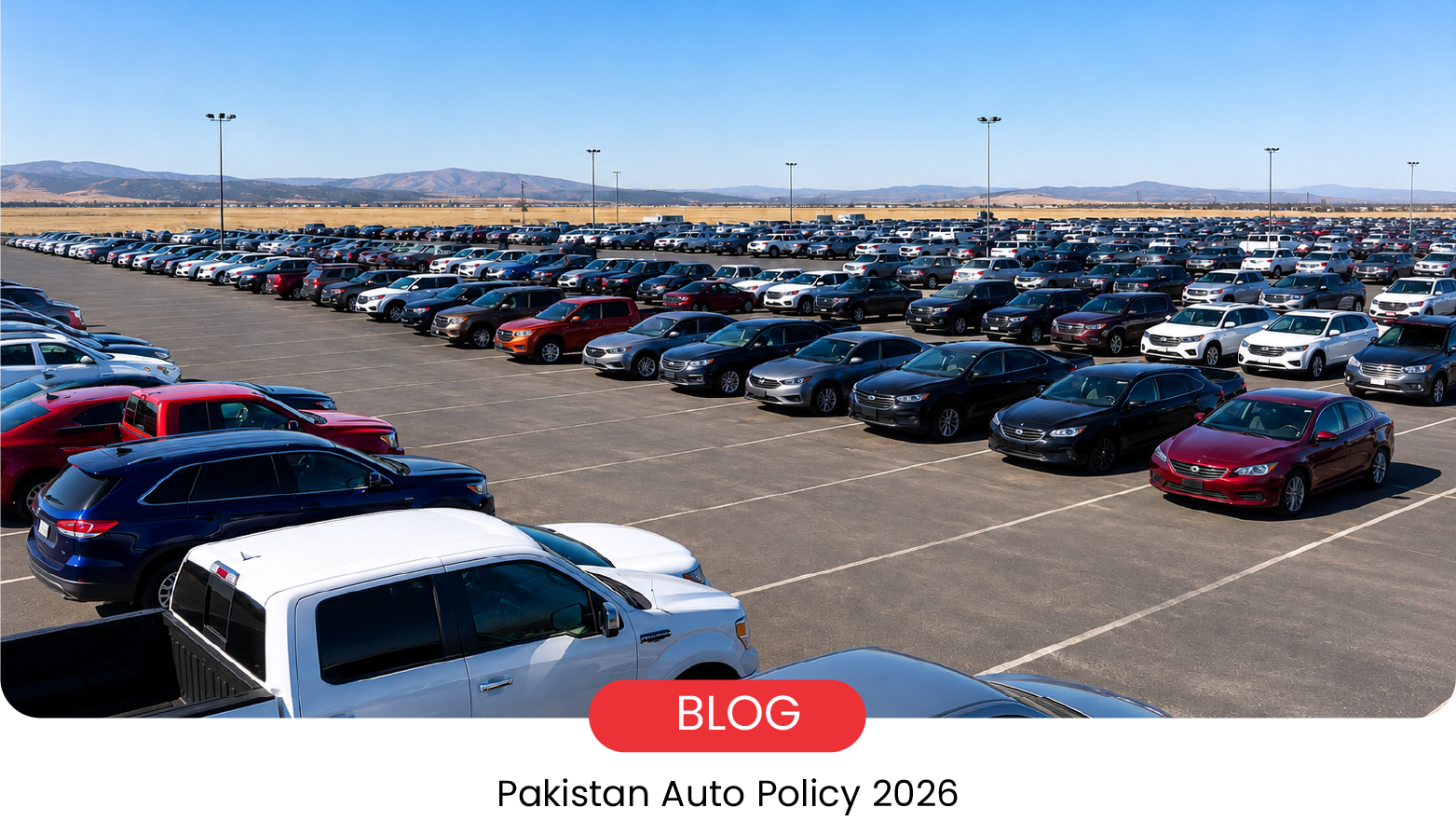
Table of Contents
- The Current State of Pakistan's Auto Sector
- What the New Policy Is Likely to Bring
- Key expected changes:
- Opportunities This Policy Could Unlock
- Challenges That Remain
- What This Means for You as a Buyer
- Looking Ahead
If you're thinking about buying a car in Pakistan these days, you know how tough it feels. Prices keep climbing. Fuel costs eat into your pocket every month. And many of the vehicles on our roads still lack basic modern safety features that people in other countries take for granted. The government is getting ready to announce a new Auto Policy in August 2026. It aims to fix some of these issues. But what does it really mean for everyday buyers, workers in the industry, and the future of driving here?
I looked into the details from recent reports, industry updates, and past policies. The picture is mixed, but there are real opportunities ahead if things go right.
The Current State of Pakistan's Auto Sector
Pakistan's auto industry contributes around 7% to the country's GDP and supports over 6.8 million jobs. Yet production and sales have had ups and downs. In recent months of 2026, sales showed recovery up significantly year-on-year in some periods, with total vehicles sold climbing thanks to easier financing and new models. Still, overall numbers remain modest compared to the potential of our large population.
Cars here are expensive. Localization — using locally made parts — hovers around 50-60% for many models. That means heavy reliance on imported components, which drives up costs when the rupee weakens. Safety standards lag too. Pakistani vehicles often meet only a fraction of global requirements, like proper crash tests or standard airbags in base models. Road accidents remain a big problem, with thousands of lives lost every year.
Fuel imports cost the country billions of dollars annually. This puts pressure on foreign reserves and the environment, especially in crowded cities where air quality suffers.
People feel the pain directly. A family man saving for years to buy a reliable car ends up paying premium prices for something that feels outdated. Young professionals want greener options but find hybrids and EVs out of reach or hard to maintain.
What the New Policy Is Likely to Bring
Sources close to the matter say the policy will focus on three main areas: attracting new investment, boosting local manufacturing, and creating jobs. Prime Minister Shehbaz Sharif has directed officials to make it investor-friendly.
Key expected changes:
- International Safety Standards: Locally assembled vehicles will need to meet higher global benchmarks. This could mean better brakes, airbags as standard, and structural improvements. It addresses long-standing complaints about quality and safety.
- Push for EVs, PHEVs, and Hybrids: Incentives like reduced taxes or import duty concessions for electric and hybrid vehicles. The country already launched a New Energy Vehicle (NEV) Policy 2025-30 aiming for 30% new-energy vehicle sales by 2030. This new auto policy will likely align with it to speed up the shift.
- Carbon Tax Discussions: There might be a tax on petrol and some hybrid vehicles to fund cleaner options. Details will come after talks with the IMF, so nothing is final yet.
- Localization and Manufacturing Boost: More encouragement for local parts production and new players entering the market. Past policies like AIDEP 2021-26 brought in over a billion dollars in investments. The new one hopes to build on that.
Lower tariffs on certain components and support for charging infrastructure could make EVs more practical.
Opportunities This Policy Could Unlock
For buyers, the biggest hope is more choices at better value. Imagine hybrids that cost less to run daily and EVs with improving range suited to our cities. New investment could bring modern assembly plants and technology transfer, eventually lowering prices through competition and scale.
Job creation is another plus. The sector already employs millions. Expanded manufacturing means more opportunities in factories, parts supply chains, and related services good news for engineers, technicians, and skilled workers.
On the environment side, cutting fuel imports saves foreign exchange and reduces pollution. Studies linked to similar policies suggest potential annual savings of billions in fuel and dollars.
Globally, countries that embraced EVs early saw their industries modernize faster. Pakistan has a young population and growing urban demand. Getting this right could position us better regionally.
Challenges That Remain
It's not all smooth sailing. Industry groups have raised concerns about sudden tax changes hurting existing investments in hybrids. For example, sales tax adjustments on hybrids from lower rates to 18% have already made some models pricier.
Infrastructure for EV charging stations and reliable electricity needs massive work. Many areas still face power shortages. Without that, adoption will stay slow.
High import duties and taxes have protected local assemblers but also kept prices high and competition low. Striking the right balance in the new policy is crucial. Too much protection, and we miss out on quality improvements. Too open, and local jobs could suffer.
Enforcement matters too. Past policies had good intentions, but implementation often lagged due to coordination issues between ministries and regulators.
What This Means for You as a Buyer
If you're in the market soon, keep an eye on August. The policy might bring some relief on greener vehicles, but don't expect overnight drops in popular petrol models. Safety upgrades could slightly raise costs initially before efficiencies kick in.
Think long-term. A hybrid or EV might save you on fuel even if the upfront price feels high. Check total ownership costs maintenance, running expenses, resale value.
For businesses or fleet owners, the shift could open doors to lower operating costs and government incentives.
Families worried about safety will benefit from stricter standards. It’s about protecting loved ones on unpredictable roads.
Looking Ahead
The new Auto Policy isn't a magic fix, but it signals intent to modernize. Success depends on clear rules, consistent follow-through, and input from all sides: manufacturers, suppliers, buyers, and experts.
Pakistan has the workforce and market size to build a stronger auto sector. With a focus on quality, sustainability, and affordability, we could see more reliable, efficient, and safer vehicles on our roads in the coming years.
What do you think? Will these changes make cars more accessible, or are there other steps needed? Share in the comments. Staying informed helps us all navigate these shifts better. For more updates, visit DrivePK.com
Tags
Share this article
About the Author

Najeeb Khan
Automotive enthusiast and writer
Comments (0)
Login Required
You need to be logged in to comment on this article.
No comments yet. Be the first to share your thoughts!
Related Articles
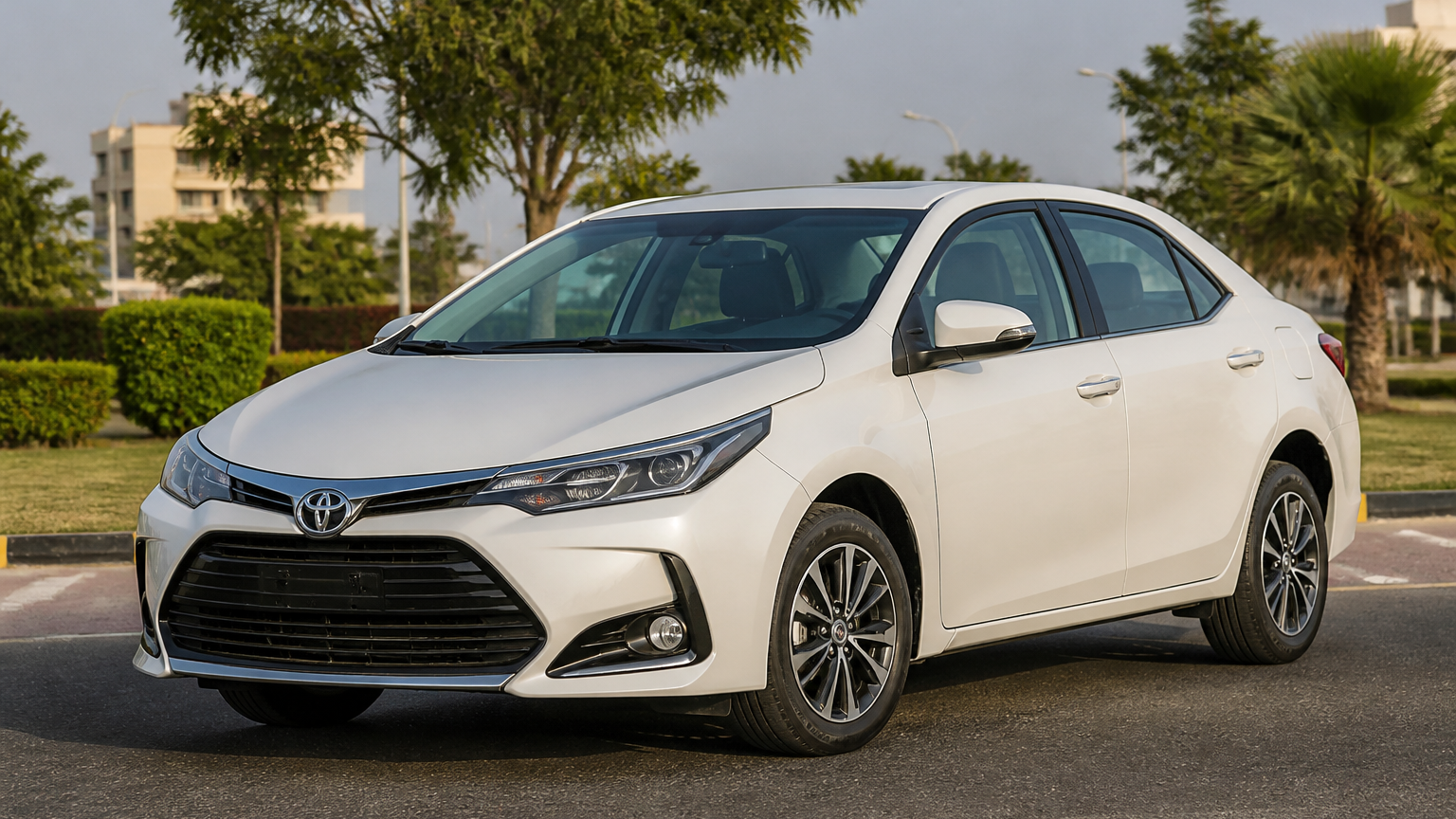
Toyota Corolla Discontinued Before Pakistan Facelift
Pakistan’s pre-facelift Toyota Corolla is reportedly discontinued, hinting at a facelift. Prices, bookings, specs and launch timing remain unconfirmed.
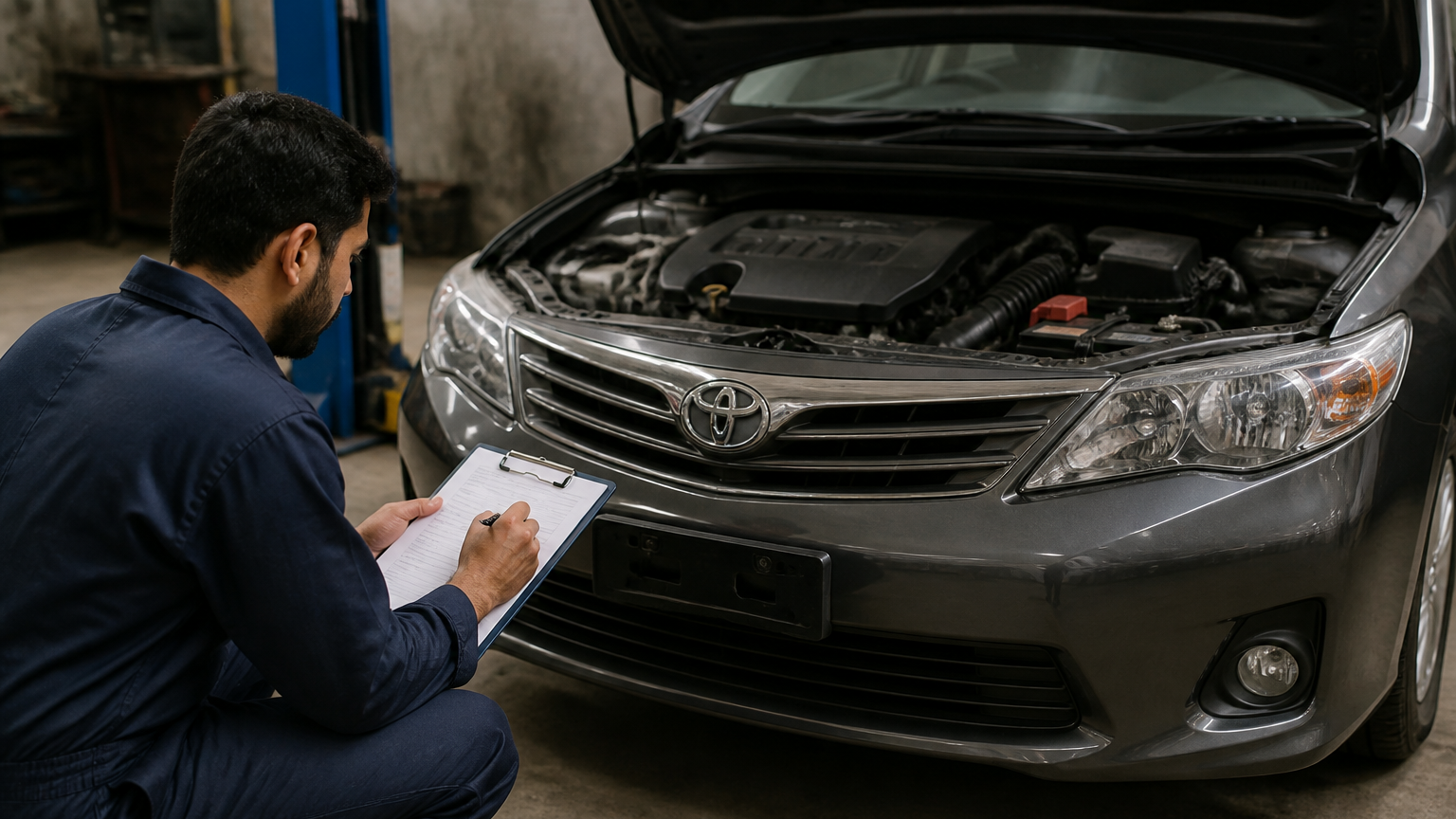
DrivePK Car Inspection Reports: Buy with Confidence
Buying a used car in Pakistan? A pre-purchase inspection can reveal hidden damage, engine issues and red flags before you pay—but it’s not enough alone.
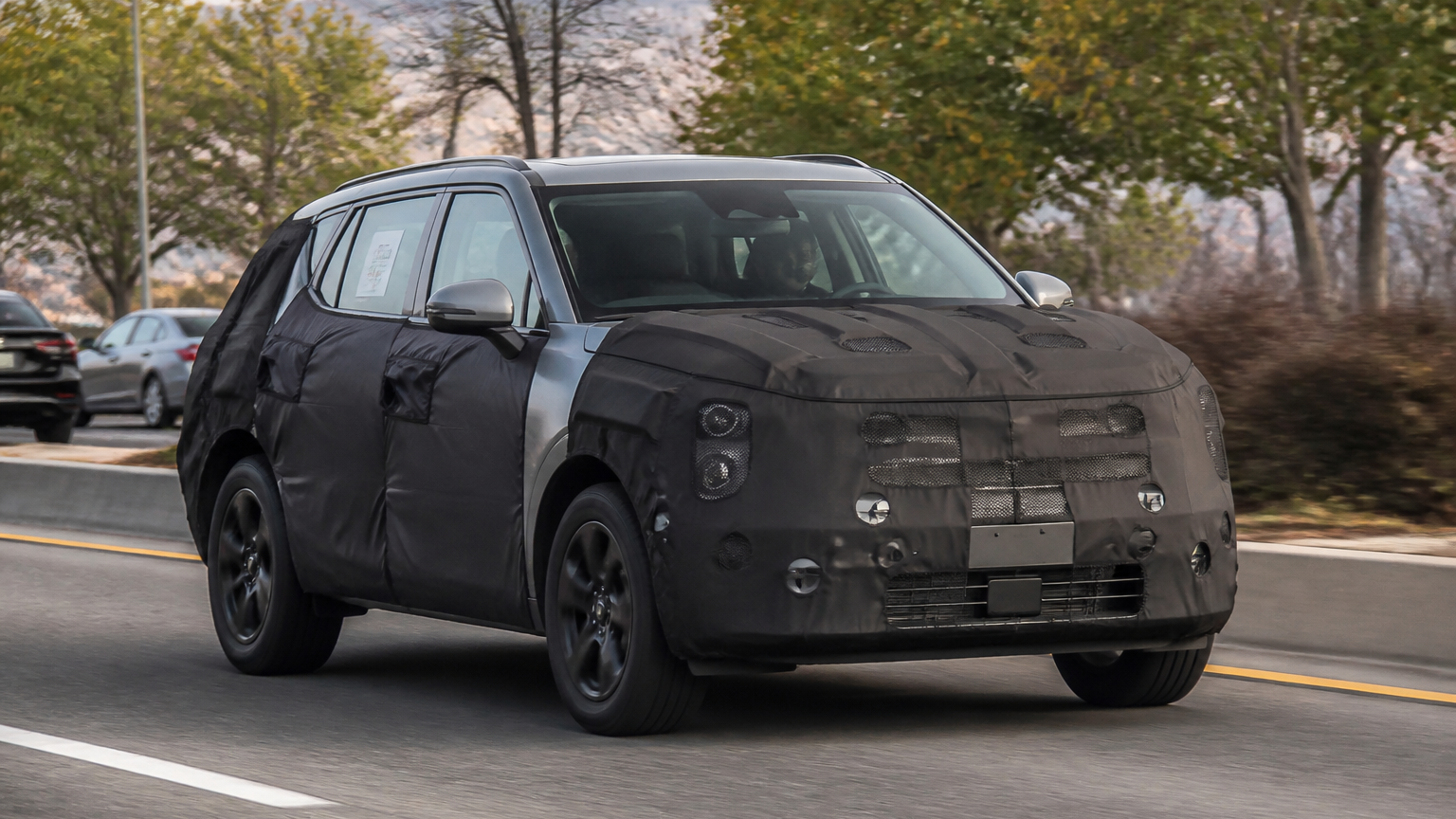
2028 Kia Sportage: Major Design Changes Spotted
Kia’s next Sportage may get a bolder, boxier redesign, with an upright profile, sharper lines, wider grille and split headlights hinted by spy shots.