Pakistan Fuel Price Hike July 2026: Petrol at Rs 310.71, Diesel Rs 323.30
The federal government increased fuel prices again. Petrol now costs Rs 310.71 per liter and diesel Rs 323.30. This latest hike hits commuters, transporters, and households hard. Here’s what it means for you and how to manage rising costs.
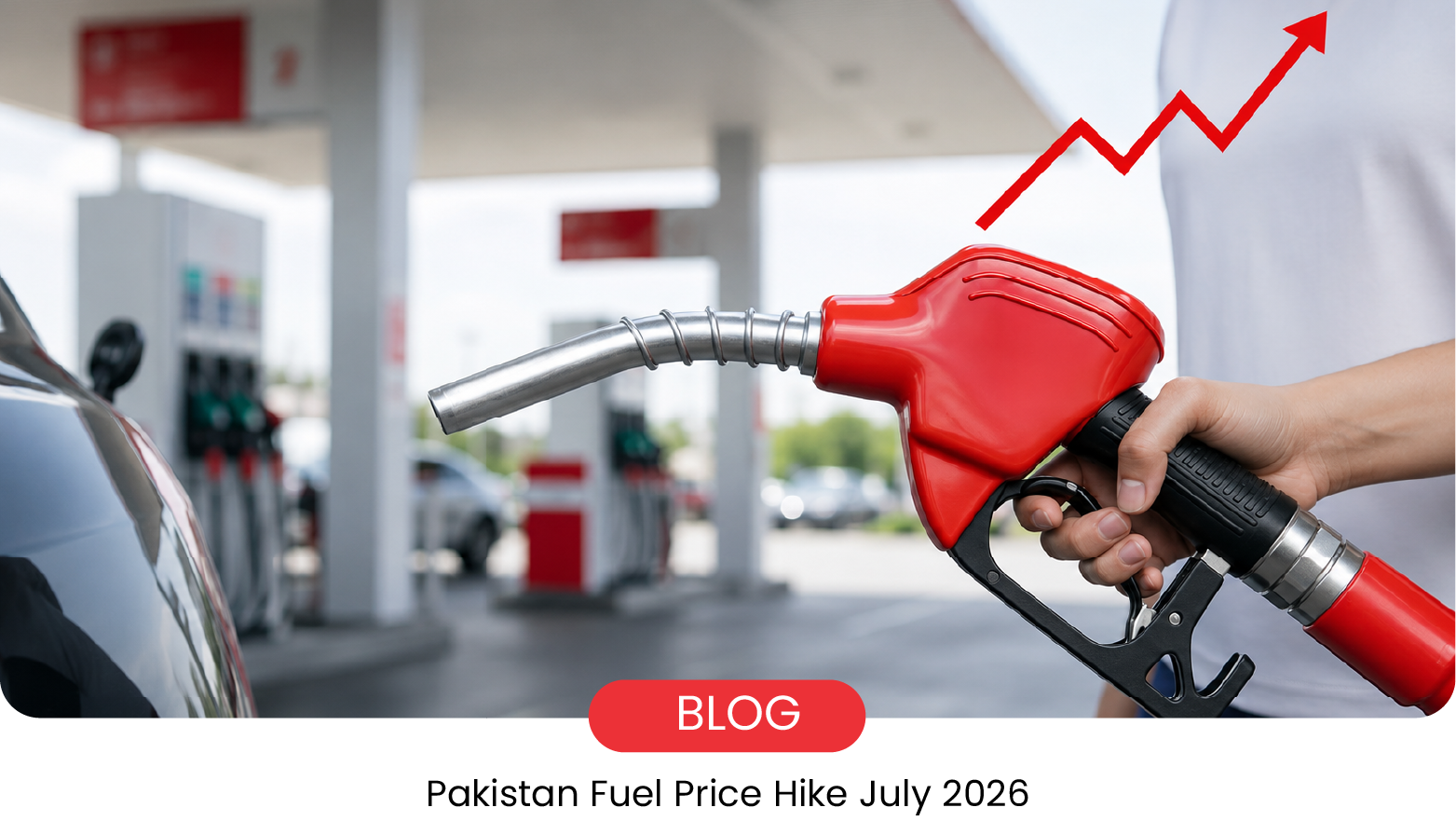
Table of Contents
- Why Did Prices Rise This Time?
- How This Affects Your Daily Life
- Who Feels It Most?
- Broader Picture for the Economy
- What You Can Do to Cope
- Looking Ahead
The government has raised fuel prices once more. From July 11 to July 17, 2026, petrol now sells for Rs 310.71 per liter, up Rs 13.18. High-speed diesel jumped Rs 13.80 to Rs 323.30 per liter.
This comes after a small cut the previous week. Many people feel frustrated. Prices swing often, and each rise makes life a bit harder.
I get it. Filling up the tank already stings. For a bike rider or car owner in Lahore or Karachi, this adds hundreds of rupees every week. Truck drivers and rickshaw walas face even bigger hits. And those costs don’t stay with them they pass on to the rest of us through higher fares and goods prices.
Why Did Prices Rise This Time?
Global oil prices keep fluctuating. Geopolitical tensions in the Middle East play a big role. Pakistan imports most of its fuel, so changes abroad hit us fast.
The government follows a fortnightly review based on international rates, exchange rates, and taxes. Petroleum levy and other charges also factor in. This time, the numbers simply went up.
It’s not the first hike in 2026. Earlier spikes tied to regional conflicts pushed prices much higher before they eased a bit. The pattern shows how connected our fuel costs are to world events.
How This Affects Your Daily Life
Think about your routine. You commute to work, buy groceries, or send kids to school. Higher fuel means:
- Transport fares rise: Rickshaws, taxis, buses, and ride-hailing services adjust quickly. A daily commute that cost Rs 200 might now push closer to Rs 250 or more.
- Goods get costlier: Trucks carry food, vegetables, and supplies across the country. Diesel powers most of them. Expect vegetables, milk, and other essentials to inch up in coming days.
- Businesses feel pressure: Small shop owners, farmers using machinery, and delivery services see margins shrink. Many already run tight budgets.
Inflation in Pakistan hovered around 11% recently. Transport costs form a big part of that. Another hike adds fuel to the fire.
For families in smaller cities or villages, the impact spreads wider. Agriculture relies on diesel for tractors and transport. Higher costs there can affect harvest prices later.
CPEC-related logistics and overall trade also face pressure. Everything from construction to exports feels the ripple.
Who Feels It Most?
Middle and lower-income groups bear the heaviest load. A salaried person earning Rs 50,000 a month sees a bigger share of income go to fuel and related costs. Daily wagers and transporters have less room to adjust.
Women managing households notice it in the kitchen. Men driving for work feel it in long hours with smaller net earnings. Students and young professionals cut back on travel or extra activities.
Public reaction on social media shows the frustration. People question timing and ask for relief measures.
Broader Picture for the Economy
Pakistan’s economy depends heavily on imported energy. Higher prices widen the import bill and affect the current account. The government balances revenue needs, IMF-related commitments on pricing, and public relief.
There are no easy answers. Subsidies cost billions and strain the budget. Passing on full costs risks inflation and slowdown. Policymakers walk a thin line.
Long term, experts push for better energy mix, local refining improvements, and efficiency. But those changes take time. Right now, the immediate pain is real.
What You Can Do to Cope
No one likes bad news without some practical steps. Here are simple ways to handle higher fuel costs:
- Drive smarter: Keep tires properly inflated. Avoid sudden acceleration. Combine trips and avoid peak traffic.
- Maintain your vehicle: Regular service improves mileage. A well-tuned engine uses less fuel.
- Use public transport or carpool: Buses or shared rides cut individual costs. Apps sometimes offer discounts.
- Plan: Buy in bulk when possible. Track prices and fill up strategically.
- Cut idling:Turn off the engine at long signals or when waiting.
- Consider alternatives: For short distances, walk or cycle when safe. Electric bikes gain popularity in some areas.
- Budget wisely:Track weekly fuel spend and adjust other expenses early.
Small changes add up. Many families already do this to stretch their money further.
Looking Ahead
Prices can change again in the next review. Global markets remain volatile. Keep an eye on official notifications from the Petroleum Division or OGRA.
The government sometimes announces relief or targeted support. But relying only on that isn’t practical. Building habits that reduce dependence on fuel helps more in the long run.
This hike reminds us how external factors shape daily life in Pakistan. From a motorcyclist in Peshawar to a trucker on the Grand Trunk Road, everyone adjusts somehow.
The coming weeks will show the full impact on markets and households. Stay informed, drive carefully, and support each other where you can. Higher prices test resilience, but smart choices make the difference. For more updates, visit DrivePK.com
Tags
Share this article
About the Author

Najeeb Khan
Automotive enthusiast and writer
Comments (0)
Login Required
You need to be logged in to comment on this article.
No comments yet. Be the first to share your thoughts!
Related Articles
Toyota Corolla Discontinued Before Pakistan Facelift
Pakistan’s pre-facelift Toyota Corolla is reportedly discontinued, hinting at a facelift. Prices, bookings, specs and launch timing remain unconfirmed.
DrivePK Car Inspection Reports: Buy with Confidence
Buying a used car in Pakistan? A pre-purchase inspection can reveal hidden damage, engine issues and red flags before you pay—but it’s not enough alone.
2028 Kia Sportage: Major Design Changes Spotted
Kia’s next Sportage may get a bolder, boxier redesign, with an upright profile, sharper lines, wider grille and split headlights hinted by spy shots.