BYD Surpasses Ford and Tesla in 2025 Global Sales Milestone
BYD achieved a key milestone in 2025 with 4.6 million vehicles sold worldwide, surpassing Ford's 4.4 million. It also topped Tesla in pure EV sales at 2.26 million units. Strong NEV growth and over 1 million exports drove this success, signaling China's growing auto influence.

Table of Contents
- What Fueled BYD's Surge?
- How Ford and Tesla Fared
- The Bigger Picture: Shift to Electrification
- Impact on Jobs and Economy
- Looking Ahead for BYD
The auto world saw a shakeup last year. Chinese company BYD climbed the ranks fast. It sold about 4.6 million vehicles globally. That beat Ford's 4.4 million. For the first time, this Shenzhen firm passed the American icon. It's a sign of changing times in cars.
BYD didn't stop there. In battery electric vehicles, it outsold Tesla. BYD moved 2.26 million BEVs. Tesla hit 1.64 million. That's a 28% jump for BYD from the year before. Tesla saw a drop. The gap shows how fierce the EV race has become.
What Fueled BYD's Surge?
New energy vehicles powered this growth. That's EVs and plug-in hybrids. BYD focuses on them hard. In 2025, they made up most of its sales. Plug-in hybrids fell a bit, but pure EVs soared. Models like the Seagull and Dolphin drew buyers. Affordable prices helped too.
Exports played a huge part. BYD shipped over 1 million units abroad. That's up 145% from 2024. Markets in Europe, Latin America, and Southeast Asia opened up. Brazil, Mexico, and Belgium took big shares. In places like Pakistan, BYD's push could mean more options soon. This spread cut reliance on China, where competition is tough.
At home, BYD still ruled. It sold over 3 million in China alone. That kept it as the top brand there. But slowing demand pushed it outward. Smart move.
How Ford and Tesla Fared
Ford had a mixed year. Global sales dipped 2% to 4.4 million. In the US, it grew 6% to 2.2 million. Trucks like the F-Series shone, with 829,000 sold. But overall, it slipped to seventh worldwide. EVs and hybrids helped, yet not enough against BYD's pace.
Tesla faced headwinds. Deliveries fell 9% to 1.64 million. Model 3 and Y carried most, but growth stalled. Policy changes, like lost US tax credits, hurt. Competition from China bit hard. Still, Tesla holds strong in premium EVs.
The Bigger Picture: Shift to Electrification
This isn't just about numbers. It highlights electrification. Global EV sales grew, but unevenly. China leads, with BYD at the front. Its batteries and tech give an edge. Cheaper models make EVs accessible.
Chinese brands gain ground. Geely climbed too, to eighth globally. Traditional makers like Ford adapt, pushing hybrids. But the tide turns east.
Challenges loom. Tariffs hit exports. Competition intensifies. BYD plans 1.3 million exports this year. It eyes more markets, building plants abroad.
Impact on Jobs and Economy
For China, this boosts jobs. BYD hit 15 million NEVs produced. It creates roles in tech and manufacturing.
Globally, it pressures others to innovate. Ford cuts EV plans amid costs. But it could speed green shifts.
Consumers win with choices. Affordable EVs like BYD's cut emissions.
Looking Ahead for BYD
BYD sets sights higher. It aims to grow despite slowdowns. New models and markets are key. In Pakistan, where autos evolve, BYD could bring affordable EVs.
This milestone marks China's auto ascent. Legacy brands watch closely.
The road ahead twists, but BYD drives strong. For more updates, visit DrivePK.com
Tags
Share this article
About the Author

Najeeb Khan
Automotive enthusiast and writer
Comments (0)
Login Required
You need to be logged in to comment on this article.
No comments yet. Be the first to share your thoughts!
Related Articles
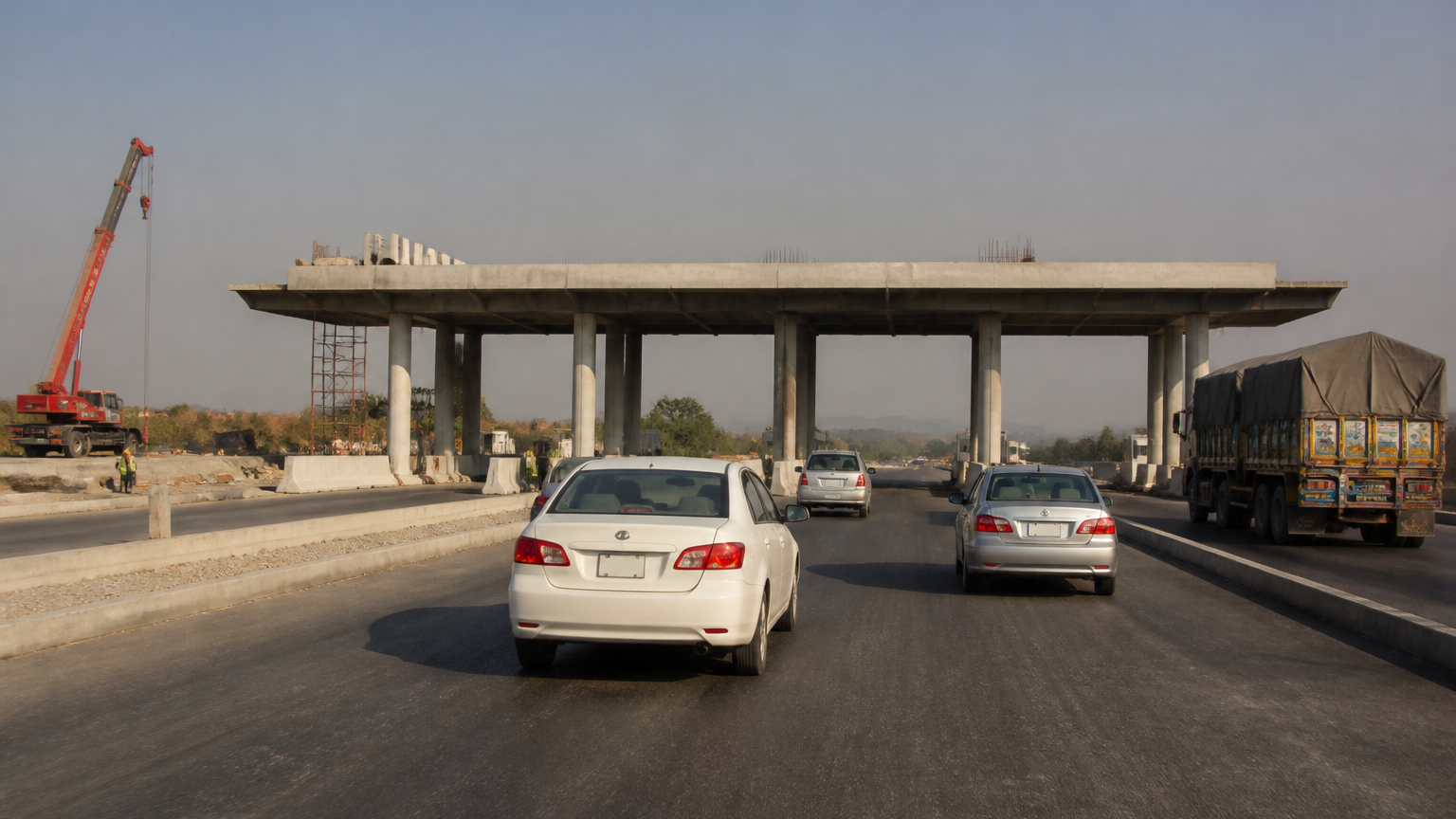
Rawalpindi Ring Road Opening Delayed by Toll Plaza Work
Rawalpindi Ring Road is structurally complete, but toll plazas and e-toll systems remain unfinished—delaying opening, toll rates and traffic relief.
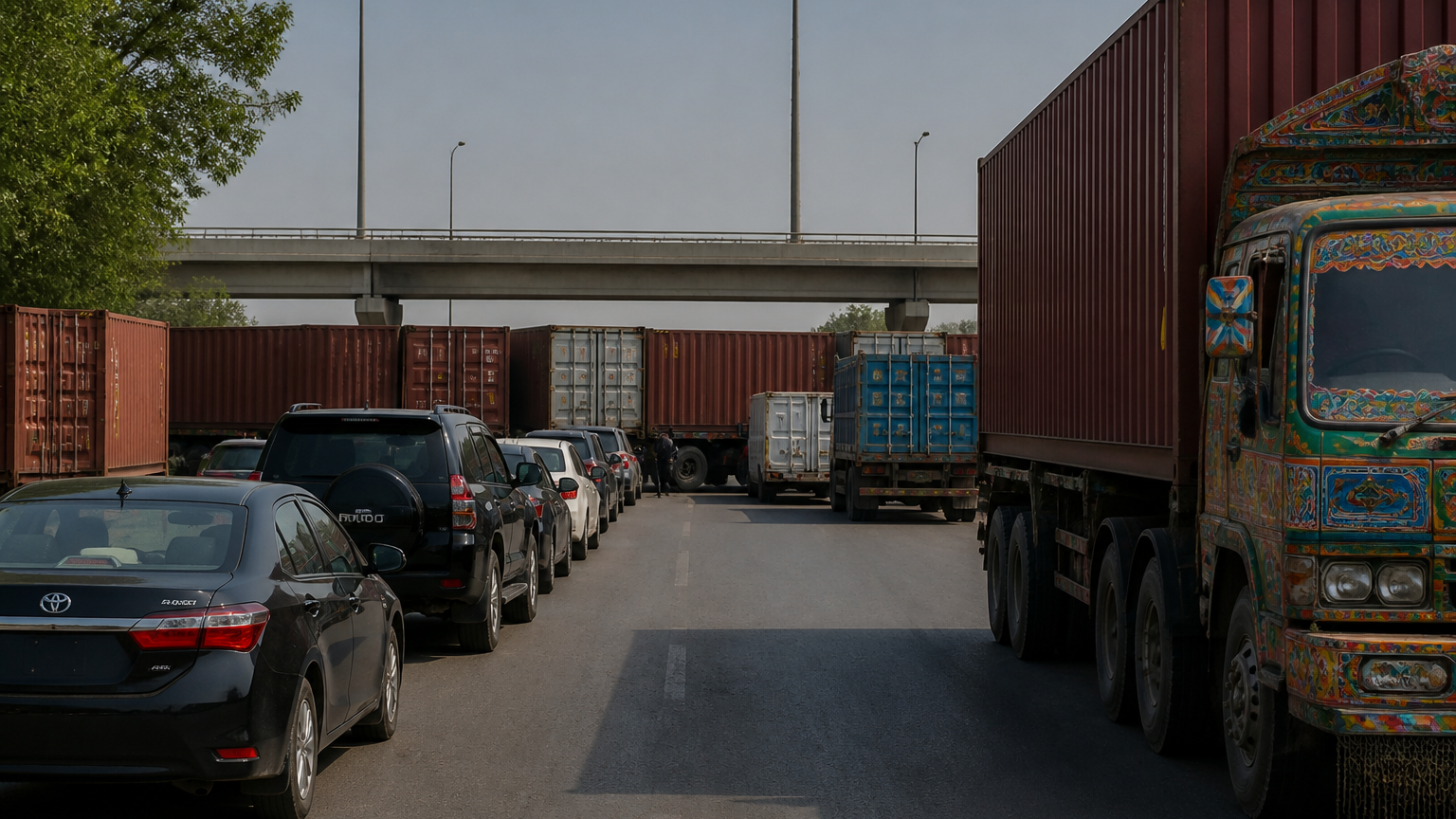
Islamabad Blockades Delay Karachi Freight Before PTI Protest
PTI’s Oct. 4 march may delay northbound freight from Karachi, affecting car parts, tyres and workshop supplies—but the scale remains unclear.
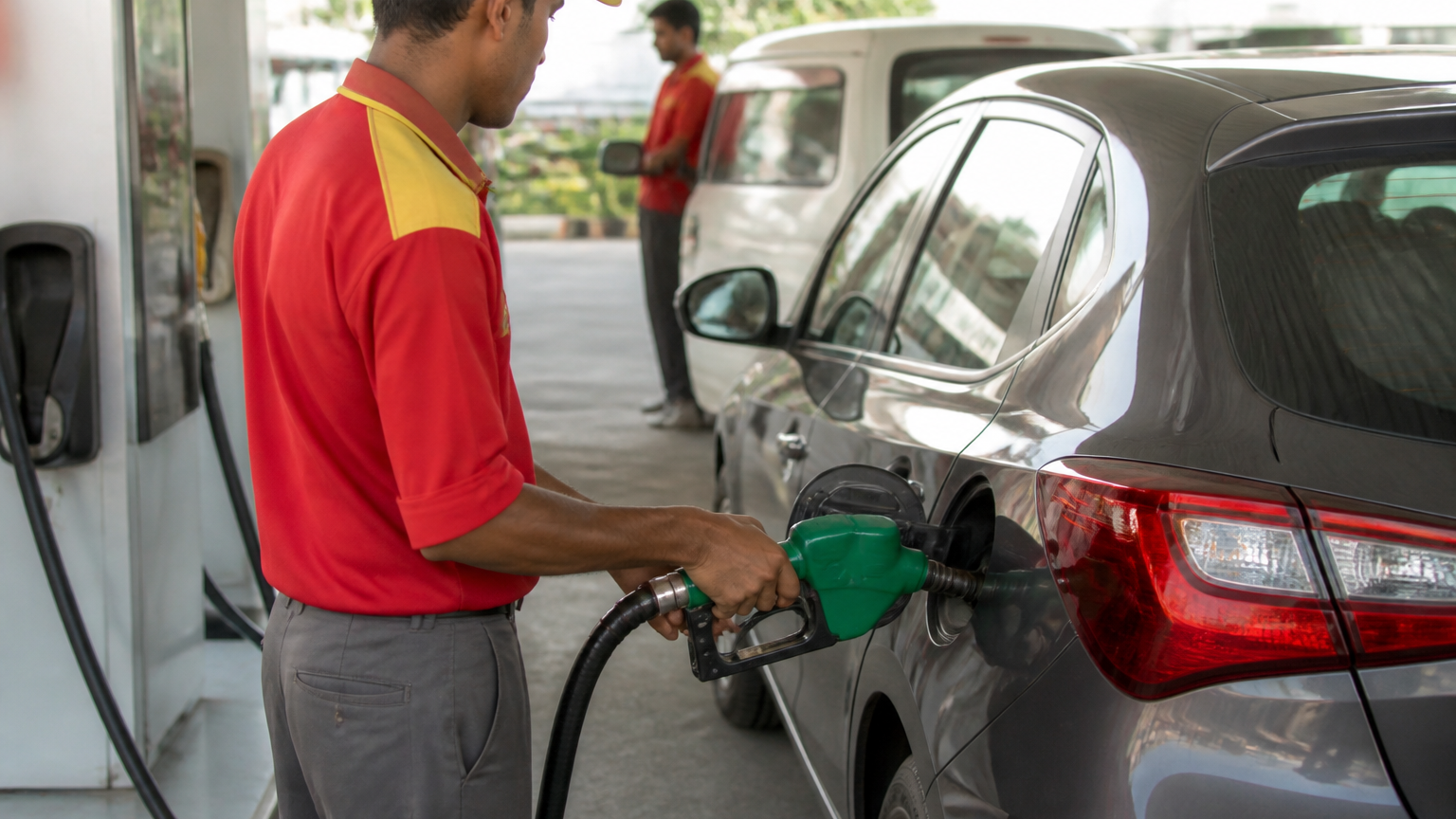
Oil Prices Near $100: Impact on Pakistan
Brent nears $100 after a sharp swing linked to China’s fuel-export curbs—but Pakistan’s petrol and diesel prices remain unchanged for now.