BYD Tops China CLTC EV Range Rankings with 1,000+ km Models
China's latest CLTC EV range rankings show BYD clearly ahead. The Denza Z9 EV achieves 1,068 km, the Denza Z9 GT reaches 1,036 km, and the Yangwang U7 delivers 1,006 km. These are the only production models over 1,000 km, powered by battery packs larger than 120 kWh. Most rivals stay below 900 km
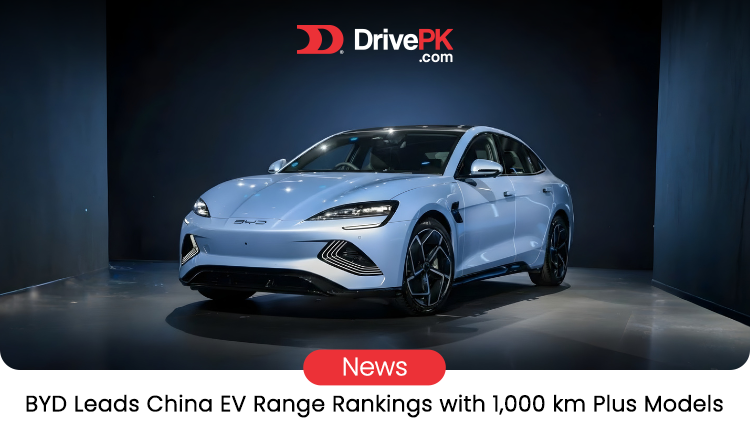
Table of Contents
- BYD's Top Performers
- What the CLTC Test Measures
- Where Other Brands Stand
- Bigger Batteries Are the Main Reason
- What This Means for EV Buyers
- The Bigger Picture in China's EV Market
- What Comes Next
China's electric vehicle market keeps moving forward. The latest rankings under the CLTC testing cycle put BYD in a strong position. Their premium models are the only production EVs that now exceed 1,000 kilometers on a single charge. This sets them apart from the rest of the field.
These results come from official data and regulatory filings. They show a clear split in the long-range EV segment. BYD's Denza and Yangwang brands sit at the top, while most others stay below the 900 km mark.
BYD's Top Performers
The Denza Z9 EV takes first place with a certified CLTC range of 1,068 km. It uses a battery pack over 120 kWh. The Denza Z9 GT EV follows closely at 1,036 km with a similar large battery. In third spot is the Yangwang U7 EV, which reaches 1,006 km.
These three models stand out because they are actual production vehicles, not concepts. Denza and Yangwang are BYD's upscale brands. They focus on luxury and performance, which gives them room for bigger batteries.
The numbers are impressive on paper. A 1,000 km range means fewer charging stops on long drives across China. For many drivers, that reduces one of the main worries with EVs.
What the CLTC Test Measures
CLTC stands for China Light-duty vehicle Test Cycle. It is the standard used in China to measure EV range. The test includes city driving, suburban roads, and some highway stretches. It often shows higher numbers than tests in Europe or the US because of gentler conditions and lower average speeds.
This is important to remember. Real-world range will usually be lower. Factors like cold weather, highway speeds, and extra passengers can cut the distance quite a bit. Still, the CLTC rankings give a useful way to compare models within the Chinese market.
Where Other Brands Stand
Most competing EVs fall short of the 1,000 km barrier. Models from Xiaomi, Zeekr, Mercedes-Benz, Tesla, and XPeng typically land below 900 km under the same CLTC test. This creates a noticeable gap at the top end of the market.
The difference is not small. It shows how hard it is to reach these ultra-long ranges without major changes in design. Many mainstream and even premium models prioritize other features like faster charging, better handling, or lower price instead.
Bigger Batteries Are the Main Reason
The breakthroughs beyond 1,000 km come mostly from larger battery packs rather than huge leaps in efficiency. The top models use batteries well over 120 kWh. The Yangwang U7 even goes up to around 150 kWh in some versions.
Larger batteries need more space and add weight. That works better in big, premium vehicles where cost is less of an issue and the body design can accommodate the extra size. Everyday cars and smaller EVs usually stick with 60 to 100 kWh packs to keep prices down and improve handling.
Efficiency still matters. Better motors, improved aerodynamics, and lighter materials help. But right now, raw battery capacity is what pushes these models into record territory.
What This Means for EV Buyers
For buyers who do a lot of long-distance driving, these high-range models could be appealing. A single charge might cover a trip from Beijing to Shanghai with energy to spare. That makes road trips more relaxed.
Yet these cars come at a premium price. They target the luxury segment where buyers expect top performance and features. For most daily commuters, a 600 or 700 km range is already more than enough. The extra capacity mainly benefits those who travel far or want maximum flexibility.
There are trade-offs, too. Bigger batteries take longer to charge and add weight, which can affect efficiency in real conditions. They also raise the overall cost of the vehicle.
The Bigger Picture in China's EV Market
China leads the world in EV adoption. Range anxiety remains a talking point, especially in areas with fewer charging stations. These new high-range models from BYD help address that concern for certain drivers.
BYD's success here fits their strategy. They control much of the battery supply chain, which helps them pack more capacity into vehicles without pushing prices too high in the premium space. Their vertical integration gives them an edge in scaling up battery technology quickly.
At the same time, the rankings highlight that ultra-long range is still a niche. Most sales happen in the more affordable segments, where 500 to 800 km is the focus.
What Comes Next
The industry will keep working on better efficiency. Advances in battery chemistry, such as higher energy density cells, could one day deliver long ranges with smaller and lighter packs. That would bring high-range capability to more affordable models.
For now, though, the gap is clear. BYD holds the lead in this specific area of the market. Their Denza Z9, Z9 GT, and Yangwang U7 show what is possible when size and cost are not the main limits.
Drivers interested in these models should look at the full picture. Check real-user reports, charging speeds, and how the cars perform in everyday use. Test figures are a starting point, not the whole story.
These rankings mark a step forward. They show the progress in EV technology and point to where the premium end of the market is heading. As more data comes in and real-world experiences build up, we will get a clearer sense of how much these long-range claims deliver on the road. For more updates, visit DrivePK.com
Tags
Share this article
About the Author

Najeeb Khan
Automotive enthusiast and writer
Comments (0)
Login Required
You need to be logged in to comment on this article.
No comments yet. Be the first to share your thoughts!
Related Articles
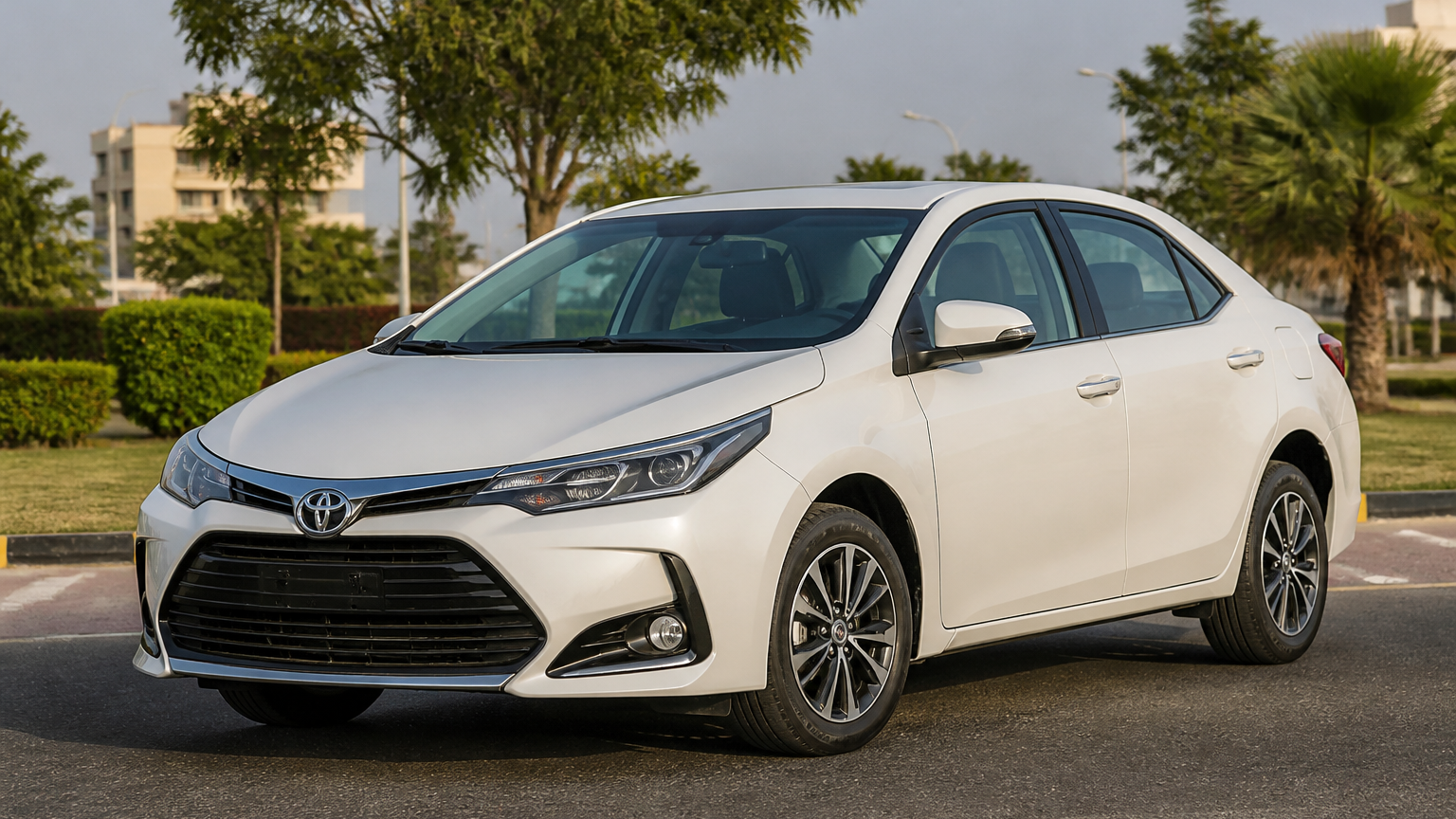
Toyota Corolla Discontinued Before Pakistan Facelift
Pakistan’s pre-facelift Toyota Corolla is reportedly discontinued, hinting at a facelift. Prices, bookings, specs and launch timing remain unconfirmed.
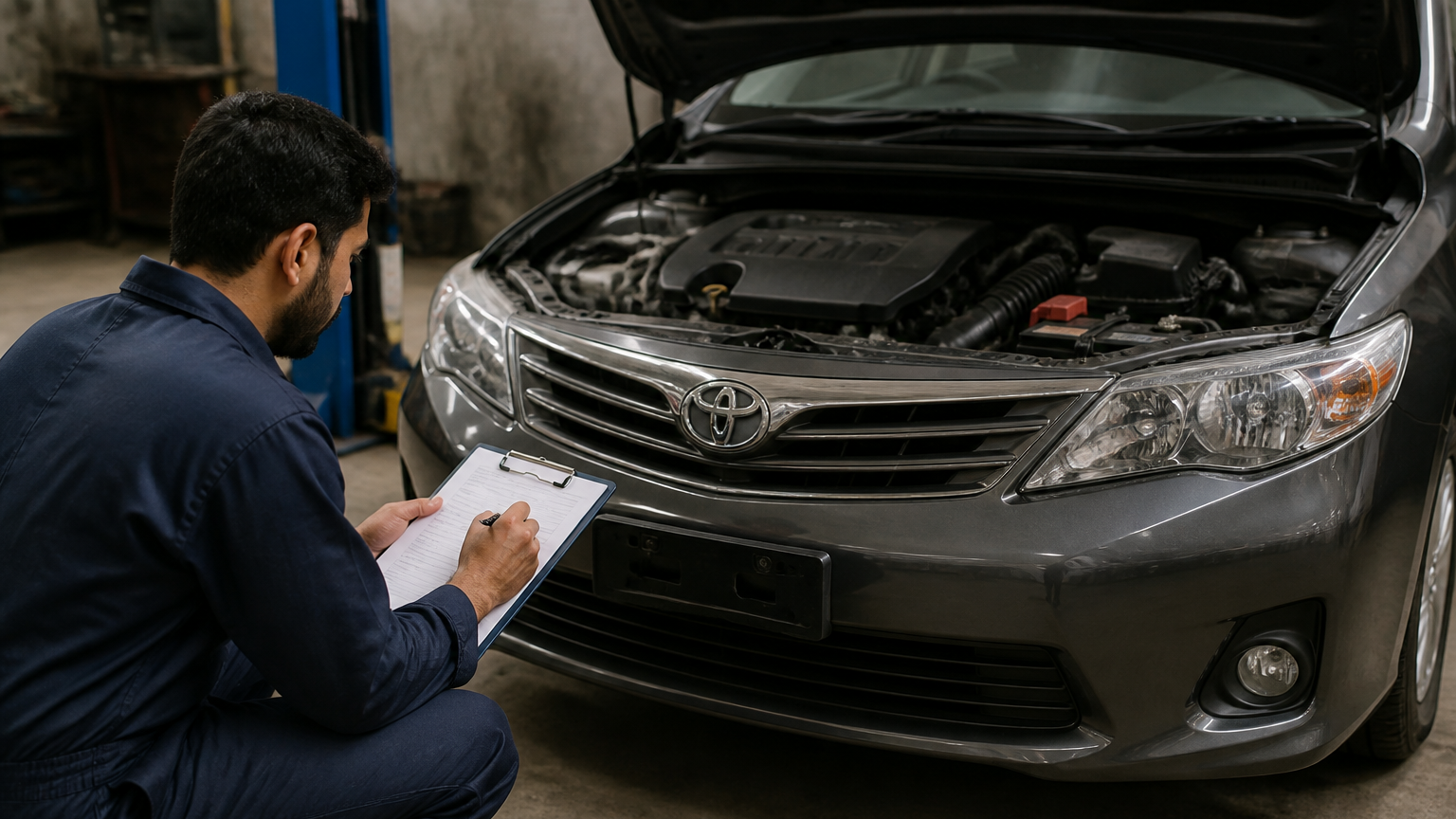
DrivePK Car Inspection Reports: Buy with Confidence
Buying a used car in Pakistan? A pre-purchase inspection can reveal hidden damage, engine issues and red flags before you pay—but it’s not enough alone.
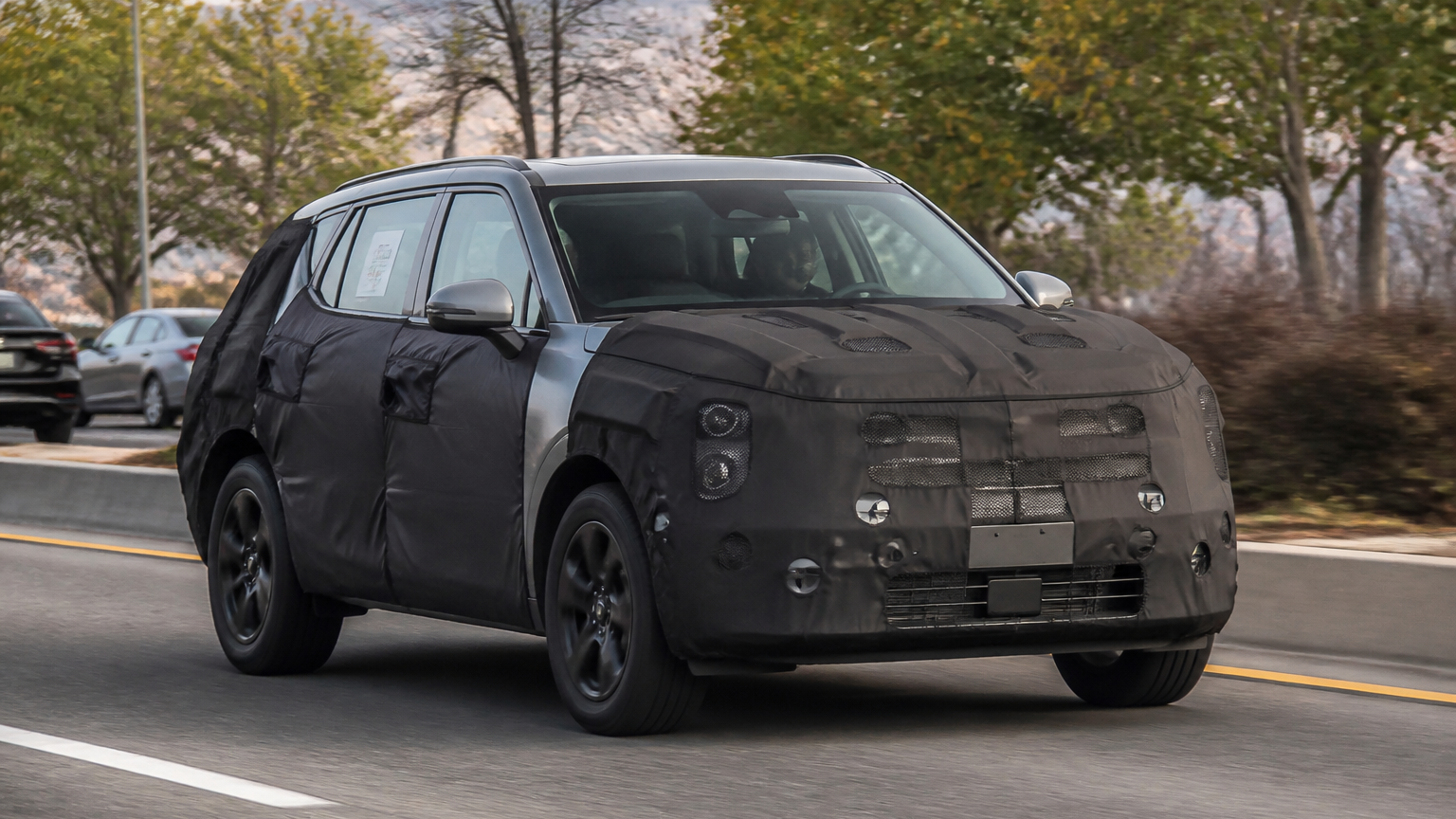
2028 Kia Sportage: Major Design Changes Spotted
Kia’s next Sportage may get a bolder, boxier redesign, with an upright profile, sharper lines, wider grille and split headlights hinted by spy shots.