Chevrolet Ends New Car Sales in China After 21 Years
General Motors has ended Chevrolet’s new car retail sales in China after nearly 21 years. Production continues through the SAIC-GM joint venture for export markets. Sales dropped from a 2014 peak of 767,000 units to fewer than 9,000 in 2025. More than 7 million owners still get parts and service support.
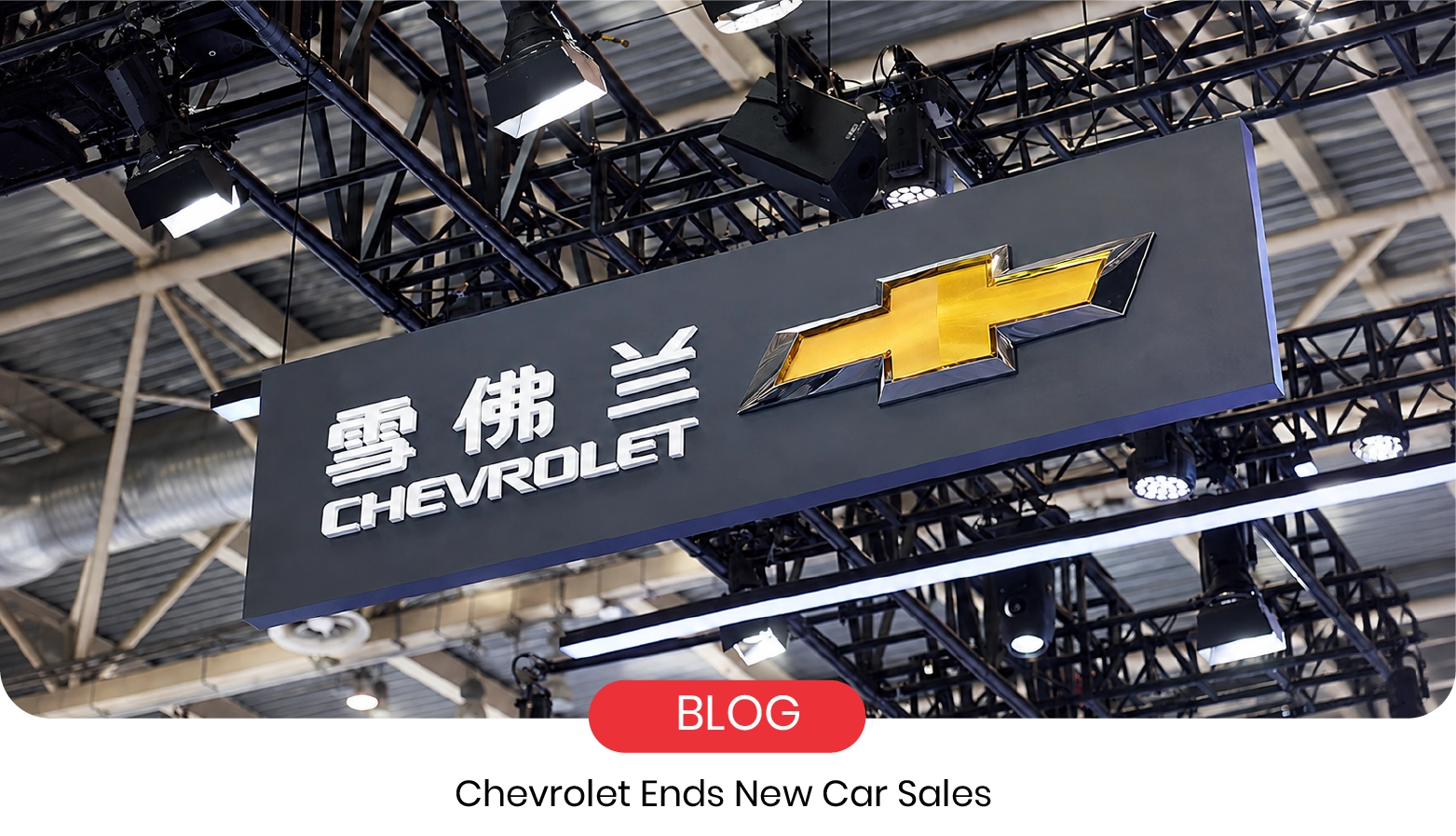
Table of Contents
- How Sales Collapsed Over a Decade
- Production Continues, But for Export
- What This Means for Owners and Dealers
- A Strategic Shift, Not a Full Exit
General Motors has confirmed that Chevrolet will no longer sell new cars in China. The move ends the brand’s retail operations in the country after nearly 21 years. Chevrolet first arrived through the SAIC-GM joint venture in 2005.
Production does not stop. Factories will keep building Chevrolet vehicles. Those cars now head mainly to export markets. Targets include the Middle East, Africa, South America, Mexico, and parts of Asia-Pacific. The United States is not on the list.
GM also gave a clear message to existing owners. More than 7 million people who bought Chevrolets in China will still get dealership support, spare parts, and after-sales service.
How Sales Collapsed Over a Decade
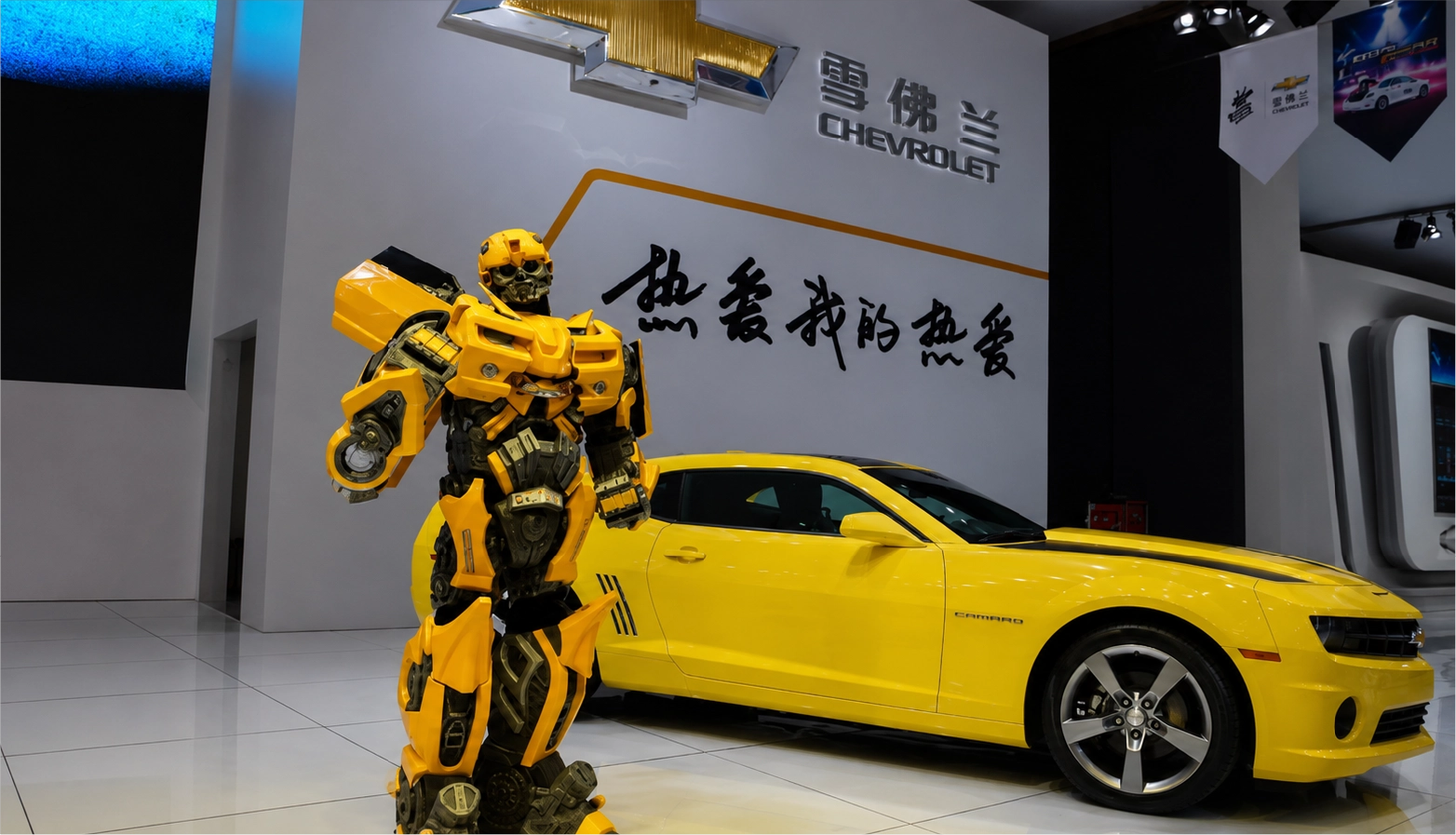
Chevrolet once sold well in China. In 2014 the brand reached about 767,000 units. It ranked among the stronger joint-venture names at the time. Families bought models such as the Sail and Cruze in large numbers.
Then the numbers fell. By 2019 sales dropped to around 410,000. In 2024 the figure stood at about 52,700. Full-year 2025 sales came in under 9,000 units—sources put the total near 8,747. In the first half of 2026 the brand sold only 36 cars across the entire country. Some months recorded zero or single-digit sales.
Several factors drove the decline. Chinese brands grew stronger and offered better value. New energy vehicles took a larger share of the market. Chevrolet stayed focused longer on conventional engines. A three-cylinder engine push also hurt buyer confidence around 2018. Sister brand Buick competed in similar segments and often undercut prices. The result was a steady loss of market position.
Production Continues, But for Export
GM China stated that its joint ventures will keep building Chevrolet products. The portfolio fits export needs better than the current Chinese retail market. Cadillac and Buick stay focused on domestic sales. Those two brands hold stronger positions in the segments GM wants to grow.
A separate joint venture with SAIC and Wuling also supports the export plan. Many vehicles badged as Chevrolet in markets such as Latin America already come from these Chinese plants. That arrangement continues and expands.
Recent data showed Chevrolet exports from China already exceeded local retail sales. Figures reached 17,159 units in 2024 and 15,917 units in 2025. The factories stay busy even as showroom sales stop.
In early August 2026 GM and SAIC also renewed their main joint-venture agreement for another 20 years, running to 2047. The extension followed years of restructuring that included plant closures and model cuts. The new terms let China serve as both a development center and an export hub for selected markets.
What This Means for Owners and Dealers
Existing Chevrolet drivers do not lose support. GM China said it stands by the more than 7 million customers already on the road. Parts supply and service networks remain in place. Some dealers have shifted focus toward Buick, yet the after-sales promise for Chevrolet holds.
The change reflects a wider pattern among global brands in China. Local companies lead in electrification and price competition. Joint-venture players have responded by narrowing their brand portfolios and using Chinese manufacturing capacity for other regions.
A Strategic Shift, Not a Full Exit
GM is not leaving China. The company still sells Buick and Cadillac models through SAIC-GM. It plans more electric and hybrid vehicles under those brands. At least 30 new energy models are targeted by 2030. China-built Buicks and Cadillacs will also start reaching export markets.
Chevrolet’s role simply changes. The brand becomes an export-focused name produced in China rather than a local retail player. The factories, supply chain, and technical knowledge stay active.
For buyers in the Middle East, Africa, South America, Mexico, and Asia-Pacific, the shift may bring more China-built Chevrolets. For Chinese customers looking for a new Chevrolet, the retail option ends.
The numbers tell a clear story. From nearly 767,000 cars in one strong year to fewer than 9,000 a decade later, the retail business no longer made sense. Production capacity still does. GM chose to keep the plants running and point them outward while protecting the owners already driving the cars. That is the practical outcome of more than twenty years of Chevrolet in China. For more updates, visit DrivePK.com
Tags
Share this article
About the Author

Najeeb Khan
Automotive enthusiast and writer
Comments (0)
Login Required
You need to be logged in to comment on this article.
No comments yet. Be the first to share your thoughts!
Related Articles
Jetour T2 Facelift Gets 173 km EV Range in China
Jetour’s T2 facelift brings sharper looks, smarter tech and up to 173km electric range—but Pakistan launch, specs and pricing remain unconfirmed.
Honda HR-V Price Cut Up to Rs. 10.7 Lakh in Pakistan
Honda reportedly cuts HR-V prices in Pakistan by up to Rs. 10.7 lakh from Sept 25, 2026—but confirm the limited-time deal with a dealer.
Pakistan Fuel Levy: How It Raises Inflation Pressure
A fuel levy can ripple through Pakistan’s economy, raising travel, delivery and everyday costs—fueling inflation far beyond the petrol pump for families.